The transition from summer to autumn presents a recurring seasonal challenge for men navigating daily attire, where micro-climates, sudden temperature drops, and unexpected precipitation make standard dressing a series of tactical errors. According to recent meteorological and retail analytics, the months of September and October register the highest spikes in impromptu purchases of emergency umbrellas, poorly chosen footwear replacements, and transitional outerwear as consumers struggle to reconcile their summer habits with shifting environmental conditions. The central dilemma of autumn menswear is the lack of atmospheric predictability: a morning commute featuring crisp, biting air can easily give way to a mild, sunlit afternoon, only for evening temperatures to plummet alongside torrential downpours. Consequently, maintaining a functional wardrobe during this period requires a strategic approach centered on flexibility, moisture management, and material hierarchy. Industry experts and menswear stylists have identified seven pervasive dressing mistakes committed during the autumnal shift, alongside precise adjustments designed to optimize comfort, utility, and aesthetic cohesion.
Premature Deployment of Heavy Winter Outerwear

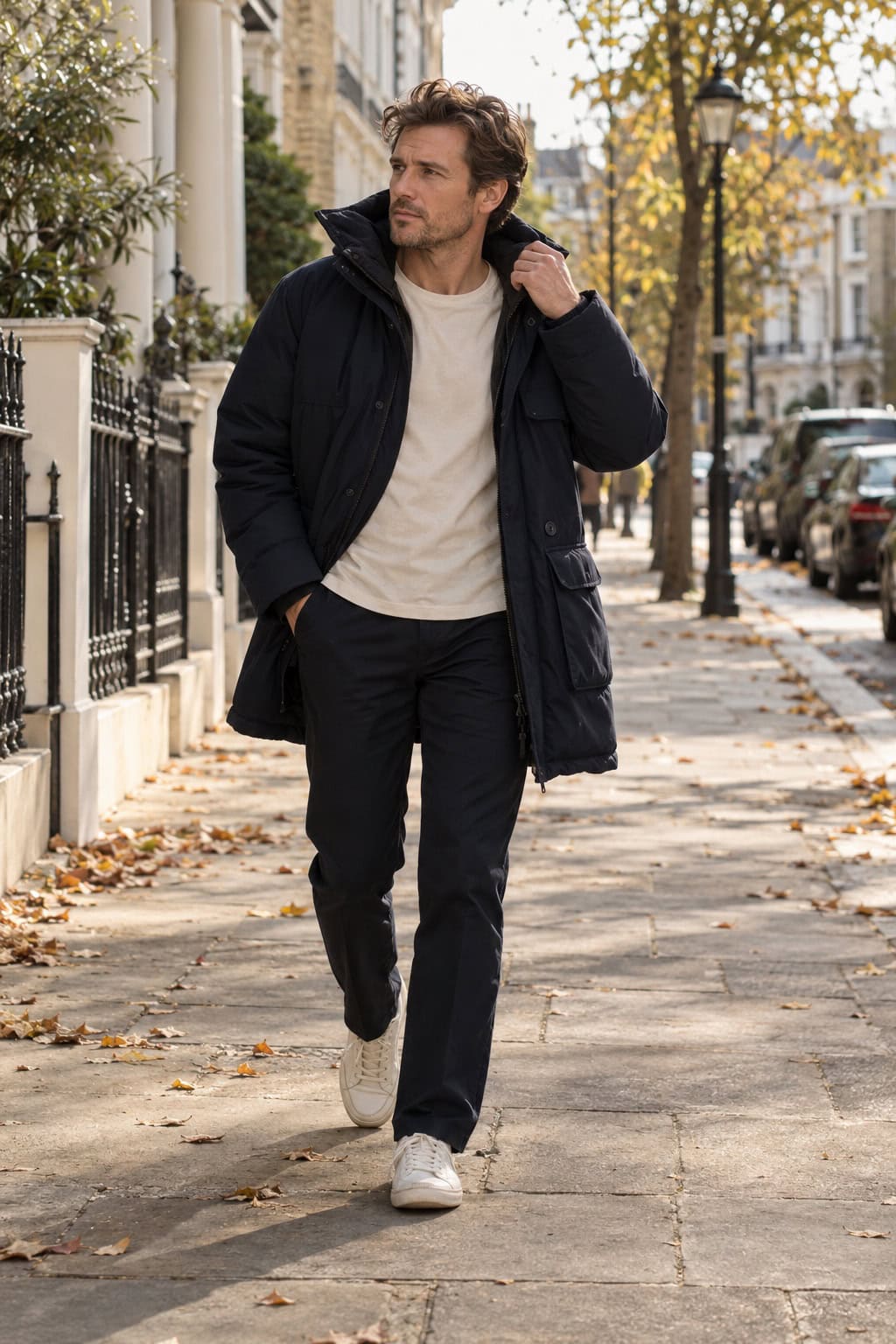
One of the most common psychological and physical errors in early-autumn dressing is the premature adoption of heavy winter coats. Following months of lightweight T-shirts and breathable fabrics, the initial brisk morning of September often induces an exaggerated physiological response, leading men to bypass transitional layers and immediately deploy heavy wool overcoats, down parkas, or insulated winter jackets. While this heavy insulation provides immediate comfort during the first five minutes of exposure to morning air, it quickly becomes an impractical burden as ambient temperatures rise by midday, forcing individuals to carry bulky garments that rival the volume of a household duvet.
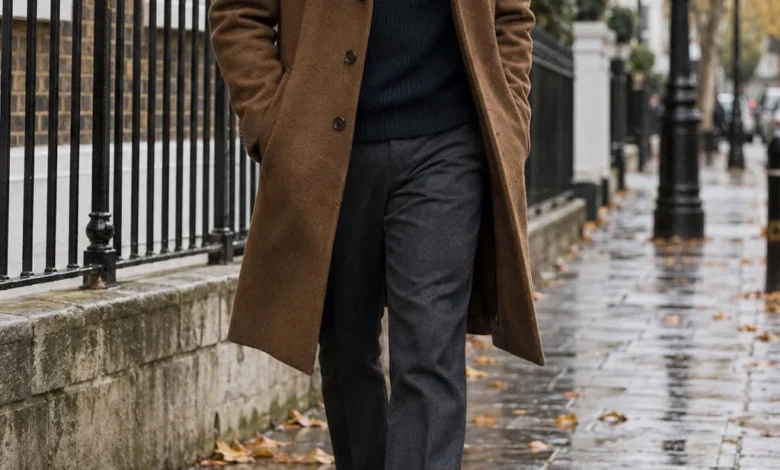
Retail data from menswear associations indicates that heavy winter coat sales surge prematurely during the first cold snap of September, despite historical weather patterns showing that afternoon highs frequently remain well above seasonal averages. To mitigate this issue, stylists advocate for the deliberate utilization of transitional outerwear. Garments such as waxed-cotton jackets, lightweight field jackets, unlined mackintoshes, and structured overshirts paired with fine-gauge knits offer adequate thermal regulation for crisp autumn mornings while providing necessary defense against fleeting showers. By reserving heavy insulation for genuine sub-zero conditions and ensuring that underlying layers can be easily shed, men can maintain thermal equilibrium throughout the fluctuating hours of the day.
Neglecting Seasonally Appropriate Footwear
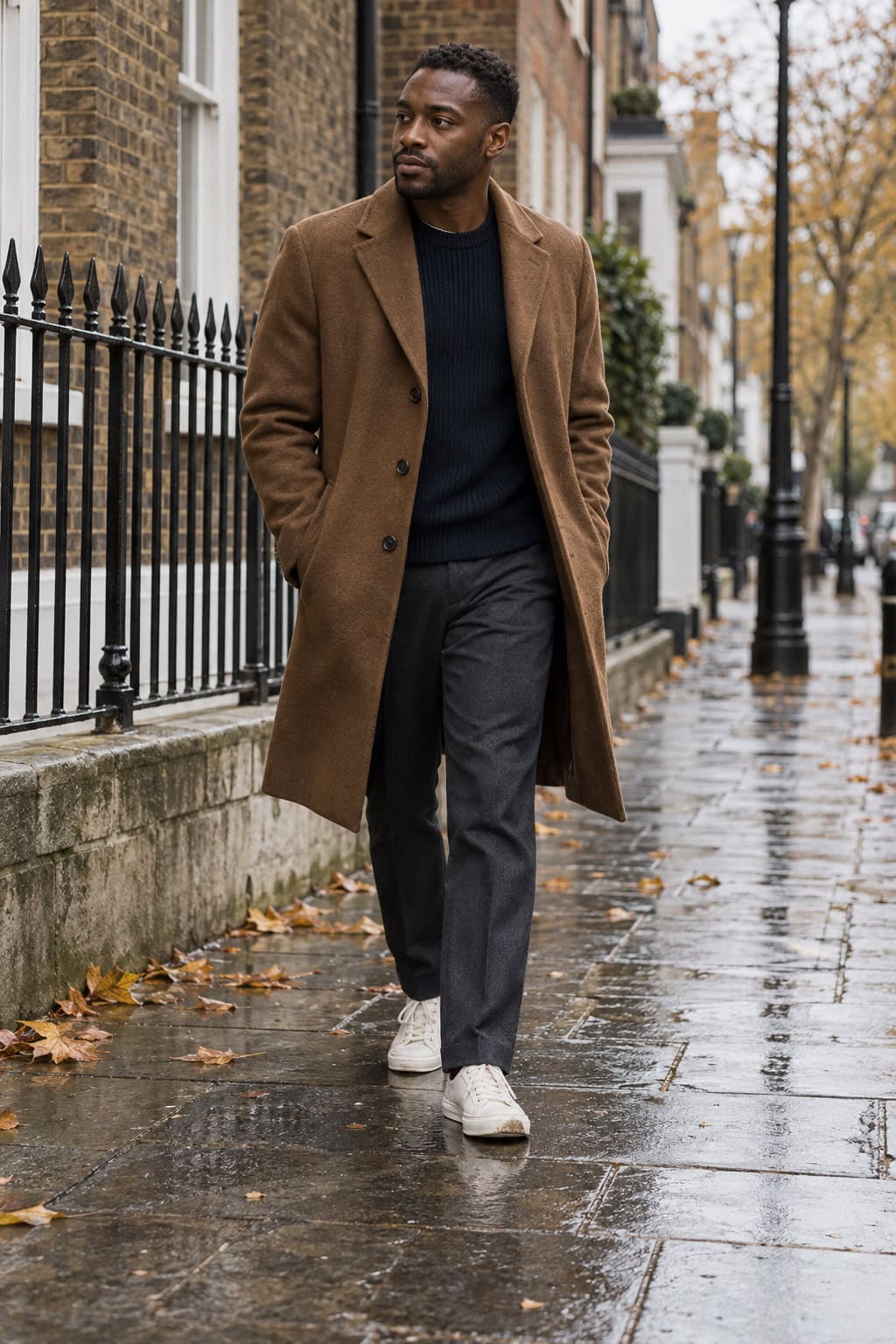
Footwear selection represents another critical vulnerability in the autumnal wardrobe. While men routinely transition their upper-body garments to accommodate cooler temperatures—retrieving stored knitwear and scarves from closets—worn canvas trainers and lightweight summer footwear frequently remain in continuous rotation. This oversight exposes the foot to damp pavements, falling temperatures, and moisture infiltration via thin uppers and worn-out rubber soles, which offer virtually no thermal barrier against cold ground surfaces.
Footwear manufacturers and orthotic specialists emphasize that autumn foot care and weatherproofing are vital for both health and garment longevity. The standard fix involves treating footwear with the same seasonal consideration as outerwear, prioritizing sturdy uppers, deep-tread rubber or commando soles, and weather-resistant finishes. Waterproof sneakers, well-conditioned leather boots, and robust Tyrolean derbies effectively bridge the gap between summer casualness and winter resilience. Furthermore, consumers are advised to recognize that a chunky sole does not inherently equate to waterproofing, and that natural leathers require proactive conditioning and waterproofing treatments to withstand seasonal moisture.
Clonging Onto Unanchored Summer Color Palettes
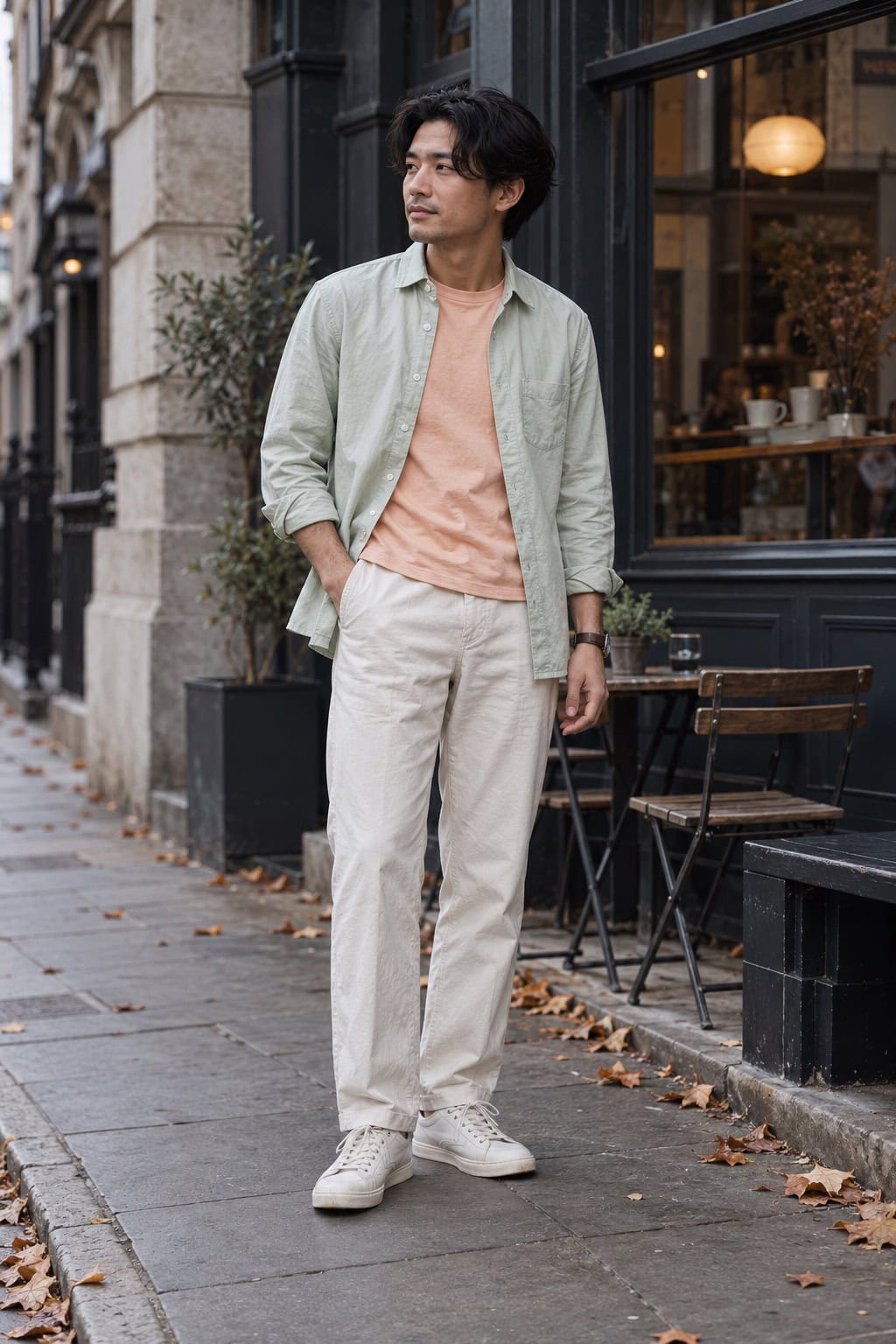
The arrival of September does not necessitate a strict, authoritarian purge of pale colors from a man’s wardrobe; however, carrying a complete, unadjusted summer color palette into the autumn months frequently results in visual dissonance. Pastel shirts, chalk-colored trousers, and vibrant athletic trainers often look jarring against the backdrop of autumn’s heavier textures, lower-angled sunlight, and subdued natural surroundings.
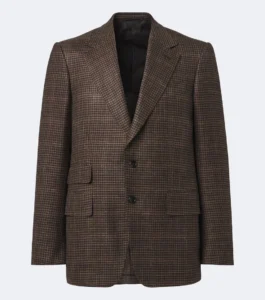
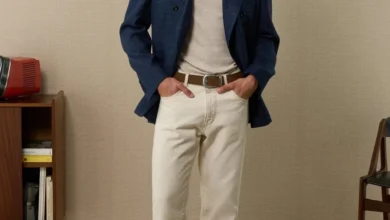
Fashion historians and color theorists note that seasonal palettes evolve to mirror the changing environment. When summer pastels are worn in isolation during October, they disconnect the wearer from the seasonal context. The solution lies in providing lighter shades with an autumnal anchor. Pairing a pale blue summer shirt underneath a rich chocolate-brown jacket, or combining cream-colored trousers with an olive-green wool knit, grounds the brighter hues. Grounding colors such as rust, tobacco, burgundy, moss green, and stone act as versatile bridge tones, enabling men to retain their favorite lightweight garments without creating an aesthetically disjointed or overly busy ensemble.
Thoughtless Layering Without Dimensional Planning
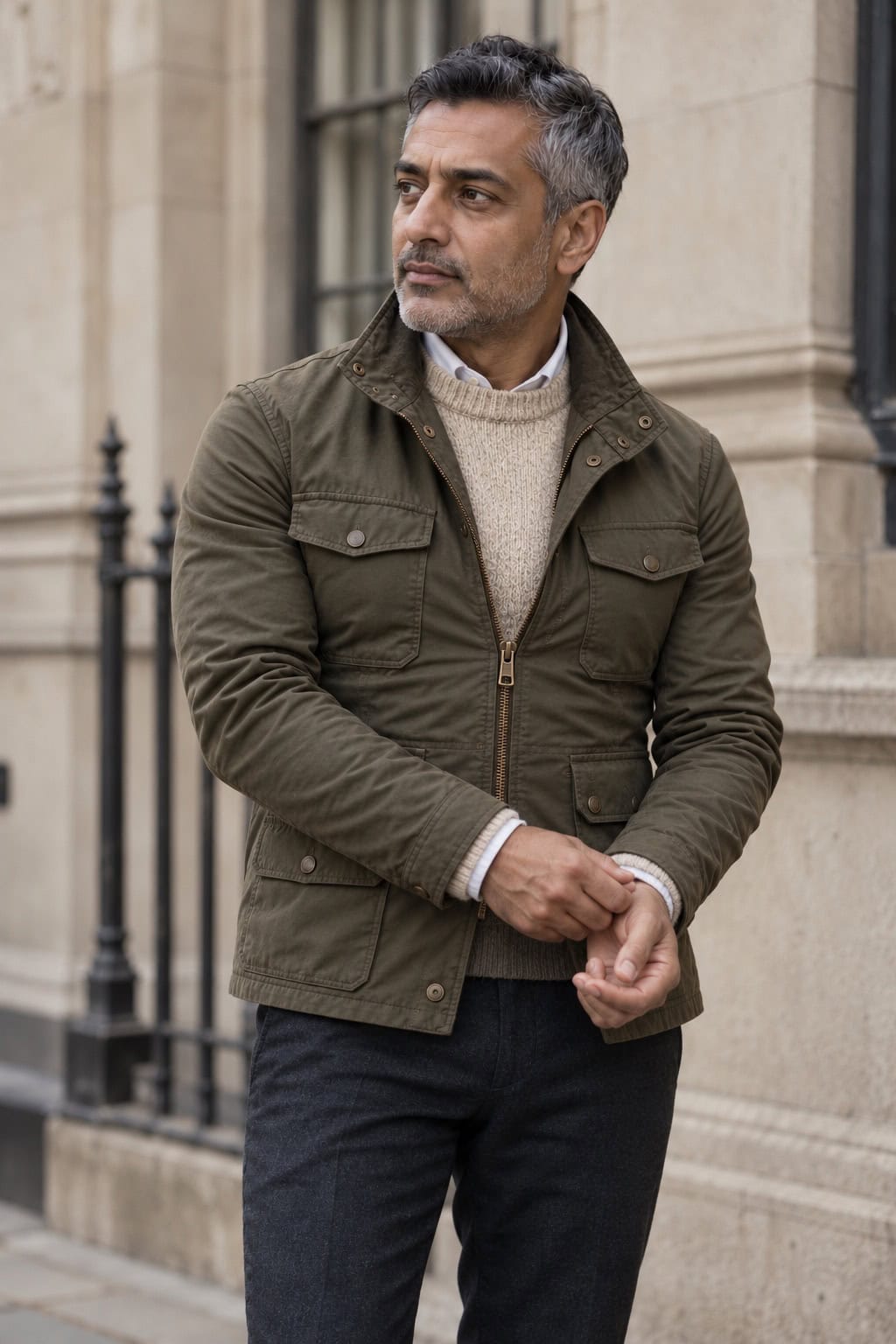
Layering is universally championed as the cornerstone of menswear during the transitional seasons, yet executing it successfully requires structural discipline rather than simply piling garments on top of one another. Thoughtless layering—characterized by bulky sleeves bunching inside narrow armholes, trapped and distorted shirt collars, and outerwear straining over thick, chunky jumpers—indicates that the individual components have not been coordinated for simultaneous wear.
Tailoring experts stress that effective layering must function both as a cohesive unit on the body and as individual outfits when outer layers are removed. The systematic approach begins with a lightweight base, such as a structured T-shirt or breathable cotton shirt, followed by a mid-layer like a fine-gauge knit or a flannel overshirt, topped with a weather-appropriate outer shell. Crucially, men must verify that outer garments possess adequate ease and room through the shoulders and sleeves to accommodate the volume beneath. A reliable test for successful layering is to remove the outer jacket; if the remaining combination looks incomplete or ill-fitting, the underlying configuration requires revision.
Failing to Consult Meteorological Data
Perhaps the most easily avoidable wardrobe error during autumn is the tendency to dress exclusively for the weather outside the bedroom window rather than consulting accurate meteorological forecasts for the entire duration of the day. A cloudless, bright morning in October can project a deceptive sense of warmth, blinding the commuter to impending afternoon drops in temperature, high-velocity winds, or sudden precipitation fronts.
Data from national weather services reveals that autumn is characterized by the highest frequency of rapid diurnal temperature shifts and localized rain events compared to any other season. Consequently, modern menswear advice heavily emphasizes the habit of checking hourly forecasts prior to selecting daily attire. Incorporating a packable waterproof shell or a compact umbrella into a daily carry bag based on predicted afternoon showers is a minor operational habit that prevents prolonged discomfort and damp journeys home.
Underutilizing Seasonal Textures and Fabrics
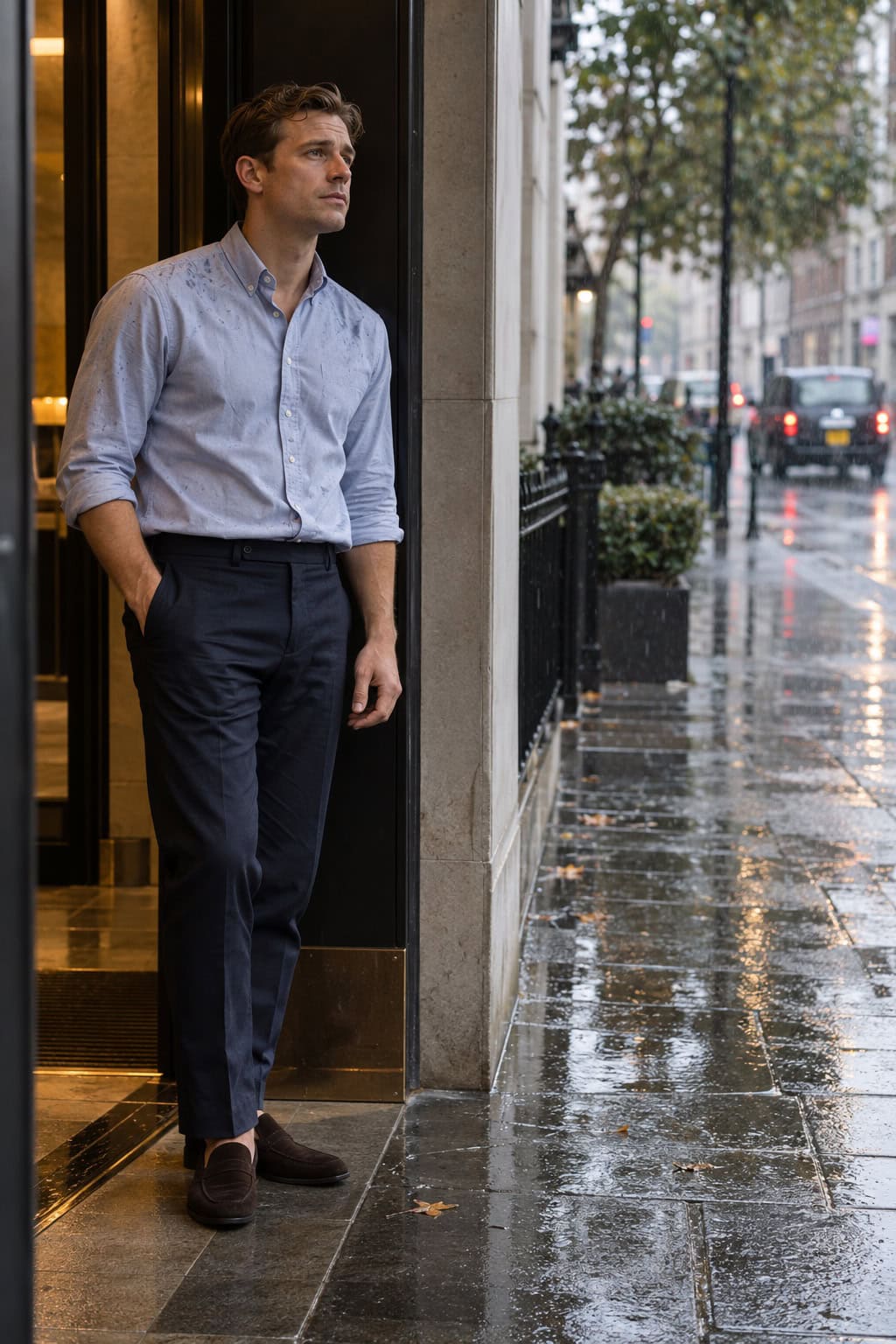
The transition from summer to autumn marks the return of some of the most tactile, visually rich fabrics in the sartorial lexicon. Neglecting these textiles in favor of smooth, flat cottons and fine jersey knits results in flat, uninspired outfits that fail to capture the depth associated with autumnal dressing. Fabrics such as corduroy, brushed flannel, heavy wool, tweed, and suede are specifically engineered to trap warm air while adding visual and tactile dimension to an ensemble.
Retail textile analysts note that consumer interest in textured fabrics spikes annually by over forty percent between August and October. The remedy for flat dressing is the deliberate introduction of one or two contrasting textures within a single outfit. Pairing corduroy trousers beneath a heavy wool overshirt, wearing washed denim alongside a brushed mohair knit, or layering a butter-soft suede jacket over a fine merino wool jumper elevates familiar silhouettes through textural interplay. By keeping the color palette relatively restrained while experimenting with fabric weights, men can modernize their cold-weather wardrobe without relying on excessive visual noise.
Misunderstanding Technical Terminology of Waterproof Outerwear
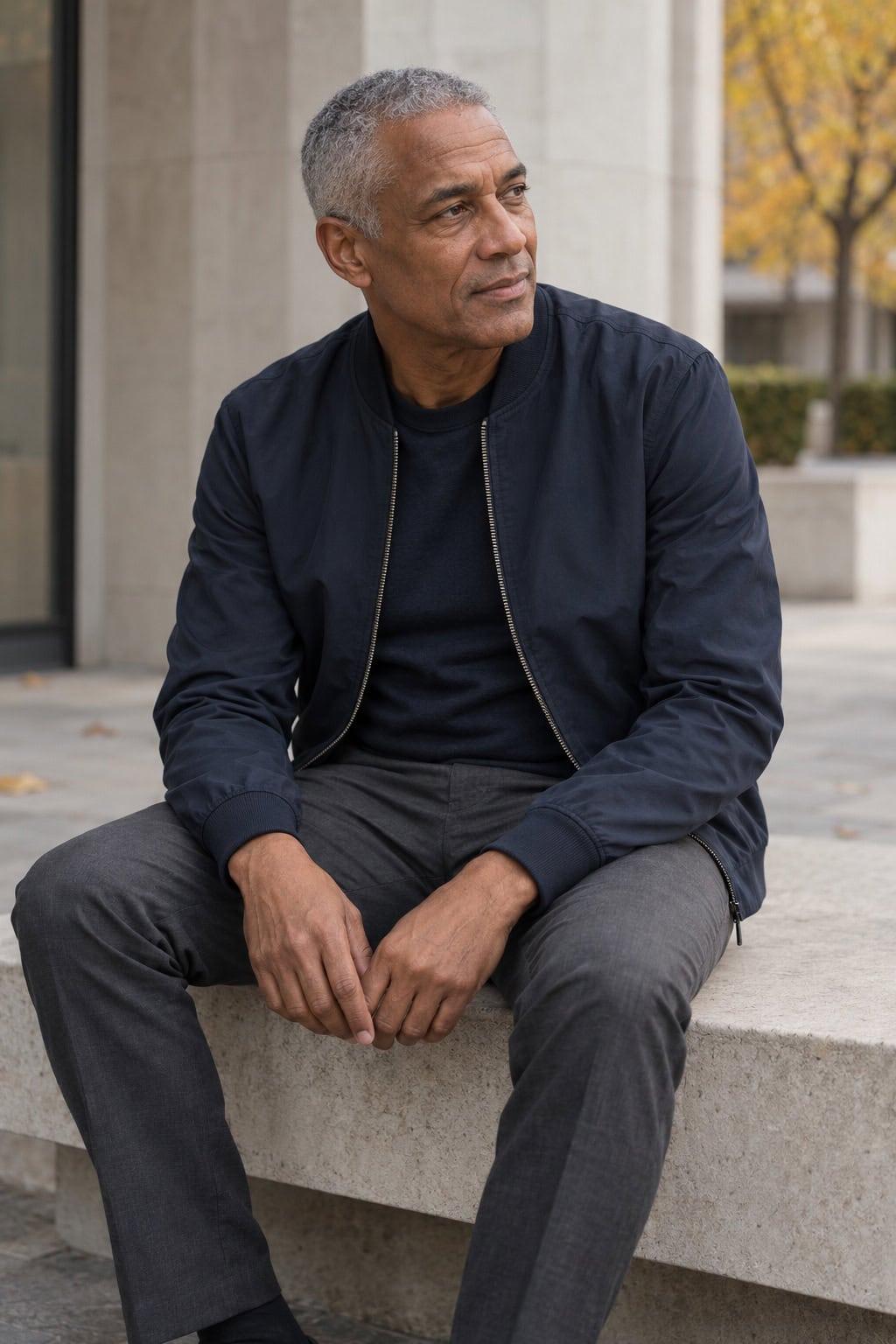
A persistent point of confusion for consumers shopping for autumn outerwear is the interchangeable use of industry terminology regarding moisture protection. Terms such as "water-resistant," "water-repellent," and "waterproof" denote distinct levels of engineering and performance, and a garment that merely repels light moisture will inevitably fail during a sustained autumnal downpour.
Consumer protection agencies and outdoor apparel manufacturers frequently highlight the consumer frustration arising from mislabeled or misunderstood weatherproofing technologies. A water-resistant jacket may suffice for a brief, five-minute drizzle, but prolonged exposure to heavy rain requires true waterproof construction, which includes fully taped seams, storm flaps over closures, and high-performance breathable membranes such as GORE-TEX. Furthermore, consumers must understand that Durable Water Repellent (DWR) finishes applied to outer fabrics only cause water droplets to bead and roll off; they do not render a non-membrane fabric permanently waterproof, and these chemical coatings naturally degrade over time through regular wear and washing. Maintaining the performance of technical outerwear requires strict adherence to manufacturer care guidelines, ensuring that outer shells are periodically cleaned and retreated to prevent them from wetting out and transferring cold, clammy moisture to the wearer.