Ricca Sposa 2027 Bridal Couture Collection L’Art de la Dentelle Redefines Modern Elegance


The global bridal fashion industry is currently witnessing a significant shift toward structural sophistication and artisanal mastery, a trend anchored by the latest unveiling from Ricca Sposa. With the launch of its 2027 couture collection, titled L’Art de la Dentelle, the brand has solidified its reputation for marrying traditional European craftsmanship with the demands of the contemporary bride. The collection, which comprises 17 meticulously constructed wedding gowns, serves as a testament to the enduring influence of Parisian-inspired design, emphasizing architectural silhouettes, intricate lace applications, and a renewed focus on individual expression.

The Genesis of L’Art de la Dentelle
The creative process behind the 2027 collection was rooted in the historic atmosphere of a Parisian atelier. According to representatives from Ricca Sposa, the conceptual development was driven by a desire to honor the "timeworn" spaces where couture traditions have been preserved for decades. The brand sought to treat lace not merely as a decorative overlay, but as a primary structural element. By integrating lace into the very foundation of the garment’s form, the design team has moved beyond conventional bridal aesthetics to create pieces that function as both fashion and engineering.

This collection arrives at a pivotal time for the high-end bridal market. As post-pandemic wedding trends continue to evolve, there is a clear demand for "quiet luxury"—an aesthetic characterized by high-quality materials and impeccable tailoring rather than overt, flashy ornamentation. Ricca Sposa’s latest offering aligns with this shift, providing brides with options that feel both timeless and avant-garde.

A Chronology of Artistic Refinement
The journey to the L’Art de la Dentelle collection began in mid-2026, with an intensive research phase focused on historical lace-making techniques. Throughout the latter half of 2026, the design house engaged in a series of collaborative sessions to determine how these techniques could be updated for 2027.

- Phase 1: Conceptualization (July 2026): Designers identified the core theme of "the dialogue between heritage and contemporary form," setting the stage for the architectural exploration of the upcoming season.
- Phase 2: Material Sourcing (August–September 2026): The brand sourced specialized laces from traditional European mills, prioritizing textures that would maintain structural integrity when applied to complex bodices.
- Phase 3: Prototyping (October–December 2026): The 17 signature gowns were developed through multiple fittings, ensuring the fit-and-flare and sheath silhouettes achieved a precise, flattering contour.
- Phase 4: Finalization and Editorial Launch (July 2027): The collection was formally cataloged and presented to global retailers, marking the official start of the 2027 couture cycle.
Structural Innovation and Design Highlights
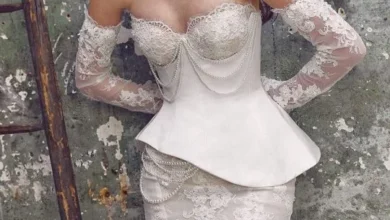
The 2027 collection is characterized by several recurring design motifs that distinguish it from previous Ricca Sposa releases. Most notable is the widespread use of the peplum bodice, a silhouette that adds volume at the waist while maintaining a sharp, structured appearance. This detail, often paired with a strapless sweetheart neckline, creates a classic hourglass shape that remains a hallmark of high-fashion bridal wear.

The collection also introduces a versatile range of accessories, including detached sleeves and gloves. This modular approach to bridal fashion allows for a transition in style—a bride might opt for a formal, covered look during a religious ceremony and shift to a more minimalist, sleeveless aesthetic for the reception. By providing these options, Ricca Sposa acknowledges the modern bride’s desire for functionality alongside high-fashion flair.

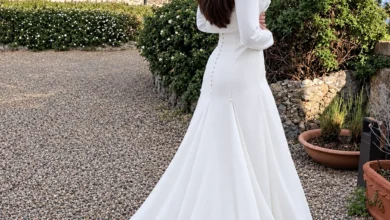
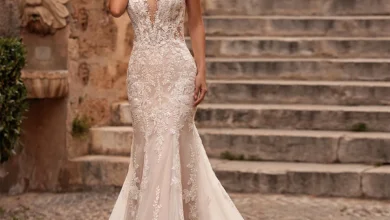
Furthermore, the integration of illusion bodices and scalloped necklines showcases the brand’s technical proficiency. The "fit-and-flare" mermaid silhouettes are balanced by a series of A-line ball gowns that utilize the same sophisticated lace detailing, ensuring that the collection appeals to a wide range of aesthetic preferences while maintaining a cohesive brand identity.

Market Context and Industry Implications
The bridal couture sector is currently undergoing a period of robust growth, with market analysts projecting an increase in demand for premium, custom-fit garments as consumers move away from mass-produced retail options. Ricca Sposa’s decision to limit its 2027 collection to 17 unique pieces is a strategic move that enhances exclusivity. In the luxury market, scarcity often functions as a value driver, and by focusing on a curated selection, the brand maintains its artisanal positioning.

Industry experts note that the focus on "hand-finished detailing" is a crucial differentiator in an increasingly digital world. As online shopping continues to dominate, the ability for a brand to market the "human touch"—the hours of labor, the heritage of the lace, and the precision of the construction—is essential for retaining client loyalty at the couture level. The L’Art de la Dentelle collection successfully bridges the gap between the tactile experience of a physical atelier and the digital reach required to maintain a global presence.

The Role of Craftsmanship in Modern Bridal
The emphasis on lace as a structural component highlights a broader trend in bridal couture: the return to foundational dressmaking. In recent years, many brands focused heavily on minimalism and crepe fabrics. Ricca Sposa’s pivot back to intricate lace, used in a way that respects its historical weight while applying it to modern, edgy cuts like slit skirts and floor-sweeping capes, suggests a return to romantic maximalism.

This evolution is not just an aesthetic choice but a technical one. Creating a gown that features a corset bodice with a sheer illusion overlay requires a high level of skill. The durability of the lace and the precision of the seamwork must be perfect to ensure the garment holds its shape throughout the duration of a wedding day. By showcasing these technical challenges in their campaign imagery, Ricca Sposa effectively demonstrates the value proposition to their clientele.

Future Outlook for the Brand
As the 2027 bridal season progresses, the L’Art de la Dentelle collection is expected to influence upcoming bridal trends, particularly in the use of detached accessories and basque waists. These elements have already begun to appear on runways in major fashion capitals, and their inclusion in a comprehensive couture collection signals their permanence in the market for at least the next two years.

For potential brides and retailers, the collection serves as a benchmark for quality. Ricca Sposa has maintained a policy of transparency regarding the artistry behind their work, a move that is increasingly demanded by the modern consumer. While the brand does not sell directly to the consumer, its partnerships with high-end boutiques ensure that the "couture experience"—from measurement to final fitting—remains the standard for those seeking these garments.

Conclusion
The 2027 collection from Ricca Sposa is more than a seasonal update; it is a declaration of the brand’s commitment to the art of bridal couture. By exploring the possibilities of lace, embracing architectural silhouettes, and focusing on the needs of the individual, the design house has created a collection that honors the past while catering to the future. As the industry continues to value craftsmanship and personal narrative, L’Art de la Dentelle stands as a significant contribution to the evolution of bridal fashion. The collection’s ability to remain both understated and statement-making ensures its relevance in a market that demands excellence, individuality, and a touch of the timeless.