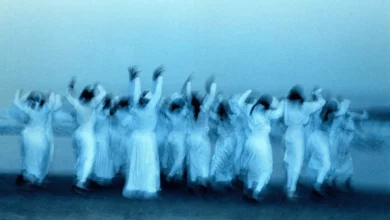
Studio Valentin Loellmann and Undercover Announce Their First Collaboration

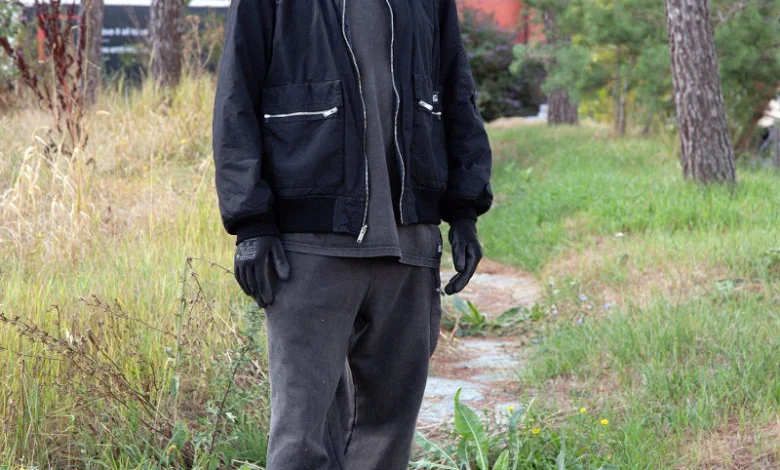
In a significant intersection of high-concept fashion and artisanal craft, the Maastricht-based Studio Valentin Loellmann and the iconic Japanese label Undercover have officially unveiled their inaugural collaborative project. This partnership marks a departure from traditional fashion runway collaborations, focusing instead on the functional requirements of the creative process. The resulting workwear uniform is a testament to the symbiotic relationship between German designer Valentin Loellmann’s sculptural furniture practice and the avant-garde sensibilities of Undercover’s founder, Jun Takahashi.
The collaboration, which debuted in late 2026, serves as a bridge between the physical rigor of a furniture studio and the refined aesthetic language that has defined Undercover since its inception in 1993. By centering the collection on the practical needs of the artisans working within Loellmann’s workshop, the project elevates the status of the "everyday uniform," blending industrial durability with high-fashion tailoring.
A Chronology of Collaboration
The genesis of this partnership traces back to March 2025, when Jun Takahashi, seeking to deepen his connection to the world of contemporary design, visited Loellmann’s workshop in Maastricht. The Netherlands-based studio has long been recognized for its unique approach to furniture and interiors, where pieces are meticulously crafted by a close-knit team of assistants under Loellmann’s direction.
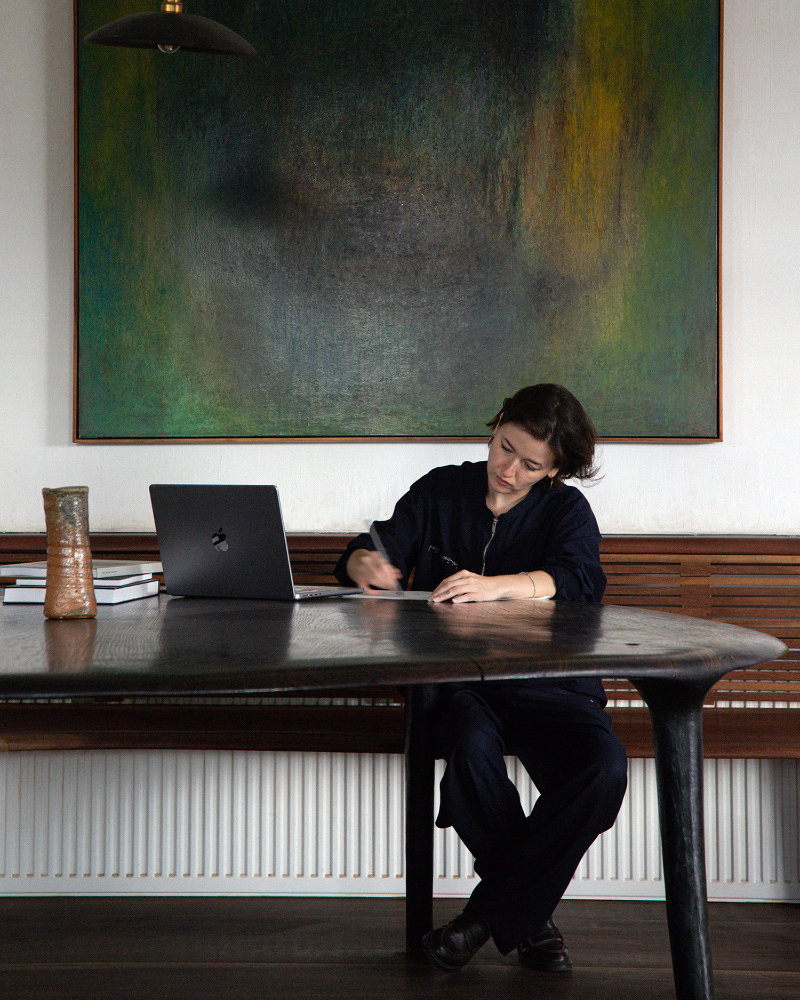
The professional dialogue between the two designers quickly evolved from a mutual appreciation of aesthetics to a shared investigation of materiality. Over several months of iterative design meetings, Takahashi and Loellmann scrutinized the functional demands of the studio environment. They analyzed the specific fabric textures required to withstand the friction of wood-working, the ergonomic necessity of pockets for specialized tools, and the silhouette required for fluid movement across the workshop floor.
This relationship was further cemented in March 2026, when Undercover relocated and redesigned its flagship store in Repulse Bay, Hong Kong. As part of the store’s interior curation, several bespoke furniture pieces by Studio Valentin Loellmann were integrated into the retail space, signaling a blurring of the lines between the artist’s workshop and the luxury fashion environment.
Engineering the Artisanal Uniform
The collaboration is not merely an aesthetic exercise; it represents a functional study of the "artisan’s wardrobe." The garments are designed to meet the rigorous demands of manual labor while maintaining the distinct, dark-romantic, and often subversive visual language that Undercover is known for globally.
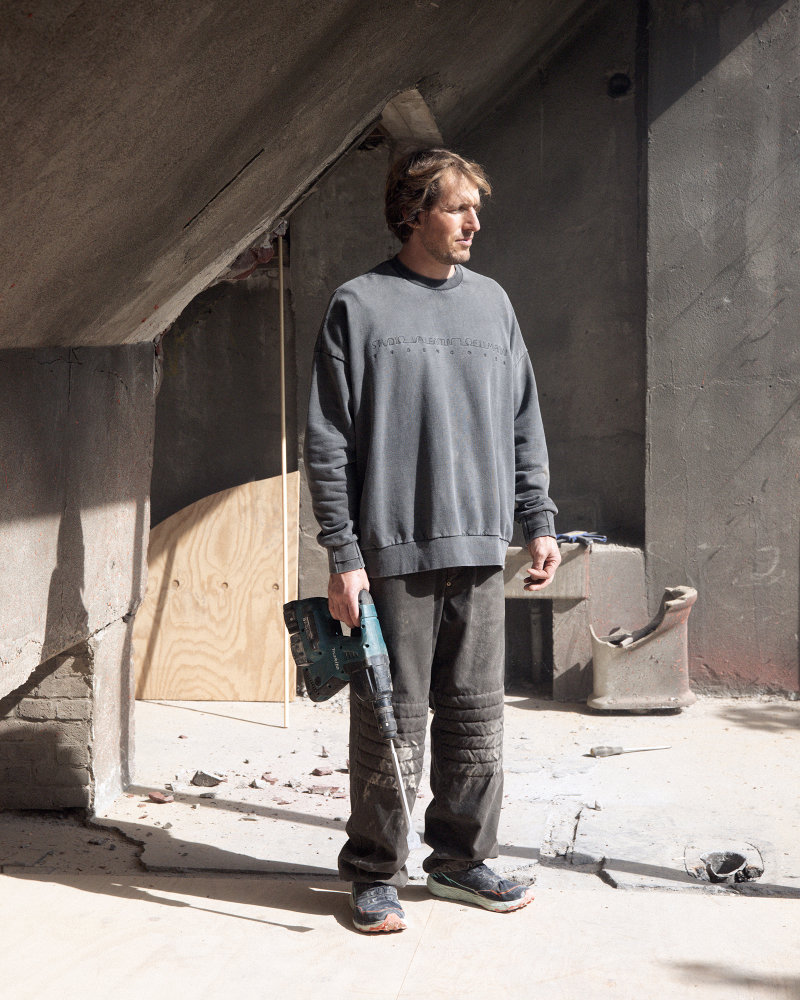
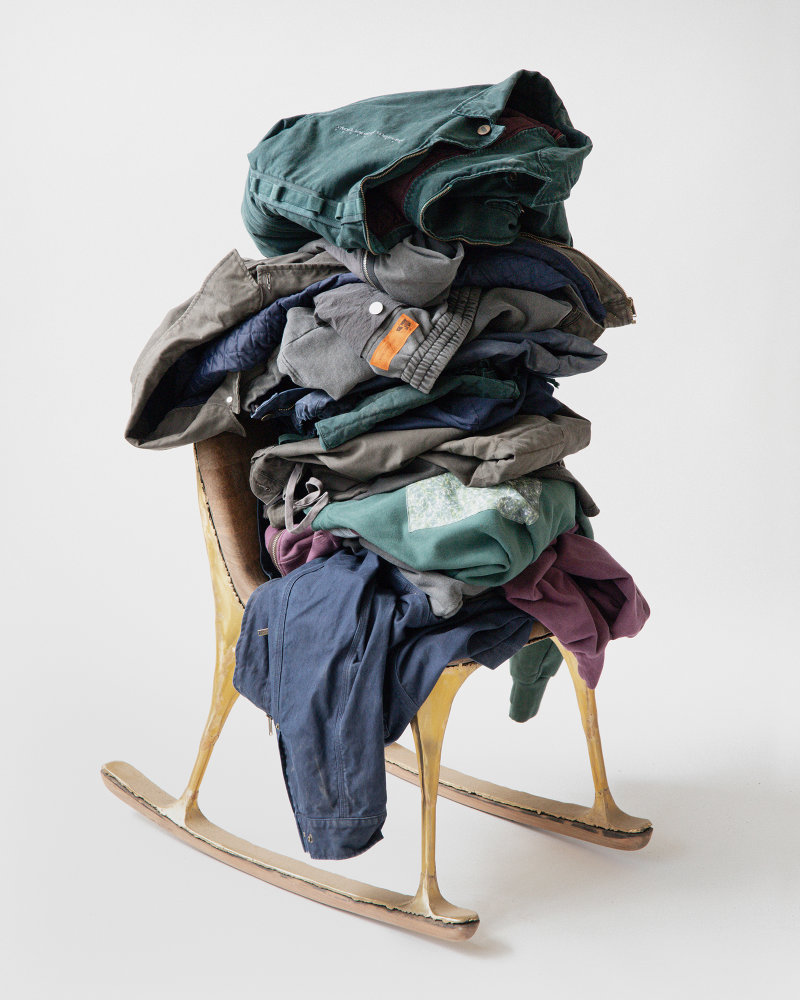
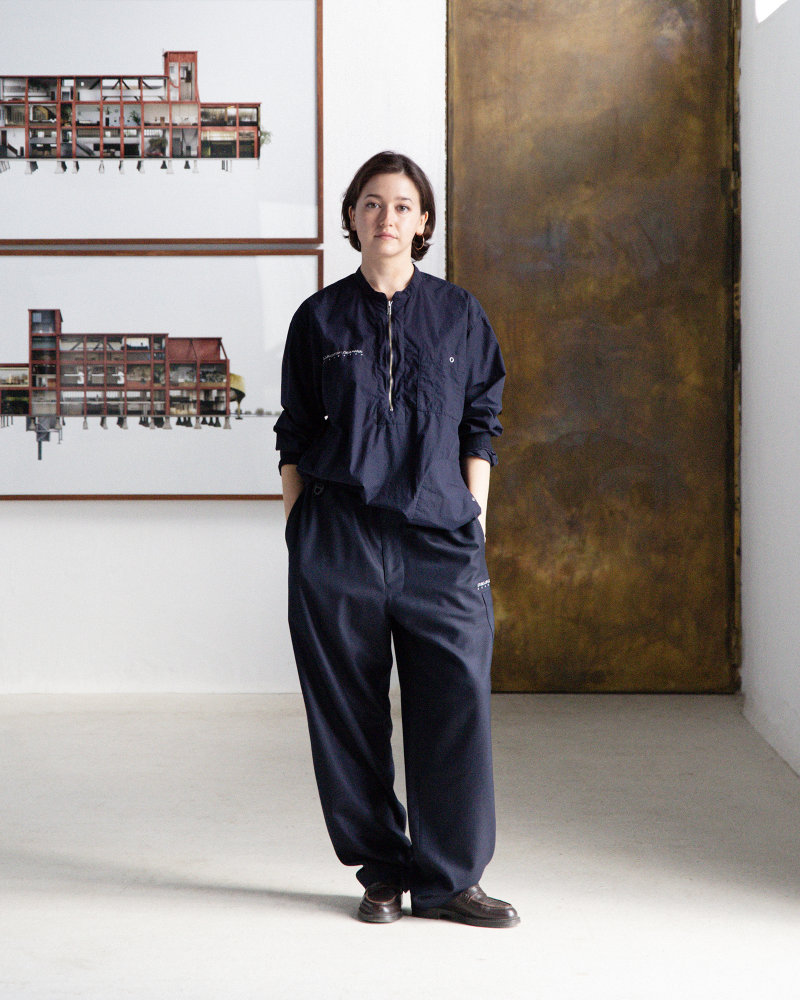
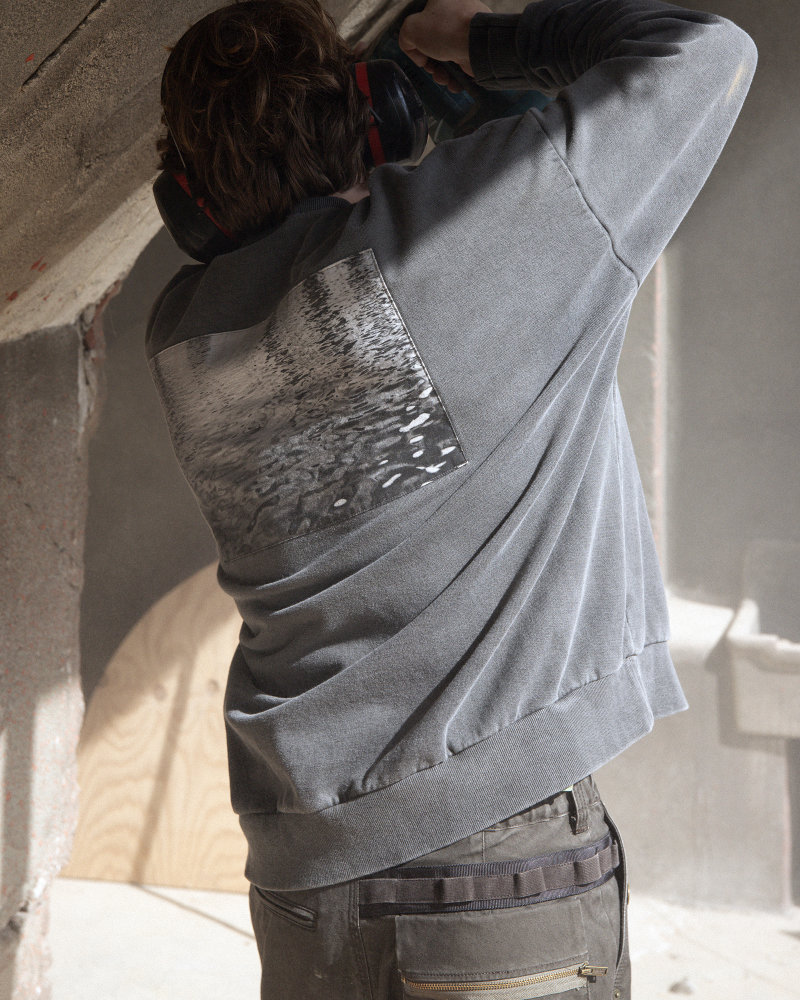
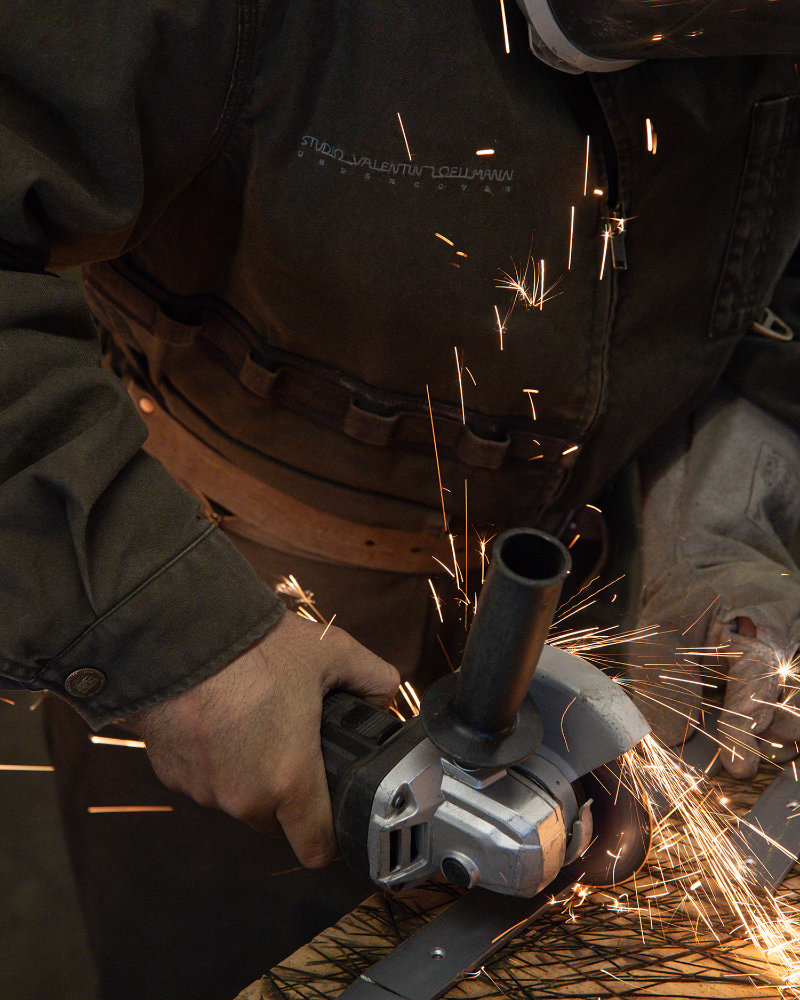
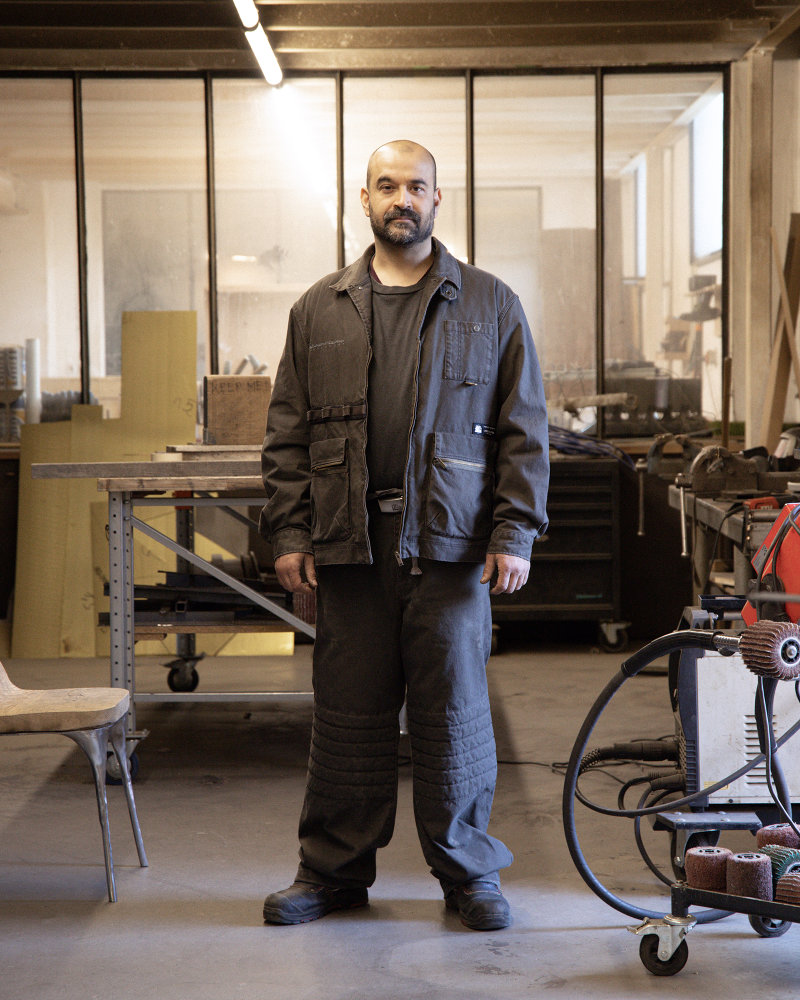
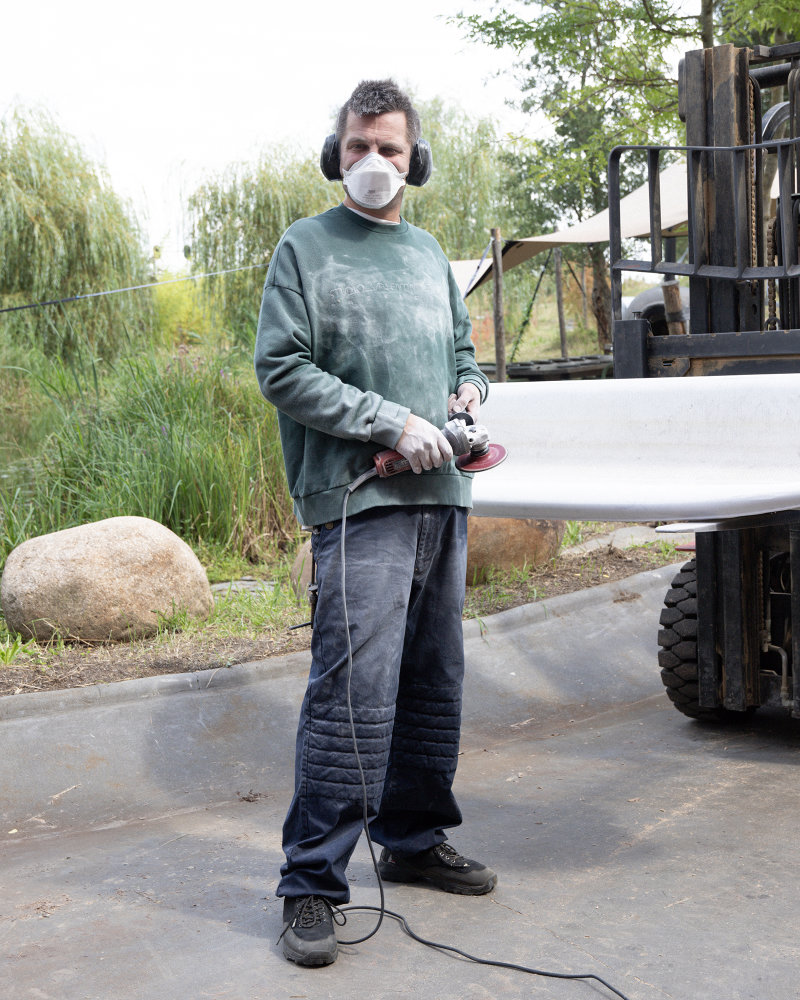
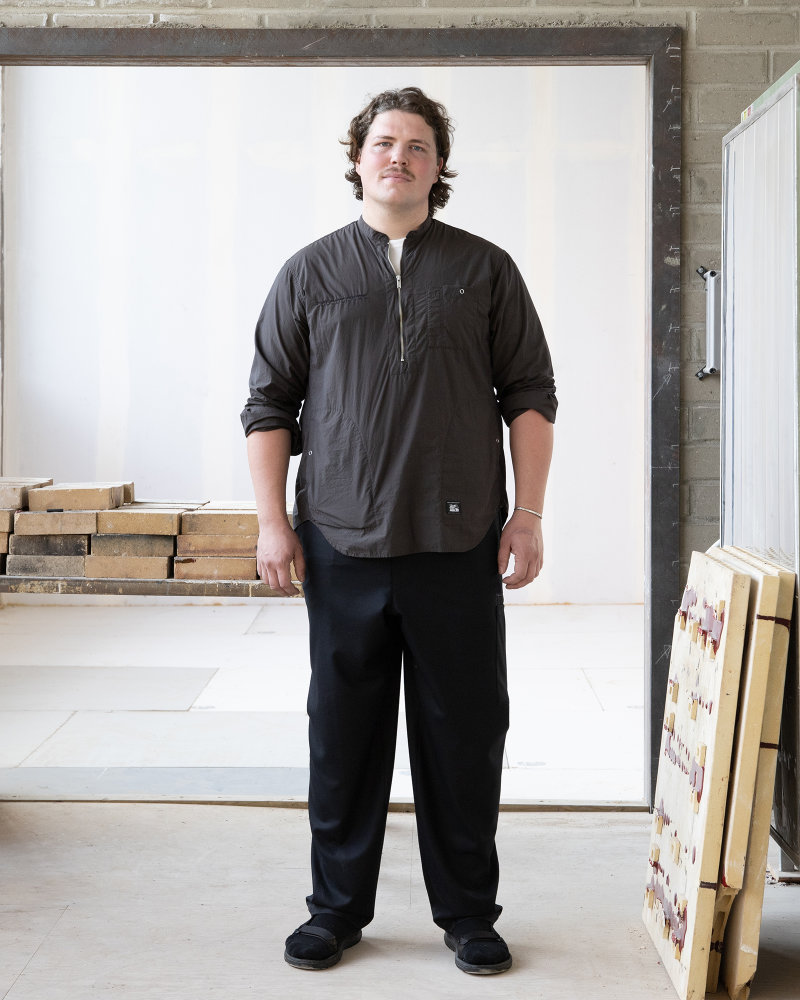
Key pieces within the collection—including heavy-duty jackets, reinforced trousers, and utilitarian knitwear—were developed with a focus on longevity and utility. The design process involved a deep dive into the practical realities of the workshop: the necessity of high-tensile fabrics to resist tearing, the strategic placement of seams to accommodate repetitive motion, and the integration of pockets tailored to hold specific studio equipment.
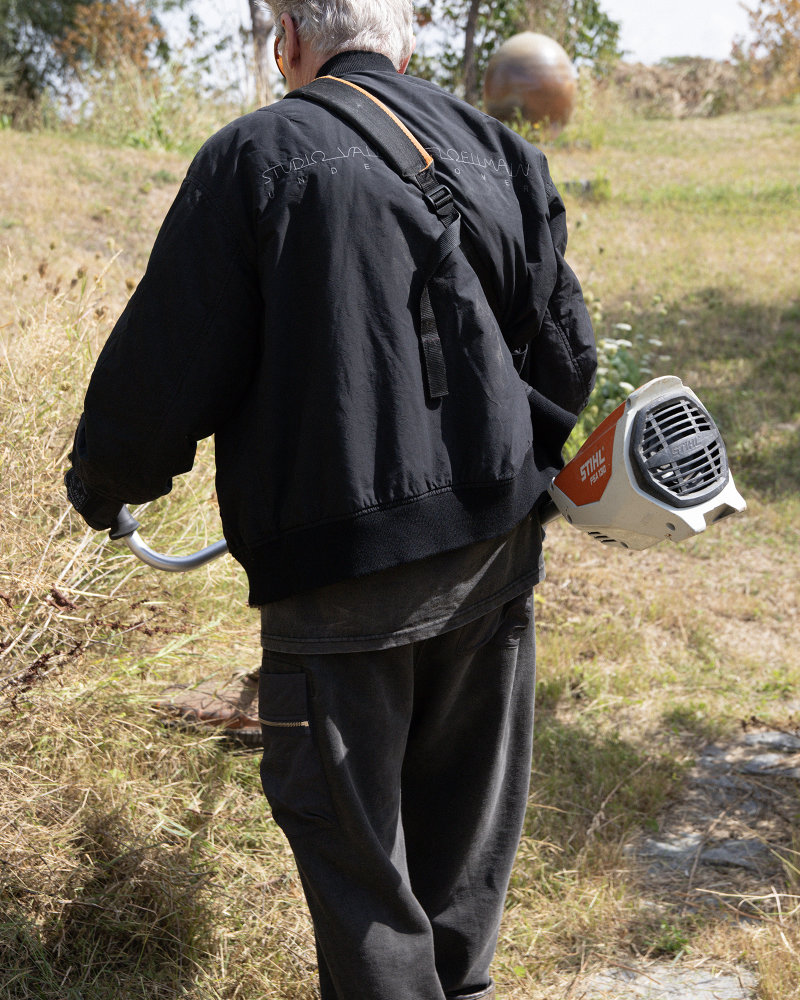
According to design notes released alongside the collection, the collaboration seeks to answer a fundamental question: How can a uniform retain the identity of a creative individual while fostering a collective sense of purpose within a team? By outfitting the entirety of Loellmann’s workshop team, the collaboration transforms the studio itself into a canvas, where the employees serve as the primary ambassadors of the design philosophy.
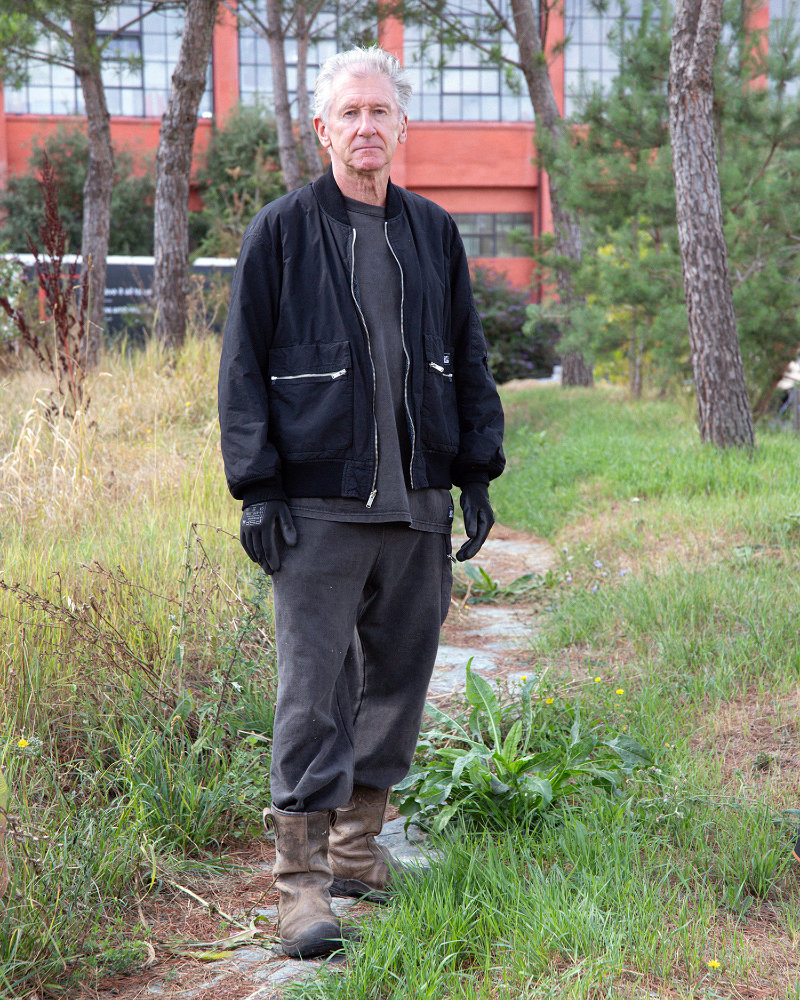
Campaign Visuals and Artistic Direction
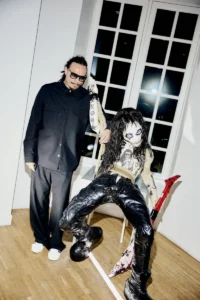
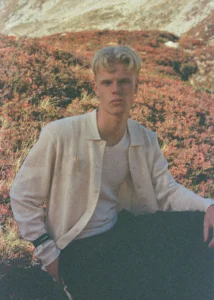
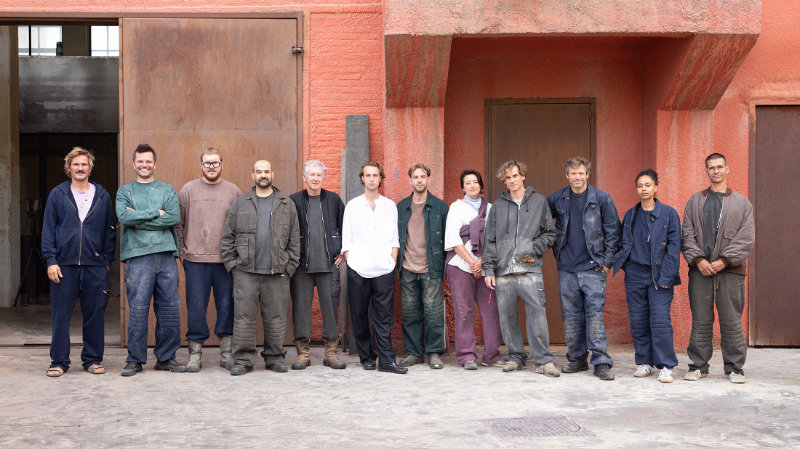
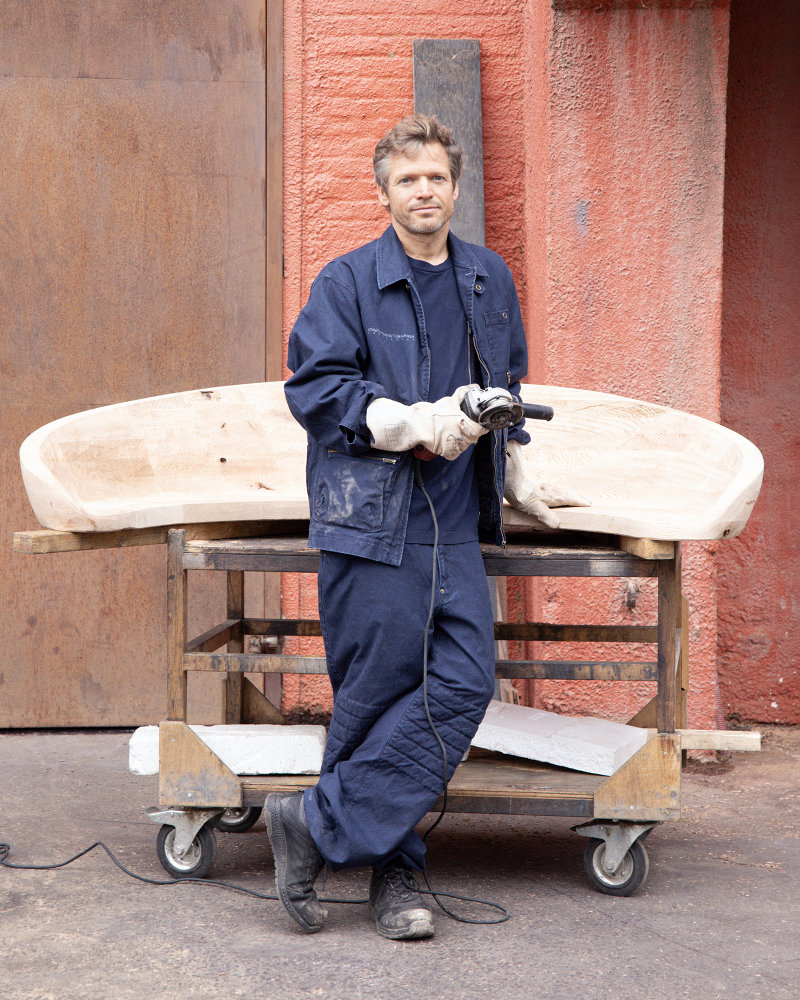
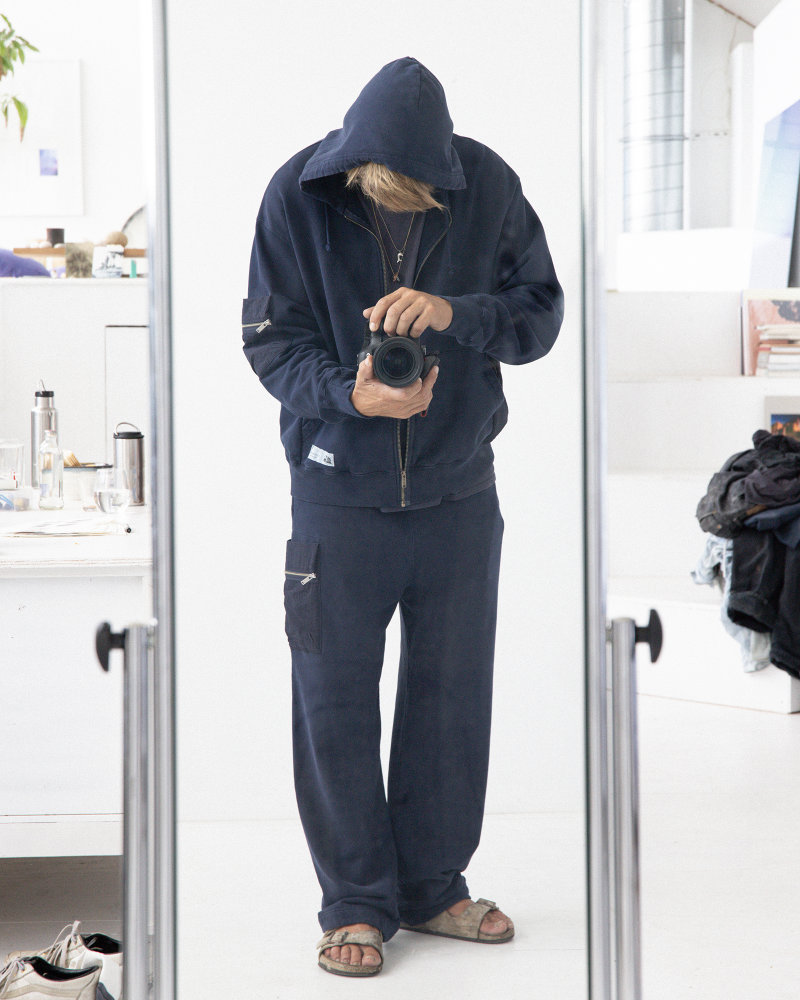
To document the collection, the production team returned to the source of inspiration: the Maastricht workshop. Rather than utilizing traditional models, the campaign features Valentin Loellmann and his actual team of assistants, captured in their natural element.
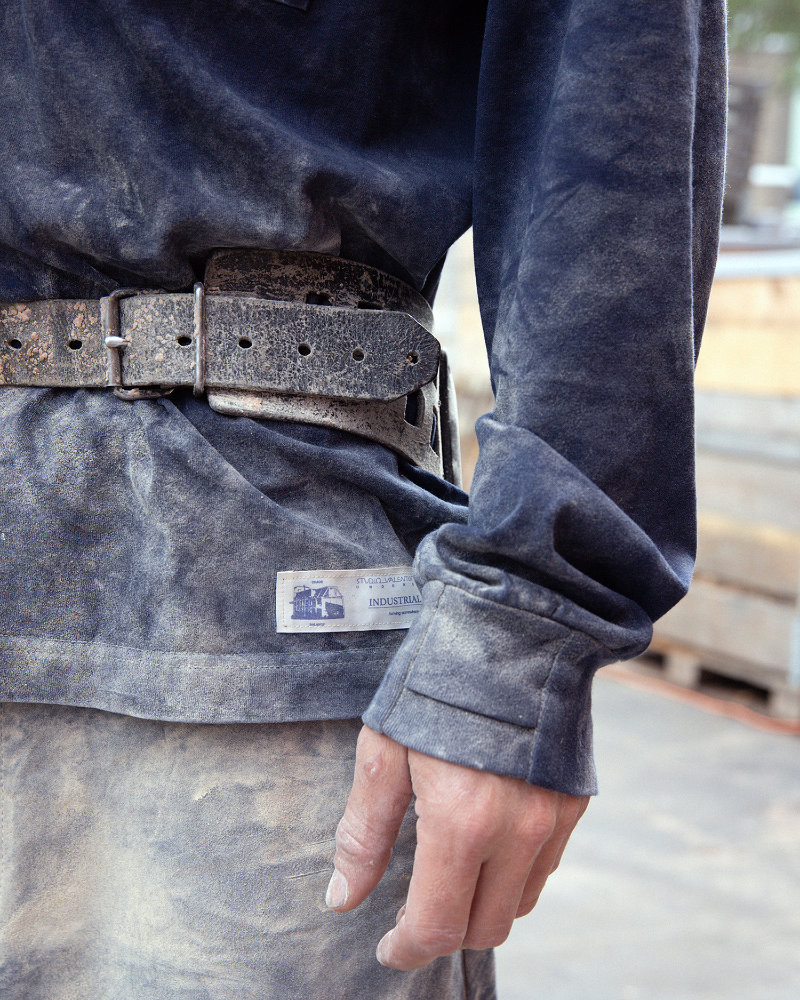
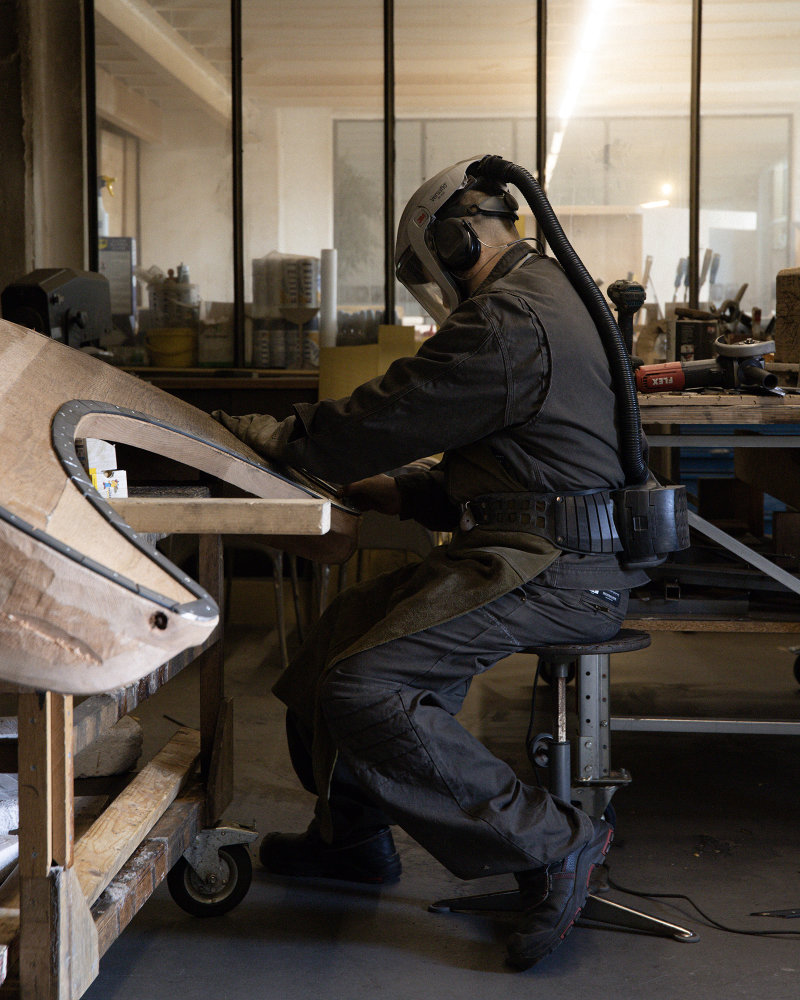
The visual direction was spearheaded by stylist Tsuyoshi Nimura, who opted for a stark, documentary-style approach. By photographing the artisans while they were actively engaged at their respective stations—sanding, measuring, and assembling furniture—the imagery reinforces the authenticity of the garments. The photography was handled by Jonas Loellmann, the designer’s brother, whose intimate familiarity with the studio space allowed for a visual narrative that emphasizes the humanity behind the craft.
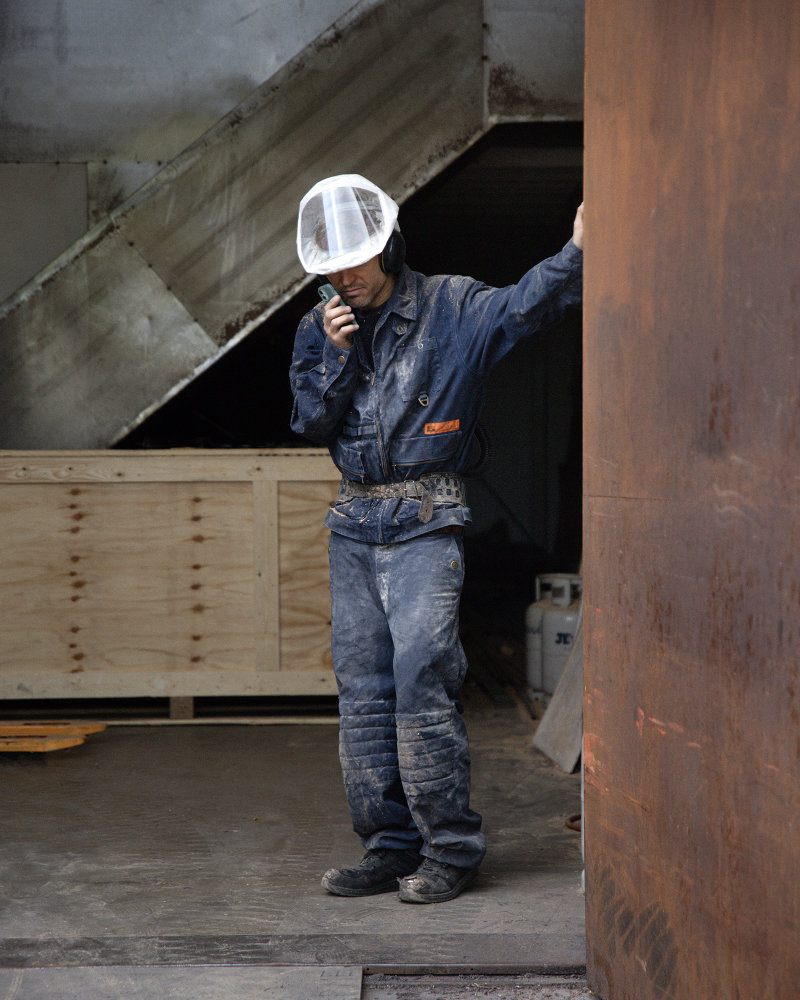
The campaign imagery stands in contrast to the polished, often high-contrast marketing materials typically associated with global fashion houses. Instead, it offers a window into a quiet, focused world, where the dust of the workshop and the precision of the design meet.
The Broader Impact on Luxury and Workwear
The collaboration arrives at a moment when the fashion industry is increasingly pivoting toward "quiet luxury" and the glorification of heritage craft. By aligning with a furniture designer, Undercover demonstrates an evolving strategy that looks beyond the traditional retail cycle, tapping into the lifestyle and creative processes of artists.
Analysts have noted that this trend of "work-adjacent" fashion—clothing designed for specific, highly skilled labor—is gaining traction among luxury consumers. It offers a form of authenticity that is difficult to manufacture through marketing alone. For Undercover, the collaboration provides a tangible narrative of utility and expertise, further distancing the brand from ephemeral trends and rooting it in the tangible reality of production.
Furthermore, the integration of Loellmann’s furniture into Undercover’s Hong Kong retail space underscores the growing importance of "experiential retail." Brands are no longer simply selling products; they are selling the environment in which those products are created and consumed. This holistic approach, where the store, the furniture, and the staff uniform exist in a single design ecosystem, creates a more immersive experience for the consumer.
Future Implications
The success of this project suggests that we may see further cross-pollination between high-fashion labels and independent design studios. As consumers become more discerning about the origins of their goods, the "maker" narrative—the story of who made the product, where it was made, and the tools used in its creation—is becoming as valuable as the brand name itself.
While the current collection is primarily focused on the specific needs of the Studio Valentin Loellmann team, the design language established by this collaboration could potentially influence future seasonal collections for Undercover. The focus on durability, modularity, and ergonomic construction provides a rich foundation for broader applications in luxury menswear and streetwear.
In the case of Studio Valentin Loellmann, this partnership elevates the brand’s profile in the fashion sector, potentially opening doors for future collaborations in interior design and lifestyle products. The bridge between the workshop and the runway has been successfully established, proving that the most compelling fashion stories are often found not on a stage, but in the places where work is done, materials are shaped, and ideas are transformed into reality.
As the industry continues to navigate the complexities of production and sustainability, collaborations like this serve as a model for how fashion can return to its roots—valuing the craftsman, the utility of the garment, and the narrative of the creator. By focusing on the "work" in workwear, Undercover and Studio Valentin Loellmann have created a collection that is as functional as it is conceptually significant, marking a new chapter for both institutions as they continue to define their respective landscapes in design.
Related posts: