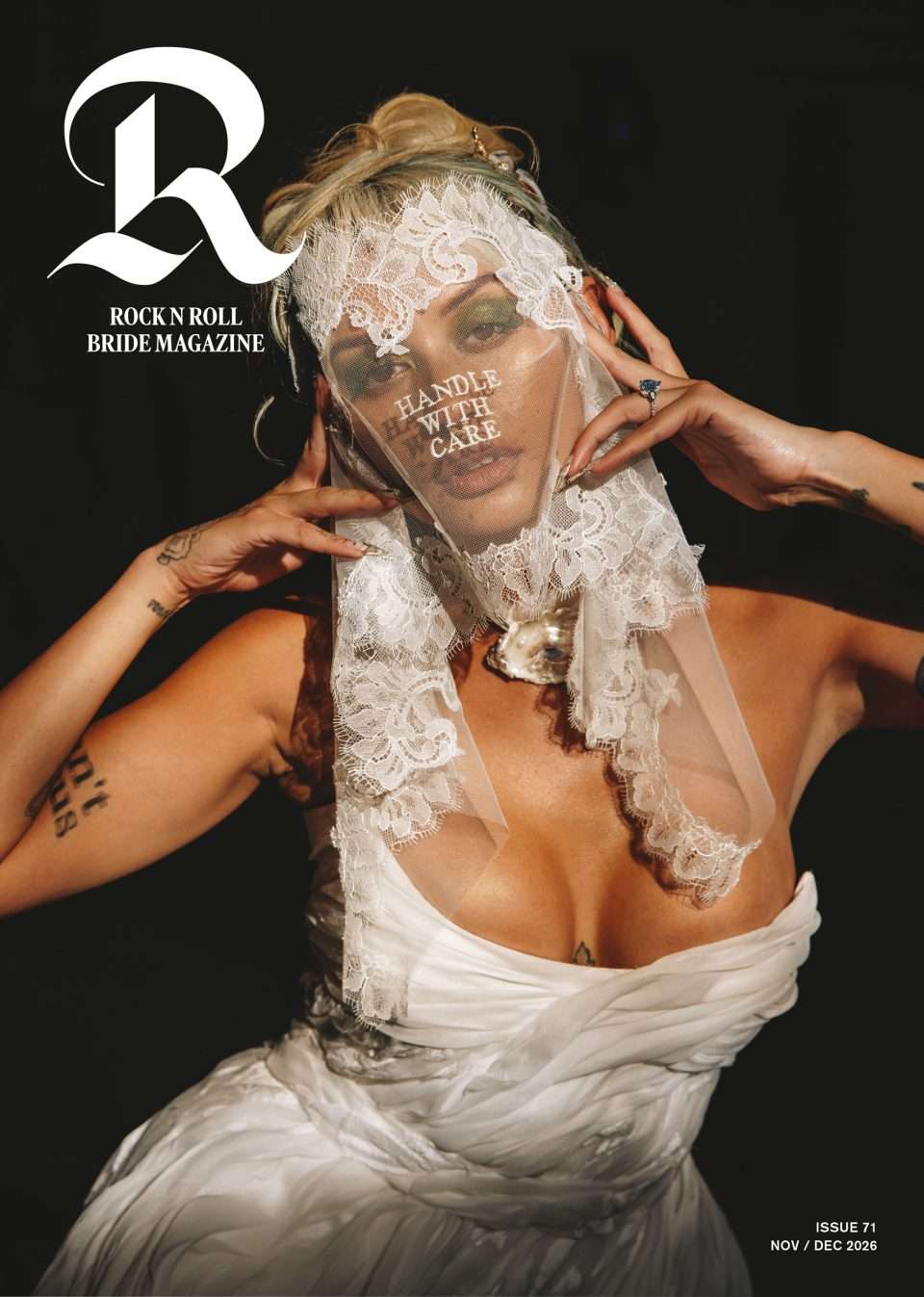
Rock n Roll Bride Magazine Issue 71 Challenges Conventional Wedding Industry Standards Through Avant-Garde Editorial Vision

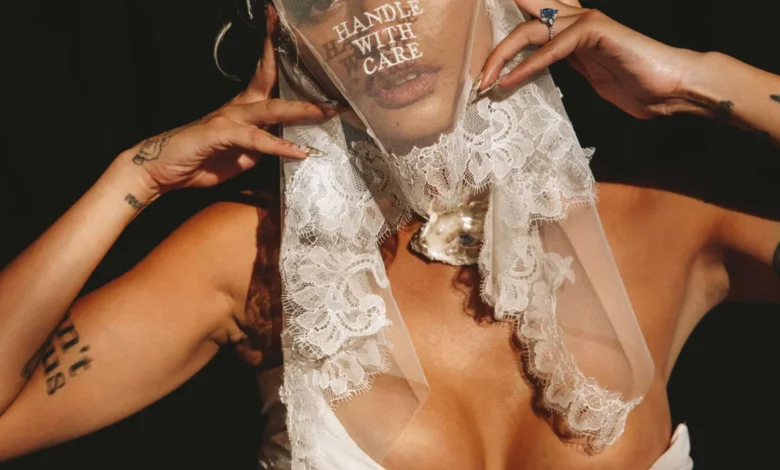
The wedding industry, a sector valued globally in the hundreds of billions of dollars, has long relied on a standardized set of rituals and aesthetic norms. However, the latest installment of Rock n Roll Bride magazine, Issue 71, aims to disrupt this cycle by posing a fundamental question: what would a wedding ceremony look like if it were conceptualized without the influence of pre-existing societal traditions? This latest edition serves as both a critique of the traditional "wedding formula" and a creative manifesto for couples seeking to redefine the parameters of their nuptial celebrations.
The Evolution of the Non-Traditional Wedding Market
Historically, the wedding industry has been governed by rigid timelines and expectations: the preparation phase, the ceremony, the exchange of vows, the reception, and the concluding formalities. Data from recent market research suggests a growing shift in consumer behavior, with a statistically significant demographic of couples opting for "micro-weddings" or highly personalized, non-traditional events. This movement away from the "standardized" ceremony is supported by the rise of independent wedding media, which provides an alternative to the high-gloss, homogenous imagery often seen in mainstream bridal publications.
Rock n Roll Bride, which has established itself as a niche leader in this sector, launched its 71st issue to address this specific desire for authenticity. By focusing on "avant-garde bridal fashion" and unconventional storytelling, the publication is positioning itself at the forefront of a cultural transition where personal identity takes precedence over industry-standard aesthetic trends.

Editorial Strategy and Creative Direction
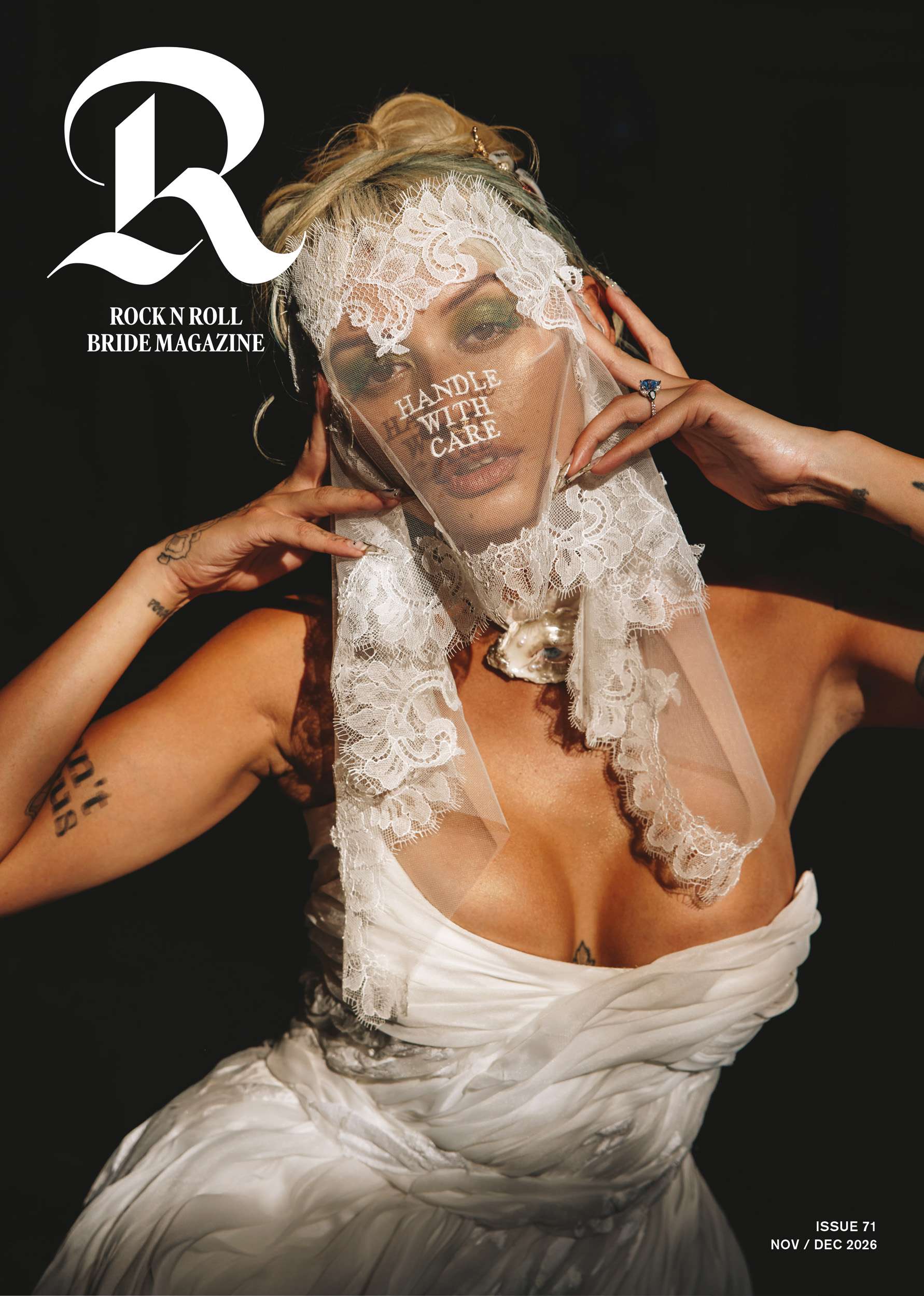
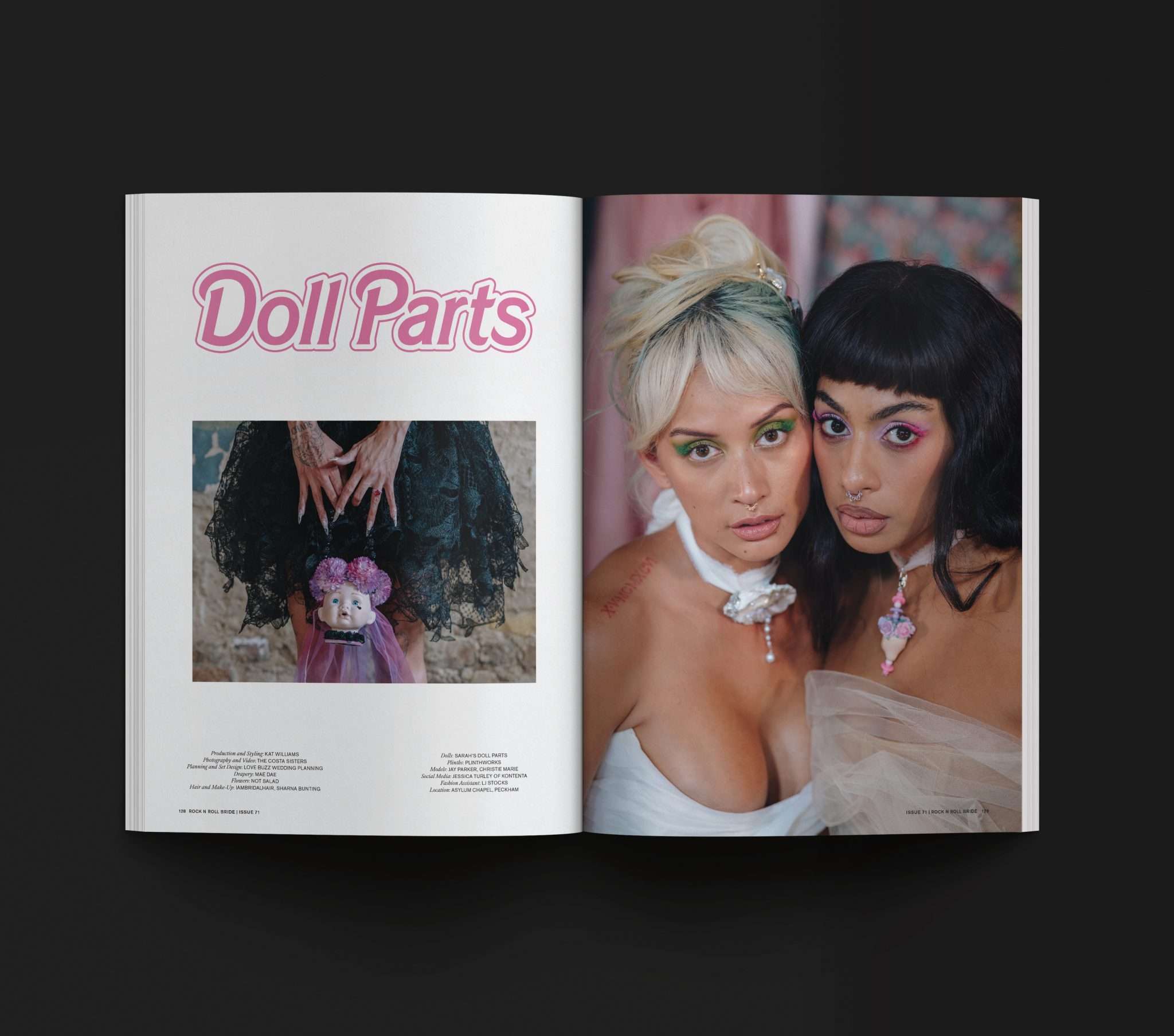
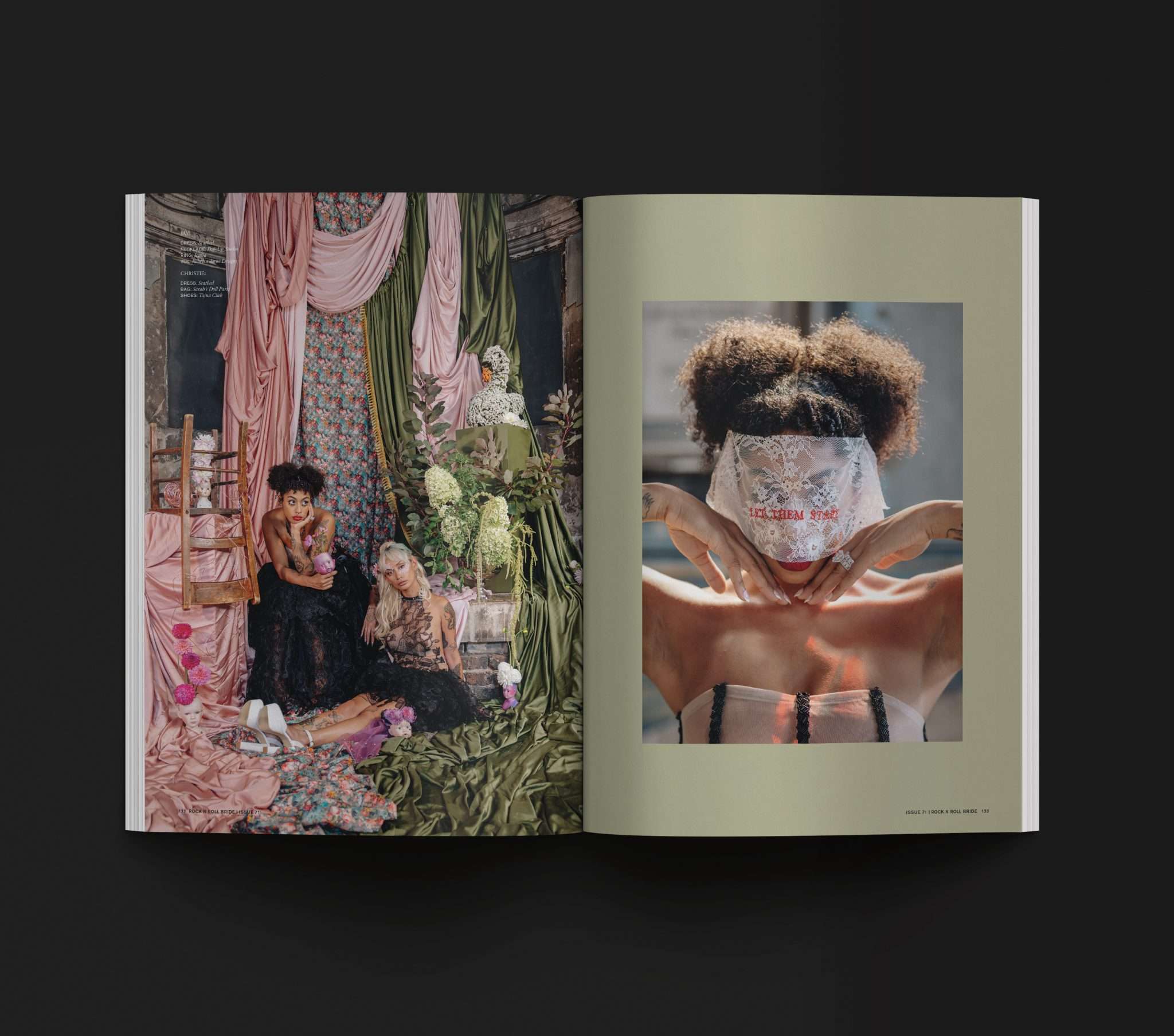
The conceptual foundation of Issue 71 originated from an internal creative vision aimed at rejecting the concept of "timelessness," which often forces couples into a narrow aesthetic box. The magazine’s editorial team collaborated with the creative duo The Costa Sisters to produce a cover shoot at the Asylum Chapel in Peckham, London. This location, known for its decaying architectural beauty, provided the backdrop for a collection of images that utilize unconventional props—including doll heads, clashing color palettes, and sculptural floral arrangements—to challenge the viewer’s perception of what is "appropriate" for a wedding.
The inclusion of these elements is not merely an exercise in absurdity; it is a calculated effort to validate the preferences of couples who feel alienated by the pressure to conform to trending floral arrangements or standardized color palettes. By documenting ten real-life weddings that lean into these unconventional, and at times "gloriously strange" concepts, the publication provides a practical framework for readers to execute their own unique celebrations.
Chronology of the Release and Distribution
The production cycle for Issue 71 followed a structured editorial timeline, culminating in a global release strategy. Pre-orders were opened to the public in anticipation of a November launch, with the official shipping date set for November 3, 2026. This distribution schedule reflects the logistical complexities of independent publishing, which relies on a mix of direct-to-consumer digital platforms and international shipping channels.
- Mid-October 2026: Editorial finalization and digital asset preparation.
- Late October 2026: Pre-order campaign launch, targeting both existing subscribers and new readers.
- November 3, 2026: Commencement of global shipping, ensuring availability across diverse international markets.
The subscription model remains a cornerstone of the magazine’s financial sustainability, allowing for a consistent reach that transcends regional boundaries. By utilizing platforms such as PayPal for secure transaction processing, the organization maintains a streamlined, professional purchasing experience that aligns with modern e-commerce standards.
Data-Driven Analysis of Industry Disruptions
The rise of platforms like Rock n Roll Bride signals a broader shift in the wedding economy. According to consumer sentiment surveys, modern couples are increasingly prioritizing "meaningful experiences" over the traditional "social signaling" associated with weddings. This shift has forced vendors and service providers to adapt to a more diverse range of client demands.
The implication for the industry is clear: a "one-size-fits-all" approach to wedding planning is increasingly insufficient. Professionals who are unable to pivot toward the bespoke or the "avant-garde" may find themselves struggling to capture a demographic that is increasingly comfortable with the unconventional. The popularity of Issue 71—evidenced by the ongoing demand for its print edition—serves as a case study for businesses looking to understand the "weird girl" demographic, a term used by the publication to describe individuals who prioritize personal joy over external validation.
Official Stance on Independent Media
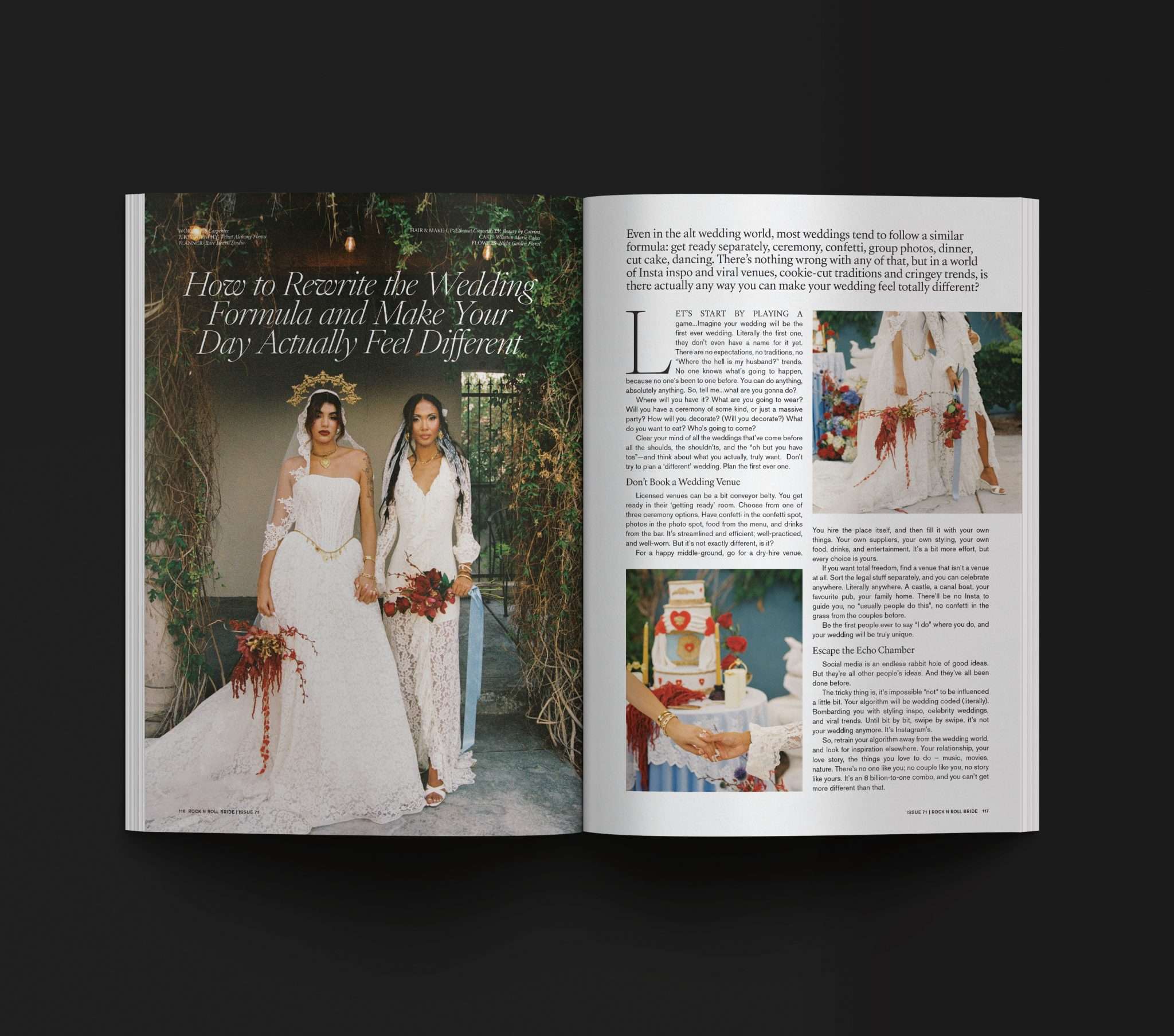
The publication’s editorial team has consistently emphasized the importance of independent media in fostering creative freedom. By operating outside the influence of major bridal conglomerates, the magazine maintains a level of editorial autonomy that allows it to promote perspectives that might otherwise be marginalized. The official stance of the editorial board is that the wedding industry should function as an "art project" rather than a rigid set of instructions. This philosophy encourages readers to treat their weddings as a form of self-expression, where "silly" ideas are not only permitted but encouraged.
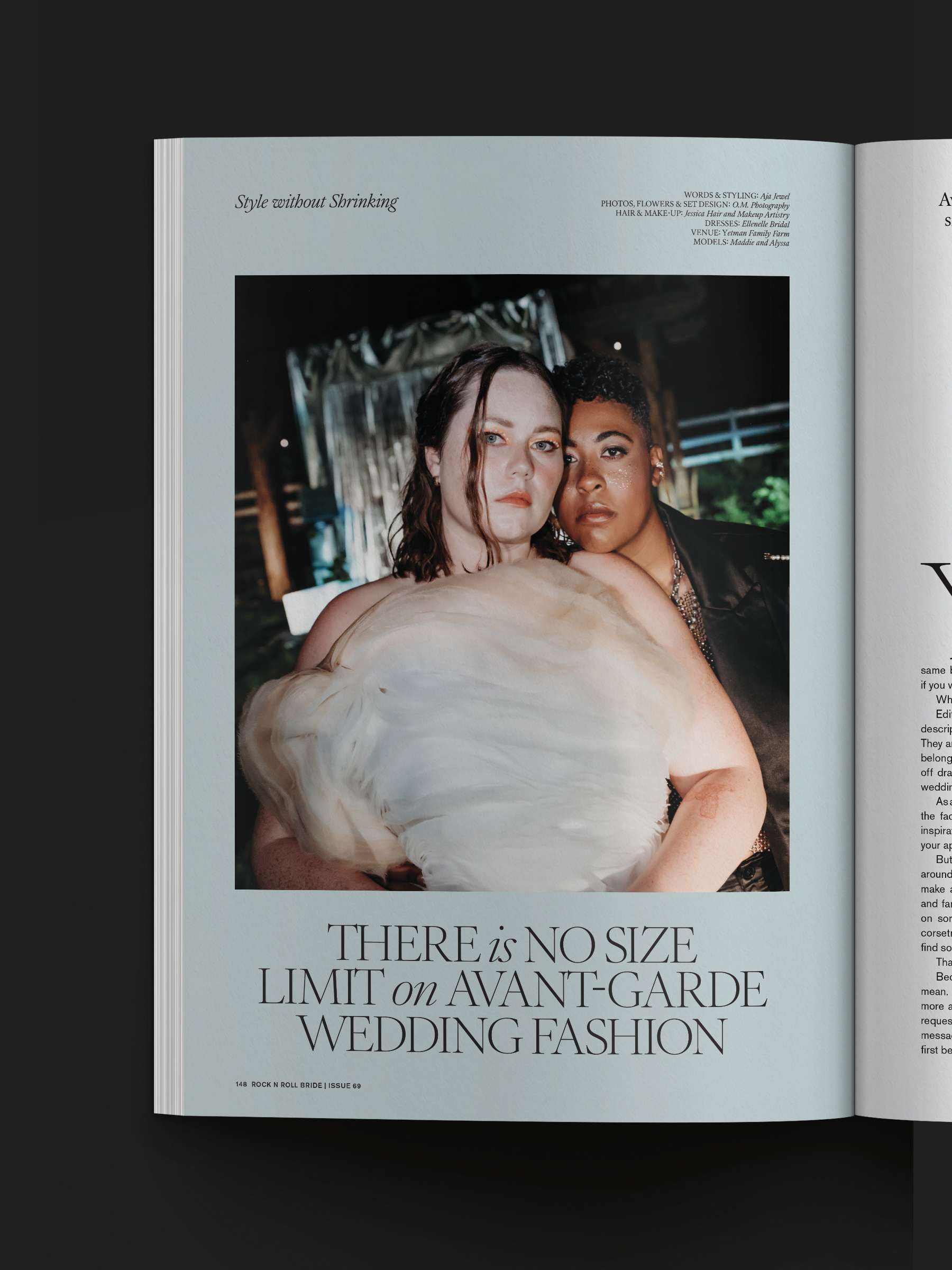
This perspective is bolstered by the magazine’s commitment to "bridal fashion for every body," which promotes inclusivity in an industry that has historically been criticized for a lack of diversity. By showcasing a wide range of styles and body types, the magazine contributes to a more representative narrative of what a wedding can and should be.
Broader Impact and Future Implications
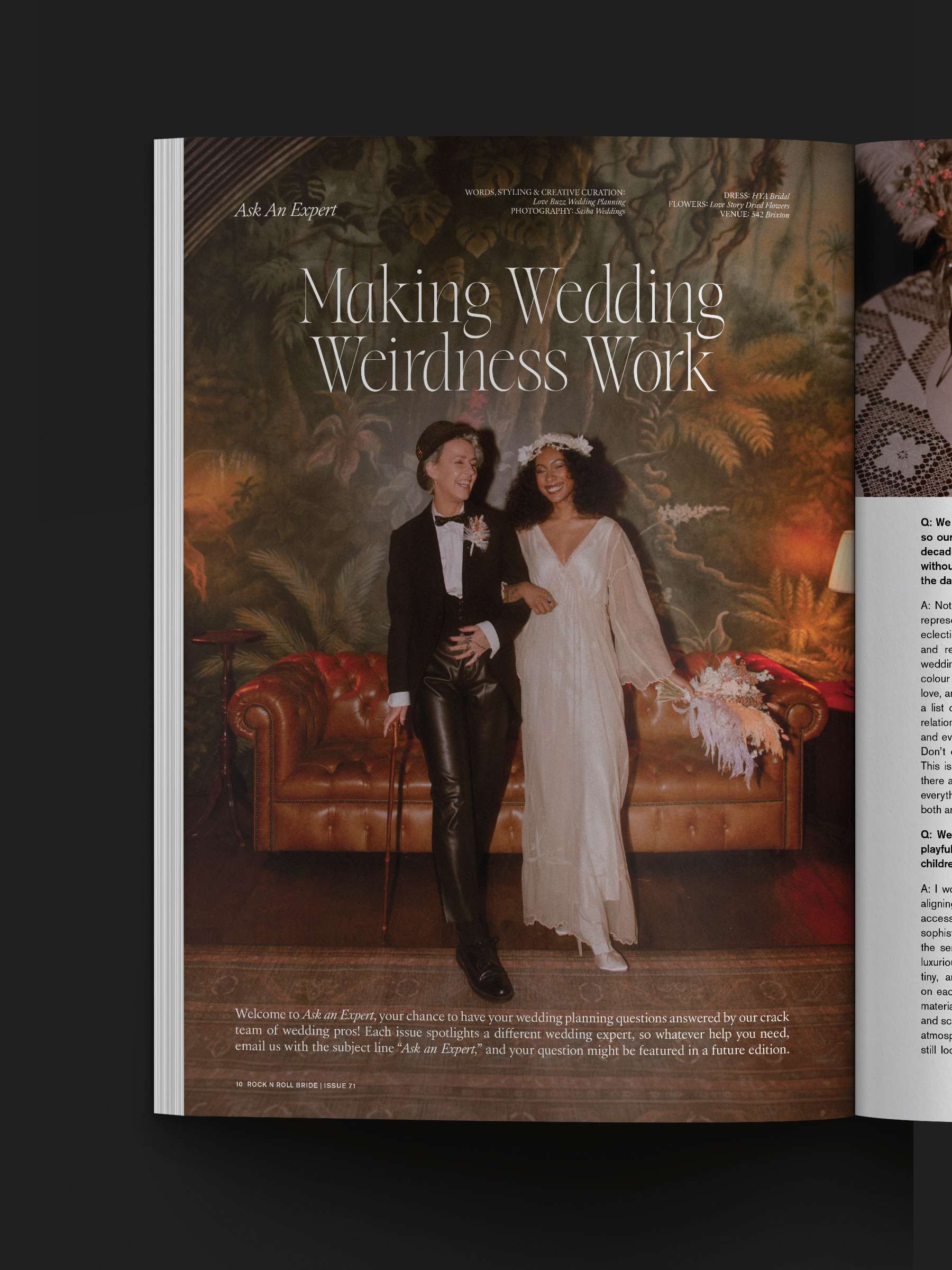
The long-term impact of such publications on the wedding industry is profound. As more couples feel empowered to deviate from the traditional formula, the market for unconventional venues, stylists, and floral designers is expected to expand. The "floral swan" centerpieces and "clashing-colored drapes" featured in Issue 71 are more than just design choices; they are symbolic of a broader rejection of the "cookie-cutter" aesthetic that has dominated the industry for decades.
Furthermore, the emphasis on worldwide shipping and global accessibility ensures that these ideas are not confined to a specific geographic region. The influence of independent media can be observed in the increasing number of weddings that incorporate elements of surprise, personal history, and unconventional art installations.
As the industry moves toward 2027, it is likely that the themes explored in Issue 71—personalization, avant-garde fashion, and the rejection of trend-based decision-making—will continue to gain traction. The success of this issue underscores a fundamental change in the relationship between the consumer and the wedding industry: the transition from "following a rule book" to "writing one’s own."
For the independent media sector, the path forward involves maintaining this delicate balance between high-concept artistic vision and practical advice for the reader. As the magazine continues its distribution, the focus remains on providing the resources necessary for readers to translate these "gloriously strange" ideas into reality. Whether the wedding is a large-scale event or a private, intimate ceremony, the message remains consistent: the value of the celebration is found in the extent to which it reflects the individuals involved, rather than the extent to which it meets the expectations of the industry.
In summary, Rock n Roll Bride Issue 71 represents a significant development in the discourse surrounding wedding culture. By prioritizing creative agency and challenging the status quo, the publication provides a valuable service to those seeking to define their celebrations on their own terms. As the industry continues to evolve, the documentation of these unique, personal, and sometimes "silly" experiences will likely serve as a vital record of a changing cultural landscape. The shift toward such personalized celebrations is not merely a passing trend but a structural change in how society approaches one of its most significant milestones.