The Ultimate Guide to UK Plant-Based and Vegan Cleaning Products for an Ethical Home

The modern consumer landscape is undergoing a profound paradigm shift as households increasingly scrutinize the environmental and ethical footprints of everyday domestic goods. While the culinary and fashion sectors have long dominated conversations surrounding plant-based living, the multi-billion-pound household cleaning industry is now facing intense public and regulatory pressure. Conventional cleaning agents, long relied upon for their aggressive chemical efficacy, are increasingly recognized as contributors to indoor urban pollution, aquatic toxicity, and heavy plastic waste. Furthermore, a significant yet frequently overlooked segment of these traditional formulations relies on animal-derived components—ranging from animal fats in fabric softeners to testing methodologies on non-human organisms.
In response to these compounding ecological and ethical concerns, a burgeoning market of specialized UK-based brands has emerged. These enterprises are redefining domestic hygiene by manufacturing high-performance, cruelty-free, and plant-derived cleaning products. Designed to align with zero-waste principles and vegan ethics, these alternatives prove that rigorous cleanliness does not require a compromise on environmental stewardship.

The Evolution of Eco-Friendly Domestic Cleaning
The transition away from conventional chemical cleaners is rooted in mounting scientific data regarding indoor air quality and environmental degradation. Research published by environmental scientists has consistently highlighted how volatile organic compounds (VOCs) released by traditional household sprays contribute significantly to urban air pollution. Beyond airborne emissions, the lifecycle analysis of conventional cleaning items exposes heavy reliance on virgin petroleum-based plastics and intensive manufacturing processes.
Historically, consumers seeking alternatives had limited choices, often resorting to laborious do-it-yourself (DIY) mixtures involving white vinegar, baking soda, and essential oils. While effective, DIY formulations do not suit every consumer’s lifestyle or time constraints. Recognizing this market gap, a new wave of British eco-entrepreneurs began developing sophisticated, ready-to-use botanical alternatives that match—and often exceed—the performance of legacy chemical brands. This evolution has been propelled by advancements in green chemistry, allowing manufacturers to derive powerful surfactants and grease-cutting agents directly from renewable plant sources rather than petrochemicals or animal fats.
Top UK Plant-Based and Vegan Cleaning Brands
The current market features a diverse array of independent and established UK brands dedicated to sustainability, transparency, and ethical production. Below is a comprehensive overview of leading plant-based cleaning solutions currently available to British consumers.

Spruce
Emerging as a frontrunner in the water-free shipping revolution, Spruce has captured consumer attention with its innovative, just-add-water cleaning systems. Founded on the principle that shipping heavy water across the country is environmentally inefficient, Spruce provides concentrated cleaning powders packaged in home-compostable pouches. Users simply empty a pouch into a reusable 500ml spray bottle, fill it with tap water, and shake. Certified by the Vegan Society, Spruce formulations are entirely free from animal derivatives and utilize essential oil-based fragrances that provide a natural, spa-like scent profile. Their rigorous approach to plastic reduction and high cleaning efficacy makes them a top recommendation for zero-waste households.
Wilton London
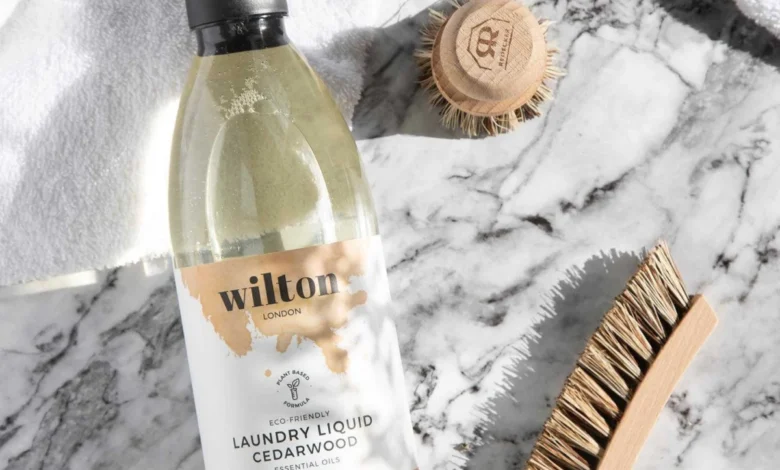
Specializing in botanically-scented formulations, Wilton London infuses its plant-based cleaning and laundry ranges with natural essential oils to deliver authentic, long-lasting fragrances without synthetic additives. The brand maintains a strict commitment to environmental and ethical standards: all products are fully biodegradable, free from artificial dyes, certified by the Vegan Society, and strictly cruelty-free. While the company utilizes recycled and recyclable plastics for its current packaging iterations, industry analysts and consumers continue to advocate for the implementation of a closed-loop refill scheme to further minimize single-use packaging.
Bio-D
As one of the pioneers of the UK eco-cleaning sector, Bio-D has maintained an unwavering commitment to environmental sustainability since its establishment in 1989. Based in the UK, the company boasts complete supply chain transparency, ensuring every ingredient used in its extensive cleaning range is ethically and sustainably sourced. Bio-D products are vegan-certified, cruelty-free, and packaged in 100% post-consumer recycled plastic. Furthermore, the brand has established a widespread presence in zero-waste and independent refill shops nationwide, allowing consumers to purchase products package-free and drastically reduce municipal waste.

Ecoleaf
Operated under the umbrella of Suma Wholefoods, Ecoleaf offers an extensive, highly accessible range of plant-based cleaning and personal care solutions. Manufactured entirely within the UK to minimize transportation emissions, Ecoleaf products utilize non-toxic plant extracts designed to handle heavy-duty domestic tasks safely. The entire product lineup carries vegan and cruelty-free certification. A core strength of the Ecoleaf business model is its extensive bulk availability, enabling shoppers to access products via zero-waste retail networks across the country.
Neat
Addressing the critical issue of liquid transportation emissions, Neat offers ultra-concentrated cleaning solutions housed in sleek, durable glass bottles. Consumers purchase the concentrated formula once and dilute it at home with tap water. This methodology eliminates the transport of heavy water payloads, significantly reducing the carbon footprint associated with distribution. Featuring vibrant botanical fragrances such as Grapefruit & Ylang Ylang and Mango & Fig, Neat delivers a powerful cleaning performance, though consumers sensitive to strong aromas may wish to test individual scents before committing to bulk purchases.
Homethings
Homethings has established itself as a versatile British eco-cleaning brand specializing in effervescent cleaning tablets, laundry sheets, and washing-up liquid refills. Designed specifically to eradicate single-use plastics from the cleaning routine, the company provides a comprehensive suite of products covering everything from kitchen degreasing to toilet sanitation. Certified vegan and packaged without unnecessary materials, Homethings offers both scented options—such as grapefruit and mandarin—and fragrance-free formulations tailored for sensitive households.

Seep
While liquid cleaners and detergents receive significant attention, cleaning tools such as sponges and cloths are frequently overlooked contributors to microplastic pollution. Traditional sponges are manufactured from synthetic plastics that persist in landfills for centuries, while some traditional scouring pads incorporate animal-derived glues or fibers. Seep addresses this industry blind spot by producing high-performance cleaning tools sourced exclusively from renewable, plant-based, and biodegradable materials. Completely free from animal inputs, Seep’s range breaks down safely at the end of its lifecycle, bridging the gap between chemical-free cleaning and sustainable hardware.
Hidden Animal-Derived Ingredients in Conventional Cleaning Products
For consumers adhering to a vegan or plant-based lifestyle, scrutinizing product labels is essential. Many commercial cleaning agents contain animal-derived byproducts that are neither transparently highlighted nor immediately obvious to the untrained eye. Below is a detailed breakdown of common animal-based additives found in traditional household cleaners:
- Tallow: Derived rendered animal fat, tallow is frequently utilized to produce surfactants that break down grease. Derivatives such as sodium tallowate and stearic acid often originate from animal fat unless explicitly labeled as plant-derived.
- Beeswax: Frequently incorporated into wood polishes and protective furniture treatments to impart a natural shine.
- Lanolin: Sourced from sheep’s wool, lanolin is commonly found in specialized cleaning wipes and surface polishes due to its moisture-repellent and polishing properties.
- Glycerine: While plant-based glycerine exists, conventional manufacturing often sources this compound from animal fats. It serves as a humectant and stabilizing agent to prevent ingredient separation.
- Casein: A protein derived from milk, sometimes utilized as a binding agent in industrial and domestic polishing formulas.
- Animal-Derived Enzymes: Biological catalysts such as trypsin or lipase are frequently added to heavy-duty laundry detergents and stain removers. While synthetic and microbial alternatives exist, animal extraction remains common in legacy formulations.
- Shellac: Secreted by the lac insect, shellac occasionally appears in specialist wood finishes and floor polishes.
- Oleic Acid: A fatty acid utilized in soap manufacturing that can be sourced from animal fats unless verified as vegetable-derived.
- Lard and Animal Fats: Found primarily in traditional soap formulations utilizing historic recipes.
To navigate these hidden ingredients successfully, consumers are advised to look for accredited, independent certifications such as the Vegan Society Trademark or the Leaping Bunny cruelty-free logo. Additionally, various digital mobile applications dedicated to ethical consumerism can assist shoppers in verifying product formulations in real-time.

Broader Industry Implications and Future Outlook
The rapid growth of plant-based and zero-waste cleaning brands highlights a fundamental shift in consumer expectations. As regulatory bodies face increasing pressure to curb corporate greenwashing and enforce stricter environmental standards, major multinational cleaning conglomerates are beginning to reformulate legacy products. However, independent brands continue to set the benchmark for true sustainability through transparent supply chains, plastic-free distribution models, and rigorous ethical certifications.
Ultimately, the transition toward plant-based domestic cleaning represents more than a lifestyle trend; it is a vital component of a broader ecological transition. By eliminating toxic chemical runoff, reducing carbon emissions associated with water transport, and eradicating animal exploitation from the cleaning aisle, consumers and manufacturers alike are proving that a clean home no longer needs to come at the expense of the planet.