Paka Marks 10th Anniversary With Bold Sustainability Roadmap to Transition Entirely to Natural and Plant-Based Fibers by 2035

Sustainable apparel brand Paka is officially marking its milestone tenth anniversary with a sweeping, long-term environmental commitment. The B Corp-certified enterprise has announced an ambitious strategic goal to transition nearly its entire raw material sourcing network to natural and plant-based fibers by the year 2035. As the global fashion industry continues to reckon with its heavy reliance on fossil-fuel-derived synthetics, Paka’s roadmap underscores a dedicated effort to deepen environmental stewardship while maintaining the technical performance, durability, and comfort that consumers expect from modern outdoor and everyday apparel.
The announcement was detailed extensively in a leadership update published on the company’s digital platform. In the post, Chief Executive Officer and founder Kris Cody outlined the foundational principles of the brand’s next decade of operations. According to corporate statements, Paka is targeting a threshold where upwards of 90 percent of all fibers utilized across its growing product catalog will derive directly from natural or plant-based sources within the next decade. To achieve this objective, the enterprise plans to methodically phase out or minimize synthetic inputs, scaling up its procurement of alternative natural textiles such as regenerative pima cotton and hemp.
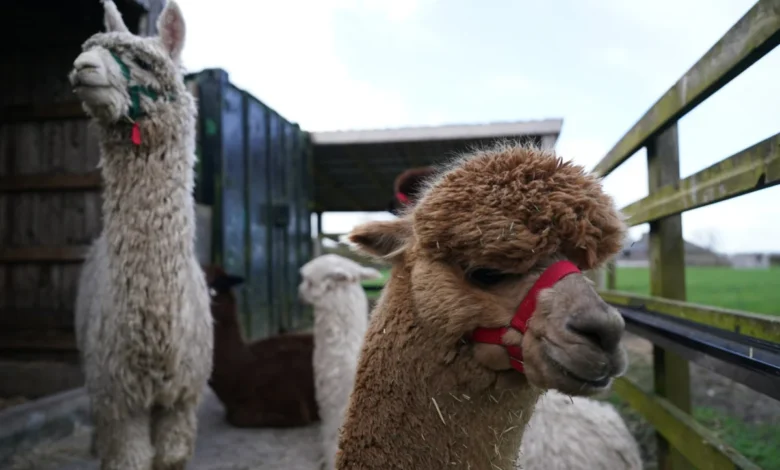
This strategic evolution marks a pivotal chapter for a brand whose identity has been intrinsically linked to alpaca wool since its inception. Harvested in the high-altitude terrain of the Andes Mountains in Peru, alpaca fiber has been tended to by indigenous farmers, known locally as alpaqueros, for thousands of years. While Paka initially built its reputation around this singular, luxurious fiber, the brand has steadily diversified its product ecosystem over the years. Today, its catalog includes foundational garments such as base layers, underwear, bras, and diverse lifestyle accessories. This expansion into multi-category apparel necessitated branching out into other agricultural and sustainably managed materials, setting the stage for the comprehensive material overhaul now underway.
Current Sourcing Realities and Technical Challenges
Despite its deeply rooted green ethos, Paka acknowledges that realizing its 2035 target will require overcoming significant material engineering hurdles. At present, the brand’s aggregate raw material portfolio consists of slightly over 70 percent natural and plant-based fibers. Notably, even the company’s signature flagship garment—widely recognized by consumers simply as The Hoodie—is not constructed entirely from unblended natural fibers.
Cody openly addressed this manufacturing reality, noting that the brand’s original flagship piece incorporates approximately 35 percent recycled nylon to ensure structural integrity, elasticity, and wear resistance. Transitioning away from these synthetic reinforcement fibers without compromising the functional performance, drape, or longevity of the garments remains a central challenge for the product development team. Nevertheless, leadership maintains that the brand is fully invested in research and development to discover innovative ways to substitute synthetic elements with high-performing natural alternatives.
From a 2015 Backpacking Trip to a Global Brand: The Chronology of Paka
While Paka was formally incorporated and launched in 2016, its origins trace back to a transformative personal journey undertaken a year prior. In 2015, during a collegiate gap year spent backpacking across South America, Kris Cody found himself navigating the unforgiving rainy season high in the Peruvian Andes. Seeking warmth and protection from the elements, Cody set out to acquire a traditional sweater. This search ultimately led him to a handcrafted garment created by Gregoria Yucra Chambi, a master artisan belonging to the indigenous Quechuan community.
Deeply struck by the exceptional softness, thermal efficiency, and cultural narrative woven into the sweater, Cody initiated a dialogue with the Chambi family. Through these interactions, he gained profound insights into the heritage of alpaca fiber, its ecological origins, and the socio-economic realities of the pastoralists who raise the animals in extreme alpine conditions. Recognizing an opportunity to bridge indigenous craftsmanship with global consumer demand, Cody collaborated with the local artisans to develop a modern sweater prototype.
The concept transitioned from a localized collaboration to a market-ready enterprise in 2017 through a crowdfunding initiative. Paka launched a campaign on Kickstarter with an initial funding target of $20,000. The response exceeded expectations, with backers pledging more than $347,000 in capital. This financial influx provided the foundational resources necessary to scale production, establish direct supply chains with Andean communities, and formally introduce the brand to the international sustainable fashion market.
Guiding Principles for the Next Decade
As Paka looks ahead to its operations through 2035, executive leadership has codified four core pillars designed to govern every future product release. These mandates serve as a strict framework for material sourcing, manufacturing partnerships, and corporate social responsibility:
- Direct Sourcing: Prioritizing physical proximity to the origin of the raw fiber, ensuring oversight from farm to fabric.
- Strategic Partnerships: Collaborating directly with vetted farmers, herders, and traditional craftspeople rather than relying on anonymous broker networks.
- Radical Traceability: Guaranteeing transparency at every tier of the supply chain so that end consumers understand precisely how and where their garments are made.
- Community Reinvestment: Directing financial and developmental resources back into the rural communities and indigenous families responsible for crafting the products.
The implementation of these principles is already well underway. In 2024, Paka rolled out a comprehensive traceability program spanning its entire merchandise inventory. Under this initiative, every physical product features a unique QR code integrated into its hangtag. By scanning the code with a smartphone, consumers are digitally connected to the exact geographical coordinates where the alpaca fiber used in that specific garment was harvested. This level of granular transparency addresses a critical pain point in the modern textile industry, where consumers increasingly demand verifiable proof of sustainability claims.
Broader Industry Implications and the Path Forward
Paka’s decade-long commitment arrives at a time of intense scrutiny for the global apparel sector. Synthetic materials—predominantly polyester, nylon, and acrylic derived from petroleum—currently account for more than 60 percent of all global fiber production. While these materials offer low cost and high durability, their persistence in landfills and the continuous shedding of microplastics during laundering have created a severe ecological crisis.
Concurrently, the fashion industry faces mounting regulatory pressure from governing bodies in Europe and North America to curb greenwashing and substantiate environmental claims. Initiatives like digital product passports and mandatory supply chain disclosure laws are shifting from voluntary corporate social responsibility measures to legal requirements. By proactively establishing a verifiable traceability system and setting a definitive timeline to eliminate synthetic dependence, Paka is positioning itself ahead of upcoming regulatory curves.
However, the brand’s journey also highlights the delicate balance modern sustainable brands must strike between environmental idealism and commercial viability. Natural fibers, while biodegradable and renewable, often require more complex supply chain management, are subject to agricultural vulnerabilities such as climate shifts affecting livestock, and can present manufacturing challenges regarding durability. Cody’s candid admission that even the brand’s flagship hoodie relies on recycled synthetics illustrates that a completely fossil-fuel-free wardrobe remains a formidable engineering frontier, even for dedicated eco-apparel pioneers.
As Paka embarks on its second decade of business, the market will closely watch whether its ambitious pivot toward regenerative pima cotton, hemp, and unblended alpaca can successfully scale. If the brand can resolve the performance trade-offs inherent in replacing synthetic reinforcements with natural alternatives, its 2035 roadmap could serve as a viable blueprint for other apparel enterprises seeking to decouple fashion from petrochemical extraction. For now, the brand remains anchored to the high peaks of the Andes, attempting to scale its commercial footprint while preserving the ancient heritage of the alpaqueros who started it all.
Related posts: