Howes Percival’s Katie James on why a turnaround may not be enough to save Poundland – Retail Gazette

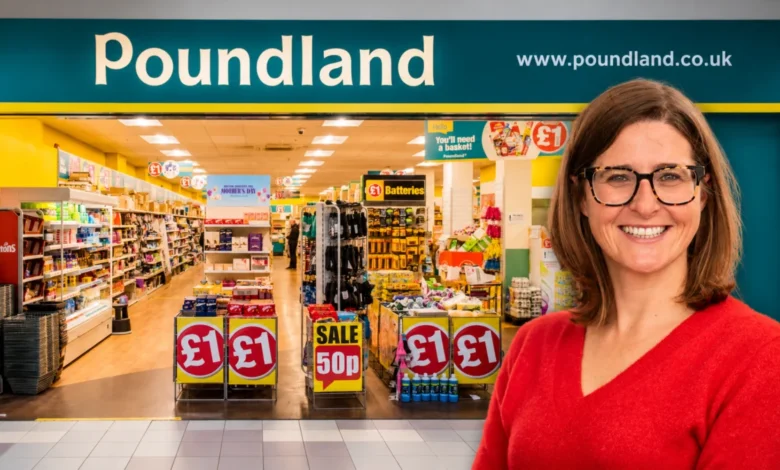
The paradox facing Poundland is one frequently seen in distressed retail: a business may successfully optimize its day-to-day operations and return to a profit-making state, yet remain fundamentally unable to satisfy the aggressive repayment demands of its financiers. Katie James, a partner at the law firm Howes Percival, notes that profitability is not synonymous with long-term solvency. "Profit is great," she explains. "It means you can pay your employees and your current debts. But if it’s not making sufficient profit, it can’t eat into that historical debt."
The Chronology of a Crisis
The current turmoil is the culmination of a series of financial maneuvers that began in 2025. When Pepco Group offloaded its interest in Poundland to the investment firm Gordon Brothers for a nominal fee of £1, the move was billed as a strategic restructuring intended to provide the retailer with a fresh start. However, the deal was underpinned by a complex web of debt, including a £95 million asset-based lending facility from Gordon Brothers and ongoing financial obligations to Pepco.
By mid-2026, the cracks began to show. Reports emerged that Poundland’s revenue figures had been overstated by approximately £60 million, a revelation that severely damaged investor confidence and intensified the scrutiny from lenders. By October 2026, the company filed a formal notice of intention to appoint administrators. While this legal maneuver provides a temporary shield, it does not guarantee a recovery. It serves as a stark warning to stakeholders that the current financial structure is likely unsustainable.
The Power Dynamics of Insolvency
In the world of corporate restructuring, the balance of power lies firmly with the secured lenders. While management has argued that the company is trending in the right direction, secured creditors are increasingly impatient. "The directors are saying, ‘We’re going in the right direction; we want to do this,’" James observes. "But the secured creditors are saying, ‘It’s not happening fast enough. We can see more problems on the horizon, and we want to make a change.’"
Crucially, a qualifying secured lender does not need to wait for a company to be formally insolvent to intervene. If a breach of lending covenants occurs or if a lender perceives their security to be at risk, they have the authority to appoint administrators. This creates a volatile environment where the window for a negotiated settlement is rapidly closing.
Should administrators be appointed, their mandate is strictly defined by the court. Contrary to popular belief, administrators do not represent the interests of the shareholders or the previous owners; they are officers of the court with a statutory duty to act in the best interests of all creditors. Their primary objectives are to rescue the company as a going concern, achieve a better result for creditors than would be possible in a liquidation, or, if neither is viable, to realize assets to pay off creditors in order of priority.
The Economic Ripple Effect
The potential collapse of a retailer of Poundland’s scale would have a "spider’s web" effect on the broader economy. The supply chain, in particular, is highly vulnerable. Many smaller suppliers operate on tight margins and rely on consistent payment cycles from major retailers. With the threat of insolvency, these suppliers are already tightening their terms.
"Some are now saying, ‘We want cash on delivery.’ Nothing beats cash," James explains. This shift in credit terms creates a liquidity squeeze that can starve a retailer of the inventory it needs to trade through peak periods like Christmas. Furthermore, if suppliers invoke retention-of-title clauses—allowing them to reclaim goods that have not yet been paid for—the shelves could be left bare during the most critical trading weeks of the year.
Beyond the supply chain, the loss of a major high-street anchor would be a significant blow to the viability of town centers. As seen during the collapse of Woolworths, the disappearance of a destination retailer often leads to a decline in footfall for neighboring businesses. If consumers lose a primary reason to visit the high street, the cumulative effect on local economies could be devastating.
Political Pressure and the Search for a Buyer
The situation has reached the halls of government, with political leaders urging stakeholders to prioritize job retention. Reports indicate that the Prime Minister has encouraged the current owners to engage with the government to protect the 12,000 employees whose livelihoods are currently in limbo. While such pressure does not legally bind the lenders, it increases the reputational cost of a fire sale or a messy liquidation.
Several parties have expressed interest in acquiring the business, including the Martin Property Group and Poundland founder Steve Smith. However, expressions of interest are a far cry from a legally binding agreement. The challenge for any potential buyer is to provide a capital structure that satisfies the current creditors while simultaneously providing the working capital necessary to modernize the brand and compete in a saturated discount retail market.
Analytical Outlook: The Path Forward
For Poundland to survive, it must navigate a path between two competing forces: the immediate, rigid demands of its secured creditors and the long-term, fluid requirements of the consumer market. A simple restructuring of the debt may not be sufficient if the underlying business model remains outdated.
Retail analysts point out that Poundland’s brand equity remains strong, but familiarity is not a substitute for value. In an era where consumers are increasingly tech-savvy and price-conscious, the retailer must clearly articulate its value proposition. The "pound shop" model, while iconic, has struggled to adapt to inflationary pressures that have eroded the profitability of single-price-point items.
The coming weeks will be decisive. If the company is to avoid a break-up, the current administration process must lead to a swift and clean sale to an operator with deep pockets and a clear vision for the brand. If, however, the process drags on, the cost of trading through administration—including mounting wage bills and declining supplier trust—may make a full rescue impossible.
Ultimately, the Poundland case serves as a masterclass in the dangers of excessive leverage. As James warns, businesses should not ignore the early warning signs of a liquidity crisis. "Silence is the biggest one," she says. "If the finance director or directors of your customer aren’t returning your calls, something is going on." For Poundland, the silence has ended, and the time for decisive action has arrived. Whether that action results in a saved institution or a historic liquidation remains a question for the courts and the creditors to resolve before the year ends.