Ulta Beauty Enters Health Tech Space with Oura Ring Partnership and Eyes Future Wearable Expansions

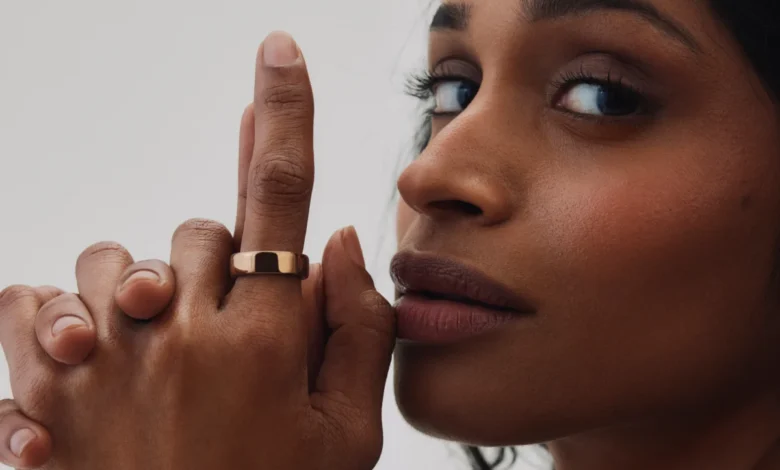
Ulta Beauty, the largest specialty beauty retailer in the United States, is bridging the gap between traditional cosmetics, self-care routines, and biometric health tracking. In a strategic move that underscores the convergence of beauty and wellness, the nationwide retailer is introducing the Oura Ring 5 into its inventory, marking its official entry into the health-tracking wearable market.
Starting November 10 on Ulta.com and rolling out across 1,000 brick-and-mortar U.S. stores on November 22, the launch positions Ulta as the exclusive specialty beauty retailer in the country to carry the popular smart ring for a limited time. Priced starting at $399, the Oura Ring represents a significant expansion for Ulta’s burgeoning wellness category, which company leadership has targeted as a potential billion-dollar business segment.
This partnership highlights a broader retail trend: beauty and wellness are no longer siloed industries. Instead, they are deeply interconnected components of a holistic lifestyle approach embraced by modern consumers. By offering products that analyze sleep patterns alongside items designed to induce rest—such as weighted sleep masks, magnesium supplements, and specialized body butters—Ulta is capturing the entirety of the consumer’s nighttime routine, from biochemical preparation to clinical-grade biometric verification.
The Evolution of Ulta’s Wellness Strategy
Ulta Beauty’s push into health and wellness is not an overnight pivot. The retailer formally established its Wellness Shop in 2021, curating a selection of brands focused on ingestible vitamins, aromatherapy, mental health support, and topical self-care. Over the years, the assortment has grown to include consumer-favorite brands such as Lemme, Saje, Nemat, MaryRuth’s, Patchology, Therabody, Cymbiotika, Arrae, and Midi.
The strategy has yielded robust financial and consumer engagement results. In September, Ulta Beauty CEO Kecia Steelman outlined the company’s ambitious financial outlook to investors, stating a firm belief that wellness could evolve into the company’s next billion-dollar category. Consumer data supports this optimism. According to Laura Beres, Ulta Beauty’s Vice President of Wellness, internal surveys reveal that 72 percent of Ulta shoppers prioritize wellness on a daily basis. Furthermore, 87 percent of surveyed customers indicated that they plan to maintain or increase their spending within the wellness category over the ensuing 12-month period.
Market research across the retail landscape shows that beauty consumers are increasingly viewing self-care through a lens of longevity and internal health. Skincare is no longer limited to topical serums and moisturizers; it encompasses sleep hygiene, stress management, and nutritional balance. Recognizing this shift, Ulta sought out a product that could quantitatively measure the effectiveness of these lifestyle habits.
Why Oura Chanced on Beauty Retail
For Oura, the partnership with Ulta represents a calculated diversification of its distribution model. While the company has historically relied heavily on direct-to-consumer (DTC) digital sales, partnering with a massive brick-and-mortar footprint offers distinct advantages in brand visibility, consumer trust, and physical accessibility.
Jeremiah Linder, Oura’s Vice President of Retail, noted that physical retail displays lend the brand additional credibility and provide a tangible touchpoint for shoppers. Younger women have emerged as one of Oura’s fastest-growing demographic segments, making Ulta’s predominantly female, highly engaged customer base an ideal match for the tech company’s growth objectives.
Moreover, placing Oura rings inside traditional beauty aisles solves a common hurdle for biometric wearables: the inability to try the product on before purchasing. Through specialized displays, Ulta shoppers can examine the various metallic finishes against their skin tones and utilize built-in sizing tools to determine their ideal fit. For finishes or sizes not immediately stocked on store shelves, Ulta associates can facilitate home delivery through the retailer’s integrated Store-to-Door service.
A Seamless Loyalty Integration and Multichannel Marketing Campaign
One of the most powerful levers in this partnership is access to Ulta’s massive loyalty program, which boasts approximately 47 million active members. The integration of the Oura Ring into this loyalty ecosystem provides a compelling financial incentive for shoppers. Customers purchasing an Oura Ring at the baseline price of $399 will earn a minimum of 399 loyalty points. These points equate to roughly $11 or more in discounts toward future qualifying purchases within the store, effectively lowering the barrier to entry for high-ticket technology purchases.
To drive consumer awareness ahead of the official rollouts, Ulta and Oura have coordinated a robust multi-channel marketing campaign. Executives from both companies are scheduled to discuss the partnership during a featured panel at the Glossy Beauty & Wellness Summit. Additionally, Oura will leverage Ulta’s retail media network to advertise the product, complemented by influencer and creator content distributed across Ulta.com and the official Ulta mobile application.
Staff Training and Retailer Boundaries
Selling biometric technology requires a shift in traditional retail associate responsibilities. To ensure a smooth customer experience, Ulta has significantly expanded its employee training programs. Associates are being educated on how to assist customers with ring sizing, finish selection, and feature explanations.
Laura Beres compared this customer service interaction to helping a shopper select a signature fragrance, though she was quick to draw a hard line regarding medical advice. Acknowledging that inquiries regarding biometric data and sleep scores can touch upon personal health, Beres emphasized that Ulta employees are not medical professionals. Associates are trained to guide customers through the physical sleep product assortment and explain the ring’s features, but they are strictly instructed to direct medical questions to licensed physicians.
Addressing the nuances of ring sizing, Ulta will also offer take-home sizing kits. Jeremiah Linder emphasized the importance of this step, noting that human fingers naturally swell overnight. Consequently, a ring size that feels comfortable during a daytime counter visit might prove too tight by morning, making home sizing kits a valuable tool for ensuring long-term comfort and accurate biometric readings.
Competitive Landscape: Wearables in Beauty
Ulta is not the only major beauty retailer exploring wearable technology, though competitors are approaching the category with distinct strategies. On October 1, Sephora launched a limited-edition version of Shark Beauty’s $349 CryoGlow LED face mask. Unlike Oura’s continuous biometric tracking ring, Sephora’s wearable device is designed explicitly for localized skin treatments worn during beauty regimens. As of publication, Sephora has not announced plans to roll out a general health and wellness tracker across its U.S. brick-and-mortar stores.
By diving directly into continuous health and sleep monitoring, Ulta has carved out a unique positioning in the specialty beauty retail sector, differentiating itself through lifestyle integration rather than purely aesthetic applications.
Looking Ahead: The Future Roadmap Beyond Oura
Even before the initial inventory of Oura rings reaches store shelves, Ulta Beauty is already solidifying its long-term roadmap in the wearable technology space. The retailer has officially announced its next major tech partnership, scheduled for March 2027.
In the spring of 2027, fitness and recovery tracking brand Whoop will bring two of its advanced trackers to select Ulta stores nationwide, accompanied by a curated selection of bands and accessories exclusive to the beauty retailer. Whoop, which built its formidable reputation among elite athletes and professional sports organizations for tracking rigorous physical strain and recovery metrics, views the partnership as an unprecedented channel to reach mainstream consumers.
"Ulta Beauty gives us an entirely new platform to reach those consumers," stated Whoop Chief Commercial Officer Kyle Leahy in a partnership announcement issued on November 3. By bridging the gap between high-performance athletic recovery and everyday beauty routines, Whoop aims to capture the attention of wellness-focused shoppers who might not typically visit traditional sporting goods or consumer electronics stores.
Broader Industry Implications and Market Analysis
The integration of biometric devices into beauty retail signals a maturation of the "wellness economy." For decades, wellness was marketed primarily through consumables—vitamins, teas, and topical treatments—whose efficacy was often difficult for the consumer to quantify objectively.
By introducing medical-grade sleep and recovery tracking devices into beauty environments, retailers like Ulta are empowering consumers with empirical data. A shopper can now purchase a magnesium supplement, use a sleep mask, and subsequently review their Oura Ring app the following morning to verify whether their bedtime routine measurably improved their restorative sleep stages.
This data-driven approach fosters deeper brand loyalty and higher average order values. It transforms the retailer from a mere purveyor of goods into a daily lifestyle partner. As traditional retail boundaries continue to blur, Ulta Beauty’s calculated bet on health tracking suggests that the future of beauty retail lies not just in how customers look on the outside, but in how their bodies function on the inside. With Oura leading the charge this November and Whoop waiting in the wings for 2027, Ulta is well-positioned to capture the growing demographic of consumers who view health, sleep, and beauty as inextricably linked facets of modern living.