The Evolution of the ID Bracelet: From Sentiment to Signature Jewelry Staple

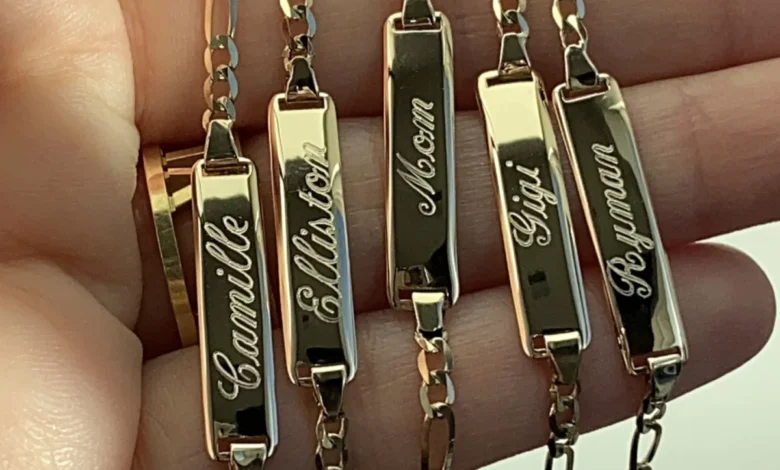
The identification bracelet, once a utilitarian accessory primarily associated with military service and pediatric identification, has undergone a significant transformation within the luxury jewelry market. Over the past two decades, this piece of jewelry has evolved from a niche sentimental token into a sophisticated, customizable staple that bridges the gap between historical significance and modern aesthetic trends. This shift is highlighted by the recent resurgence of personalized ID bracelets, which are now being integrated into high-end retail collections by industry experts who emphasize durability, craftsmanship, and emotional narrative.
The Historical Context and Design Evolution
The ID bracelet, historically known as a "medical alert" or "combat identification" bracelet, gained widespread popularity during World War II. Soldiers were issued metal tags to ensure proper identification in the event of casualty or injury. Following the conflict, the aesthetic of these functional bands transitioned into civilian fashion. By the mid-20th century, the "love bracelet" or "ID band" became a popular gift for couples, often featuring engraved names or significant dates.
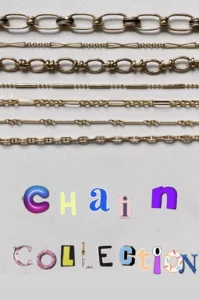
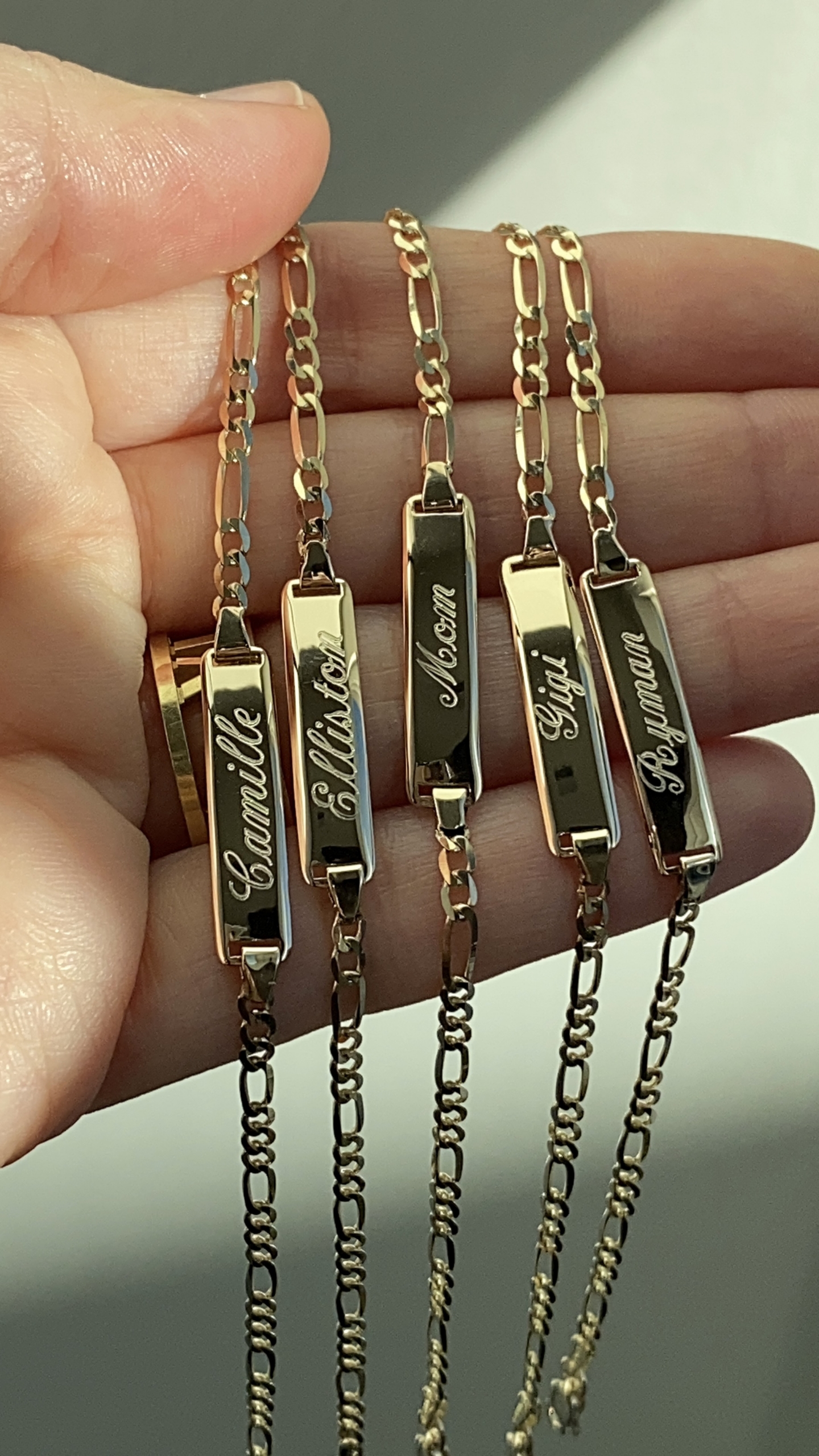
The architectural design of these pieces generally follows a consistent morphology: a central metal plate connected to a chain—often a Figaro, curb, or cable link. In the contemporary retail landscape, designers are revisiting these classic silhouettes with a focus on refined proportions. By utilizing higher-quality precious metals, such as 14k or 18k gold and sterling silver, modern jewelers have elevated the item from a costume accessory to an heirloom-quality investment.
A Professional Chronology of the ID Bracelet
The trajectory of the ID bracelet within the professional jewelry sphere is best illustrated through the experiences of long-standing industry curators. For many professionals, the initial exposure to the trade begins with retail sales, a high-pressure environment that dictates the success or failure of a brand.
The transition from a retail associate to a jewelry brand owner typically follows a distinct pattern of professional development:
- The Foundational Phase: Early career roles in retail provide the necessary exposure to inventory management and customer behavior. It is during this period that many future designers develop their initial affinity for specific archetypes of jewelry, such as the children’s-sized ID bracelet.
- The Curation Phase: Following years of observation, industry veterans often transition into e-commerce. This involves selecting items that prioritize both aesthetic longevity and structural integrity.
- The Iteration Phase: Once a product line is launched, the data collected from sales and customer feedback allows for the refinement of the product. This includes adjusting link widths, clasp mechanisms, and engraving options to meet consumer demands for daily wearability.
Supporting Data and Durability Analysis
The current demand for personalized jewelry, particularly items intended for "everyday wear," is supported by broader market trends. According to recent retail analytics, the "personalization segment" of the global jewelry market has seen a consistent annual growth rate. Consumers are increasingly seeking products that serve a dual purpose: aesthetic appeal and personal significance.
The durability of an ID bracelet is a critical metric for long-term consumer satisfaction. In testing protocols conducted by jewelry retailers, the "daily wear" factor is evaluated based on three primary criteria:
- Tensile Strength of the Links: The Figaro link, a classic choice for ID bracelets, is noted for its alternating pattern of long and short links. This design provides a high strength-to-weight ratio, making it ideal for continuous, long-term wear.
- Clasp Integrity: The security of the bracelet depends heavily on the spring ring or lobster clasp mechanism. Failures in this area are the most common reason for repair requests, leading modern retailers to prioritize reinforced, high-tensile hardware.
- Patina and Surface Wear: Unlike plated jewelry, solid gold or silver develops a natural patina over time. Industry analysis suggests that consumers often view these microscopic surface scratches not as defects, but as a "medal of honor" or a physical record of the item’s lifespan, which enhances its sentimental value.
Industry Perspectives on Customization
The integration of engraving services into the jewelry purchasing process represents a shift toward "experiential retail." Industry experts note that the act of engraving—whether it be a name, a date, or a coordinate—transforms a mass-produced item into a unique artifact.
When retailers offer customizable ID bracelets, they are essentially providing a platform for narrative expression. Research indicates that when a consumer participates in the design process (such as selecting the engraving font or text), the psychological attachment to the product increases. This "endowment effect" is a significant driver of brand loyalty and repeat purchasing behavior.
Broader Market Implications
The resurgence of the ID bracelet serves as a case study for the broader "minimalist luxury" movement. As market trends pivot away from fast fashion and toward sustainable, long-lasting investments, the ID bracelet fits perfectly into a capsule wardrobe. Its simplicity allows it to be stacked with other pieces, such as watches or bangles, providing versatility that more complex jewelry designs lack.
From a manufacturing standpoint, the focus remains on streamlining the supply chain to ensure that materials—such as the specific width of a Figaro link—remain consistent across years of production. For the modern consumer, the availability of these pieces online has democratized access to high-quality personalized goods.

Analysis of the Consumer Experience
The success of the ID bracelet in the digital marketplace can be attributed to the transparency of the product lifecycle. When founders share their own history with an item—such as the story of a first jewelry job or the personal evolution of a piece from a retail floor to a personal collection—it creates a bridge of trust between the retailer and the customer.
In professional retail environments, the objective is to provide a product that requires minimal maintenance while offering maximum emotional return. The evidence suggests that when a jeweler can vouch for the durability of a piece through their own daily use, it serves as a powerful testament to the item’s quality.
Conclusion: The Future of Personalized Adornment
As we look toward the future of the jewelry industry, it is clear that the ID bracelet will remain a permanent fixture. Its ability to adapt to changing fashion cycles while maintaining its core identity as a personalized, durable accessory ensures its longevity. Whether purchased as a gift or a personal memento, the ID bracelet represents the intersection of historical tradition and modern craftsmanship.
By focusing on high-quality materials and thoughtful, customizable design, the industry has successfully reclaimed the ID bracelet from its utilitarian roots and established it as a cornerstone of modern, everyday luxury. As long as there is a desire for items that tell a personal story, the ID bracelet will continue to evolve, serving as a permanent, wearable record of the lives and names that matter most to the wearer.