Reformation Steps Beyond the Wardrobe With Debut Rug Collection in Collaboration With Les Éditions de Tapis


The intersection of fashion and interior design has long served as a fertile ground for creative experimentation, yet few lifestyle brands execute this crossover with the distinct identity found in contemporary retail spaces. Los Angeles-based sustainable fashion favorite Reformation is making its official foray into home décor through a high-profile collaboration with French rugmaker Les Éditions de Tapis. This strategic partnership bridges the gap between commercial interior architecture and residential styling, bringing the whimsical, tactile aesthetic previously reserved for Reformation’s physical boutiques directly into private homes.
Comprising nine limited-edition, made-to-order designs, the new collection marries the traditional decorative motifs of Parisian textile history with a relaxed, effortless West Coast sensibility. For Reformation, a brand renowned for its vintage-inspired dresses, eco-friendly manufacturing practices, and carefully curated physical retail environments, this expansion represents a natural evolution rather than an abrupt departure from its core mission.
Evolution of the Retail Aesthetic Into Residential Spaces
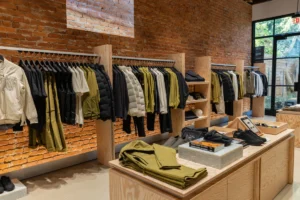
For years, shoppers walking into Reformation’s brick-and-mortar storefronts have encountered more than just racks of garments. They have stepped into meticulously designed spaces featuring custom furniture, ambient lighting, and, notably, distinct statement rugs created by Thomas Coccimiglio, the founder of Les Éditions de Tapis. These floor coverings quickly transitioned from background interior elements to objects of customer fascination.
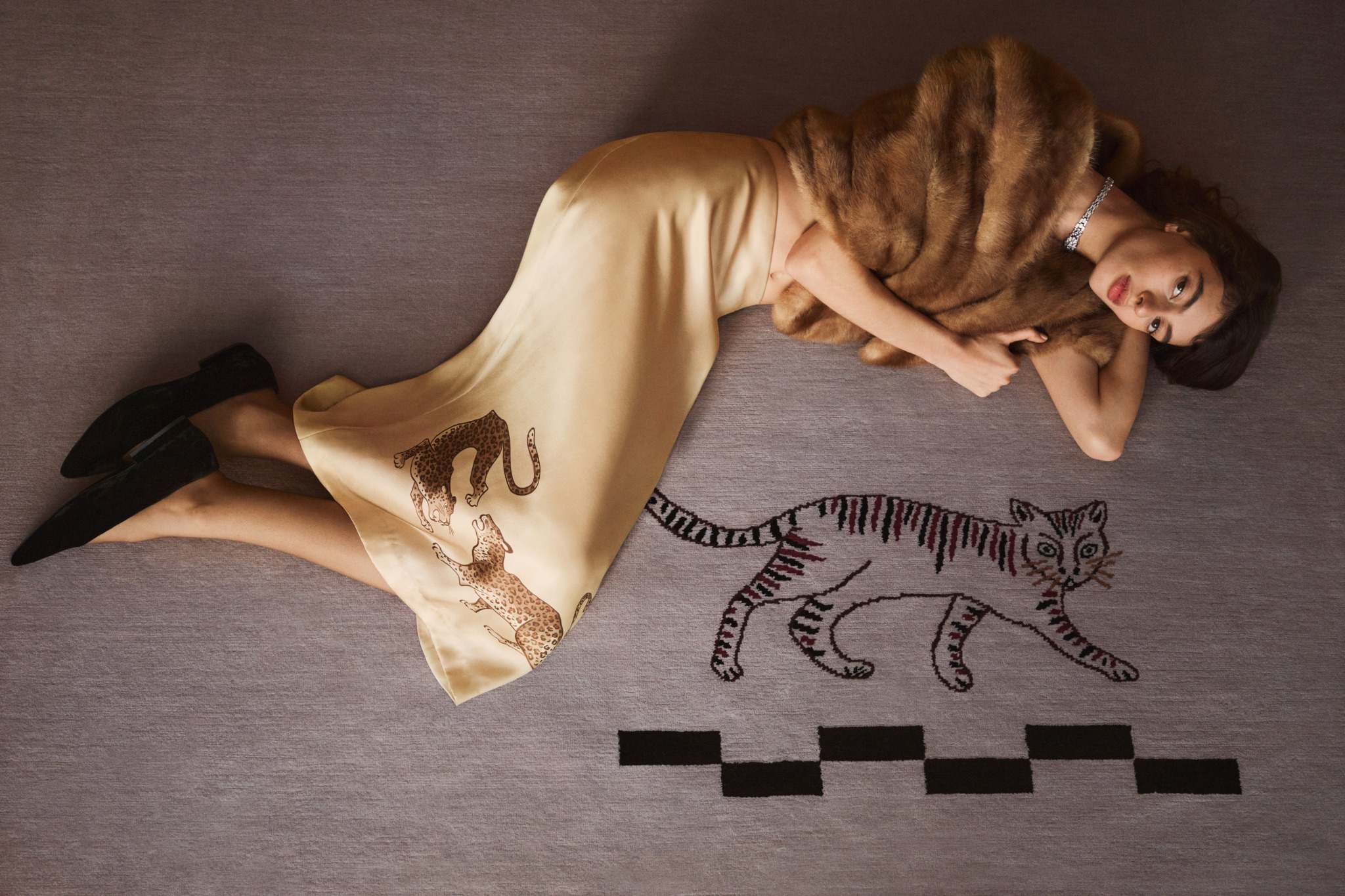
According to Lauren Caris Cohan, Reformation’s chief creative officer, the impetus for the collection was organic. Shoppers frequently inquired about the provenance of the rugs anchoring the dressing rooms and display areas, admiring the unique juxtaposition of luxury and playfulness. Cohan’s admiration for Coccimiglio’s craftsmanship laid the groundwork for a formal collaboration. She notes that every piece produced by Les Éditions de Tapis functions as an autonomous work of art, balancing high-end craftsmanship with a lighthearted visual narrative.
Rather than taking the conventional fashion-brand route of printing clothing patterns onto mass-market home goods, Cohan and Coccimiglio took a more deliberate approach. The resulting nine-piece collection avoids literal translations of apparel prints, focusing instead on capturing the atmospheric mood of the Reformation brand. The design process began with hand-drawn sketches, which were subsequently transformed into tactile floor art through traditional manufacturing methods.
Craftsmanship, Materials, and the Production Process
In an era dominated by fast-turnaround home decor and synthetic materials, the Reformation x Les Éditions de Tapis collection prioritizes heritage craftsmanship and meticulous production techniques. Each rug in the nine-piece series begins its life as an original hand-drawn motif before being handed over to skilled artisans in India and Nepal.
The manufacturing process relies heavily on traditional hand-knotting techniques, ensuring that each made-to-order piece possesses unique characteristics and exceptional durability. This dedication to artisanal production aligns with Reformation’s broader ethos of intentional consumption, emphasizing longevity, quality over quantity, and transparent supply chains.

Aesthetically, the designs draw inspiration from antique textiles and classical decorative traditions, yet they are filtered through a modern lens. The visual language of the collection is defined by deliberate restraint. Instead of overwhelming the surface with dense patterns, many of the rugs feature generous expanses of open, softly colored backgrounds. This negative space allows figurative motifs—such as delicate palm trees, whimsical swans, and other nature-inspired elements—to stand out as focal points. Enclosing decorative borders add a structured, frame-like quality reminiscent of historic tapestries, seamlessly bridging historical referencing with contemporary minimalism.
Chronology of a Fashion-to-Home Transition
The journey from store décor to a dedicated residential collection spans several years of retail evolution. Reformation’s physical stores have long served as testing grounds for the brand’s spatial design concepts, where Coccimiglio’s custom rugs played an integral role in establishing a warm, inviting residential atmosphere.
As foot traffic in Reformation boutiques grew, so did customer demand for the interior furnishings. Recognizing an untapped market and a synergy between their respective design philosophies, Cohan and Coccimiglio initiated discussions for a formal capsule collection. The collaboration required months of artistic development, refining the balance between Parisian interior elegance and Los Angeles casualism.
By opting for a made-to-order, limited-edition model, the brands mitigated excess inventory while ensuring uncompromising quality control. The collection officially debuted online, supported by material swatches displayed in select Reformation retail locations, allowing consumers to experience the texture and pile of the rugs before committing to a purchase. With price points starting at $1,000, the collection positions itself firmly in the luxury home décor segment, appealing to design-conscious consumers willing to invest in heirloom-quality pieces.

Broader Industry Implications and the Lifestyle Brand Phenomenon
Reformation’s entry into the home goods market reflects a broader, accelerating trend within the retail industry: the total lifestyle transformation. Contemporary apparel brands increasingly recognize that consumer loyalty extends beyond the closet. By curating complete living environments, fashion labels can deepen customer engagement, increase brand retention, and capture a larger share of wallet in the lucrative home furnishings market.
The collaboration with Les Éditions de Tapis also highlights the growing value of cross-disciplinary partnerships. By teaming up with an established niche artisan rather than an industrial manufacturer, Reformation maintains its cultural currency and design credibility. This strategy mirrors a wider shift in consumer preferences toward authentic collaborations, where heritage craft meets modern cool-factor.
Furthermore, the launch underscores the shifting dynamics of physical retail. As e-commerce giants dominate basic apparel sales, brick-and-mortar stores must offer an experiential environment that consumers cannot replicate online. Reformation’s ability to turn its physical store design into a standalone home collection demonstrates how immersive retail architecture can be monetized beyond the sale of clothing.
As the lines between fashion, art, and interior design continue to blur, collections like Reformation x Les Éditions de Tapis point toward a future where personal style is no longer confined to what one wears, but extends outward into the very spaces they inhabit. Whether these initial nine designs pave the way for a permanent home division remains to be seen, but the collaboration successfully proves that the distinct ease, elegance, and subtle wink of humor defining Reformation’s apparel translate remarkably well beneath the feet.