Beyond the Logo: How Maybelline USA President Yasmin Dastmalchi is Redefining Brand Partnerships Through Cultural Integration

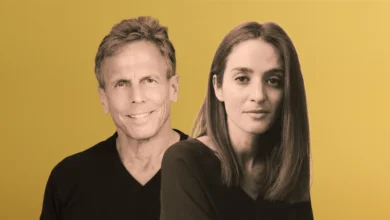
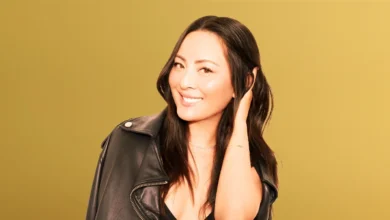
The traditional corporate sponsorship is officially dead at Maybelline and Essie USA, at least within the vocabulary of its leadership. Yasmin Dastmalchi, president of the two beauty powerhouses under the L’Oréal umbrella, has taken a definitive stance against the term. Speaking candidly at the Glossy Beauty & Wellness Summit held in Westlake Village, California, Dastmalchi revealed that she immediately halts any internal or external pitch containing the word. To
her, a standard sponsorship implies a lazy and superficial transactional relationship—namely, simply slapping a brand’s corporate logo onto an existing platform and hoping for consumer osmosis.
Instead, Dastmalchi is spearheading a radical shift toward deep cultural integration. Rather than paying for mere visibility, her strategy focuses on embedding Maybelline products directly into the fabric of consumers’ daily routines, favorite pastimes, and emerging digital behaviors. This philosophy has moved far beyond traditional commercial breaks and banner ads, reframing marketing as an interactive experience where the brand becomes an active participant in cultural moments rather than an interrupting sponsor.
The Evolution of Reality Television Integration: The Love Island Playbook
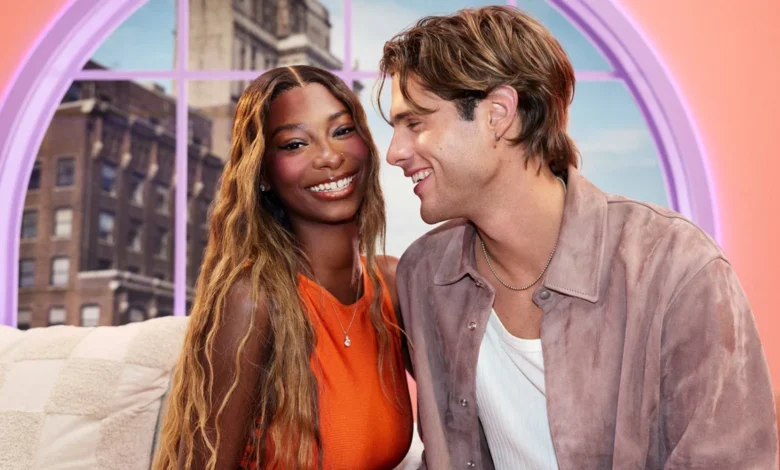
This philosophy has been most visibly tested through Maybelline’s ongoing collaboration with the hit reality television series Love Island USA. Marking its third consecutive year of partnership with the program during the summer season, the beauty giant positioned its Lifter Gel lip gloss at the absolute center of a high-stakes challenge on the show.
However, achieving this level of organic placement required a meticulous approach to production and consumer observation. Initially, Dastmalchi admitted to harboring reservations regarding how the cosmetic items would be perceived by a notoriously discerning audience. To mitigate this, she mobilized a dedicated internal team composed of devoted show fans. Rather than simply reviewing final broadcast cuts, these team members were tasked with analyzing broader consumer behavior surrounding the series. They monitored nationwide watch parties, examined fan forums, and tracked the social media accounts actively managed by the relatives of contestants while the cast members were isolated inside the villa.
This granular research revealed that the show’s near-nightly air schedule allowed it to act as a communal anchor in viewers’ lives. Recognizing this steady rhythm, Maybelline expanded its footprint far beyond the television screen. The brand collaborated with the show’s official mobile application to facilitate fan voting for the ultimate winners, and even constructed physical pop-up villas in New York City. By meeting consumers where they were already engaging—whether gathering for a group viewing session or navigating the app—Maybelline seamlessly wove itself into the social rituals of its target demographic.
Quantifying the Impact: Sales and Desirability Metrics
The operational shift away from passive logo placement proved to be a lucrative commercial gamble. According to retail data collected by Daash Intelligence, weekly sales of the Lifter Gel Lip Oil-in-Gel experienced a staggering tenfold increase between the show’s June 2 season premiere and its July 12 finale. To put this growth into perspective, the gloss accounted for less than 5 percent of Maybelline’s total lip product unit sales in May. By July, that figure had skyrocketed to over 30 percent.
Dastmalchi noted that the success extended well beyond short-term transactional spikes, noting a measurable lift in overall brand desirability, though she declined to quantify the precise reputational uplift. In a crowded marketplace where brand awareness is already nearly universal, Dastmalchi argues that awareness alone is no longer sufficient.
"Creating desirability and likability for us is really our top priority," she stated during the Westlake Village summit.
Modern beauty consumers frequently exhibit diverse shopping habits, often housing drugstore staples, prestige lines, and indie labels within the exact same makeup bag. A consumer might comfortably splurge on a luxury foundation while buying an eyeliner on impulse, or routinely repurchase a classic mascara out of sheer habit. Given this eclectic purchasing behavior, Dastmalchi emphasizes that the underlying reason a consumer chooses a specific lip gloss must be rooted in emotional resonance and cultural relevance, rather than mere brand recognition.
Expanding the Blueprint: From the Marathon to Original Entertainment
The reality television strategy is not an isolated experiment; it serves as a foundational blueprint that Maybelline has systematically applied to entirely different consumer environments. A prime example is the brand’s multi-year partnership with the New York City Marathon, which is also currently in its third year. Rather than treating the athletic event as a standard billboard opportunity, the Maybelline team studied the diverse motivations of the participants, tailoring their engagement to runners chasing personal records, first-time finishers, and spectators alike.
In a further departure from conventional advertising, Maybelline ventured into the realm of original serialized entertainment. Last holiday season, the brand capitalized on the rising popularity of short-form digital dramas by reuniting Hot Frosty stars Lacey Chabert and Dustin Milligan for a five-part vertical series titled Maybe This Christmas. Designed specifically to showcase the brand’s Instant Eraser concealer, the series was distributed across TikTok, YouTube, and ReelShort—platforms where digital consumers actively seek out bite-sized serialized narratives.
Dastmalchi explained that the core creative brief was simple yet rigorous: produce episodes that viewers organically wanted to begin, with each narrative installment immediately compelling them to watch the next. By adopting the pacing and allure of independent entertainment rather than traditional commercial messaging, the brand successfully bypassed ad-fatigue.
Navigating the Future of Discovery Through Artificial Intelligence
As consumer discovery habits continue to evolve at a breakneck pace, Maybelline is channeling the same core philosophy—paying meticulous attention to what people are already doing online—into emerging technological frontiers. On October 29, the brand officially launched a virtual makeup try-on feature integrated directly into ChatGPT, utilizing ModiFace augmented reality technology developed by parent company L’Oréal.
Through this AI-powered interface, shoppers can request personalized cosmetic recommendations, preview various shades in real-time using their device’s camera, and follow a direct link to complete a retail purchase. To illustrate the practical utility of this tool, Dastmalchi returned to her running analogy. Imagine a marathon runner searching for a high-performance lipstick capable of surviving a grueling race without requiring constant reapplication. Through the ChatGPT integration, that runner can receive a hyper-specific, context-aware product and shade recommendation precisely at the moment they are seeking an answer to a niche problem.
Broader Industry Implications and the Death of Traditional Advertising
Dastmalchi’s anti-sponsorship mandate arrives at a critical juncture for the global beauty and wellness sector. For decades, legacy beauty conglomerates relied heavily on blanket media buys, celebrity endorsements, and passive product placement to maintain market share. However, modern consumers—particularly Gen Z and millennial demographics—have developed sophisticated radar for inauthentic marketing.
Industry analysts note that consumers increasingly value utility, immersion, and community alignment over top-down corporate messaging. By eradicating the word "sponsorship" from her team’s lexicon, Dastmalchi is signaling a deeper cultural and operational transformation within Maybelline and Essie. The strategy forces brand marketers to abandon the comfort of the boardroom and instead study consumer behavior in the wild, whether that means decoding the social media dynamics of reality television contestants, understanding the psychological drivers of marathon runners, or anticipating the search queries of athletes utilizing artificial intelligence.
As digital platforms fragment and consumer attention spans grow increasingly scarce, the success of Maybelline’s recent campaigns suggests that the future of beauty marketing belongs not to those who shout the loudest from the sidelines, but to those who integrate themselves seamlessly into the human experience. Whether through a viral lip gloss on a reality dating show, a winter romance narrative on TikTok, or an AI beauty advisor embedded within a chat interface, Maybelline’s overarching strategy proves that the most effective advertising is the kind that doesn’t feel like advertising at all.