For millions of consumers navigating the transition to sustainable beauty products, the shampoo bar has emerged as a popular, plastic-free alternative. However, beneath the surface of this eco-friendly trend lies a complex chemical reality that many shoppers overlook: the pH level of the product. While marketing often focuses on scents, ingredients, and environmental impact, dermatological research suggests that the acidity—or alkalinity—of a shampoo is a critical factor in maintaining the long-term structural integrity of the hair shaft.
The conversation surrounding hair health and pH was significantly bolstered by a pivotal 2014 study published in the International Journal of Trichology. Conducted by researchers at the Instituto de Dermatologia Prof. Rubem David Azulay in Rio de Janeiro, the study titled "The Shampoo pH can be the Reason for Hair Damage" remains the foundational text for those arguing that a pH of 5.5 or lower is essential for healthy hair. Maria Fernanda Reis Gavazzoni Dias and her team analyzed 123 commercially available international shampoo brands, revealing a striking lack of uniformity in product formulation.
The Findings: A Wide Spectrum of Acidity
The Rio-based study discovered a vast range of pH values, spanning from 3.5 to 9.0. Perhaps most concerning for the average consumer is that 61.78 percent of the sampled products registered a pH higher than 5.5. The study further categorized these findings, revealing that professional salon products were more likely to fall within the ideal acidic range, with 75 percent measuring 5.5 or below. In contrast, only 34.37 percent of mass-market, "popular" shampoos met that same threshold.
The results for specialized categories were equally revealing. Anti-dandruff shampoos, often perceived as harsh, showed that over 80 percent had a pH higher than 5.5. Perhaps most notable was the finding regarding children’s products; 100 percent of the pediatric shampoos sampled measured above 5.5, with many reaching a neutral pH of 7.0. The researchers attributed this to the "no-tear" formulation philosophy, which prioritizes preventing eye irritation over the delicate pH balance of the hair and scalp.
The Physics of Frizz and Fiber Damage
The mechanism behind why pH matters is rooted in electrical charge. The hair fiber possesses an isoelectric point—a state of neutrality—at approximately 3.67, while the scalp typically maintains a pH of around 5.5. When a shampoo is too alkaline, it increases the negative electrical charge on the surface of the hair fiber. This elevation in negative charge results in increased friction between individual hair strands.
In the world of trichology, friction is the primary antagonist of hair health. It leads to the cuticle becoming raised and damaged, which manifests as frizz, tangles, and eventually, mechanical breakage. The researchers concluded that the industry’s shift toward lower pH formulations is not a matter of subjective preference but a necessity for reducing the static electricity that plagues hair fibers. Because surfactants—the agents responsible for cleaning—are largely anionic, they naturally leave the hair with a negative charge. Manufacturers often add cationic or amphoteric surfactants to neutralize this, but if the overall pH of the shampoo is too high, this neutralization process is fundamentally compromised.
The Evolution of the Solid Bar: Soap vs. Syndet
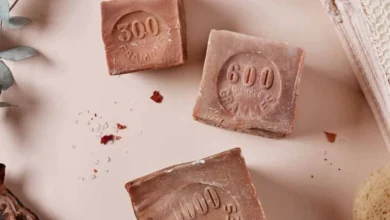
The surge in popularity of shampoo bars has added a layer of complexity to this discussion. Consumers often conflate "shampoo bars" with "soap bars," but from a chemical standpoint, they are distinct. Traditional soap is created through the saponification of fats and oils using an alkali, such as sodium hydroxide. This process inherently results in an alkaline product, often with a pH between 9 and 10.
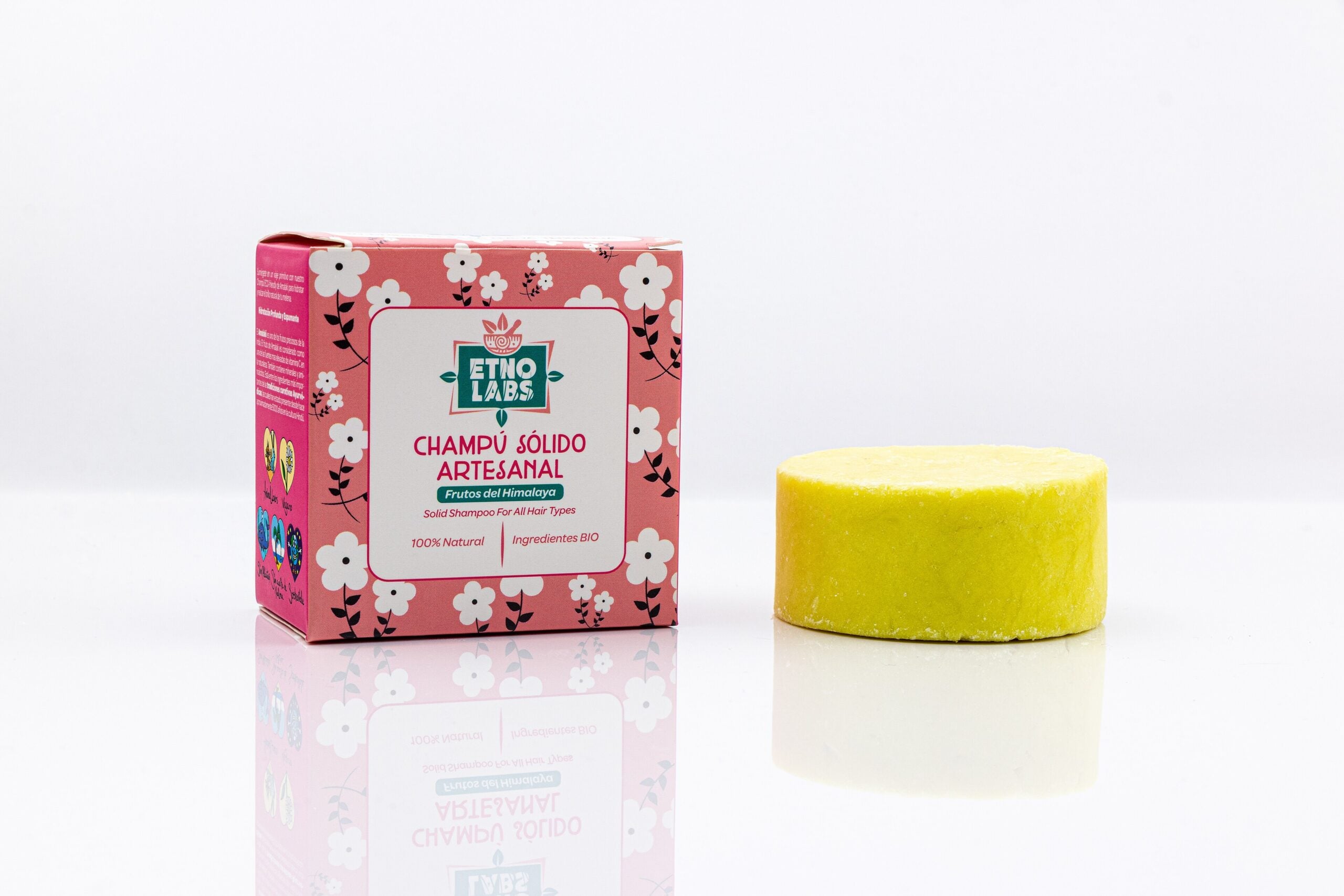
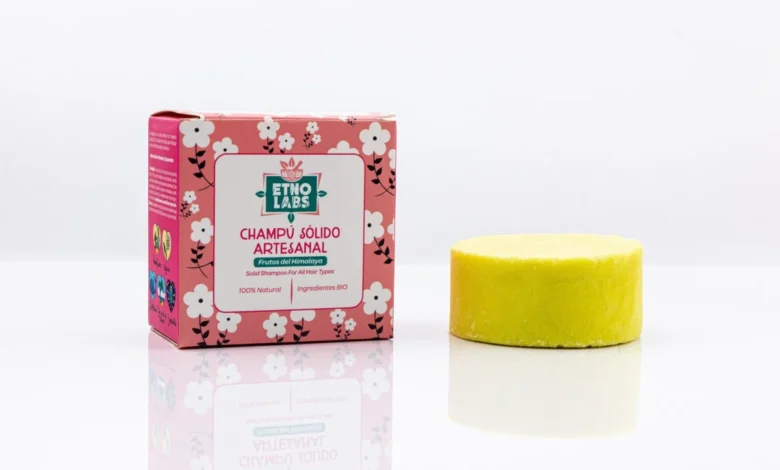
When soap comes into contact with water, it leaves behind an alkaline residue. This residue can interact with minerals in hard water to form calcium salts—or "soap scum"—that deposits onto the hair shaft. This accumulation leaves hair feeling dull, waxy, and difficult to manage. Conversely, the modern "syndet" bar (short for synthetic detergent) is engineered differently. These bars are formulated using surfactants that can be adjusted to a specific, skin-and-hair-friendly pH, typically in the 4.5 to 5.5 range.
Leading sustainable brands have begun to address this disparity in their marketing. For instance, brands like Ethique and HiBAR have explicitly started publishing pH data on their websites to differentiate their syndet-based products from traditional soap-based alternatives. Ethique maintains that its bars are 100 percent soap-free, targeting an "optimally balanced" range of 4.5 to 5.5. HiBAR’s internal data follows a similar trajectory, though they offer specialized formulas like their "Soothe" line that dips as low as a pH of 3.
Implications for the Consumer
For the environmentally conscious consumer, the implications of these findings are threefold. First, it is imperative to distinguish between soap-based bars and syndet bars. If a product is described as a "true soap," it will inevitably possess an alkaline pH, which may necessitate the use of a balancing rinse, such as diluted apple cider vinegar, to neutralize the hair after washing. If the user does not follow up with a conditioner, the hair is left in a state of high pH that can lead to long-term dryness and damage.
Second, the lack of transparency in the beauty industry remains a significant hurdle. While the authors of the 2014 study strongly advocated for the mandatory labeling of pH levels on all shampoo bottles, the industry has yet to adopt this as a standard practice. Consumers are currently left to rely on the brand’s voluntary disclosures or their own testing, which is rarely practical.
Third, it is important to temper expectations. No shampoo—regardless of its pH—is a cure for pre-existing dryness caused by environmental factors like winter air or heat styling. The study was focused on the prevention of damage caused by the washing process itself. By choosing a product with a pH near 5.5, a consumer is effectively minimizing the mechanical stress placed on the hair during the cleansing phase, creating a healthier environment for the hair to retain its natural moisture.
Moving Toward Standardized Care
The scientific community continues to call for further research to establish a definitive, industry-wide "gold standard" for shampoo pH. While the current consensus points to the 5.5 range as an ideal target, variables such as hair treatment history—specifically for those with lightened or chemically processed hair—add another layer of nuance. Lightened hair, which has lost much of its protective epicuticle and cysteine content, may require even more acidic products to maintain structural stability.
As the beauty industry moves toward greater transparency and stricter ingredient oversight, the demand for pH-neutral, performance-backed cleansing products is likely to grow. Until such time as government regulators mandate the disclosure of pH values, the burden of education falls on the consumer. Before purchasing a new product this winter, shoppers should look for explicit claims of "soap-free" formulations, verify the manufacturer’s provided pH ranges, and be wary of products that offer no information regarding their acidity.
Ultimately, the goal for hair care should be a routine that cleanses without disrupting the electrical balance of the fiber. By moving away from the convenience of traditional alkaline soaps and toward scientifically balanced syndet formulations, consumers can effectively reduce the friction and static that contribute to the cycle of damage and dryness. The science is clear: for healthy hair, the pH level is not just a technical detail—it is the cornerstone of effective hair maintenance.