A Comprehensive Guide to Ethical and Eco-Friendly Bath Towels in the UK for Sustainable Living

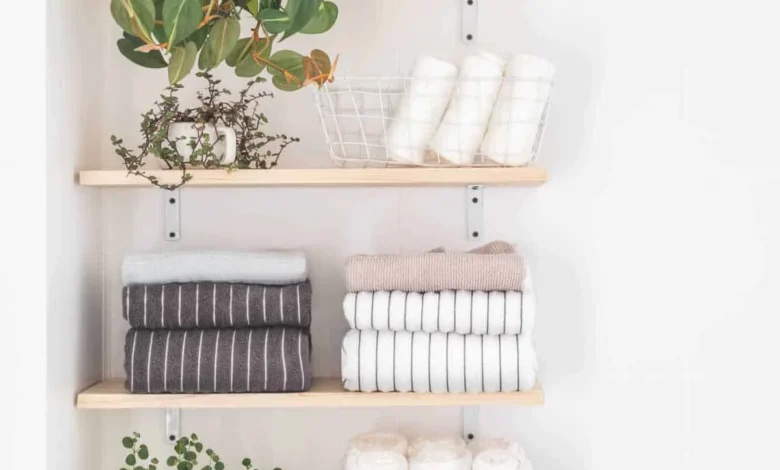
The movement toward sustainable household management has expanded far beyond kitchen recycling bins and energy-efficient lightbulbs. Increasingly, British consumers are turning their attention to the bathroom, transforming a space traditionally associated with single-use plastics and high resource consumption into an epicenter of eco-friendly practices. While early adopters focused primarily on minor swaps—such as transitioning to bamboo toothbrushes, solid shampoo bars, and refillable liquid soap dispensers—the modern green home audit now extends to soft furnishings. When household linens reach the end of their lifecycle, replacing them with ethical and sustainable alternatives has become a priority for environmentally conscious households across the United Kingdom.
Navigating the market for eco-friendly textiles, however, presents significant challenges. The global textile industry is notoriously opaque, and the home goods sector is frequently plagued by greenwashing—a marketing tactic where companies exaggerate or falsely claim environmental benefits to appeal to conscious consumers. Discerning genuine sustainability from clever marketing requires a rigorous examination of supply chains, manufacturing processes, material sourcing, and labor standards. To simplify this complex landscape, a thorough market analysis reveals which UK brands genuinely deliver on their promises of environmental stewardship and social responsibility.
Understanding the Textile Industry: Why Conventional Towels Fail the Environment

To appreciate the value of sustainable towels, one must first understand the environmental toll of conventional textile manufacturing. Standard bath linens are typically made from conventional cotton. While cotton is a natural, biodegradable fiber, industrial-scale farming of conventional cotton is chemically intensive. It accounts for a disproportionate amount of the world’s insecticides and pesticides, which disrupt local ecosystems, degrade soil health, and contaminate vital water sources through agricultural runoff. Furthermore, the processing, bleaching, and dyeing of standard towels often involve toxic chemicals that pose health risks to factory workers and pollute local waterways in manufacturing hubs.
Beyond environmental degradation, human rights concerns plague the conventional textile supply chain. From seed to storefront, traditional cotton production frequently relies on exploitative labor practices, inadequate wages, and unsafe working conditions, particularly in developing nations where oversight is lax. For a bathroom upgrade to be truly sustainable, it must address both ecological preservation and social equity. Consequently, discerning consumers look beyond surface-level aesthetics and demand rigorous, independent verification.
Key Standards and Certifications to Watch For
When shopping for sustainable towels in the UK, relying on vague brand claims is insufficient. Independent certifications provide the most reliable safeguard against greenwashing. Industry experts recommend looking for several key standards:
Global Organic Textile Standard (GOTS): Widely regarded as the gold standard for organic textiles, GOTS certification ensures that the cotton is grown without synthetic pesticides or genetically modified seeds. More importantly, the GOTS framework oversees the entire supply chain, certifying not only the organic integrity of the fiber but also demanding strict environmental criteria—such as wastewater treatment regulations—and fair labor practices based on International Labour Organization (ILO) norms.
OEKO-TEX Standard 100: This certification focuses on consumer safety and chemical management. Textiles bearing the OEKO-TEX label have been rigorously tested at every stage of production for the presence of harmful substances. This guarantees that the final product is free from toxic chemical residues that could be absorbed by the skin, and ensures safe handling for factory workers.
Global Recycled Standard (GRS): For products utilizing recycled materials—such as post-consumer plastic bottles or reclaimed yarn—the GRS provides verification of recycled content, chain of custody, social and environmental practices, and chemical restrictions throughout the manufacturing process.
Fairtrade Certification: Fairtrade standards ensure that farmers and workers receive a fair price for their labor, encouraging sustainable farming practices and community investment while prohibiting forced labor and child labor.

Navigating Alternative Fibers: The Bamboo Dilemma
While organic cotton remains the industry standard for sustainable home textiles, alternative materials frequently enter the conversation. Bamboo, in particular, is heavily marketed as a miraculous eco-friendly fabric due to the plant’s rapid growth rate, minimal water requirements, and lack of pesticide needs.
However, industry analysts urge caution. While the raw bamboo plant is undeniably sustainable, transforming woody bamboo stalks into soft, luxurious rayon or viscose requires a highly chemical-intensive manufacturing process. Solvents such as carbon disulfide are frequently used to break down the plant material, and if these industrial effluents are not managed and treated responsibly, they can pose severe hazards to factory workers and local ecosystems. Because verifying the closed-loop processing of bamboo textiles remains difficult across many global supply chains, many sustainability experts advise scrutinizing bamboo brands meticulously or opting for certified organic cotton and closed-loop recycled alternatives instead.
Leading Sustainable Towel Brands Available in the UK
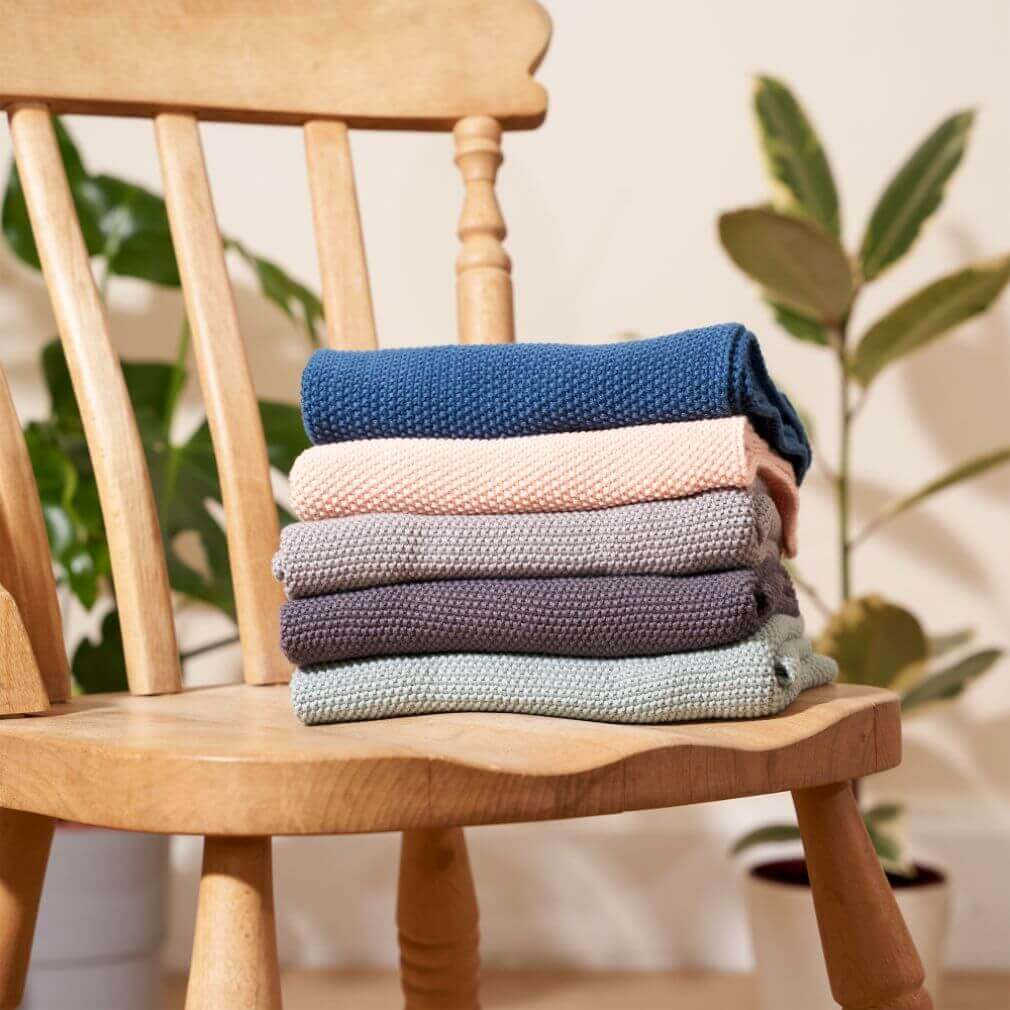
A select group of ethical brands has emerged as leaders in the UK market, offering transparent manufacturing processes, high-performance products, and verified sustainability credentials.
Cottsbury: Setting the Benchmark for Organic Luxury
Cottsbury provides a prime example of rigorous textile sourcing, offering bath linens crafted entirely from 100% GOTS-certified organic cotton. Grown without harmful chemicals, the cotton features long-staple fibers designed to maximize softness, absorbency, and long-term durability. Cottsbury manufactures its entire collection within Fairtrade Certified facilities in India, utilizing independent audits and routine factory visits to guarantee safe working conditions and fair wages. Furthermore, the brand addresses packaging waste by shipping orders in reusable organic cotton bags constructed from surplus fabric generated during the production of other company goods.
Dock & Bay: Pioneering Post-Consumer Recycled Plastics

For households seeking alternatives to traditional cotton, Dock & Bay approaches sustainability through the lens of a certified B-Corporation—a business model legally bound to meet high standards of verified social and environmental performance, public transparency, and legal accountability. The brand utilizes 100% recycled post-consumer plastic bottles to manufacture its quick-drying bath and beach towels. Each compact, foldable towel repurposes a minimum of five plastic bottles, with suppliers adhering strictly to Global Recycled Standard protocols. Environmental advocates note that while recycled polyester and plastic-derived textiles are brilliant for diverting waste from landfills, they can shed microplastics during laundering. Consequently, experts recommend washing these items inside specialized microplastic-catching laundry bags, such as a Guppyfriend bag, to prevent synthetic fibers from entering wastewater systems.
Wild & Stone: Combining Ethical Sourcing with Ocean Conservation
Wild & Stone offers hand towels manufactured in India from dual-certified organic cotton, holding both GOTS and OEKO-TEX Standard 100 accreditations. Demonstrating a holistic commitment to environmental impact, the company avoids air freight, opting instead for sea shipments to drastically reduce the carbon footprint associated with international logistics. Additionally, Wild & Stone utilizes plastic-free, fully recyclable packaging and allocates a percentage of every retail purchase directly to the Marine Conservation Society, aligning domestic home upgrades with marine habitat protection.
House of Hampton: Championing Zero-Waste Remnant Yarn

Addressing the massive issue of pre-consumer textile waste, House of Hampton utilizes a zero-waste approach by crafting striped bath and hand towels from leftover cotton remnant threads. By repurposing surplus yarn that would otherwise be discarded during the manufacture of other textile goods, the brand produces distinctive, one-of-a-kind designs at an accessible price point. This closed-loop utilization of industrial waste significantly lowers the demand for virgin resource extraction while offering consumers a vibrant, coordinated aesthetic for their bathrooms.
Dip & Doze: Transparent Fairtrade Cotton Farming
Dip & Doze centers its product philosophy on meticulous supply chain transparency and ethical partnerships. Working exclusively with 100% organic Fairtrade cotton sourced through non-profit agricultural initiatives, the brand supports small-scale family farming communities. These agricultural partners utilize sustainable crop rotation and natural pest management, completely eliminating synthetic chemical fertilizers and genetically modified organisms. Because the entire supply chain is Fairtrade certified, consumers are guaranteed that every stage of production—from the harvesting of the raw seed to the final stitch—adheres to strict social welfare and environmental standards.
Natural Collection: Classic Comfort with GOTS Verification

For consumers seeking conventional plush textures combined with verified ecological credentials, Natural Collection offers GOTS-certified organic cotton towels manufactured in Turkey. Known for their exceptional absorbency and soft hand-feel, these linens are produced in a wide variety of coordinating colors, allowing households to easily integrate sustainable luxury into existing bathroom décors without compromising on aesthetic preferences.
Luks: Embracing Lightweight, Space-Saving Turkish Linens
Representing a departure from traditional, ultra-thick terrycloth towels, Luks specializes in handcrafted, traditional Turkish Peshtemal linens made from GOTS-certified organic cotton. While initially requiring an adjustment for consumers accustomed to heavy, fluffy bath sheets, lightweight woven towels offer distinct functional and environmental advantages. Because they are exceptionally thin, they dry rapidly in ambient air, eliminating the stagnant moisture and damp odors that plague thick towels in poorly ventilated bathrooms. Furthermore, their compact nature requires a fraction of the storage space in linen closets and dramatically reduces the load volume in domestic washing machines, saving water and energy over the product’s lifespan. Distributed through platforms like Buy Me Once—a retailer specializing in durable goods—Luks towels are built to such high standards of longevity that they are backed by a 20-year repair or replacement guarantee against manufacturing faults.
Broader Implications for Sustainable Home Economics

The growing consumer demand for certified ethical towels reflects a broader structural shift in home economics across the United Kingdom. As regulatory frameworks tighten and consumer awareness deepens, the home textile industry is facing mounting pressure to reform long-standing exploitative practices. Purchasing decisions are increasingly viewed by sociologists and environmental economists as active votes for systemic supply chain reform.
By investing in durable, independently certified organic or recycled linens, British households are signaling to manufacturers that greenwashing is no longer tolerated and that traceability from farm to bathroom is paramount. While upfront costs for certified organic or artisan-crafted textiles can occasionally exceed mass-market fast-fashion alternatives, their superior durability, paired with multi-decade guarantees from forward-thinking retailers, often results in a lower total cost of ownership over time.
Ultimately, upgrading a bathroom with sustainable towels demonstrates that environmental responsibility does not require sacrificing comfort or style. By carefully evaluating material origins, prioritizing independent certifications such as GOTS and Fairtrade, and supporting brands committed to circular manufacturing and labor welfare, consumers can successfully transform their daily routines into a reflection of conscious, sustainable living.