The Ultimate Guide to Ethical and Sustainable Men’s Underwear for 2026

The global market for sustainable apparel has reached a critical inflection point, transitioning from a niche subsector into a multi-billion-dollar industry driven by shifting consumer demands and rigorous environmental legislation. While womenswear has traditionally dominated the ethical fashion landscape, the men’s essential wear market is experiencing a profound transformation. As sustainability standards evolve through 2026, consumers are increasingly scrutinizing everyday basics, prompting brands to innovate with circular supply chains, certified organic fibers, and fair-wage manufacturing.
This comprehensive industry review examines the current state of eco-friendly and ethical men’s underwear available in the UK, analyzing the materials, manufacturing processes, and socio-economic impacts defining the sector this year.
The Environmental Imperative Behind Sustainable Essentials

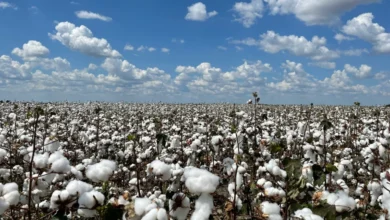
Historically, conventional underwear production has relied heavily on pesticide-intensive cotton agriculture and synthetic fibers derived from virgin petroleum. According to textile industry analysts, traditional cotton farming consumes roughly 2.5% of global arable land while utilizing a disproportionate share of global insecticides and pesticides. Furthermore, synthetic options such as polyester and nylon contribute significantly to microplastic shedding during laundering, presenting long-term ecological challenges for aquatic ecosystems.
In response to these environmental externalities, regulatory frameworks and consumer advocacy groups have pushed brands toward complete supply chain transparency. Certifications such as the Global Organic Textile Standard (GOTS), OEKO-TEX Standard 100, and Fairtrade International have become baseline benchmarks for consumers seeking verifiable ecological and ethical credentials. The 2026 landscape is defined not merely by the absence of harmful chemicals, but by regenerative agricultural practices, closed-loop manufacturing systems, and stringent labor protections.
Leading Brands and Material Innovations in 2026
The contemporary market features a diverse array of textiles designed to balance performance, comfort, and ecological integrity. Brands are utilizing advanced cellulosic fibers, recycled synthetics, and traceable organic agriculture to redefine everyday foundational garments.

JustWears and Advanced Cellulosic Engineering
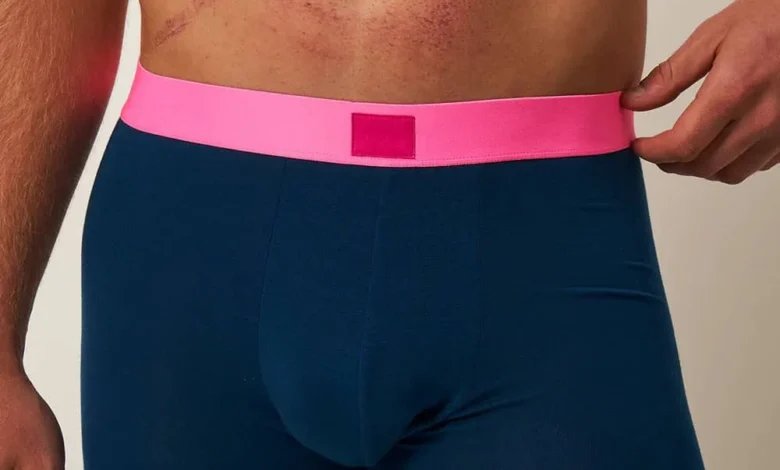
Specializing in ergonomic design and proprietary textile technology, JustWears has established a prominent position within the performance-focused sustainable underwear sector. The brand utilizes "MicroModal Air," a specialized modal fabric manufactured from sustainably cultivated European beechwood trees. Industry life-cycle assessments indicate that modal production requires significantly less water than conventional cotton and yields a smaller carbon footprint.
Beyond its environmental metrics, the fabric addresses functional consumer needs through natural moisture-wicking and antimicrobial properties. Engineered without traditional tags and utilizing an anti-roll waistband, the design prioritizes skin health and structural durability. Through the integration of longer inseams and ergonomic pouch construction, the brand exemplifies how technical performance can merge seamlessly with sustainable material sourcing.
Natural Collection Select and Traditional Organic Cotton
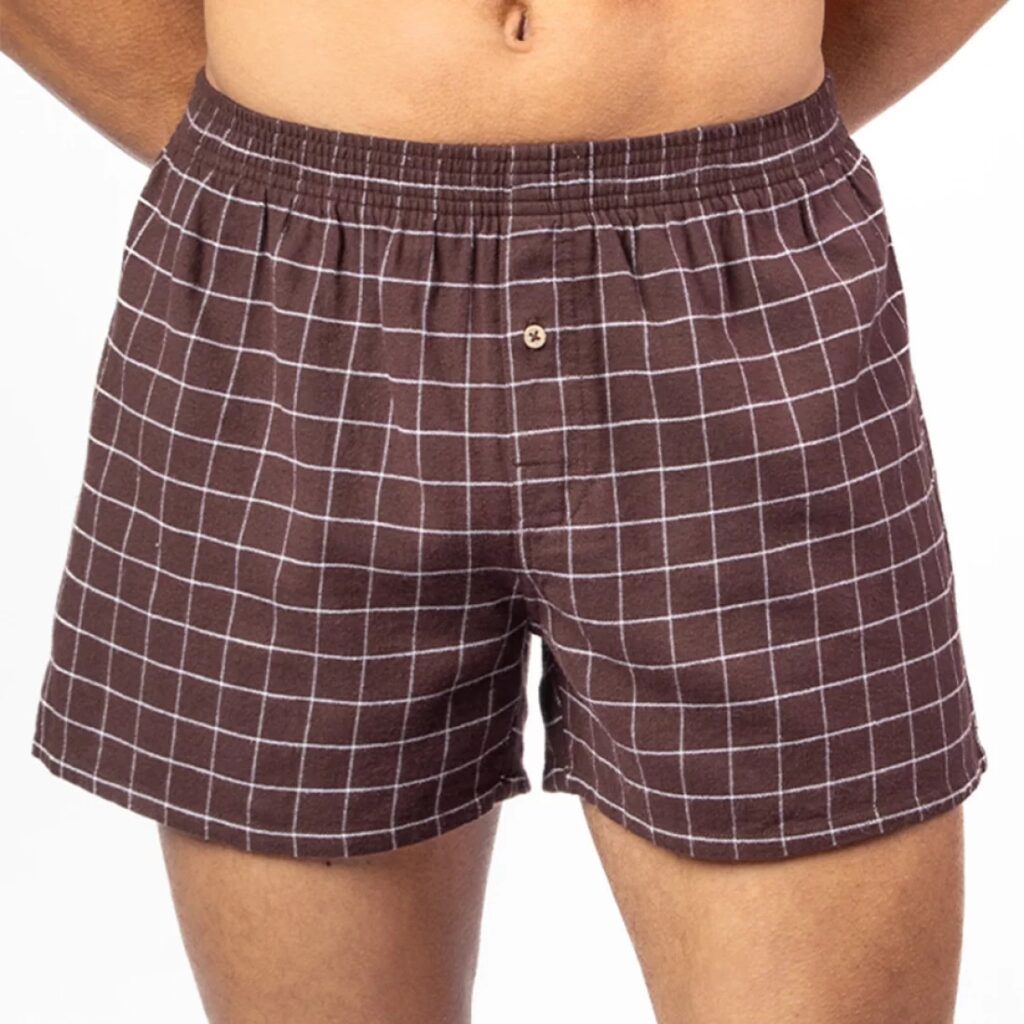
For consumers favoring traditional aesthetics and loose-fitting silhouettes, Natural Collection Select provides certified organic alternatives. Their flagship offerings utilize 100% GOTS-certified organic cotton, ensuring that no synthetic pesticides or toxic heavy metals enter the agricultural watershed. By avoiding synthetic elastane blends where possible in their loose boxer ranges, these products offer end-of-life biodegradability, aligning with circular economy principles that aim to eliminate textile waste entirely.
Project Pico and Fairtrade Supply Chains
Addressing the social pillars of sustainability, Project Pico focuses heavily on transparency and worker welfare within its supply chains. Manufacturing primarily in India using Fairtrade organic cotton, the brand maintains direct partnerships with farmer cooperatives.
Economic analyses of fair-trade models demonstrate that guaranteed minimum prices and Fairtrade premiums provide vital financial stability to agrarian communities. Project Pico’s manufacturing partners adhere to wage structures that significantly exceed regional legal minimums, facilitating access to interest-free housing loans and community infrastructure projects, such as clean water access and educational funding. Furthermore, the enterprise utilizes OEKO-TEX certified dyes coupled with closed-loop water filtration systems to prevent industrial runoff.

Stripe & Stare and Closed-Loop Tencel Production
Representing the ultra-soft segment of the market, Stripe & Stare utilizes Tencel Lyocell, a fiber derived from sustainably managed wood sources processed through a closed-loop solvent spinning system. Independent textile testing confirms that Tencel exhibits superior moisture management and softness compared to conventional cotton.
The brand’s operational model emphasizes complete plastic-free logistics, renewable energy-powered warehousing, and carbon-offset reforestation initiatives linked directly to consumer purchases. This holistic approach reflects a growing corporate trend toward net-positive operational impacts.
BAM and High-Performance Bamboo Blends

Based in Plymouth, BAM caters specifically to athletes and outdoor enthusiasts seeking technical performance underwear derived from bamboo viscose blended with organic cotton. Bamboo is celebrated for its rapid growth rate without the need for intensive irrigation or chemical fertilizers.
The resulting textiles offer natural thermo-regulating and odor-resistant properties, making them highly effective for high-output physical activity. Produced primarily within European and Turkish manufacturing facilities adhering to strict environmental and labor regulations, BAM’s offerings demonstrate that sustainable fabrics can meet rigorous athletic standards.
Y.O.U Underwear and B Corp Accountability
As a certified B Corporation and PETA-approved vegan enterprise, Y.O.U Underwear integrates social philanthropy directly into its commercial model. Using GOTS-certified organic cotton, the brand operates under SA8000 social accountability standards, ensuring comprehensive oversight of worker compensation, health, safety, and collective bargaining rights.

The company’s "buy one, donate two" partnership with the charity Smalls for All highlights a growing consumer demand for purpose-driven retail models. Additionally, pre-washing garments during production minimizes post-purchase shrinkage, thereby enhancing product longevity and consumer satisfaction.
Yes Friends, Rapanui, and Scalable Ethical Production
Market accessibility remains a crucial factor in the mass adoption of sustainable apparel. Brands like Yes Friends and Rapanui have leveraged economies of scale and renewable energy-powered manufacturing to offer competitively priced organic essentials.
Yes Friends has drawn critical acclaim from mainstream publications for combining GOTS-certified Fairtrade cotton with innovative direct-tipping mechanisms, allowing consumers to financially supplement garment worker wages directly. Meanwhile, Rapanui operates state-of-the-art facilities utilizing renewable energy and advanced closed-loop water systems that purify wastewater to potable standards, accompanied by entirely plant-based packaging solutions.

Nudie and Minimalist Circularity
Nudie complements its established position in the sustainable denim market with a curated collection of basic organic and Fairtrade cotton underwear. By utilizing interior screen-printed care labels in place of physical tags and packaging goods exclusively in recycled cardboard boxes, the brand minimizes material waste while maintaining strict traceability from seed to garment.
Market Implications and Future Outlook
The expansion of the ethical men’s underwear market through 2026 signals a permanent shift in consumer purchasing psychology. Driven by increased awareness of microplastic pollution, carbon footprints, and labor rights, buyers are increasingly viewing foundational garments as long-term investments in personal wellness and planetary health.

Industry analysts project that regulatory pressures, particularly concerning greenwashing claims and extended producer responsibility (EPR) laws, will accelerate these trends in the coming years. Brands that fail to secure verified third-party certifications and transparent supply chains risk losing market share to agile, impact-driven enterprises. Ultimately, the maturation of sustainable men’s essentials demonstrates that ethical production, high-performance functionality, and everyday comfort are no longer mutually exclusive, but rather the essential criteria for the future of modern apparel.