The Shift Toward Nontoxic, Refillable Household Cleaning Products: A Comprehensive Guide to Sustainable Living

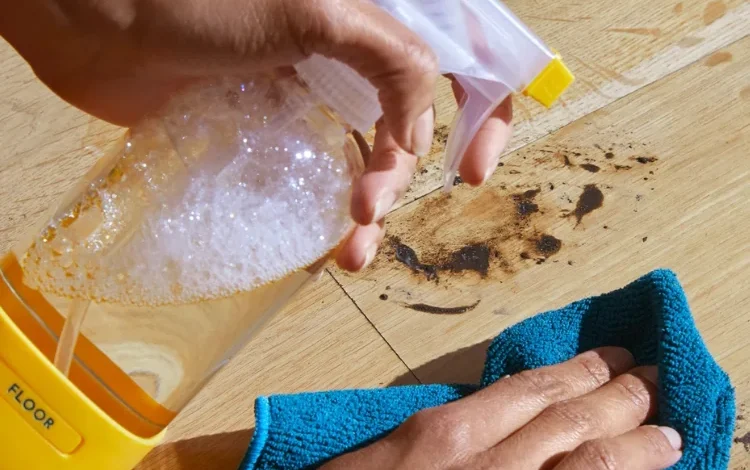
The modern consumer market is undergoing a quiet revolution driven by a growing awareness of indoor air quality, single-use plastic waste, and chemical exposure within the domestic sphere. For decades, traditional household cleaning products have relied on petrochemicals, synthetic fragrances, and robust plastic packaging. However, recent scientific studies linking volatile organic compounds (VOCs) and conventional cleaners to respiratory issues, skin irritation, and aquatic pollution have prompted a significant shift in consumer behavior. Today, eco-conscious households are increasingly turning to nontoxic, refillable cleaning brands that minimize single-use plastic waste while offering rigorous performance standards. This comprehensive analysis explores the landscape of sustainable cleaning alternatives, examining how innovative brands are reshaping an industry traditionally dominated by waste.
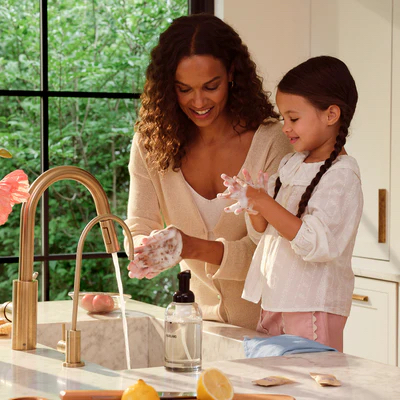
The Environmental and Health Imperatives Behind Sustainable Cleaning

The urgency driving the transition toward green cleaning products is underscored by escalating environmental statistics and public health research. According to data compiled by environmental advocacy groups, the United States alone generates between 50 billion and 60 billion pounds of single-use plastic packaging annually. A substantial fraction of this waste originates from household goods, including laundry detergent jugs, dish soap bottles, and multi-surface cleaner sprays.
Beyond plastic waste, the chemical composition of conventional cleaning agents poses documented risks to indoor environments. Research published by organizations such as the Environmental Working Group (EWG) indicates that standard household cleaners emit hundreds of hazardous chemicals. When sprayed and scrubbed, these substances linger on surfaces and vaporize into indoor air as volatile organic compounds. According to the American Lung Association, chronic exposure to these airborne pollutants can trigger or exacerbate asthma, allergic reactions, and other respiratory illnesses. Furthermore, when these chemical residues are rinsed down domestic drains, they enter municipal wastewater systems, frequently impacting aquatic ecosystems and wildlife habitats.
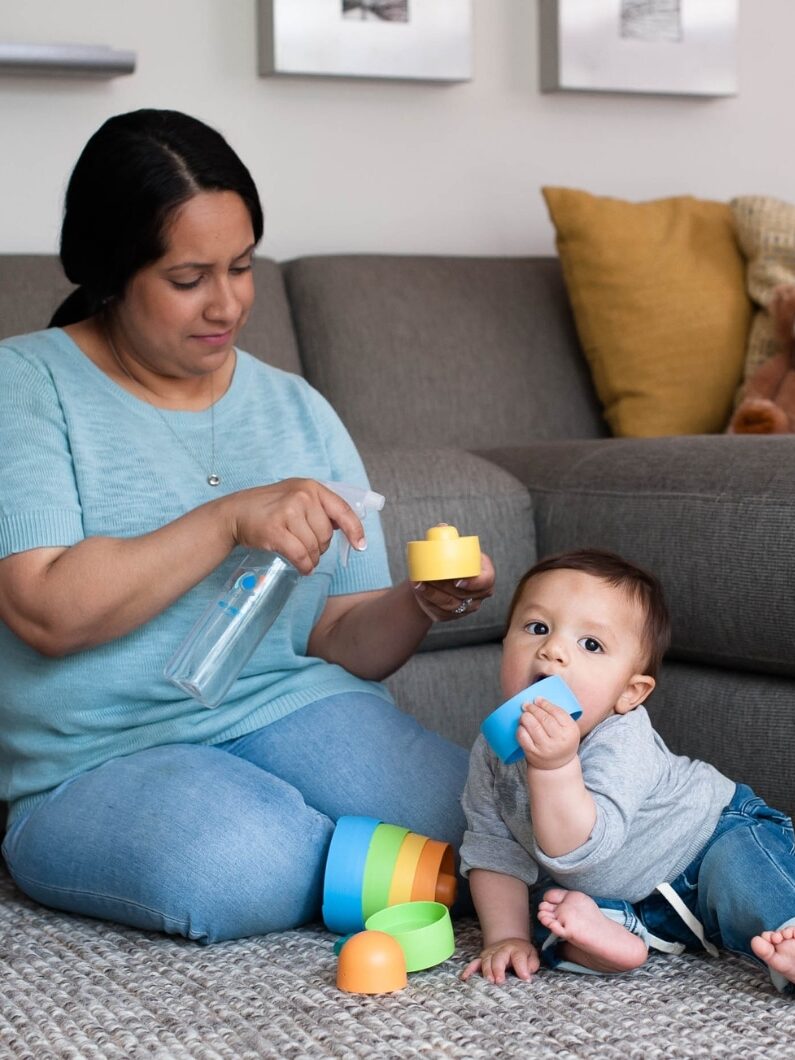
To mitigate these risks, consumers are increasingly demanding transparency, plant- and mineral-based formulations, and circular packaging models. Refillable cleaning systems—ranging from water-soluble tablets and concentrated pouches to bulk paperboard containers—address both the chemical and plastic crises by enabling users to retain durable dispensers while replenishing only the active cleaning agents.

An In-Depth Look at Leading Refillable and Nontoxic Cleaning Brands
The market for sustainable cleaning products has matured significantly, featuring specialized brands that cater to diverse consumer needs, aesthetic preferences, and budgetary constraints. Below is an evaluation of the industry’s foremost contributors.

-
Blueland: Pioneering the Just-Add-Water Tablet Model
Founded by Sarah Paiji Yoo with the explicit mission of eliminating single-use plastic from cleaning routines, Blueland operates as a Certified B Corporation and Climate Neutral company. The brand’s core innovation relies on compressed, dry cleaning tablets for multi-surface cleaners, glass sprays, and bathroom solutions, alongside dissolvable pods for laundry and toilet care. Consumers purchase durable glass or steel starter bottles once and replenish them using tablets packaged in compostable paper wrappers. Formulated without parabens, VOCs, ammonia, phthalates, chlorine, or bleach, Blueland’s products utilize plant- and mineral-based ingredients that appeal to environmentally conscious households seeking minimalism and efficacy.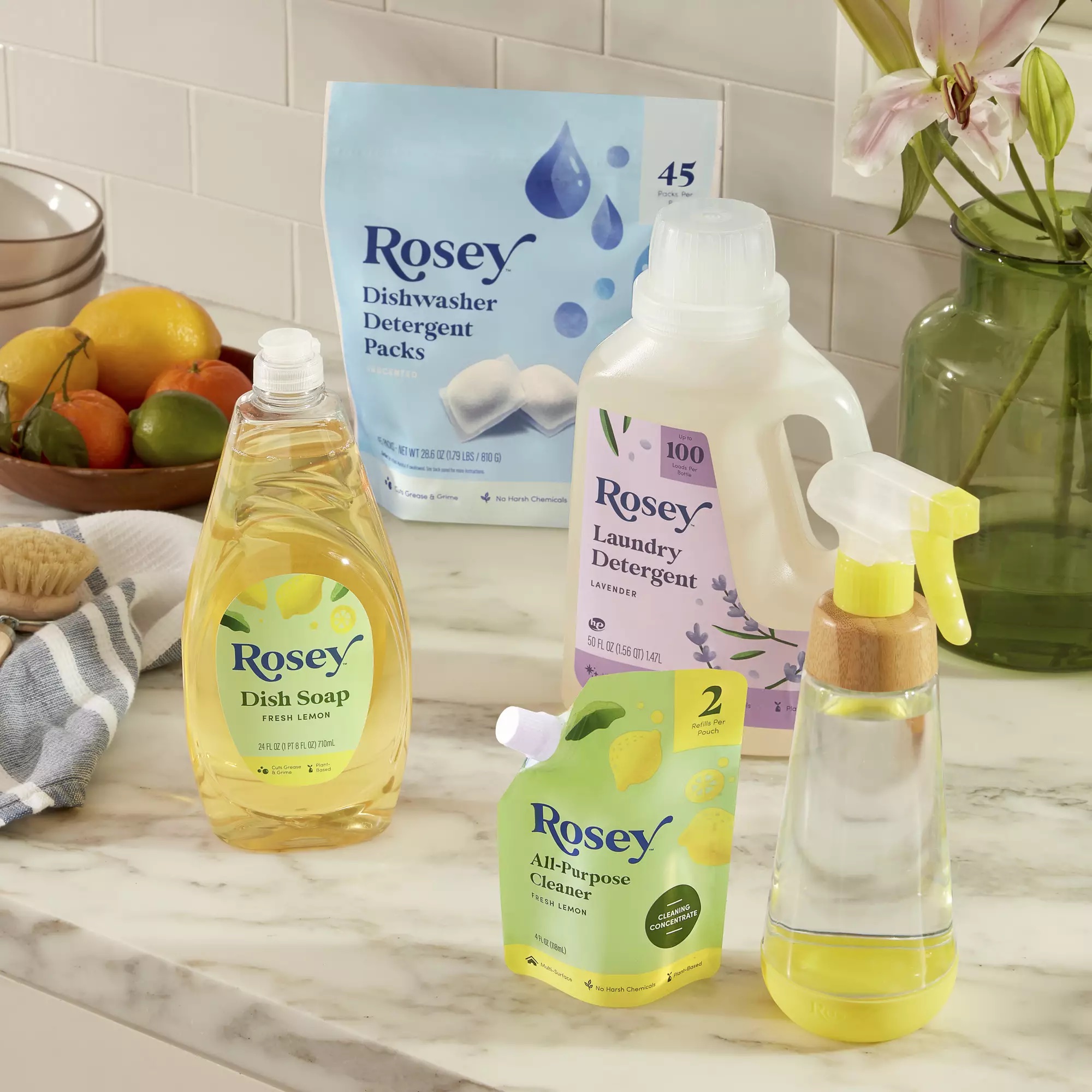
-
Force of Nature: Advanced Electrolyzed Water Disinfection
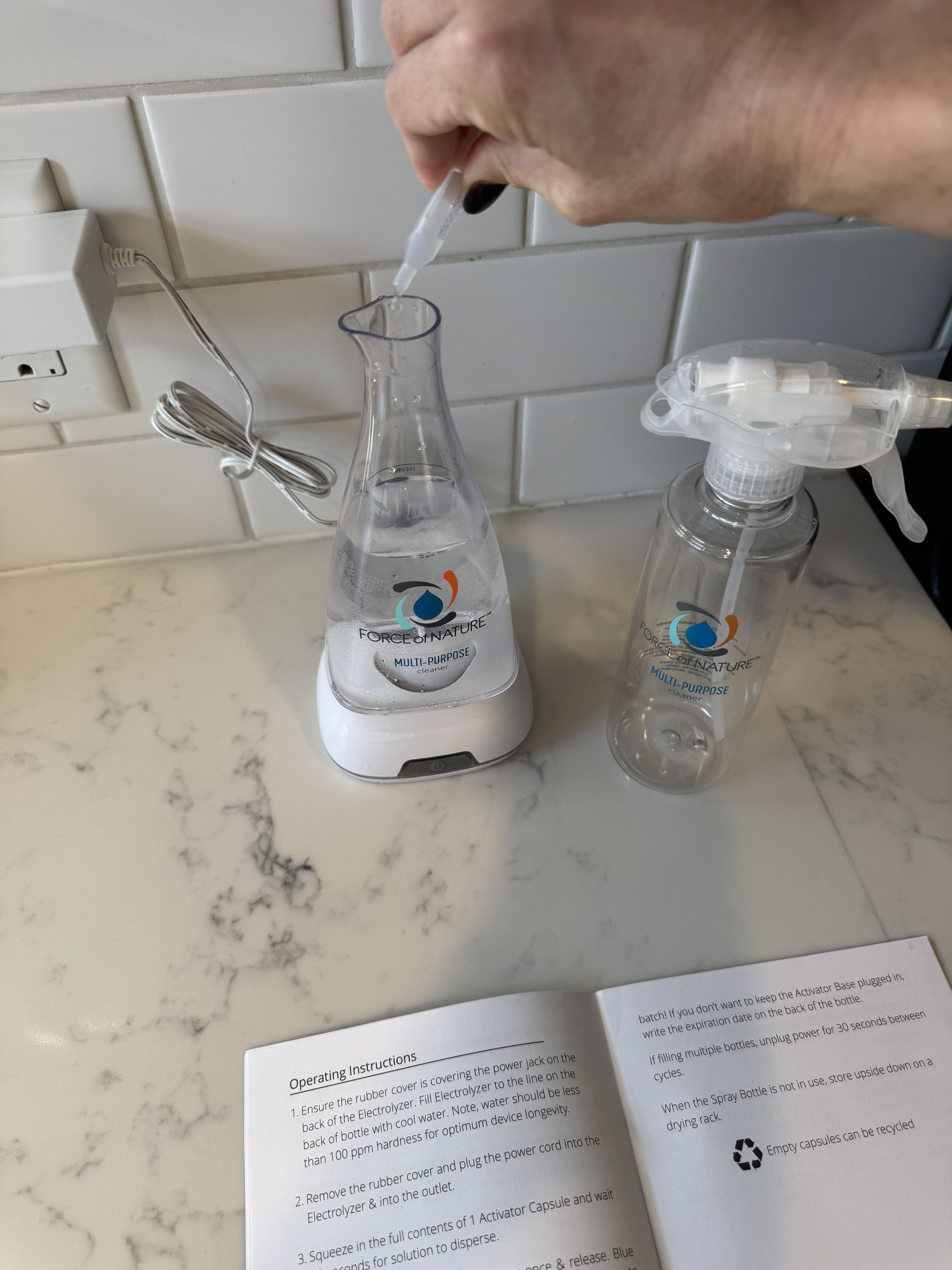
Force of Nature approaches home sanitation through an appliance-based electrolytic system. By combining tap water with small capsules containing salt, water, and vinegar, the device utilizes an electrical charge to convert the mixture into hypochlorous acid and sodium hydroxide. This EPA-registered disinfectant kills 99.9% of germs—including pathogens such as Norovirus and SARS-CoV-2—without utilizing synthetic fragrances, dyes, or harsh surfactants. Certified by the National Eczema Association, the system significantly reduces single-use plastic consumption while offering a chemical-free disinfecting alternative for sensitive households.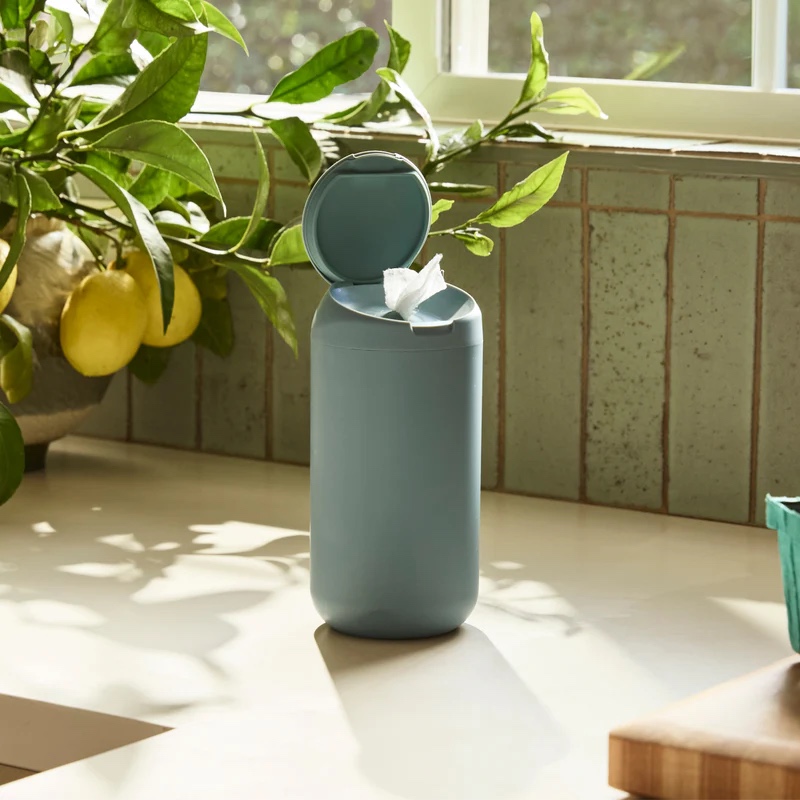
-
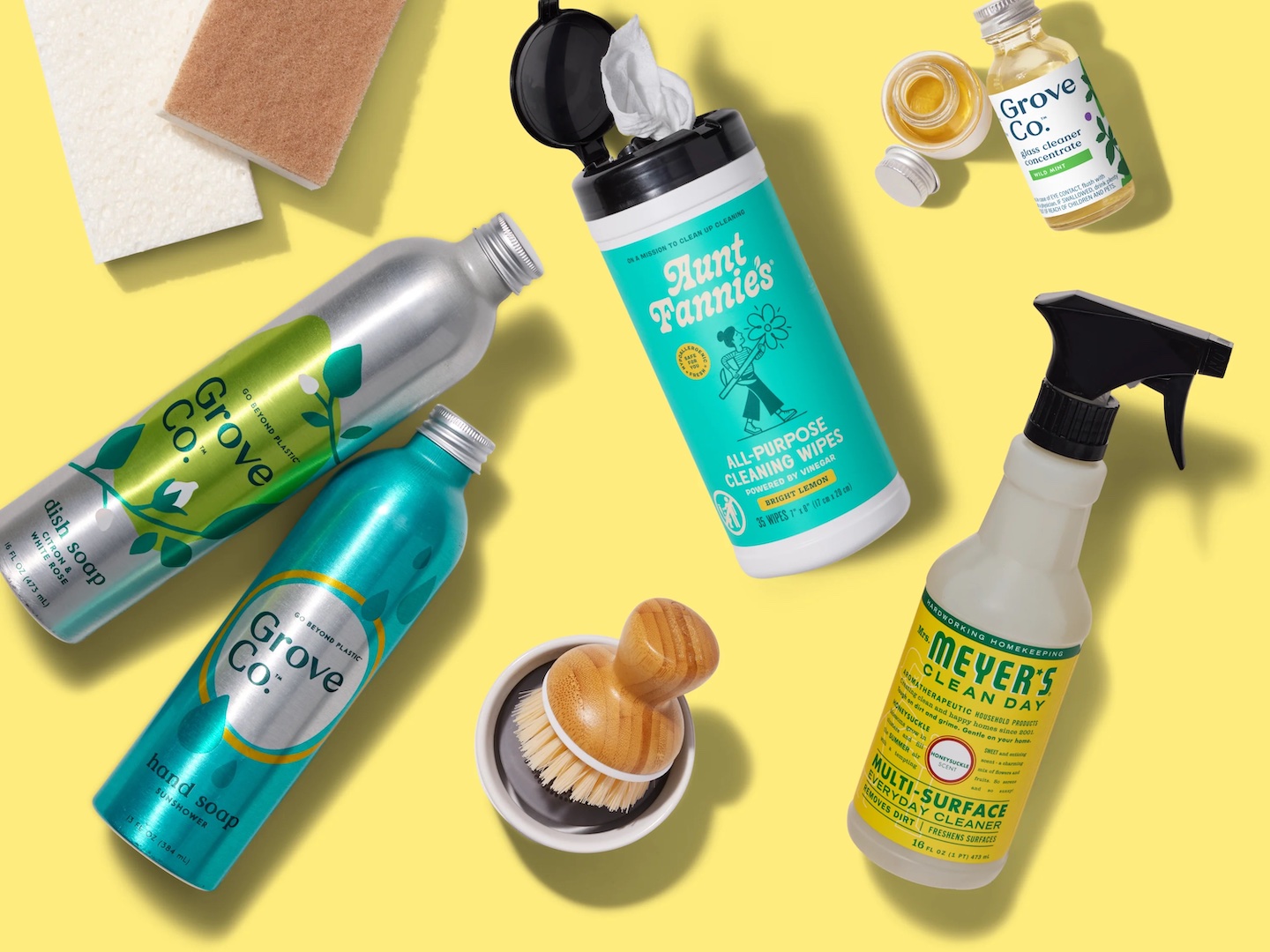
Grove Collaborative: Comprehensive Plastic-Free Home Care
Grove Collaborative has established itself as a major purveyor of sustainable home goods, offering an extensive catalog of plastic-free and refillable cleaning solutions. From concentrated floor cleaners and dish soaps to glass spray bottles and aluminum containers, Grove emphasizes circularity. The company partners with prominent environmental organizations, including rePurpose Global, 5 Gyres, and The Nature Conservancy, to advance its plastic-neutral and zero-waste commitments. Grove’s concentrated refill model allows users to mix solutions at home, drastically reducing the carbon footprint associated with shipping heavy, water-filled commercial cleaning jugs.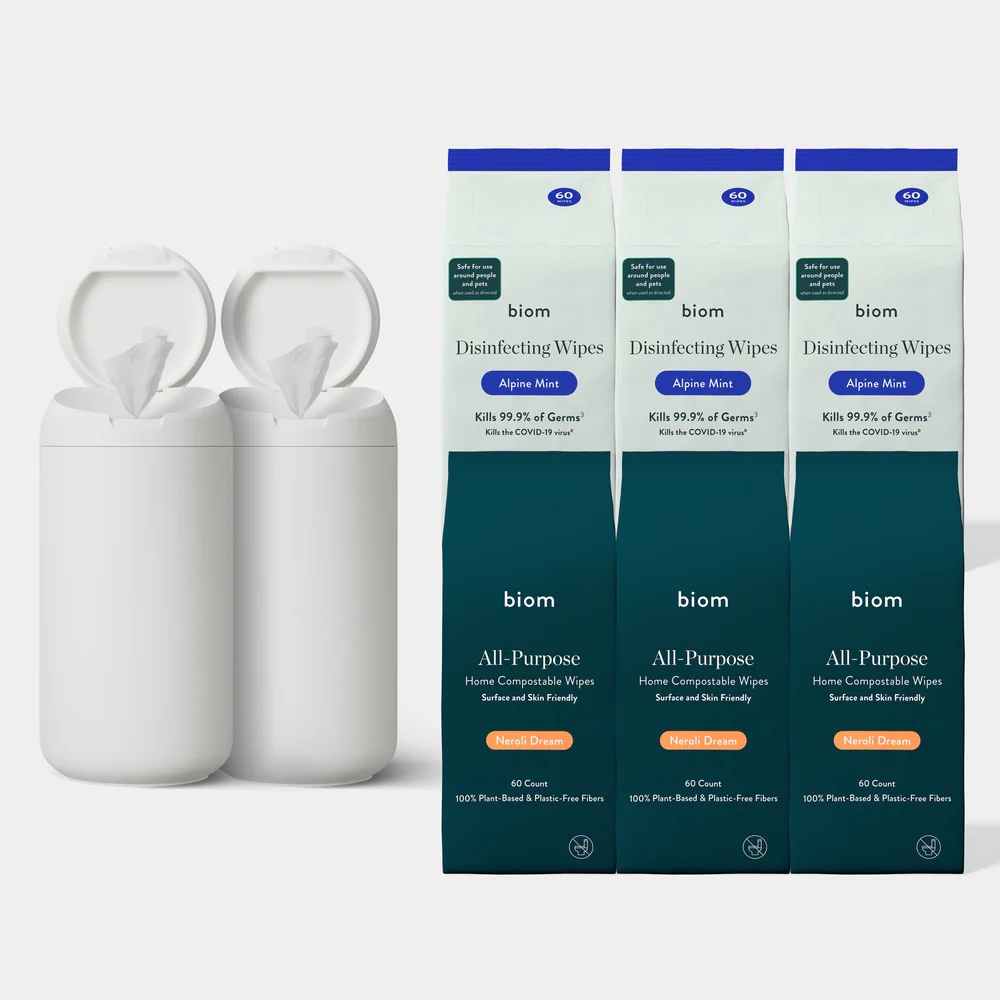
-
Thrive Market (Rosey): Affordable Plant-Powered Essentials
Through its proprietary home-care line, Rosey, Thrive Market provides budget-friendly, plant- and mineral-powered cleaning products designed to make sustainable living accessible to a broader demographic. Rosey offers concentrated refills for all-purpose cleaners, dish soaps, and glass sprays packaged in minimalist pouches. Thrive Market operates as a carbon-neutral enterprise with zero-waste-certified fulfillment centers, actively investing in regenerative agriculture and community donation programs that match annual membership purchases with equivalents for individuals in need.
-
Biom: Specialized Plant-Based Wipes and Dispensers
Recognizing the environmental toll of conventional disposable disinfecting wipes—which often contain synthetic plastics and non-biodegradable fibers—Biom engineered a premium system centered around compostable, plant-based fibers and durable, countertop-worthy dispensers. Biom’s wipes are dermatologist-tested and pediatrician-approved, utilizing essential oils rather than synthetic fragrances. By pairing reusable, BPA-free dispensers with home-compostable refill packs, the brand bridges the gap between everyday convenience and ecological responsibility.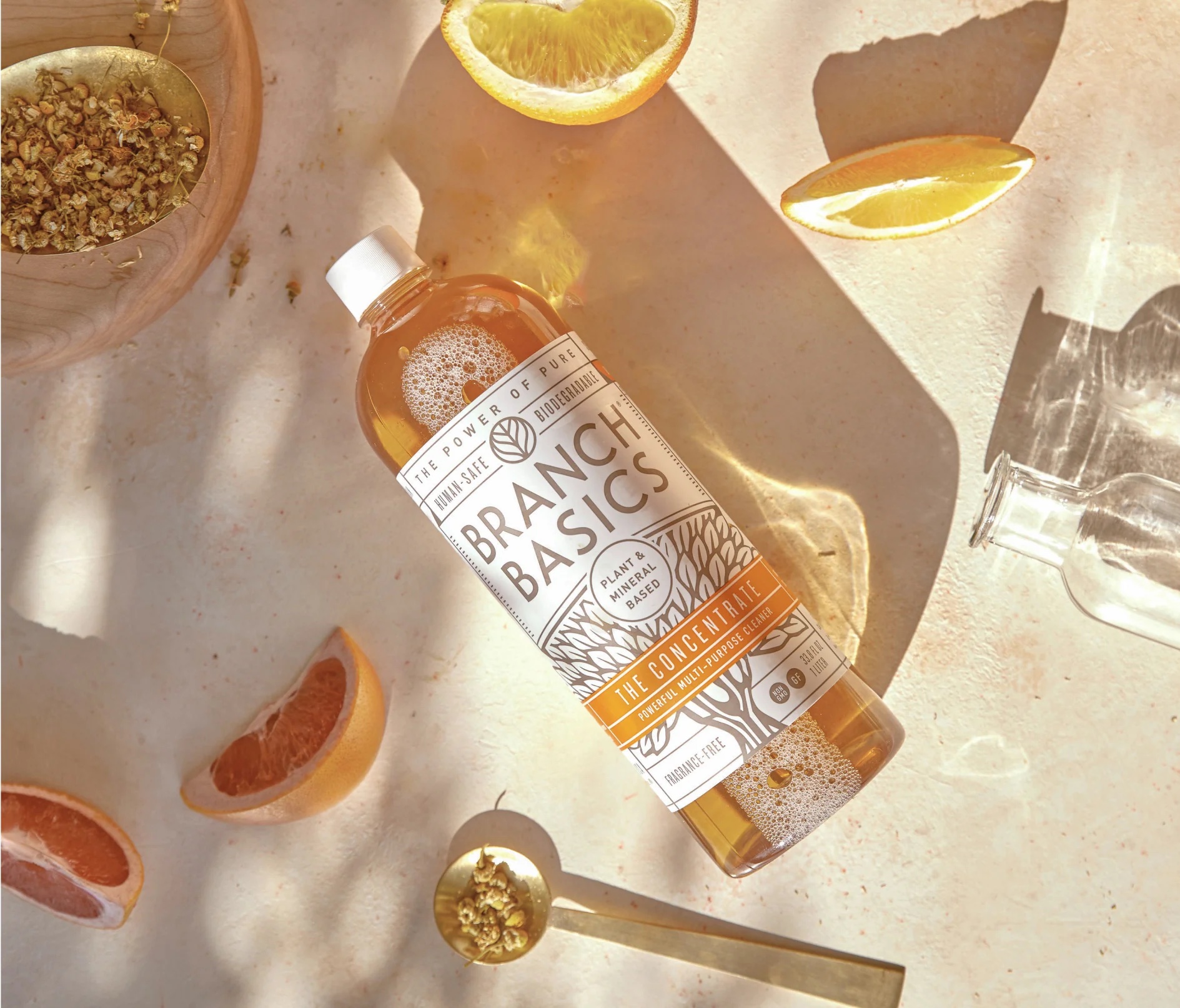
-
Branch Basics: Multi-Purpose Concentrates for Sensitive Skin
Branch Basics focuses on simplicity and hyper-allergenicity through its flagship product, The Concentrate. Developed to replace a multitude of specialized cleaners, this plant- and mineral-based formula can be diluted with water in specific ratios to create everything from laundry detergent and bathroom cleaner to hand wash and carpet spot treatments. Certified as a Made Safe product, the formula is entirely fragrance-free, biodegradable, and formulated with natural water softeners, making it a primary recommendation for families managing severe chemical sensitivities or asthma.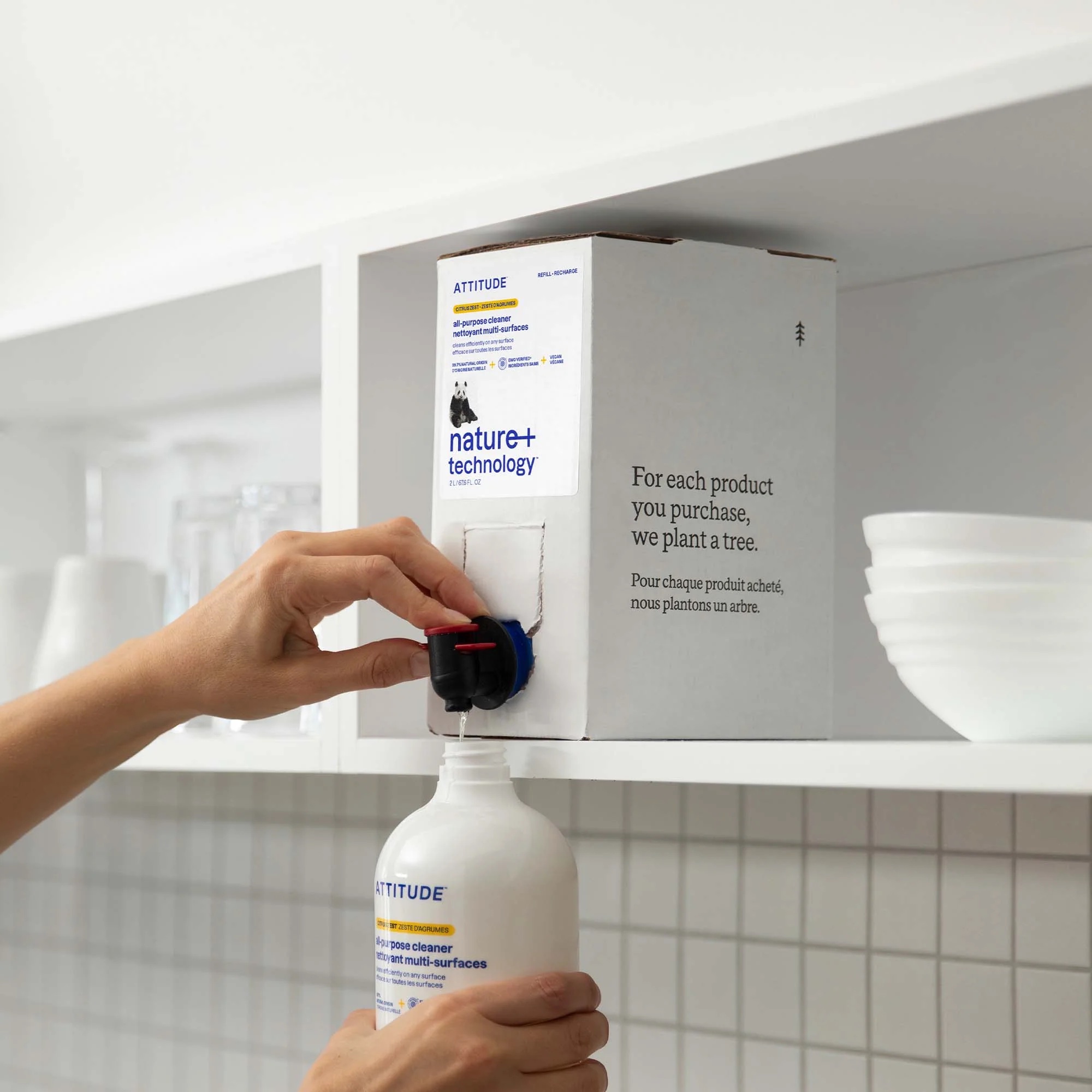
-
ATTITUDE: EWG-Verified and High-Capacity Refills
ATTITUDE integrates rigorous third-party certification into its product lineup, featuring numerous items verified by the Environmental Working Group (EWG). Utilizing naturally derived, vegan, and cruelty-free ingredients, the brand offers high-capacity eco-refill boxes—often containing two liters of product equipped with an integrated spigot. This bulk approach allows consumers to repeatedly replenish smaller spray bottles and soap dispensers while minimizing packaging waste. ATTITUDE has further reinforced its environmental commitment by planting millions of trees to offset operational emissions.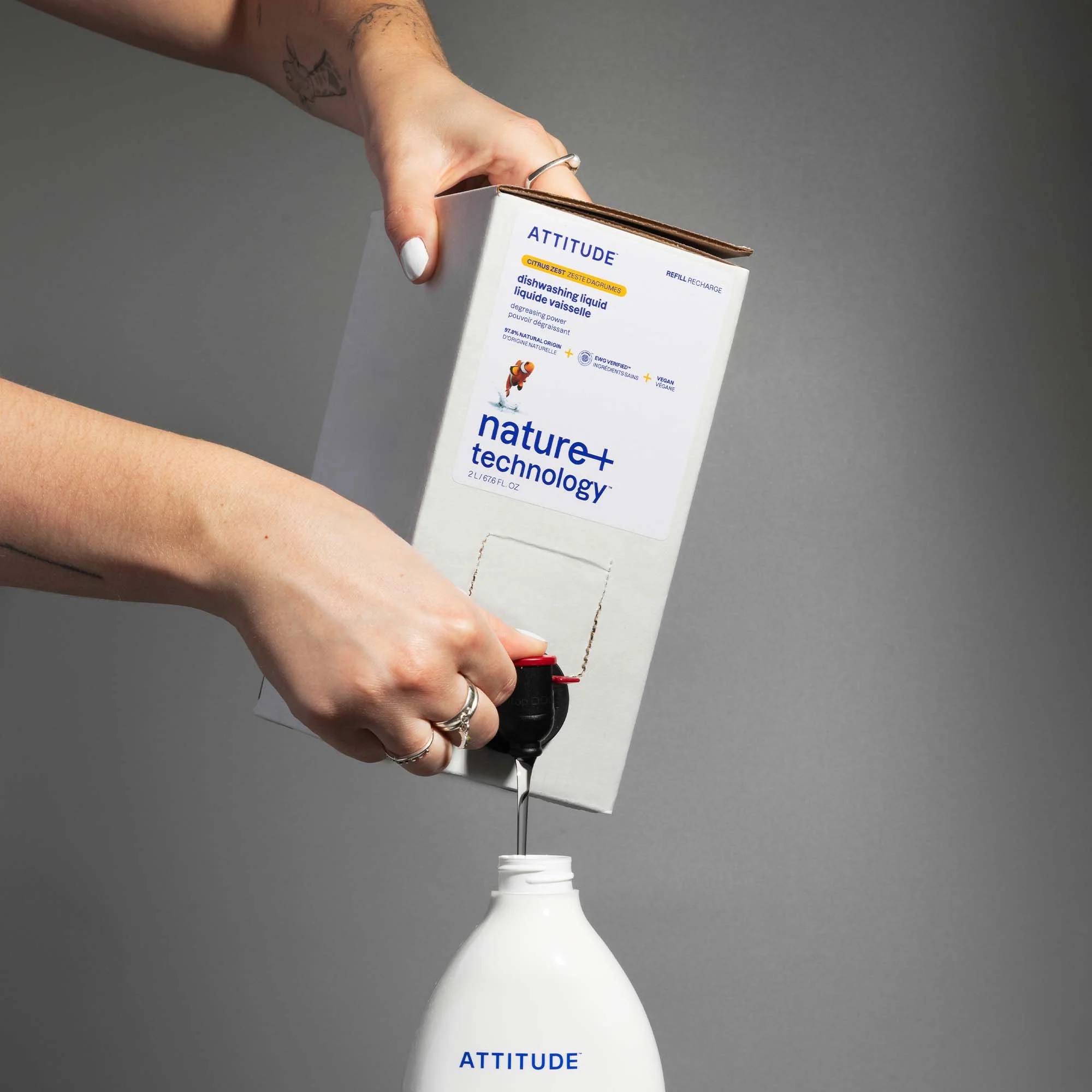
-
Common Good: Closed-Loop Packaging and Post-Consumer Recycled Materials
Inspired by traditional refilling models observed internationally, Sacha Dunn founded Common Good to bring aesthetic design and safe chemistry to the domestic cleaning market. Utilizing plant-based, biodegradable formulas infused with essential oils, the brand offers refill options housed in boxes constructed from 65% post-consumer recycled cardboard. Common Good also features a closed-loop take-back program for the plastic liners inside its refill boxes, ensuring that packaging components are responsibly processed rather than sent to landfills.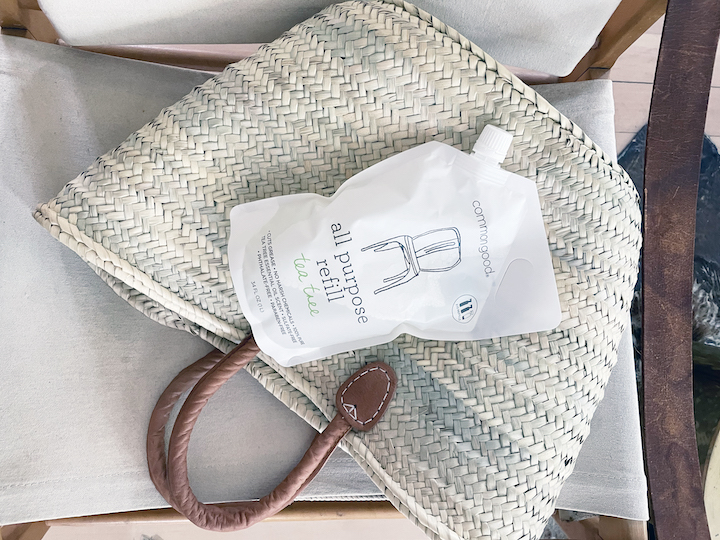
-
Puracy: Hypoallergenic Formulations and Philanthropic Impact
Developed by a team of chemists and medical professionals, Puracy provides a comprehensive suite of sulfate-free, phosphate-free, and hypoallergenic cleaning products. The brand’s refill pouches utilize up to 90% less plastic, energy, and water compared to traditional rigid containers. Beyond its product formulations, Puracy maintains an extensive philanthropic footprint, having donated hundreds of thousands of products to non-profits and protected over a million hectares of forest through international reforestation partnerships.
-
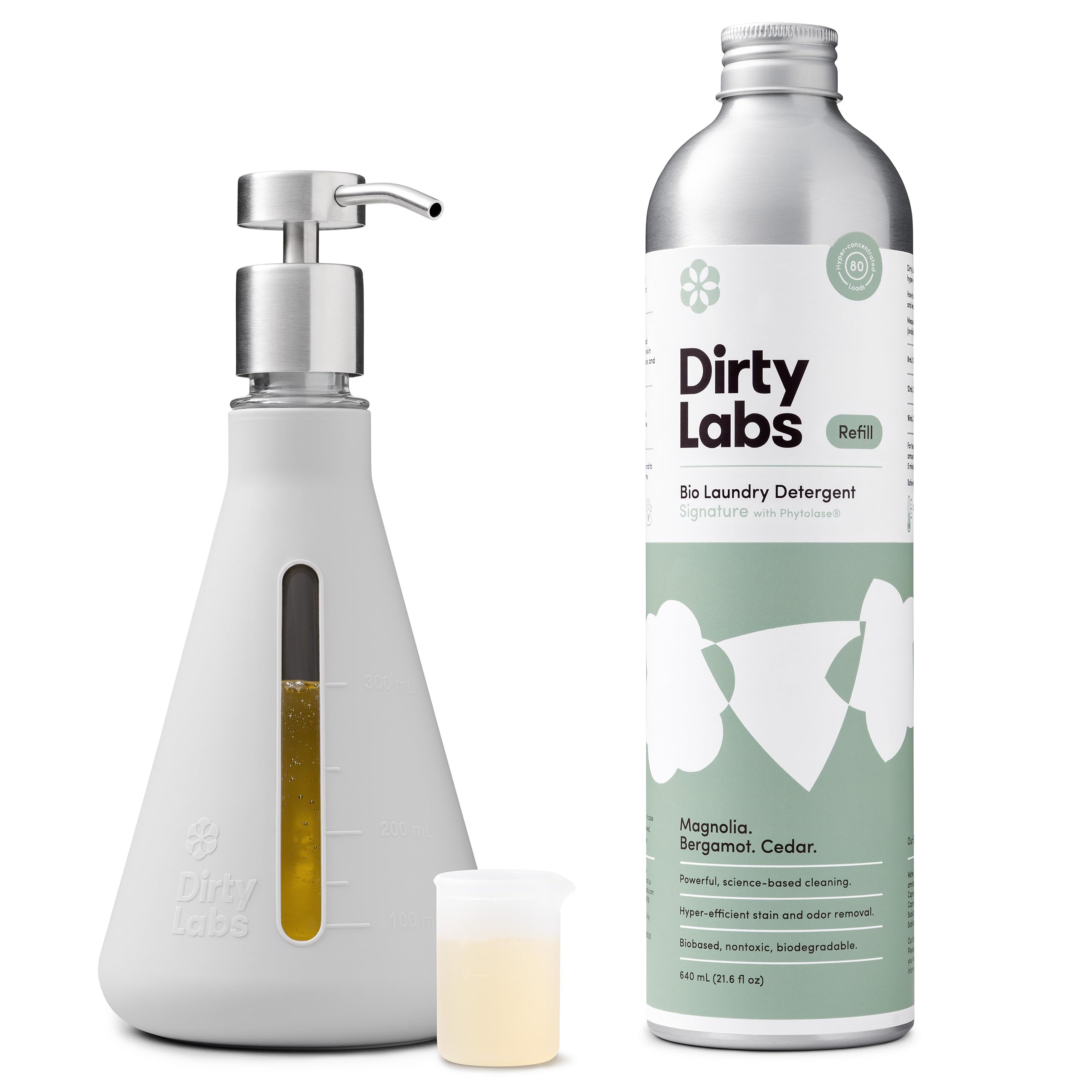
Dirty Labs: Advanced Bio-Enzyme Technology
Co-founded by Dr. Pete He and David Watkins, Dirty Labs applies advanced scientific research to eliminate petrochemicals and EU-listed fragrance allergens from household laundering and dishwashing. Utilizing USDA bio-based certified ingredients, the brand offers innovative packaging systems, including refillable ceramic powder containers and reusable glass dispensers paired with bulk aluminum refill cans. Dirty Labs provides an effective alternative for consumers seeking high-performance enzyme-based cleaning without compromising on ecological safety.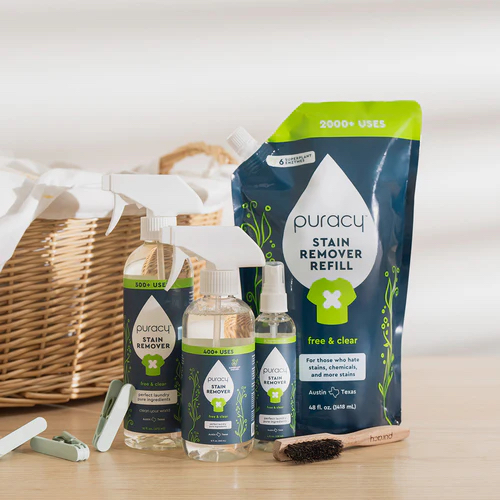
-
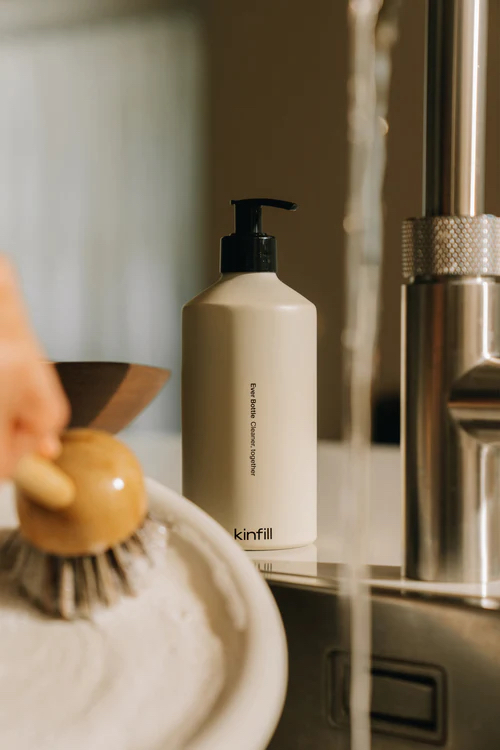
Kinfill: Circular Design for European Markets
Headquartered in the European Union, Kinfill designs its cleaning products with strict adherence to circular economy principles. The brand’s "Ever Bottles" are constructed from durable glass and aluminum, intended to be retained for a lifetime. Kinfill supplies waterless concentrated formulas in compact glass ampoules that users mix with tap water at home, substantially reducing transportation weight and packaging waste across European supply chains.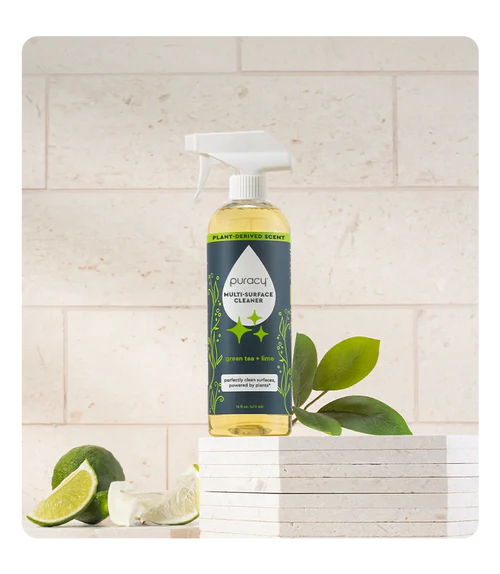
The Broader Economic and Environmental Implications

The rapid expansion of the refillable and nontoxic cleaning sector reflects a fundamental evolution in consumer goods manufacturing. As regulatory bodies face increasing pressure to address microplastic pollution and chemical toxicity, brands that proactively adopt circular business models are positioning themselves advantageously for future market conditions.
Market analysts note that while initial investments in starter kits (such as durable glass bottles or proprietary dispensing appliances) can carry a higher upfront cost than conventional single-use alternatives, the long-term economics favor refills. Consumers realize significant savings over time as they purchase only the concentrated active ingredients or refill media. Furthermore, the reduction in freight weight—achieved by omitting water from shipped concentrates—significantly lowers the transportation-related carbon emissions of these companies.
Ultimately, the transition toward sustainable household cleaning represents more than a passing consumer trend; it marks a structural recalibration of domestic routines. By aligning household maintenance with ecological preservation, refillable cleaning brands offer a tangible pathway for individuals to reduce their daily environmental footprint while safeguarding their indoor living spaces.