A Vibrant English Countryside Wedding Editorial at Hopton Court Showcases Modern Summer Elegance and Bold Design Trends

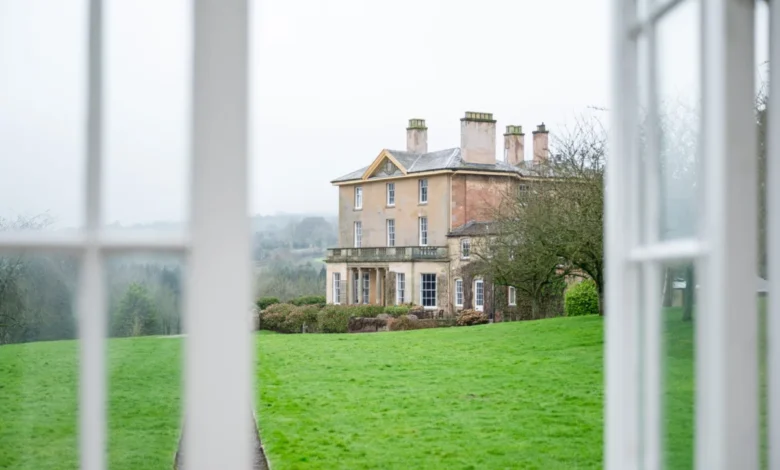
The intersection of historic British architecture and contemporary design palettes was on full display during a recent high-profile editorial shoot at Hopton Court, a premier wedding venue nestled in the Shropshire hills. Conceptualized, photographed, and directed by creative professional Chloe Bolam, the showcase offers a masterclass in modern summer wedding styling. By pairing the neoclassical grandeur of a Victorian orangery with a high-impact color palette of citrus oranges, vivid pinks, and sunshine yellows, the editorial provides future brides and grooms with a blueprint for elevating traditional countryside celebrations.
The exhibition comes at a time when the British wedding industry is experiencing a significant pivot toward personalized, vibrant aesthetics. As couples increasingly move away from muted tones and minimalist aesthetics popularized over the past decade, designers are embracing bold colors, experiential tablescapes, and sustainable floral practices. The Hopton Court showcase serves as both an aesthetic triumph and a practical guide for executing high-end nuptials in rural historic settings.

Setting the Scene: Historic Architecture Meets Modern Vibrancy
Located in the heart of the picturesque English countryside, Hopton Court provides a secluded retreat defined by acres of rolling hills, manicured lawns, and ancient woodlands. While the estate boasts numerous architectural gems, the Victorian Orangery served as the focal point for the editorial. Featuring sweeping glass walls and soaring ceilings, the structure offers a seamless transition between the indoor luxury and the natural splendor of the Shropshire landscape.
The choice of venue underscores a growing trend among couples seeking out-of-town venues that combine historical prestige with versatile event spaces. Glasshouse venues, in particular, have surged in popularity due to their ability to flood spaces with natural light while protecting guests from unpredictable British weather.
"The inspiration stemmed from the sheer natural beauty of the Orangery combined with a desire to push boundaries with color," explained Chloe Bolam regarding the conceptualization phase. "We wanted to move past standard pastel palettes and transport couples straight into a warm, sun-drenched European-style celebration without ever leaving the English countryside."

Sartorial Elegance: High Fashion in the Countryside
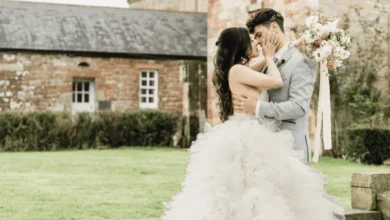
Central to the visual narrative of the editorial is the bridal fashion, headlined by the "5th Avenue" wedding gown from Dando London, sourced through bridal boutique Gatehouse Brides. The gown features a modern square neckline and a gentle A-line silhouette, balancing classic romance with contemporary architectural lines.
Embellished with intricate beaded lace from bodice to hem, the dress incorporates a full-sparkle underlay designed to catch the natural light filtering through the glass panes of the orangery. Completed by a low-cut back and an extended chapel train, the ensemble demonstrates how high-fashion bridalwear can be successfully integrated into rustic, open-air environments.
Fashion analysts note that square necklines and luminous underlays have dominated recent bridal fashion weeks, reflecting a broader consumer demand for garments that offer dimension and texture under both daylight and evening lighting conditions.

Botanical Ingenuity and Sustainable Floristry
Florals played a foundational role in bringing the editorial’s vibrant mood board to life. Executed by Olive Owl Flowers, the botanical installations moved beyond traditional centerpieces to include two massive, freestanding column displays framing the venue’s architectural features.
To maximize both visual impact and budgetary efficiency, the design team utilized multi-placement strategies—a growing focus within the sustainable wedding sector. Industry studies indicate that floral waste remains one of the largest environmental concerns in event planning. By designing freestanding columns that could easily transition from the ceremony backdrop to the indoor dining area, the editorial highlighted a practical solution for modern couples.
"One of the most effective strategies for couples today is investing in versatile floral pieces," noted Bolam. "Reusing structural arrangements for couple portraits, ceremony backdrops, and reception entrances allows couples to maximize their floral investment while maintaining a cohesive design narrative throughout the day."

Complementing the large-scale installations were intricate table florals and a unique floral crown cake stand, designed to house an artisanal confection crafted by Lesley Walter Cake Design.
Culinary Integration and Detailed Tablescapes
The dining experience within the orangery was defined by a meticulous attention to detail, orchestrated in collaboration with Little Cheshire Weddings and stationery designer Jess Bolam Art of Bolam Designs. The tablescape featured natural rattan placemats, scalloped-edge ceramic plates, brushed gold cutlery, and pale pink glassware.
A defining feature of the tablescape was the integration of fresh citrus fruits—including halved oranges and lemons—scattered artfully among the place settings and floral runners. According to the design team, incorporating fresh produce serves a dual purpose: it introduces natural fragrance and rich, organic textures while offering a cost-effective, easily reproducible DIY element for couples.

The stationery suite, featuring watercolor citrus motifs, tied the visual elements together. Hand-painted taper candles by The Emerald Fox added height and ambient lighting, demonstrating how tactile, handcrafted elements can anchor a large-scale event design.
Industry Implications and Economic Outlook
The Hopton Court editorial arrives at a pivotal moment for the UK wedding sector, which contributes billions annually to the domestic economy. Following years of post-pandemic adjustments, couples are prioritizing experiential weddings that reflect personal values, including aesthetic storytelling, local sourcing, and multifunctional decor.
Venues like Hopton Court are well-positioned to capture this market shift. By offering versatile historic backdrops that accommodate both traditional ceremonies and avant-garde styling, heritage properties are successfully diversifying their revenue streams. Furthermore, the collaboration between independent British suppliers—from regional florists and independent cake designers to boutique bridal salons—demonstrates the robust ecosystem of creative talent supporting the rural events industry.

As wedding professionals continue to look for inspiration ahead of upcoming seasons, editorials like the Hopton Court summer showcase prove that thoughtful design, bold color theory, and sustainable practices can harmoniously coexist, setting a high benchmark for future celebrations in the English countryside.