Timeless Elegance and the Resurgence of Vintage Aesthetics in Modern Bridal Fashion

The global bridal wear market, valued at approximately $61 billion in 2022, is witnessing a significant shift toward nostalgia as "vintage-inspired" and "authentic retro" designs reclaim center stage in high-fashion runways and local boutiques alike. For many modern brides, the choice of a wedding gown is no longer merely a matter of following current trends but an intentional nod to historical elegance, craftsmanship, and the enduring allure of previous centuries. From the structured corsetry of the Victorian era to the fluid, beaded silhouettes of the 1920s, vintage aesthetics are providing a sophisticated alternative for the contemporary bride who seeks a balance between traditional romance and a unique, personal statement.
The Evolution of Bridal Silhouettes: A Chronological Overview
To understand the current popularity of vintage bridal wear, one must examine the stylistic milestones that have shaped the industry over the last century. Each era contributed specific design elements that continue to be replicated in modern "vintage-inspired" collections.
The Victorian and Edwardian eras (mid-19th to early 20th century) were characterized by high necklines, long sleeves, and the "Basque waist"—a fitted bodice that extends past the natural waistline into a deep V or U shape. This design was engineered to elongate the torso and emphasize a dramatic, regal silhouette. Following the First World War, the 1920s introduced the "Jazz Age" aesthetic, which discarded the restrictive corsets of the past in favor of drop-waist chemises, intricate Art Deco beadings, and scalloped lace trains.
By the mid-20th century, the 1950s popularized the tea-length dress and the "New Look" silhouette, featuring cinched waists and voluminous skirts. The 1970s brought the "Bohemian" movement, emphasizing free-spiritedness through the use of crochet lace, bell sleeves, and flowing organza. Today, the bridal industry categorizes any style reflecting aesthetics from at least 20 to 30 years prior—typically pre-1990s—as vintage. This broad spectrum allows brides to choose a decade that best aligns with their personal identity and the thematic requirements of their ceremony.
Materiality and the Art of Traditional Craftsmanship
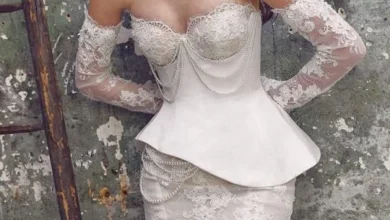
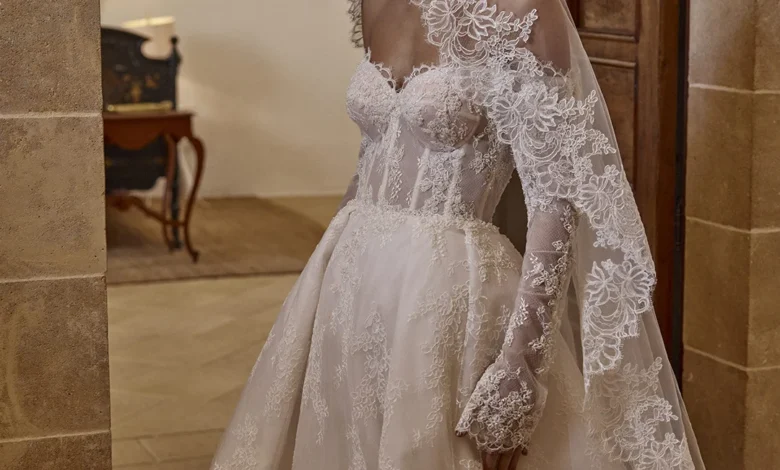
A defining characteristic of vintage bridal wear is the reliance on high-quality, luxury materials that prioritize texture and depth. According to industry experts from Innocentia, a prominent bridal brand, the most sought-after vintage styles utilize a combination of satin and silk paired with intricate laces such as Chantilly and Alencon. These fabrics are often layered with tulle to provide delicate volume without excessive weight.
In addition to traditional silks, the use of velvet and brocade has seen a resurgence, particularly for autumn and winter weddings where luxury and warmth are paramount. Technical details such as French Chantilly lace, Italian Brocade lace appliques, and silk taffeta over multilayered tulle skirts are frequently cited as the hallmarks of high-end vintage construction. These materials not only offer a visual connection to the past but also provide a tactile quality that modern, mass-produced synthetic fabrics often fail to replicate.
Contemporary Interpretations: From Boho to Art Deco
The modern vintage movement is not a monolithic trend but a collection of distinct sub-genres, each catering to different bridal archetypes.
The Bohemian Vintage Aesthetic
Boho-vintage weddings often emphasize a connection to nature, taking place in outdoor settings like vineyards, forests, or mountains. The attire for these events typically includes lightweight organza gowns with embroidered leaf motifs, fringe details, and bottleneck gowns with paneled trapeze skirts. Designers like Dreamers & Lovers have carved a niche in this sector, focusing on romantic, form-fitting lace that offers a "free-spirited" yet elegant look.
The 1920s Glamour and Art Deco
For brides seeking "Old Hollywood" extravagance, the 1920s style remains a primary source of inspiration. These gowns are characterized by sweetheart necklines, lace racerback detailing, and heavy embellishments including pearls and floral appliques. The "Great Gatsby" influence is evident in the use of fabric-covered buttons and scalloped lace trains, creating a look that is both glamorous and historically grounded.
Minimalist Vintage and Simple Elegance
Contrasting the heavily beaded styles is the "Simple Vintage" movement. This approach focuses on refined lace and gentle fabrics like chiffon to express sophistication through understatement. This trend appeals to the "nontraditional" bride who prefers the clean lines of bygone eras over the flamboyant luxury often associated with modern bridal couture.
Structural Innovations: Corsetry and the Basque Waist
The resurgence of structural elements like the corset and the Basque waist represents a fusion of historical tailoring and modern fashion sensibilities. The Basque waist, once a staple of Victorian bridal attire, is being revitalized to help brides achieve an elongated, slimming effect. By extending the bodice into a pointed shape, the dress draws the eye downward, creating a regal and timeless form.
Similarly, the vintage corset has transitioned from a restrictive undergarment to a visible design feature. Modern corset bodices are engineered for comfort while maintaining the structured aesthetic that celebrates the female form. These elements are increasingly popular in "Old Money" wedding themes, where the emphasis is on heritage, structure, and classic tailoring.
Inclusive Fashion: The Growth of Plus-Size Vintage
The vintage bridal sector has also made significant strides in inclusivity. Historically, finding authentic vintage garments in a wide range of sizes was a challenge due to the smaller average frames of previous generations. However, the rise of vintage-inspired modern manufacturing has allowed for the creation of plus-size vintage gowns that do not compromise on style. These collections utilize romantic silhouettes, detailed lace, and strategic boning to provide elegance and class for all body types, ensuring that the "vintage dream" is accessible to every bride.
The Role of Accessories and Styling in Creating a Total Look
A vintage gown is rarely a standalone piece; it requires a curated selection of accessories to complete the historical narrative. Katie Yeung, the lead designer at Hera Couture, suggests that brides should incorporate elements like lace-brimmed cathedral veils or over-the-face net blushers with hand-beaded pearls.
Current trends in hair accessories include:
- Art Deco Combs: Often featuring rhinestones and geometric metalwork.
- Floral Fabric Headbands: Popular for 1970s-inspired boho looks.
- Pearl Hairpins: A staple for 1950s and Regency-era styles.
- Vintage Footwear: Lace-up boots or satin pumps that mirror the era of the dress.
Care, Preservation, and the Economics of Vintage Bridal Wear
Given the delicate nature of the materials involved—especially in authentic antique gowns—proper care is a critical consideration. Experts recommend storing these garments in cool, dark, and dry environments. Breathable garment bags made of cotton are preferred over plastic, which can trap moisture and lead to fabric degradation. Handling the fabric with clean hands or white cotton gloves is also standard practice to prevent the transfer of oils and acids.
From a financial perspective, the vintage bridal market offers a wide range of entry points. Average prices for vintage-inspired gowns typically fall within the following brackets:
- Budget-Friendly/Mass Market: $500 – $1,200
- Mid-Range/Designer Inspired: $1,500 – $3,500
- High-End/Couture & Authentic Antique: $4,000 – $10,000+
Broader Impact: Sustainability and the Future of the Industry
Beyond the aesthetic appeal, the shift toward vintage bridal wear has significant implications for sustainability within the fashion industry. As consumers become more conscious of the environmental impact of "fast fashion," the choice to wear an authentic vintage gown or a high-quality, timelessly designed piece is increasingly seen as an eco-friendly alternative. By prioritizing durability and classic styles over fleeting trends, the bridal industry is moving toward a more sustainable model that values longevity.
Furthermore, the "vintage" trend is influencing the rental market, with more brides opting to rent high-end vintage pieces rather than purchasing new ones. This shift reflects a broader cultural change where "something old" is not just a superstitious tradition but a deliberate choice to honor the past while protecting the future.
As we move further into the decade, the integration of historical design with modern manufacturing techniques is expected to continue. Whether through the use of 3D-printed lace that mimics antique patterns or the revival of forgotten silhouettes, the vintage bridal movement remains a powerful force in defining what it means to be a "classic" bride in the 21st century. Through this lens, the wedding aisle becomes more than a path to the altar; it becomes a bridge between the elegance of history and the promise of the future.