Breaking the Mold: A Comprehensive Guide to Navigating Wedding Tailoring Beyond Traditional Gender Norms


For decades, the bridal fashion industry has functioned as a monolithic entity, dedicating vast editorial resources to the intricacies of ballgowns, A-line skirts, and the physics of veils. While these traditional markers of wedding attire are well-documented, the narrative surrounding the wedding suit has historically been relegated to the sidelines, often framed through a narrow, corporate lens. As shifting cultural attitudes toward gender expression redefine the modern wedding, many individuals are moving away from the conventional "white dress" paradigm in favor of bespoke tailoring that reflects their authentic identity. However, transitioning from off-the-rack office wear to high-impact wedding tailoring requires a nuanced understanding of proportion, construction, and the evolving landscape of inclusive garment design.
The Historical Evolution of the Bridal Suit
The concept of the wedding suit is far from a modern invention; rather, it is a tradition with deep roots in high-fashion rebellion. The 1971 wedding of Bianca Jagger, who famously donned an Yves Saint Laurent Le Smoking skirt suit to her ceremony in Saint-Tropez, remains the definitive touchstone for bridal tailoring. By eschewing a gown for a white skirt suit and a wide-brimmed hat with a delicate veil, Jagger challenged the established expectations of bridal modesty and elegance.

This lineage of sartorial independence has continued through the decades. In 1954, Marilyn Monroe’s choice of a dark brown suit for her civil union with Joe DiMaggio signaled a pragmatic, sophisticated approach to nuptials. More recently, high-profile figures such as Amal Clooney, who chose a cream Stella McCartney trouser suit for her 2014 civil ceremony, and Dua Lipa, who opted for a custom Schiaparelli skirt suit, have reinforced the suit’s status as a legitimate and chic alternative for the modern bride. These instances demonstrate that the suit is not merely a utilitarian choice but a stylistic statement of agency.
Navigating the Tailoring Landscape: The Technical Gap
The primary challenge for those seeking a wedding suit lies in the disconnect between mass-market retail and individualized anatomy. The womenswear market often views the suit as a "power dressing" component for the professional sphere, resulting in designs that are frequently restrictive, overly rigid, or aesthetically uninspired. Conversely, traditional menswear, while offering superior construction, is engineered for a set of proportions—wider shoulders, narrower hips, and a specific waist-to-torso ratio—that may not accommodate the wearer’s natural form.
Industry experts note that the "fit" of a garment is subjective, yet mass production relies on standardized grading systems that rarely account for gender-non-conforming or non-binary body types. Consequently, the search for the perfect wedding suit requires a departure from standard sizing labels. Prospective buyers are encouraged to curate a "visual library" of references—spanning runway archives, cinema, and historical tailoring—to better articulate their desired silhouette to a tailor.

The Economics and Mechanics of Made-to-Measure Tailoring
For those prioritizing precision, made-to-measure (MTM) services offer the highest level of customization. While MTM requires a significantly higher financial investment, the benefits include the ability to dictate every technical element, from the canvas and shoulder structure to the specific weight of the wool or silk blend.
A standard MTM timeline requires a minimum of three to six months to account for initial consultations, pattern drafting, multiple fittings, and final adjustments. When engaging a tailor, experts advise an objective assessment of the shop’s portfolio. A tailor who excels in traditional menswear may struggle to drape fabric over a body with a fuller chest or wider hips if they lack experience with diverse anatomy. Consumers are advised to explicitly inquire about a tailor’s history with women, trans, and non-binary clients to ensure the shop is a welcoming, experienced environment.
Strategies for Off-the-Rack Success
For those working within a more modest budget, the "off-the-peg" (ready-to-wear) route remains viable, provided the buyer adopts a strategic approach to alterations. The secret to success lies in identifying which elements of a suit can be altered and which are structurally fixed.
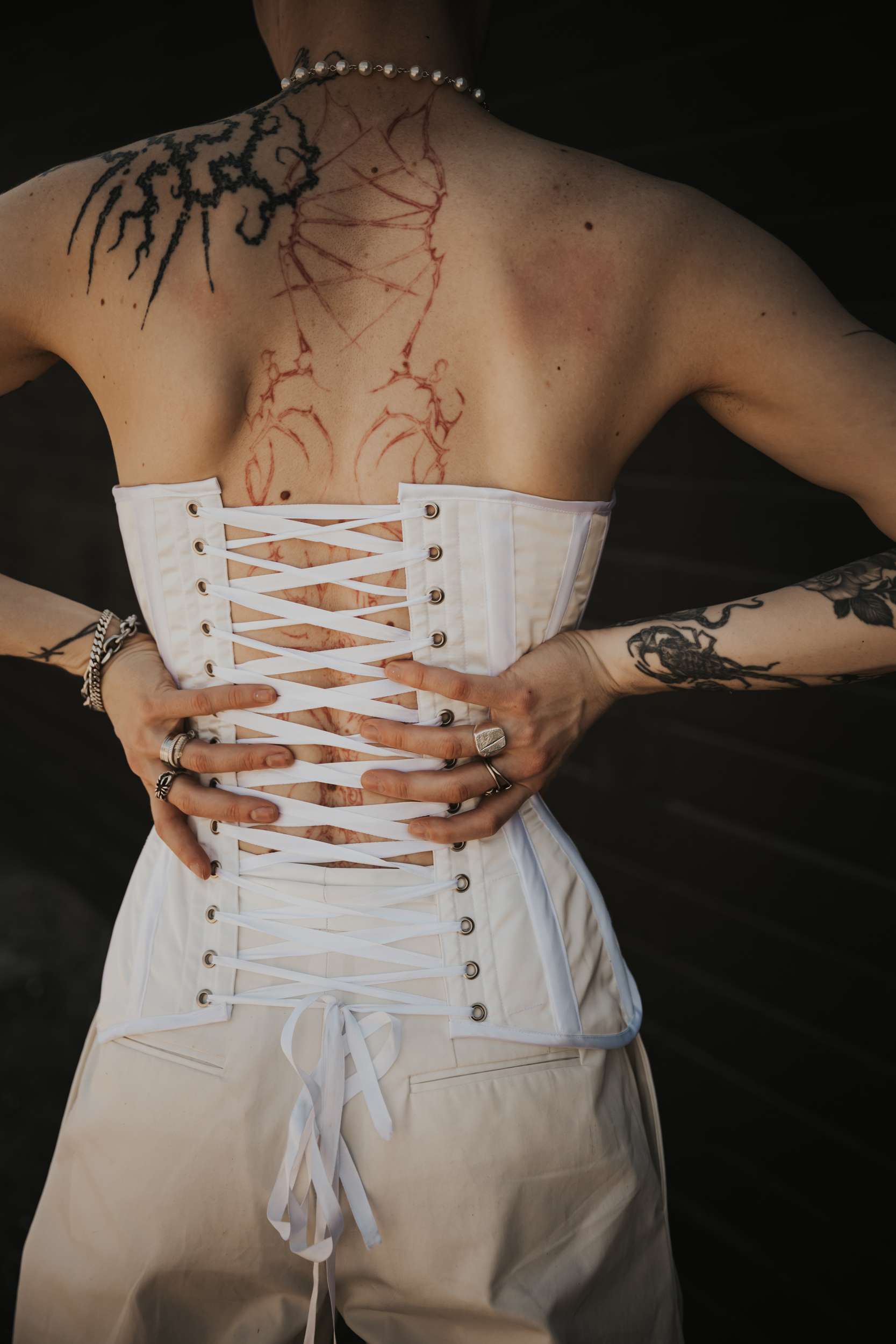
Shoulder width and the "rise" of trousers—the distance from the crotch seam to the waistband—are notoriously difficult and expensive to modify. Therefore, one should prioritize purchasing a garment that fits these critical areas, even if the jacket length or waist needs significant taking-in. Utilizing suit separates—purchasing a jacket in one size and trousers in another—is the most effective way to address the discrepancy between top and bottom proportions. Furthermore, the importance of "foundation garments" cannot be overstated. When shopping, it is essential to wear the exact undergarments, binders, or shapewear intended for the wedding day, as these significantly alter how a jacket sits across the torso.
A Directory of Inclusive and Specialized Suppliers
The rise in demand for inclusive bridal wear has led to the emergence of specialized tailors who explicitly cater to non-traditional wedding styles.
- King & Allen: Known for their commitment to inclusive tailoring, they provide a consultation process that focuses on the wearer’s preferred shape rather than gendered templates, making them a primary choice for LGBTQ+ couples.
- Gresham Blake: A premier choice for those seeking British-made quality with a high degree of personality, utilizing bold fabrics and intricate details to move beyond the "corporate" aesthetic.
- Sumissura: An accessible entry point into custom-sized tailoring, offering a digital platform for selecting design details. However, consumers should plan for a local tailor to handle final, precise adjustments.
- Queer Suits You: Based in Portsmouth, this studio specifically serves the queer community, providing a safe, professional space for those who have historically felt alienated by conventional tailoring environments.
- Knatchbull: Formerly known as The Deck London, this firm occupies the luxury segment, specializing in Savile Row-standard tailoring specifically adapted for diverse bodies.
- Mass Market Alternatives: For those on a tighter budget, retailers like Coast, Because of Alice, and ASOS offer extensive ranges of separates. When shopping these, it is advisable to ignore gendered department labels and browse the entirety of the inventory—including "tall," "petite," and "curve" ranges—to find the best fit for specific proportions.
Broader Impact and Industry Implications
The pivot toward gender-neutral and identity-affirming wedding attire is part of a broader, systemic shift within the fashion industry. Data from recent retail reports indicate a growing consumer preference for "agender" or "unisex" clothing lines, a trend that is now fundamentally disrupting the trillion-dollar bridal industry.
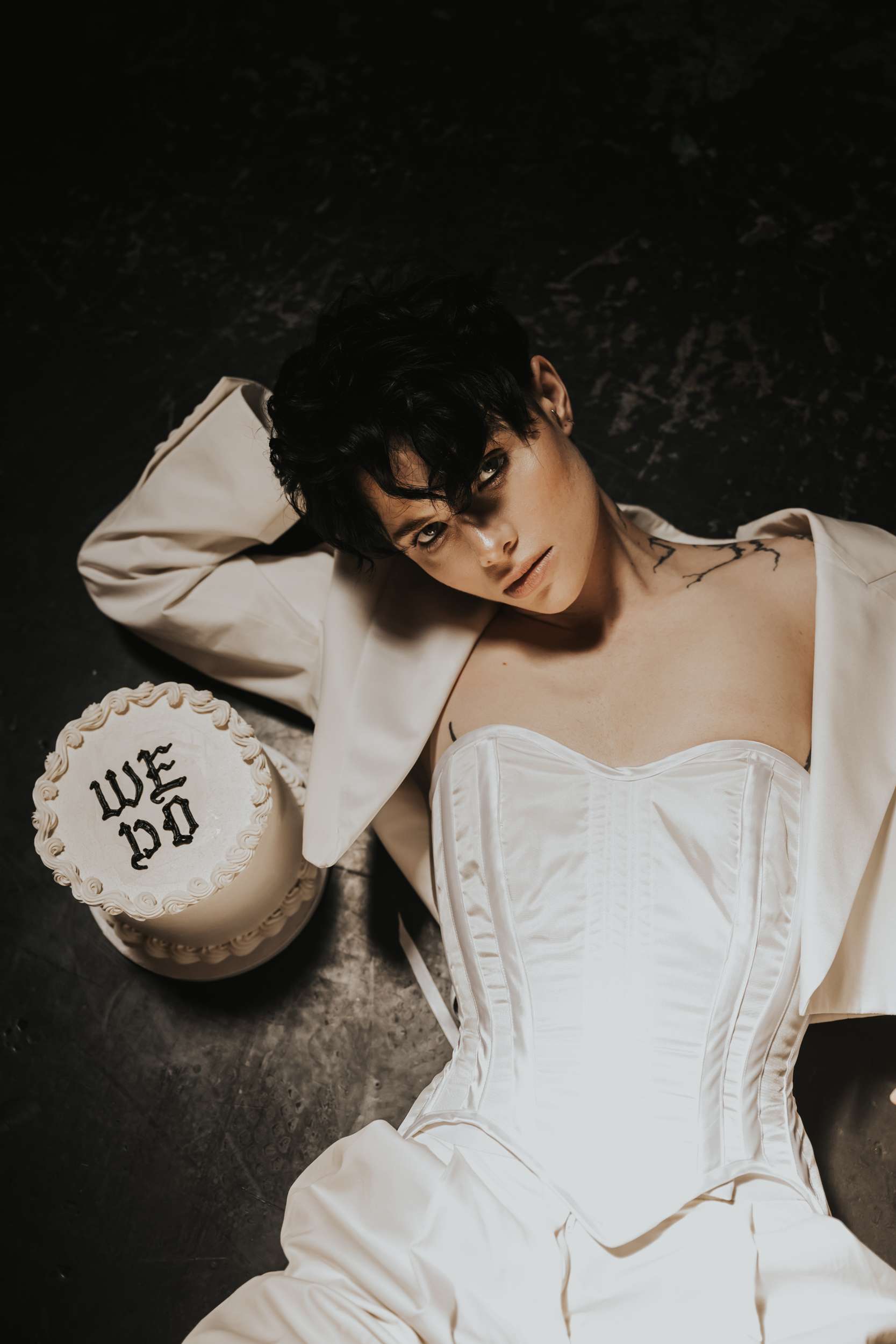
Retailers are increasingly being forced to reconcile their marketing strategies with a customer base that no longer subscribes to binary expectations. This shift has implications for both supply chain logistics and brand messaging. As bridal brands begin to incorporate more diverse tailoring options, the "wedding suit" is transitioning from a niche sub-category into a mainstream fashion staple.
For the individual, the implication is one of autonomy. The wedding day is increasingly viewed as an exercise in self-actualization. Whether one chooses to pair a bespoke tuxedo jacket with a lace shirt, pearls, or traditional footwear, the objective remains the same: the garment must reflect the wearer. As the market matures, the standard for wedding attire is no longer defined by how well a person fits into a garment, but by how well the garment honors the person. In this new era of bridal fashion, the most significant trend is, quite simply, the freedom to choose.