Ricca Sposa 2027 Bridal Couture L’Art de la Dentelle Collection Unveils A New Era of Architectural Elegance

The global bridal fashion industry has entered a new phase of creative evolution with the unveiling of the 2027 couture bridal collection by Ricca Sposa, titled L’Art de la Dentelle. This latest offering, consisting of 17 meticulously crafted gowns, represents a strategic shift toward the intersection of historical couture techniques and the demands of the contemporary bride. By prioritizing structural integrity and artisanal hand-finishing, the brand has sought to redefine the modern silhouette through a lens of understated luxury.

The collection was presented within the evocative setting of a historic Parisian atelier, a choice of venue that underscores the brand’s commitment to the heritage of bridal fashion. By situating these garments against the backdrop of a legacy workspace, Ricca Sposa emphasizes the tactile and technical labor required to produce high-end bridal wear, moving away from mass-production trends that have dominated the mid-market bridal sector in recent years.

A Chronology of Craft: The Development of L’Art de la Dentelle
The development cycle for the 2027 collection began in early 2026, a timeline necessitated by the intensive nature of the hand-applied lace and the complex architectural engineering required for the collection’s signature silhouettes. Over the course of 18 months, the design team at Ricca Sposa transitioned from conceptual sketches to the refinement of 17 distinct patterns, each requiring an average of 300 to 500 hours of specialized labor.

During the third quarter of 2026, the brand finalized its material sourcing, prioritizing high-density, delicate laces that could provide both aesthetic softness and structural support. The "L’Art de la Dentelle" (The Art of Lace) theme was officially codified during this period, as designers sought to move lace from a purely decorative element to a primary structural component. This shift is evident in the collection’s reliance on lace to define the form and fit of the bodice, moving away from heavy boning where possible in favor of more organic, corset-inspired architectural structures.

Structural Innovations and Technical Design
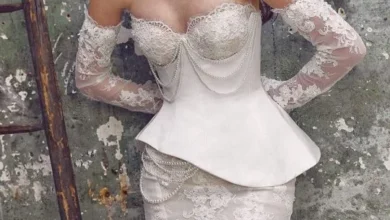
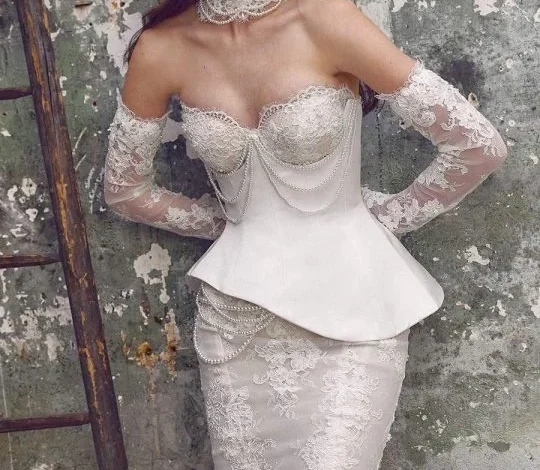
The 2027 collection is characterized by a deliberate tension between restraint and extravagance. Technically, the gowns feature several notable design departures from previous seasons. The inclusion of detached sleeves and gloves suggests a focus on modular bridal fashion, allowing brides to transition their look from a formal ceremony to a reception setting with ease. This modularity is a response to a growing consumer demand for versatility in high-end occasion wear.

The use of peplum bodices and fit-and-flare silhouettes serves as a testament to the brand’s focus on geometry. By utilizing precise tailoring at the waist—often referred to as the "basque waist"—Ricca Sposa has achieved a silhouette that honors traditional hourglass proportions while incorporating the modern preference for cleaner, more minimalist lines. The integration of illusion bodices, particularly in the sheath and mermaid silhouettes, demonstrates a mastery of negative space, where the lace is applied directly to sheer fabric to create a "tattoo" effect that maintains modesty while maximizing visual impact.

Supporting Market Data and Industry Context
The bridal industry is currently undergoing a period of recalibration. According to recent market analysis from the bridal fashion sector, the demand for "couture-level" customization has increased by approximately 15% year-over-year. Brides are increasingly moving away from off-the-rack standard sizes in favor of garments that offer bespoke-like adjustments. Ricca Sposa’s decision to focus on the 2027 collection as a limited run of 17 gowns aligns with this trend, as exclusivity and the "hand-finished" label become primary value drivers for luxury consumers.

Furthermore, the average expenditure on wedding attire has shown a slight uptick in the luxury segment as couples prioritize personal aesthetics over traditional mass-market trends. By positioning L’Art de la Dentelle as a collection that values "individuality and impeccable fit," Ricca Sposa is tapping into a demographic that views the wedding dress as an investment piece rather than a disposable garment.

Implications for the Modern Bridal Landscape
The broader implications of this collection are significant for both the brand and the wider market. By reinforcing the "couture" identity, Ricca Sposa is effectively distancing itself from the high-volume fast-fashion bridal houses that have historically commodified lace and tulle. This elevation of the brand’s positioning is likely to resonate with global retailers looking to offer their clientele more artisanal, heritage-focused options.

The "quiet luxury" aesthetic, which has dominated high fashion for the past several seasons, has finally found a firm foothold in the bridal market. The restraint shown in the 2027 collection—characterized by a lack of overly flashy embellishments like excessive beading or sequins—highlights a shift toward timelessness. Modern brides are increasingly opting for designs that will retain their aesthetic relevance in archival photography for decades, rather than following ephemeral seasonal trends.

Analysis of the Silhouette Evolution
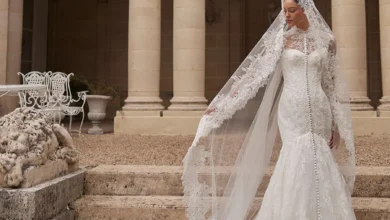
The 2027 collection offers a diverse array of shapes, from the traditional A-line ball gown to the modern, daring sheath. The inclusion of floor-sweeping capes and high-neck long-sleeve designs indicates an awareness of the "royal-inspired" trend that remains a cornerstone of bridal fashion. However, these traditional elements are balanced by the "fit and flare" mermaid dresses, which cater to a more contemporary, fashion-forward demographic.

The "slit skirt" detail on several of the mermaid gowns serves as an example of how the brand balances classical elegance with modern freedom of movement. This design choice addresses a common pain point for brides: the restrictiveness of traditional ball gowns. By integrating functional elements like high-quality internal corsetry, the collection ensures that the wearer maintains a sharp, structured look without sacrificing the ability to move comfortably throughout the wedding day.

The Role of Heritage in Contemporary Design
Ricca Sposa’s emphasis on the "timeworn Parisian atelier" is more than a marketing narrative; it is an acknowledgment of the industry’s need to ground itself in history. As technology, such as 3D printing and AI-driven pattern making, begins to touch the edges of the fashion world, brands that highlight the human element—the artisan, the seamstress, the hand-finisher—are gaining increased prestige.

The "L’Art de la Dentelle" collection serves as a case study in how heritage can be leveraged to create a competitive advantage. By treating lace as a primary structural element rather than an afterthought, the design team has ensured that each gown functions as a singular piece of art. The consistency of the aesthetic across all 17 pieces suggests a cohesive brand vision that is prepared to navigate the complexities of the global market through 2027 and beyond.

Consumer Guidance and Ethical Sourcing
As with previous collections, Ricca Sposa maintains a policy of direct-to-retail distribution, ensuring that the garments are handled by professionals who understand the complexities of couture tailoring. The brand continues to advise prospective buyers to utilize their official website and authorized retailers to ensure the authenticity of their purchase.

In an era of counterfeit luxury goods, the emphasis on the provenance of the lace and the specific location of the manufacture is a crucial aspect of the brand’s consumer trust strategy. By providing transparency regarding the design and assembly process, Ricca Sposa fosters a relationship with the bride that extends beyond the point of sale, emphasizing the longevity and enduring value of their couture creations.

Conclusion: Looking Toward 2027
The L’Art de la Dentelle collection stands as a reflection of the current state of bridal fashion: a mixture of profound respect for history, a rigorous application of modern tailoring, and a deep understanding of what the 2027 bride expects from her wedding attire. Through its focus on structural integrity and artisanal quality, Ricca Sposa has successfully created a collection that is both timely and timeless.

As the industry moves closer to 2027, the impact of this collection will likely be measured by its influence on broader bridal trends, particularly in the use of lace as a structural tool and the continued rise of modular accessories. For now, the collection remains a definitive statement on the power of couture to transform a vision of elegance into a tangible, wearable reality for the bride of the future. The collection is not merely a set of dresses; it is a declaration of the enduring relevance of the atelier in an increasingly digitized world.