The rapid expansion of the global wellness industry—a sector now valued at over $5.6 trillion according to the Global Wellness Institute—has created a paradoxical landscape for modern consumers. As the lines between lifestyle, medical necessity, and consumer goods continue to blur, industry leaders are increasingly grappling with a fundamental question: What precisely constitutes “wellness” as we approach 2026? This inquiry serves as the focal point for a recent collaborative podcast episode produced by Glossy and Modern Retail, featuring insights from industry experts tasked with delineating the boundaries of an increasingly cluttered marketplace.
The Evolution of the Wellness Landscape
To understand the current state of the industry, one must look at the historical trajectory of the sector. Two decades ago, wellness was largely bifurcated between clinical healthcare and basic fitness or nutrition. The mid-2010s marked a significant shift, as the rise of direct-to-consumer (DTC) brands began to merge the aesthetic of luxury beauty with the functional benefits of supplements and preventative care.
By 2020, the pandemic acted as a massive accelerant. The focus shifted inward, prioritizing immune health, sleep hygiene, and mental resilience. Today, in 2024, we are witnessing the "commodification of optimization." Brands are no longer just selling vitamins or lotions; they are selling performance metrics, respiratory enhancement, and oral microbiome management. This shift has led to an explosion of niche categories, from fiber-infused snacks to bio-hacking tools, leaving the average consumer overwhelmed by choice.
Analyzing the Industry Fragmentation
During the recent joint podcast recording, Lexy Lebsack, West Coast correspondent for Glossy; Gabi Barkho, senior reporter for Modern Retail; and Rachel Hirsch, founder and managing partner at Wellness Growth Ventures, engaged in a critical dialogue regarding this fragmentation. The discussion highlighted a core tension: when everything is marketed as "wellness," does the term lose its clinical and functional efficacy?
For investors like Hirsch, the scope of wellness is expanding into territories once reserved for medical specialists. Her firm, Wellness Growth Ventures, has strategically backed companies such as Flaus, an electric flosser, and Tia, a comprehensive health platform for women. Hirsch argues that oral care is a cornerstone of systemic health, citing the well-documented link between the oral microbiome and broader health outcomes, including cardiovascular and neurological health.
"The investment thesis is that your gums are a key to your health and wellbeing," Hirsch noted during the discussion. "Gingivitis leads to so many things, and there are studies about dementia being correlated. To pull that, or the air you breathe, or whatever it may be, away from wellness? The dots don’t connect for me."
The Rise of Performance Breathing and Fringe Categories
One of the most debated sectors is the emergence of "performance breathing" and lung-health tools. As air quality becomes a growing concern due to environmental factors like wildfires and urban pollution, startups have begun to capitalize on the necessity of breathing optimization.
Companies such as Intake, which produces nasal strips designed to maximize oxygen intake, and L Max, which manufactures inhalers aimed at clearing pulmonary pollutants, represent a new frontier. However, this raises a regulatory and philosophical question: at what point does a wellness tool become a medical device?
Lebsack observed that the industry is currently navigating a gray area. "The confusing line for me is between food and wellness, but then also between wellness and health," she said. "I can see the breath strips being wellness because you’re optimizing your breath, you’re sleeping better, you’re exercising better… but when it comes to using an inhaler, I feel like that’s more health."
This distinction is crucial for stakeholders. If a product is categorized as wellness, it often bypasses the rigorous regulatory hurdles required for medical devices or pharmaceutical products, allowing for a faster go-to-market strategy but creating potential consumer confusion regarding safety and efficacy.
The Renaissance of the Candy Aisle
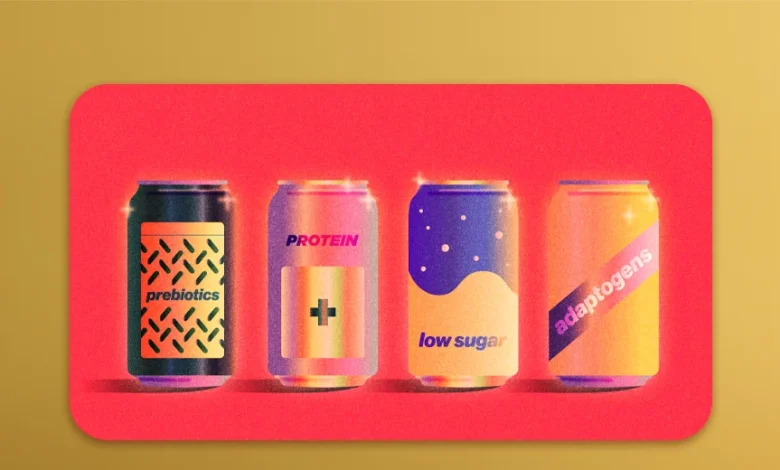
Another area of intense debate is the "better-for-you" food movement. Barkho, who tracks the retail sector, pointed to a renaissance occurring in the snack and confectionary aisles. European-influenced brands are increasingly entering the U.S. market, focusing on ingredient transparency, lower sugar content, and simplified supply chains.
"These brands are very much taking a page from the European playbook," Barkho explained. "It’s maybe using real sugar, but lower sugar, and fewer ingredients. But are they going to actually replace candy? If you’re going to eat candy, maybe you go for that as opposed to the mass-market brands we grew up with."
The implications for the industry are significant. As major food conglomerates feel the pressure, they are increasingly rebranding legacy products under the umbrella of "wellness," or acquiring boutique health-food brands to maintain market share. This move often results in a "wellness-washing" phenomenon, where products that provide minimal nutritional benefit are marketed with the same health-forward branding as high-performance supplements.
Consumer Fatigue and the "Stop the Scroll" Strategy
Data from recent retail analytics suggests that wellness consumers are reaching a saturation point. With thousands of new product launches annually, the ability for a brand to capture attention—or "stop the scroll"—has become a prerequisite for survival.
This has birthed a new breed of marketing strategies. Brands are transforming into entertainment companies to sell functional products. Recent trends include:
- Collaborations: Pairing fiber supplements with popular soda brands (e.g., Boka and Olipop toothpaste).
- Celebrity Integration: Using high-profile cameos to legitimize obscure product categories like prebiotic gummies.
- Category Blurring: Selling beauty peptides through subscription boxes that treat the consumer as a member of a community rather than a customer.
While these strategies are effective for short-term customer acquisition, industry analysts warn that they may contribute to long-term brand dilution. When a supplement company pivots to selling apparel or entertainment content, the primary value proposition—the health benefit—can be obscured.
Regulatory and Future Implications
Looking toward 2026, the wellness industry faces a turning point. Regulatory bodies, including the FDA and FTC, are expected to scrutinize the wellness sector more heavily as the claims made by DTC brands become more audacious. The transition from "lifestyle optimization" to "medical intervention" is a tightrope walk for many founders.
Furthermore, the economic environment is forcing a shift toward profitability over growth at all costs. Investors are no longer merely looking for "disruptive" brands; they are looking for brands with long-term retention metrics and defensible IP.
For the consumer, the next two years will likely bring a bifurcation in the market. On one side, we will see the rise of "science-backed wellness," characterized by transparency, third-party clinical trials, and clear distinctions between cosmetic improvements and physiological health. On the other side, the "lifestyle wellness" market will continue to prioritize aesthetic, social status, and convenience.
Conclusion: Navigating the Future
As the dialogue between industry experts indicates, the definition of wellness is fluid and will continue to be shaped by consumer demand and technological advancement. Whether it is the oral microbiome, performance breathing, or the reduction of sugar in confectionary, the common thread is the consumer’s desire for agency over their own biology.
However, the industry must address the growing skepticism among the public. As the sheer volume of products continues to increase, the brands that win in 2026 will likely be those that can cut through the noise with clarity, verifiable science, and an ethical approach to marketing. The "wellness" label has become a powerful economic engine, but its future sustainability depends on the industry’s ability to differentiate between what is truly beneficial and what is merely a passing trend.
For now, the advice for consumers and stakeholders alike remains the same: remain critical of the marketing, prioritize the data, and distinguish between the products that optimize a lifestyle and those that serve a fundamental health necessity. The wellness industry is not shrinking, but it is certainly maturing—and the next iteration of the market will be defined by the clarity with which it answers the question: Is this actually wellness?