The NYC Marathon Has Transformed Into A High-Stakes Runway For Global Fashion Brands

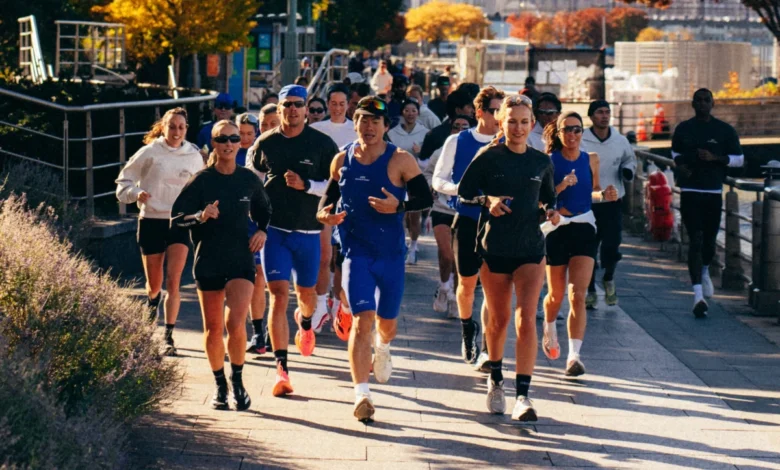
As the starting gun approaches for the New York City Marathon, the streets of the five boroughs are preparing to host more than just a grueling 26.2-mile race. With 60,000 runners registered and an estimated 2 million spectators lining the course, the event has evolved into a centerpiece of the city’s cultural and economic calendar. Beyond the athletic achievement, the marathon serves as a high-visibility theater for fashion and apparel brands, ranging from performance-focused giants to lifestyle labels seeking to capture the attention of a highly engaged, affluent demographic.
The logistics of the event are staggering. The marathon requires the closure of major arteries, including the Verrazzano-Narrows Bridge and the Queensboro Bridge, effectively carving out a massive, temporary urban space that belongs entirely to the running community. As the city braces for the influx of athletes and their support systems, brands have strategically pivoted their marketing efforts away from traditional media and toward experiential activations that promise community immersion.
A Chronology of Engagement: The Pre-Race Fever
While the race itself takes place on a single Sunday, the “marathon moment” has expanded into a full-week itinerary. The strategy has shifted from passive sponsorship—placing a logo on a finish line banner—to active participation in the training and recovery cycle of the athlete.
The pre-race period, typically starting on the Monday or Tuesday before the marathon, is now defined by the “shakeout run.” These low-intensity, short-distance runs, usually ranging from three to five miles, serve as the primary vehicle for brand engagement. For brands like New Balance, Nike, Adidas, On Running, Puma, Saucony, and Hoka, these events are essential for fostering goodwill. By hosting these runs, brands move from being corporate sponsors to being part of the athlete’s personal preparation routine.
The week follows a structured progression: early-week wellness events and panel discussions, mid-week shakeout runs, and late-week carb-loading dinners and exclusive parties. By Friday and Saturday, the atmosphere in Manhattan shifts from athletic focus to social celebration. Saucony’s decision to host the “Jorts Mile”—a tongue-in-cheek race where participants run in jean shorts—highlights a growing trend: injecting humor and personality into an event that could otherwise feel clinical or overly competitive.
Supporting Data: The Shift in Brand Participation
The influx of non-running brands into this space is not coincidental. According to recent social media analytics, mentions of non-running brands in marathon-related content have grown from 25% to 30% over the last year alone. Furthermore, TikTok brand mentions associated with the NYC Marathon have tripled over the last three years, suggesting that the event has become a primary driver of social currency for apparel companies.
Julie Wandzilak, head of physical culture at the fitness-focused Manhattan social club Moss, notes that the shift toward experiential marketing is a direct response to the needs of the modern runner. “There are hundreds of activations happening around the marathon, and it’s not just about the actual race day,” Wandzilak said. “The runners are training for weeks leading up to it. I ran the marathon in 2022, and when I was thinking of what the ideal activation I would have wanted was, I knew a pre-race shakeout run was the right move.”
For brands, the ROI is not always measured in immediate sales. Salomon, for instance, has hosted events with Moss that focus entirely on community building rather than transactional retail. The objective is to cement the brand’s identity within the “runner’s lifestyle,” ensuring that when a consumer is looking for gear, their brand is already associated with the positive, high-intensity memories of marathon week.
The Rise of Lifestyle and Wellness Integration
The reach of the marathon has expanded beyond the specialized activewear sector. H&M’s recent entry into this space, through its H&M Move capsule collection, demonstrates how even fast-fashion retailers are repositioning themselves to capture the “athleisure” market. By partnering with wellness spas like The Altar to offer saunas and red-light therapy alongside their run-club activations, the brand is signaling that it understands the holistic needs of the modern athlete.
Marie Fredros, head of design at H&M, noted that the collection was specifically curated to reflect the intersection of performance and metropolitan life. “It reflects how running can move naturally between sport, style, and the city,” Fredros explained. This sentiment is shared by Vuori, a brand that has leveraged the marathon to reinforce its core values of movement and community. According to Ashley Kechter, global president of Vuori, the marathon provides a unique, concentrated environment to deepen connections with existing customers while introducing the brand to a massive, global audience.
The Emotional Economy: Why Brands Are Betting on Running
The appeal of the marathon for brands lies in the unique emotional state of its participants. Unlike a trade show or a retail launch, a marathon is an event of high emotional intensity. Raz Rauf, author of the running newsletter Running Sucks, emphasizes that the intimacy of the event is its most valuable asset.
“Cheering a marathon brings this crazy intimacy of emotions,” Rauf observed. “People cry. You don’t often go out and cry with your friends. The joy you see on their face from getting a popsicle from a stranger that’s going to get them through the next 15 miles—you can’t get that anywhere else.”
This “emotional economy” is what brands are attempting to harvest. By associating their logo with the triumph of crossing the finish line, or the relief of a post-run recovery session, brands are bypassing the traditional consumer-product relationship and entering into a symbolic partnership with the athlete’s journey.
Strategic Implications and Future Trends
The professionalization of marathon marketing carries significant implications for the future of sports retail. As the line between “performance athlete” and “recreational lifestyle runner” continues to blur, the brands that win will be those that can successfully navigate both the high-performance requirements of the race and the aesthetic demands of city living.
Several trends are likely to persist:
- The Decentralization of Sponsorship: Brands are moving away from top-tier, single-sponsor dominance toward a fragmented ecosystem of smaller, hyper-local activations.
- Wellness-First Messaging: Apparel is increasingly being sold alongside wellness services, such as recovery therapy, nutrition counseling, and mental health resources.
- Community-Centric Retail: Pop-up stores are becoming less about inventory and more about hosting clubs, talk-shops, and social gatherings.
The NYC Marathon has effectively become a massive, week-long trade show for the future of the apparel industry. For 60,000 runners, it remains a test of endurance. But for the brands lining the sidewalks and hosting the parties, it is a test of relevance. As long as the marathon remains a premier cultural moment for New York City, the pressure will be on apparel brands to not just supply the gear, but to own the experience.
In the final analysis, the success of these brand activations proves that in a digital-first world, the most effective marketing tool remains a shared, physical experience. Whether it is a 5K shakeout run through Central Park or a recovery party in a Manhattan lounge, brands are discovering that the path to the consumer’s wallet runs directly through the emotional peak of the finish line. As the city prepares for the weekend, the message from the apparel industry is clear: the race is no longer just about the finish time—it is about the narrative you build along the way.
Related posts: