Kelli Donovan: Redefining Sustainable Luxury Through Ancestral Craft and Environmental Advocacy

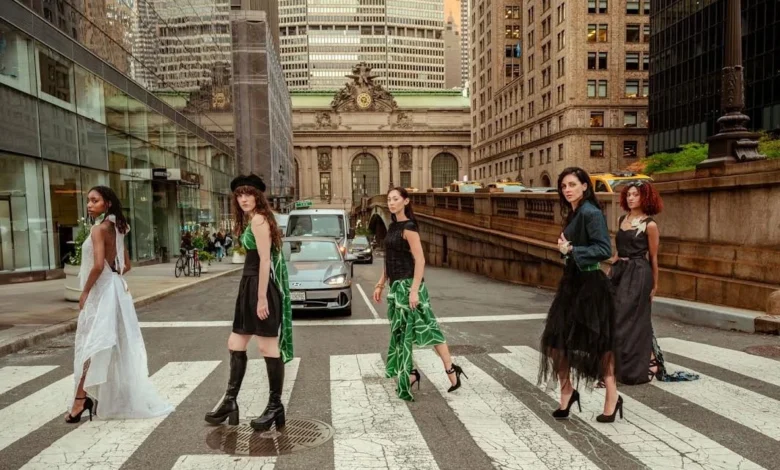
The global fashion industry is currently responsible for approximately 8% to 10% of global carbon emissions and is a leading contributor to microplastic pollution in the world’s oceans. Amidst this backdrop of systemic waste, designer Kelli Donovan has emerged as a significant voice for reform, blending the meticulous techniques of traditional tailoring with a modern, conservationist ethos. Based in Australia, Donovan’s career spans three decades, marking a transition from conventional fashion production to a specialized focus on zero-waste, high-quality, and ethically sourced design. Her work serves as a critical case study for how the industry might pivot away from the hyper-consumerist model of ultra-fast fashion toward a more sustainable, circular economy.
The Formative Years and the Influence of Heritage
Kelli Donovan’s design philosophy is deeply rooted in her upbringing in Canberra, Australia. The city, often referred to as the "bush capital," provided a unique landscape that fostered an early appreciation for natural ecosystems. Growing up in a creative household surrounded by mountain ranges and expansive walking trails, Donovan developed an acute sensitivity to the environment. This upbringing was underscored by the influence of her grandmother, Annie Muir, a professional tailor from Glasgow, Scotland.
Muir’s legacy of craftsmanship remains a cornerstone of Donovan’s business model. According to Donovan, her grandmother instilled a foundational belief that the quality of materials must match the intent of the design. "There is no point wasting time and skills on a piece of cheap cloth," Muir famously asserted, a philosophy that Donovan has institutionalized within her brand. By prioritizing high-grade, sustainable textiles, Donovan replicates the durability and purpose-driven nature of her grandmother’s tailoring, effectively rejecting the "disposable" culture of modern garment manufacturing.
Chronology of an Ethical Shift
Donovan’s career trajectory reflects the broader evolution of the sustainability movement within fashion. While the 1990s and early 2000s were characterized by the rapid expansion of global supply chains and the rise of fast-fashion retailers, Donovan’s professional trajectory moved in the opposite direction.
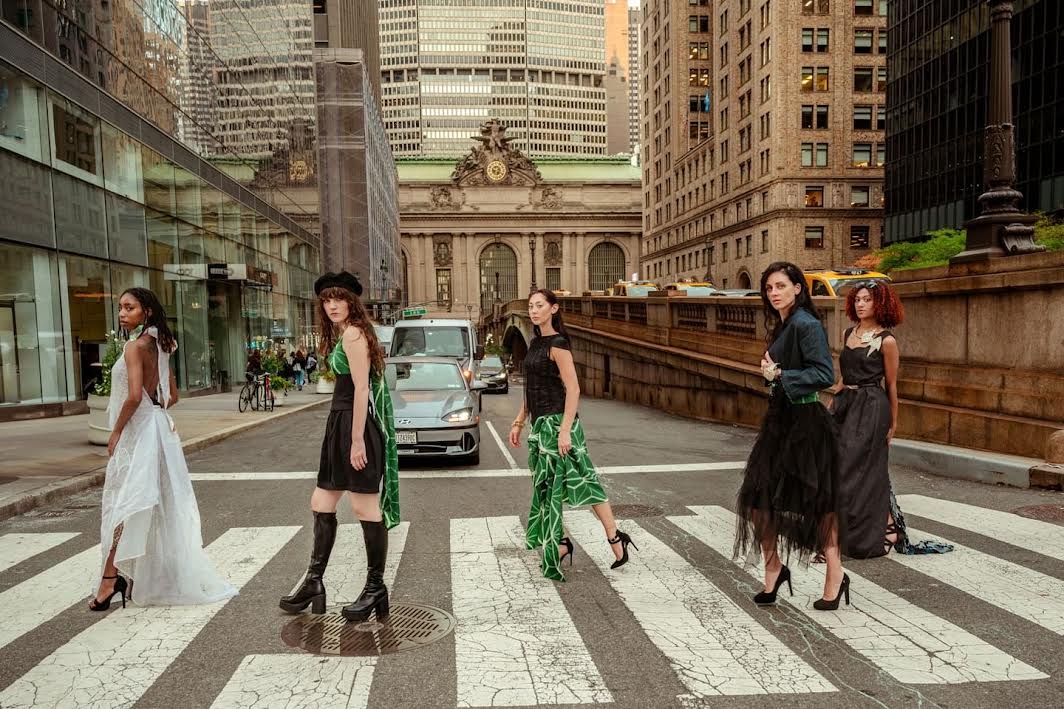
- Early Career (1995–2005): Donovan spent her initial years mastering traditional construction techniques, working within the industry while observing the rising environmental costs of mass production.
- The Pivot (2005–2015): Recognizing the environmental degradation caused by synthetic dyes, textile waste, and excessive production cycles, she began integrating sustainable practices into her design process.
- The Manta Ray Collection (2018–2020): This project marked a significant shift toward thematic, activism-driven design. The collection focused on the impact of plastic and textile pollution on marine life, specifically drawing inspiration from the Giant Manta Ray.
- The "Sleeping Beauties" Collection (2024): A collection aimed at critiquing the issue of industrial oversupply, this project coincided with high-level industry discourse regarding the ethics of archival preservation versus the reality of current garment surplus.
The Manta Ray Collection and Marine Conservation
The Manta Ray collection represents perhaps the most explicit intersection of Donovan’s aesthetic and her environmental advocacy. The collection was designed to highlight the fragility of marine ecosystems, which are increasingly burdened by the fallout of the fashion industry. Research indicates that synthetic fibers, such as polyester and nylon, are responsible for approximately 35% of all primary microplastics found in the marine environment.
Donovan utilized the Manta Ray—a creature that exists in harmony with its ecosystem, filtering plankton without disrupting its surroundings—as a metaphor for responsible consumption. By focusing on this imagery, the collection functioned as a pedagogical tool for consumers, prompting a reconsideration of the life cycle of a garment. The initiative drew praise from conservationists for its ability to bridge the gap between high-fashion aesthetics and the urgent, data-driven reality of ocean pollution.
Analysis: The Economics of Waste and Overproduction
The "Sleeping Beauties" collection serves as a commentary on the phenomenon of industrial overproduction. Data from the United Nations Environment Programme (UNEP) suggests that nearly 60% of all clothing produced is discarded within a few years of manufacture, often ending up in landfills or being incinerated. This surplus represents not only a loss of material resources but a massive squandering of energy, water, and labor.
Donovan’s approach to this crisis is twofold: she advocates for "slow fashion" and emphasizes the necessity of zero-waste design. By designing for longevity, she argues that the industry can mitigate the need for constant, rapid turnover. From an economic standpoint, her model suggests that high-quality, durable garments—while possessing a higher upfront cost—provide greater value to the consumer and a smaller footprint on the planet.
Perspectives for the Next Generation of Designers
As sustainability transitions from a niche marketing term to a core industry requirement, Donovan’s advice to emerging designers centers on technical proficiency and original thinking. She emphasizes that sustainability should not be viewed as a constraint, but as a catalyst for innovation.
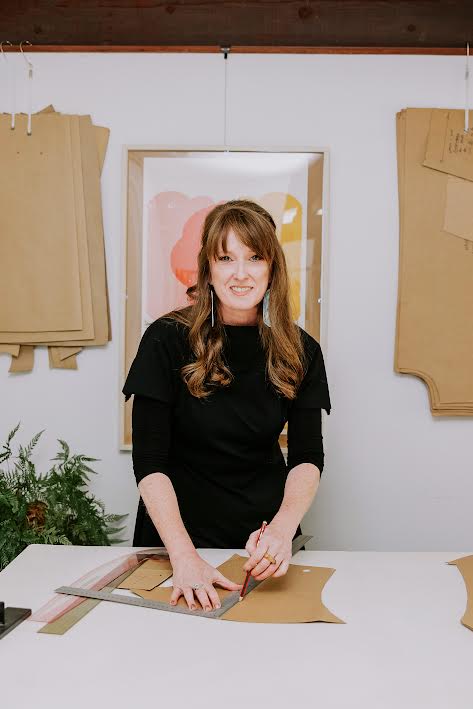
"Try not to follow trends, but find your unique superpower," Donovan states. This directive encourages young designers to focus on material science, pattern-making efficiency, and the development of a unique aesthetic that is not dependent on the whims of seasonal trends. By experimenting with textile waste and refining design aesthetics, designers can build brands that are resilient to the volatility of the global fashion market.
Broader Implications for the Industry
The fashion industry is currently under intense scrutiny from international regulatory bodies. In the European Union, the Strategy for Sustainable and Circular Textiles is pushing for mandatory requirements regarding the durability and recyclability of garments. Donovan’s career provides a blueprint for compliance and innovation in this new regulatory climate.
Her insistence on ethical production—which encompasses not only the environmental impact of textiles but the human cost of labor—mirrors the growing demand for supply chain transparency. For consumers, the message is clear: the act of purchasing clothing is a vote for a specific type of production model. As the industry moves toward 2030, the success of independent designers who prioritize circularity will likely dictate the pace at which larger, multinational fashion conglomerates are forced to change their practices.
Conclusion: A Pioneer for a Sustainable Future
Kelli Donovan’s work is characterized by a rare synthesis of ancestral wisdom and future-forward environmentalism. Her career demonstrates that fashion can be both a vessel for artistic expression and a tool for social and environmental change. By looking back to the techniques of her grandmother and forward to the preservation of marine ecosystems, she has carved out a position of influence that challenges the current status quo of the global fashion industry.
As the industry faces the dual challenge of reducing its carbon footprint and managing its waste output, the methodologies championed by Donovan—zero-waste design, the use of high-quality, sustainable textiles, and a rejection of the fast-fashion cycle—will likely become the standard for the next generation of designers. Her journey serves as a reminder that the most radical act in fashion today may simply be the creation of something that is designed to last.