Imagine a world where the entire journey of your clothing is transparent, traceable from its raw origins to your wardrobe. Picture knowing who crafted your favorite garment, under what conditions, and its exact environmental footprint. In an era often defined by rapid consumption, a discernible shift is underway, with a growing number of brands and consumers actively seeking a slower, more transparent, and inherently sustainable approach to fashion. This burgeoning movement, encapsulated by the "farm to closet" principle, represents a profound re-evaluation of the industry’s future, as exemplified by pioneers like the Indonesian brand SukkhaCitta.
The Genesis of "Farm to Closet": Transparency from the Ground Up
The "farm to closet" philosophy stands in stark contrast to the prevailing fast fashion paradigm, advocating for a fully traceable lifecycle of a garment – from the cultivation of its raw materials to its manufacturing and final presentation as a finished product. This approach fundamentally challenges the mass-production processes of fast fashion, where the relentless pursuit of low prices and rapid trend cycles often comes at a significant cost to both the environment and human labor.
The fast fashion model, a hallmark of consumer culture since the late 20th century, has led to an unprecedented volume of clothing production. Annually, an estimated 80 to 150 billion garments are produced worldwide, a staggering figure that underscores the industry’s immense scale. The environmental consequences are equally alarming: approximately 85% of these textiles end up in landfills, contributing to a monumental waste crisis. Beyond waste, the industry is a major polluter, consuming vast quantities of water – for instance, a single cotton t-shirt can require up to 2,700 liters of water to produce – and accounting for an estimated 10% of global carbon emissions. Moreover, the human cost is often borne by garment workers in developing countries, who frequently face exploitative labor practices, unsafe working conditions, and meager wages.
In direct opposition to this unsustainable model, "farm to closet" prioritizes an entirely transparent supply chain, championing regenerative agriculture and community-based, artisanal production. It signifies a return to craftsmanship, valuing quality, longevity, and ethical practices over transient trends and disposable goods.
SukkhaCitta: Building Community Through Conscious Fashion
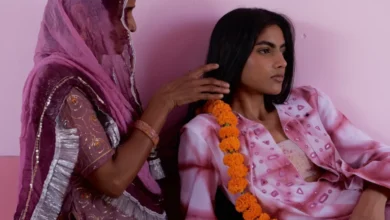
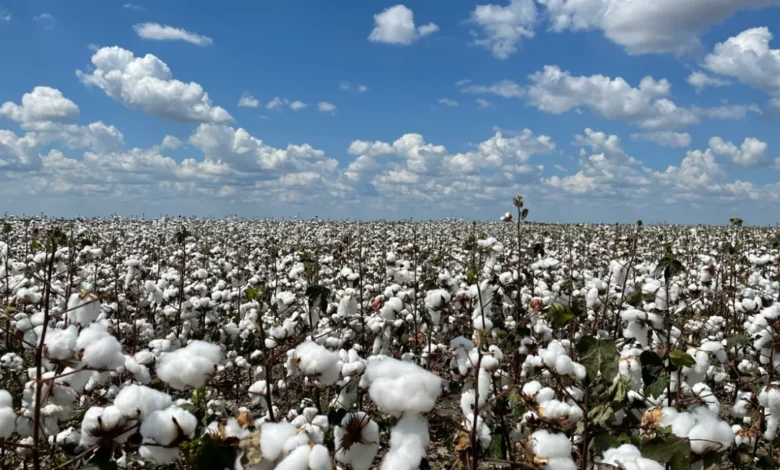
Among the globally recognized leaders in sustainable fashion is the Indonesian brand SukkhaCitta, which has meticulously translated the "farm to closet" philosophy into tangible practice. Their garments are crafted within a conscious system from the very moment the cotton seeds are planted. The brand collaborates directly with local farmers, implementing regenerative agricultural methods that not only produce high-quality raw materials but also actively contribute to ecological restoration. Crucially, SukkhaCitta exclusively employs natural dyes, eschewing the harmful chemicals prevalent in conventional textile production.
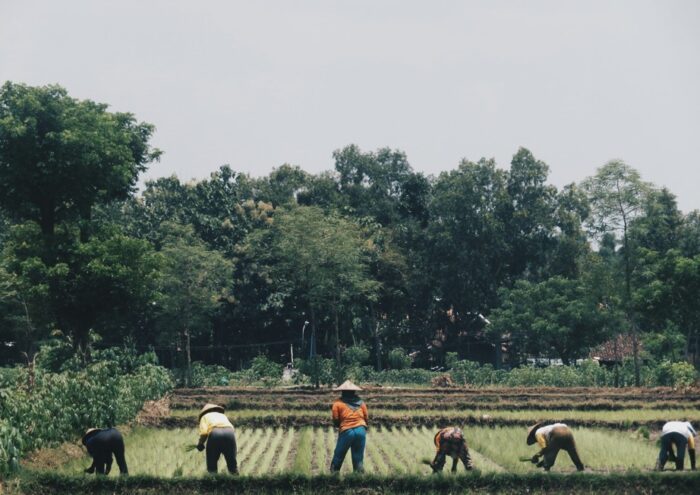
A cornerstone of SukkhaCitta’s material strategy is indigo, cultivated and processed using traditional methods. The natural dye derived from the indigo plant offers a compelling, eco-friendly alternative to synthetic colorants, but its significance extends beyond environmental benefits; it embodies a rich cultural heritage. The indigo dyeing process is both time-intensive and demands profound artisanal skill. Fabric undergoes multiple immersions and oxidation cycles to achieve its characteristic deep hues. This meticulous procedure not only minimizes environmental impact by avoiding toxic chemicals but also actively preserves the traditional expertise of local communities, ensuring ancient craft forms endure for future generations.
The manufacturing process itself is a testament to ethical production. Skilled artisan weavers and sewers are employed under conditions of fair remuneration and safe working environments. Each garment, a product of considerable time and dedication, transcends mere aesthetic appeal; it carries a narrative – a story of communities, tradition, and a commitment to responsible creation. This deliberate, slow approach to production ensures that every piece is imbued with value, both for the wearer and for the hands that brought it to life.
The Historical Context of Fashion’s Divide
The transition from a "farm to closet" mentality to industrial mass production began in earnest with the Industrial Revolution. Before this period, clothing was largely bespoke or locally made, with materials often sourced directly from farms or local tradespeople. Spinners, weavers, and tailors were integral parts of local economies, and consumers had a direct, albeit sometimes distant, connection to the origin of their garments. The advent of mechanized production, followed by globalized supply chains in the 20th century, gradually severed this connection. Brands became detached from the realities of their supply chains, prioritizing efficiency and cost-reduction above all else. This detachment fostered an environment where environmental and social costs could be externalized, leading to the rapid proliferation of fast fashion and its associated challenges.
The "farm to closet" movement can be seen as a conscious effort to reverse this historical trajectory, re-establishing transparency and accountability at every stage. It’s not merely a trend but a foundational shift aimed at restoring integrity to an industry that has long operated in the shadows.
Beyond Fashion: Economic, Social, and Environmental Impact
The SukkhaCitta model profoundly illustrates that fashion is far from an isolated industry. Its influence permeates critical areas such as soil quality, water resources, local economies, and, significantly, the social standing of women. The slow fashion movement, of which "farm to closet" is a vital component, does not advocate for a complete cessation of consumption but rather a thoughtful re-evaluation: fewer, higher-quality garments that are cherished and worn for longer durations.
Regenerative agriculture, central to SukkhaCitta’s practice, goes beyond merely sustaining the environment; it actively restores it. By focusing on soil health through practices like cover cropping, minimal tillage, and diverse crop rotations, these methods enhance biodiversity, improve water retention, and sequester carbon from the atmosphere, turning agricultural land into a climate solution. This contrasts sharply with conventional monoculture farming, which often depletes soil, relies heavily on synthetic pesticides and fertilizers, and contributes to greenhouse gas emissions.
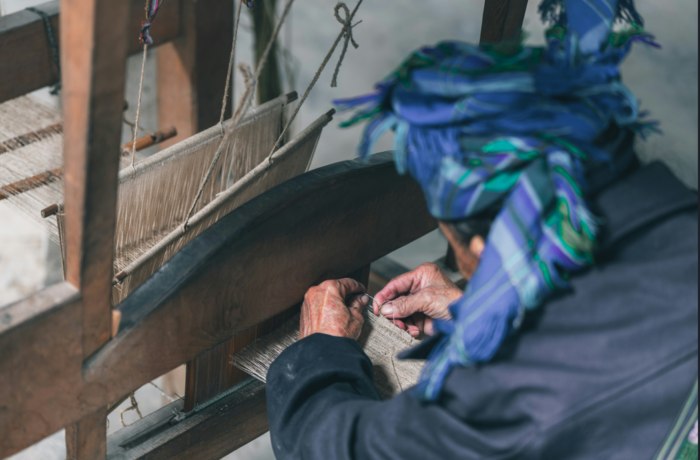
Furthermore, the emphasis on fair wages and safe working conditions directly combats the systemic exploitation prevalent in much of the global garment industry. By empowering local artisans, particularly women who often form the backbone of textile production in many regions, brands like SukkhaCitta foster economic independence and community resilience. This approach transforms a transactional relationship into a partnership, recognizing the value of human skill and dignity. It demonstrates that ethical labor practices are not merely an expense but an investment in human capital and sustainable development.
Challenges and the Path Forward
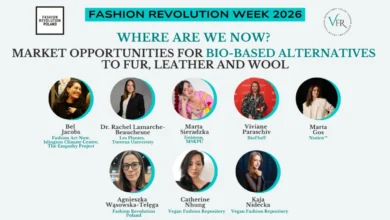
While the "farm to closet" model offers a compelling vision, its widespread adoption faces significant challenges. Scaling such operations to meet global demand, competing with the ultra-low prices of fast fashion, and educating consumers about the true cost of clothing are considerable hurdles. However, increasing consumer awareness, driven by documentaries, advocacy groups, and social media campaigns, is creating a demand for greater transparency. Organizations like Fashion Revolution, which promotes "Who Made My Clothes?", are instrumental in shifting consumer mindsets.
Governments and regulatory bodies also have a crucial role to play. Policies that incentivize sustainable practices, penalize environmental damage, and enforce ethical labor standards could accelerate the transition. Initiatives like extended producer responsibility (EPR) schemes, which hold brands accountable for the entire lifecycle of their products, could become more widespread.
Conscious Choices, Real Change
The "farm to closet" philosophy serves as a powerful testament to fashion’s potential to be simultaneously beautiful, ethical, and sustainable. The future of fashion must grapple with the accelerating pace of the modern world, yet do so with greater deliberation. A more sustainable future hinges not solely on individual consumer decisions, though these are important, but perhaps most crucially on the industry’s capacity to transition to more transparent, responsible, and regenerative modes of operation.
The "farm to closet" model provides a tangible, working example: it proves that fashion can be economically viable, community-building, and environmentally conscious. The fashion of tomorrow may not simply be slower or faster; it will be, by necessity, more responsible and profoundly thoughtful, weaving together the threads of nature, craft, and human dignity into every garment.
Authored by: Enikő Kovács
Source: Why the future of fashion is ‘farm to closet’ | National Geographic