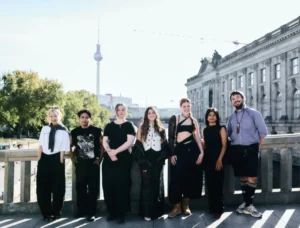
Ersan Mondtag presents Dispair at Dittrich and Schlechtriem gallery in Berlin


The Berlin art scene finds itself once again under the evocative and unsettling gaze of Ersan Mondtag as he unveils his latest solo exhibition, Dispair, at the prestigious Dittrich & Schlechtriem gallery. Launched on 9 September in synchronicity with the annual Berlin Art Week—a cornerstone event for the international contemporary art market—the exhibition serves as a profound interrogation of the human condition, collective memory, and the precarious nature of societal structures. The showcase, which is scheduled to remain open to the public until 31 October, marks a significant milestone in Mondtag’s career, solidifying his reputation as a polymath who seamlessly navigates the fluid boundaries between visual art, high-concept theater, opera, and film.
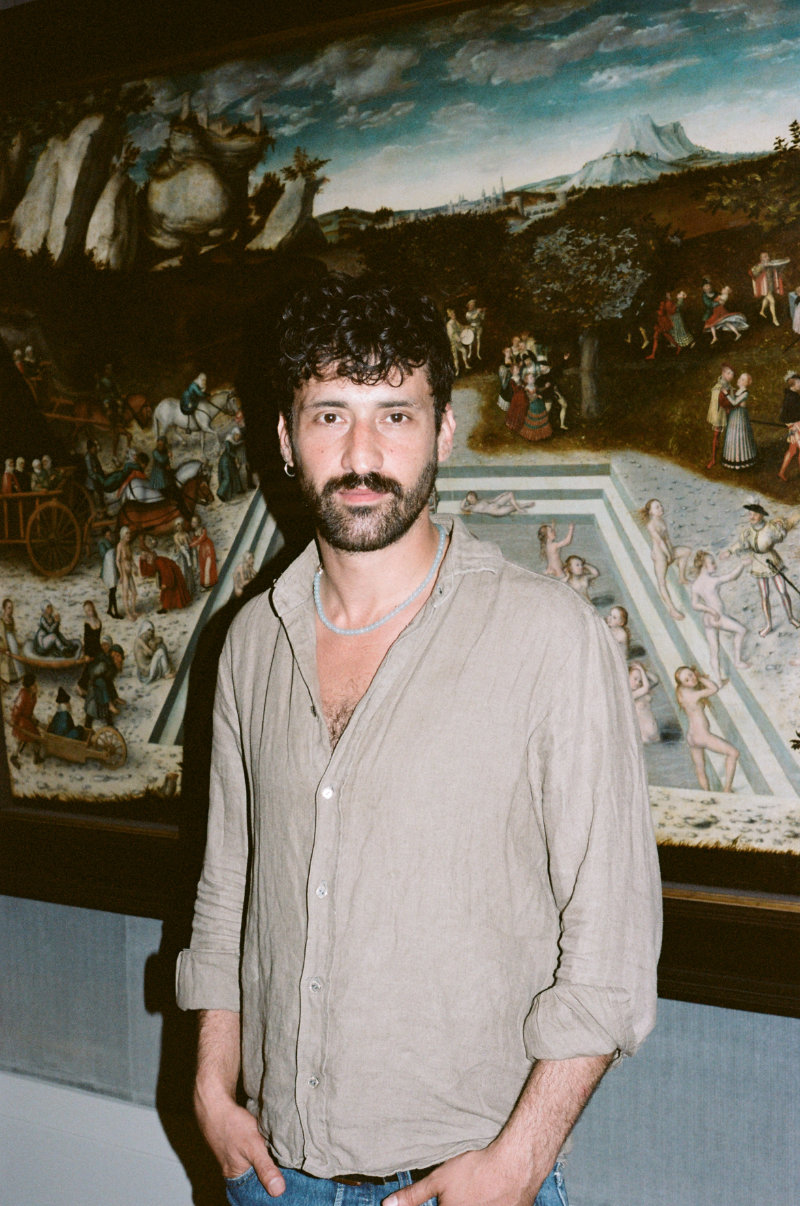
Thematic Architecture and Artistic Vision
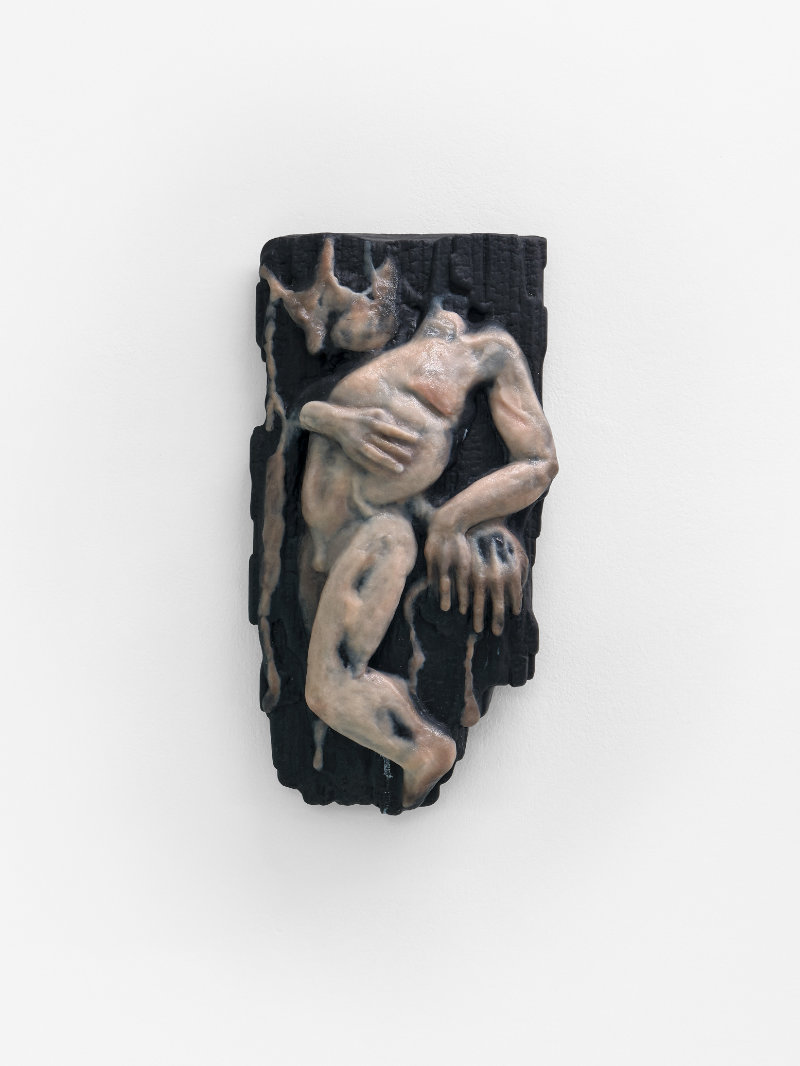
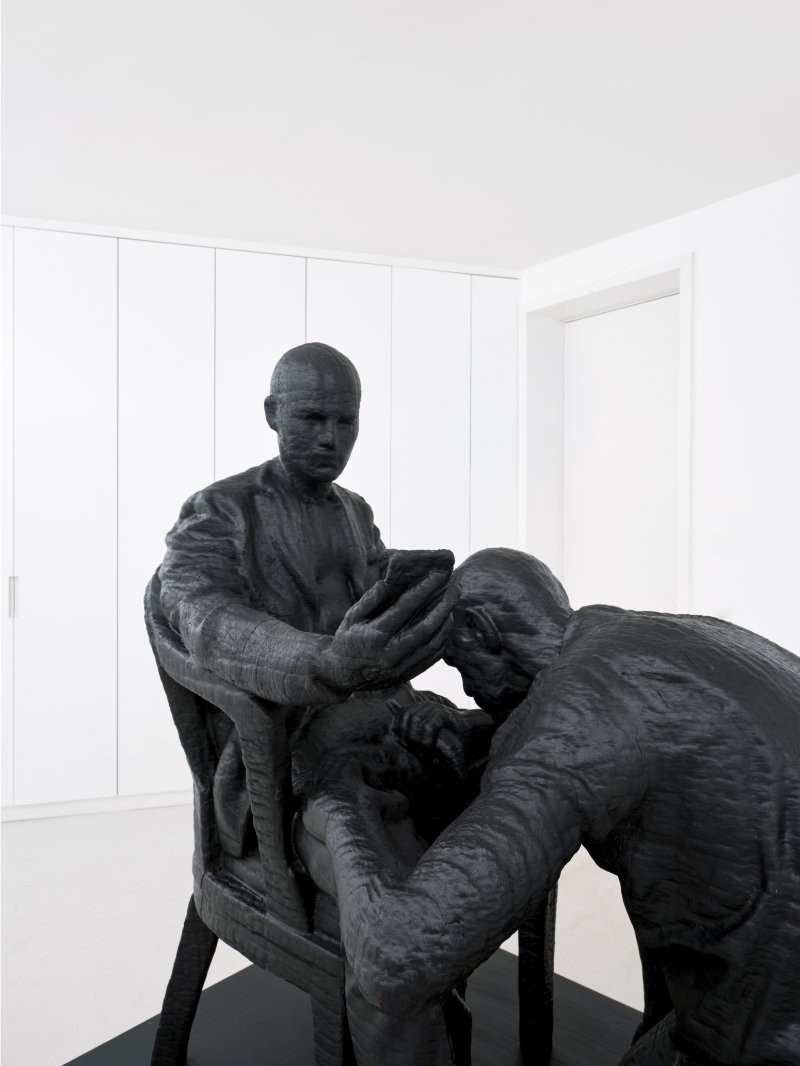
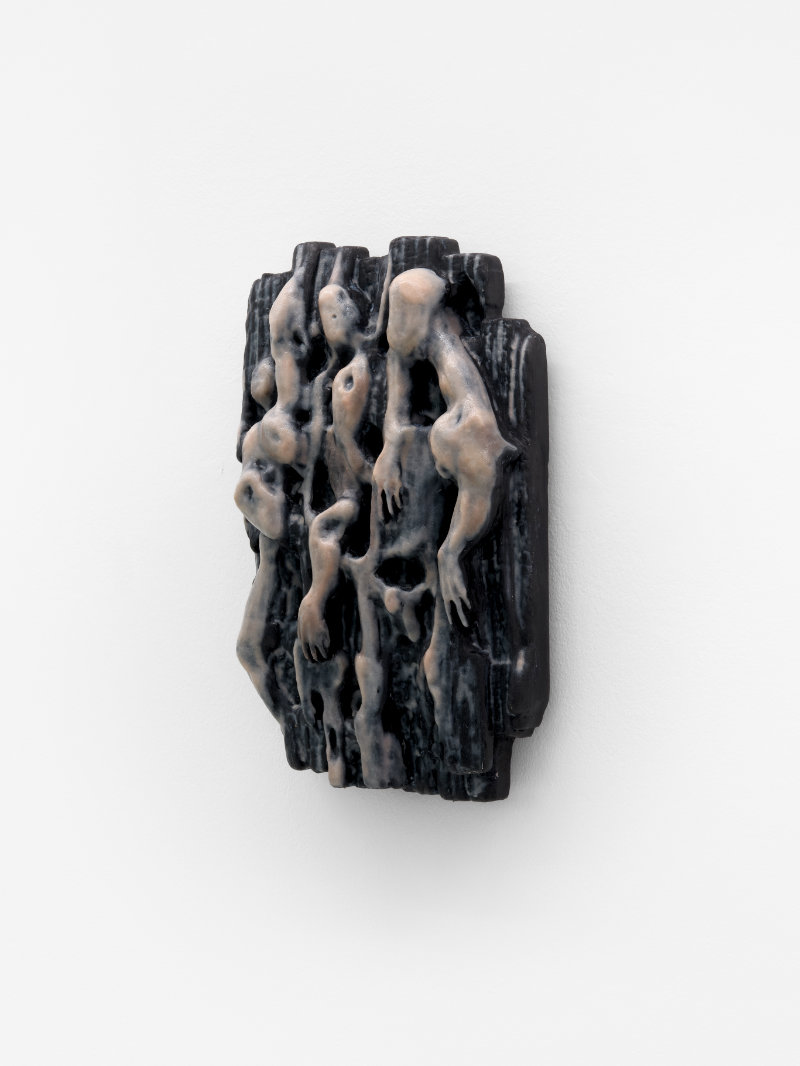
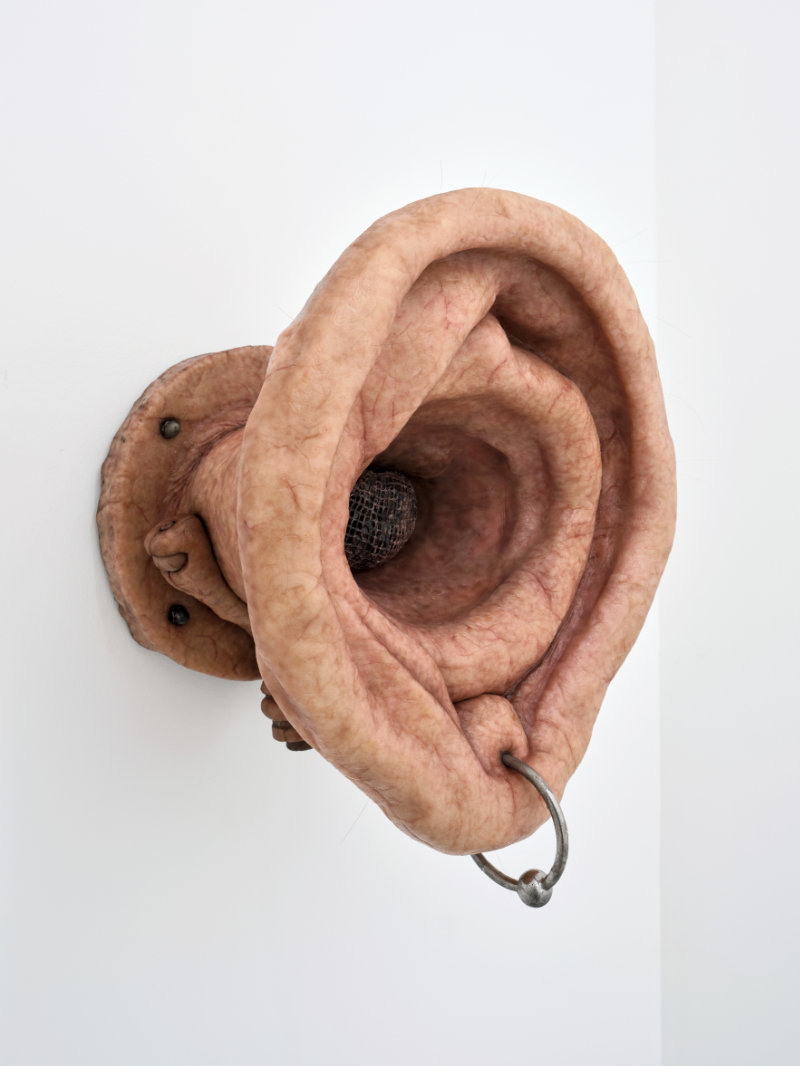
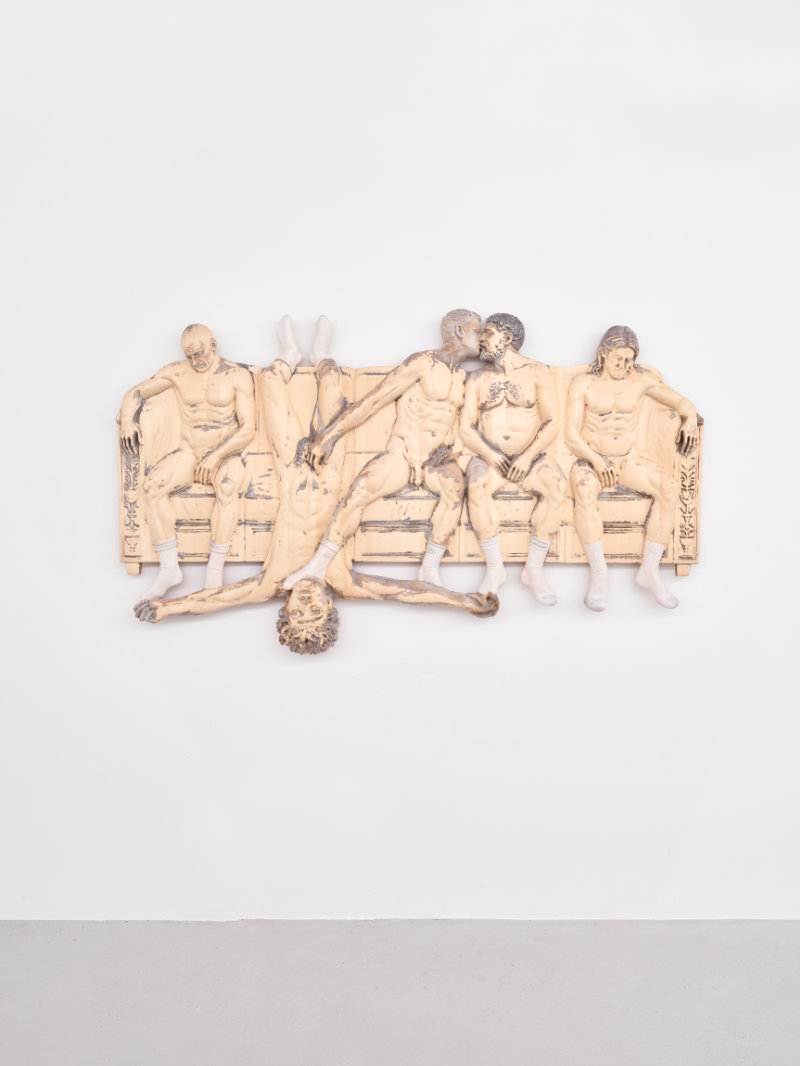
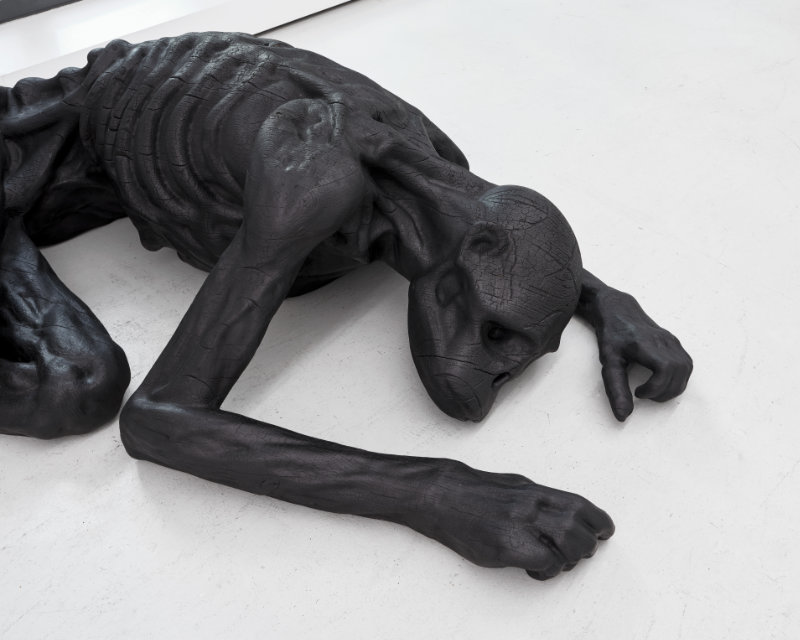
At the core of Dispair lies an exploration of the body as a primary repository of historical and personal trauma. Mondtag treats the physical form not merely as a subject, but as a vessel of recollection where life events are etched into materials, gestures, and the architectural voids created within the gallery space. The exhibition presents an immersive environment composed of large-scale sculptures crafted from carbonized wood, complemented by a series of intricate reliefs constructed from a hybrid of wood and silicone.
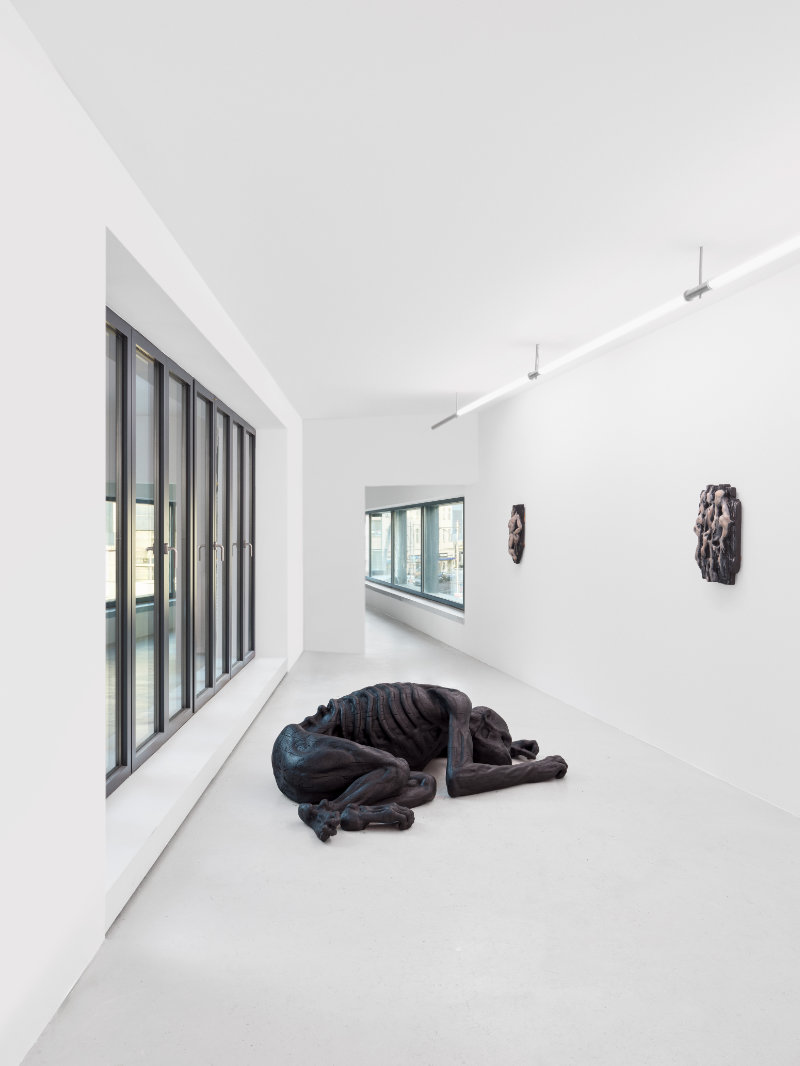
Mondtag’s choice of material is deliberate and symbolic. The carbonization process—the controlled burning of wood—serves as a metaphor for the cycles of growth, cataclysmic destruction, and eventual preservation. By charring the timber, the artist immortalizes the material, freezing a moment of transformation that bridges the gap between natural decay and aesthetic permanence. In juxtaposition, the use of silicone introduces a tactile, almost epidermal quality to the works. This contrast between the rigid, scorched wood and the soft, organic-feeling silicone creates a sensory tension that forces viewers to confront the fragility of the human experience.
Chronology of an Emerging Force
Ersan Mondtag’s trajectory within the European cultural sphere has been nothing short of meteoric. His rise to prominence is characterized by a multidisciplinary approach that often blurs the lines between static installation and kinetic performance.
- 2024: Mondtag achieved significant international critical acclaim for his contribution to the German pavilion at the 60th Venice Biennale. His work there challenged existing paradigms of national identity and historical narrative, positioning him as a leading voice in contemporary European art.
- September 2026: The opening of Dispair at Dittrich & Schlechtriem marks his transition into a dedicated solo gallery exhibition format, signaling a deeper focus on his sculptural practice.
- Current/Upcoming: Concurrent with the Berlin exhibition, Mondtag is actively directing Ariadne auf Naxos at the prestigious Salzburg Festival. Furthermore, the cultural community is already looking toward 2027, when he is slated to open the Bayreuth Festival with a highly anticipated new production of Wagner’s Parsifal.
This timeline underscores the artist’s unique ability to oscillate between the intimate, contemplative space of a gallery and the grand, public-facing spectacle of the opera house. His involvement in such diverse arenas demonstrates a consistency of vision: whether on stage or in a gallery, Mondtag remains committed to the exploration of scenography as a vehicle for history.
Philosophical Inquiry into Contemporary Politics
While the aesthetic beauty of the sculptures is undeniable, Dispair is inherently political. The exhibition functions as a spatial inquiry into the sociopolitical conditions of the present day. Through his meditations on inclusion and exclusion, Mondtag addresses the vulnerability of democratic structures and the systemic mechanisms that propagate fear.
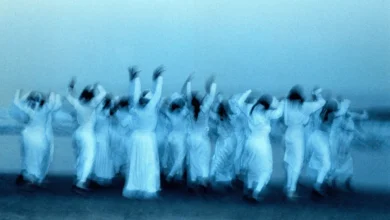
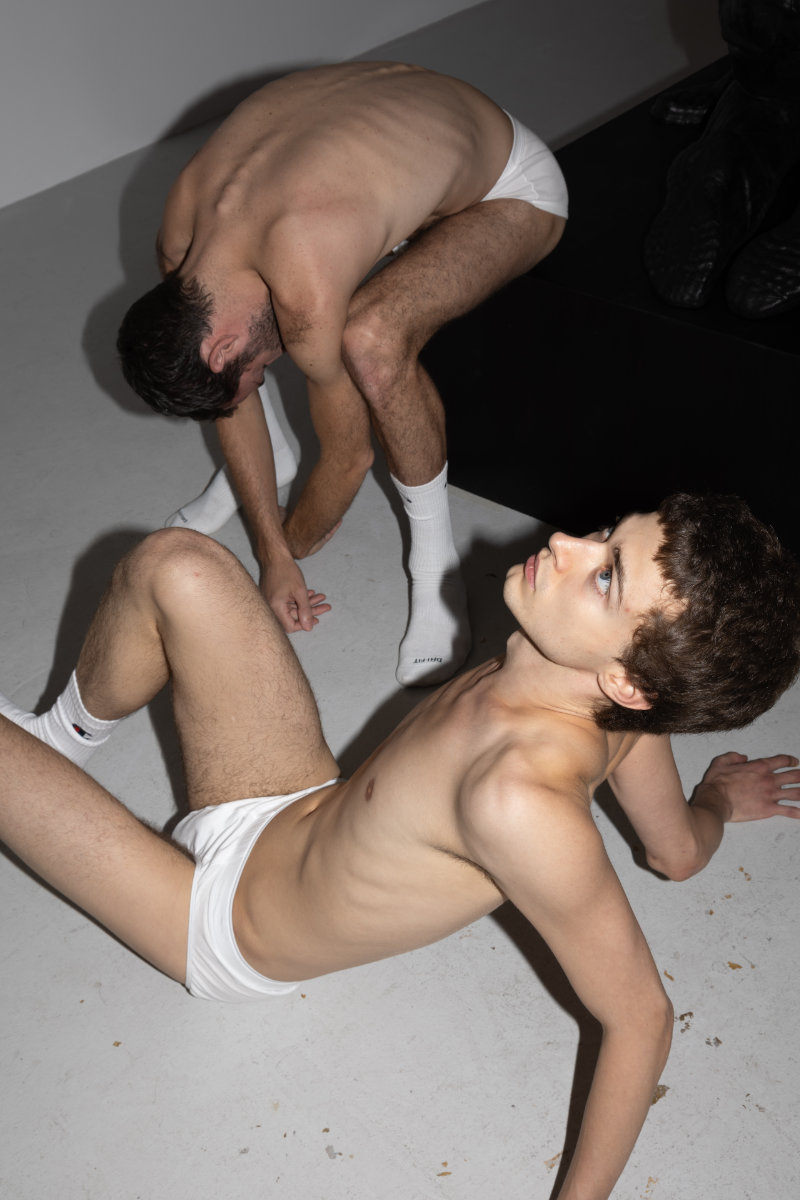
The inclusion of the Totentanz performance—a collaborative effort developed alongside Nadim Samman and produced in partnership with the Berliner Ensemble—adds a temporal layer to the exhibition. By integrating sound installation, live performance, and physical sculpture, the work forces the audience to engage with the "ghosts" of societal structures. The title of the exhibition, a deliberate play on the word "despair," suggests a state of being that is suspended between hope and resignation, perfectly capturing the anxiety prevalent in modern civic life.
Data and Material Analysis
The exhibition’s technical composition provides insight into Mondtag’s rigorous process:
- Carbonized Wood: Chosen for its durability and symbolic weight, this material serves as the structural backbone of the show. It represents the "bones" of memory.
- Silicone Reliefs: These serve as the "skin," adding a layer of human-like vulnerability.
- Performance Elements: The Totentanz performance is anchored by a 10:00-minute audio loop, which acts as a rhythmic pulse within the gallery, dictating the pace of the viewer’s movement through the installation.
The scale of the pieces ranges from intimate, wall-mounted reliefs to towering wooden installations that dominate the gallery’s floor plan. This variation in scale is essential to the viewer’s experience, moving them from a position of detached observation to one of total immersion.
Critical Implications and Impact
Industry experts have noted that Dispair is indicative of a broader shift in contemporary art, where artists are increasingly abandoning the "white cube" neutrality in favor of creating holistic, scenographic environments. By drawing from his experience in theater and opera, Mondtag creates a dialogue between the viewer and the art that is far more theatrical than traditional sculpture exhibitions.
The implications of this shift are twofold. Firstly, it expands the potential for audience engagement; the inclusion of performance art alongside static objects ensures that the exhibition is never static, changing its energy based on the presence of the performers and the response of the public. Secondly, it challenges the gallery to function as a space of active discourse rather than just a commercial showcase.
Official Stance and Reception
While Dittrich & Schlechtriem has maintained a professional reticence, letting the works speak for themselves, the gallery’s decision to feature such a complex, politically charged exhibition during the high-traffic Berlin Art Week is a testament to the importance they place on Mondtag’s work. The exhibition has already drawn significant attention from international critics, who praise the artist for his refusal to simplify complex social issues.
"Ersan Mondtag does not provide answers," noted one art historian familiar with the exhibition. "Instead, he provides a stage where the questions of exclusion, destruction, and community are allowed to exist in their most raw, physical form."

Conclusion: The Legacy of Dispair
As the exhibition runs through the autumn, it stands as a mirror to the current climate of global uncertainty. Through the medium of carbonized wood and hauntingly realistic silicone, Ersan Mondtag has successfully synthesized the disparate elements of his practice into a coherent, moving statement. Dispair is not merely an exhibition; it is a manifestation of the collective anxiety and the quiet, persistent hope that defines our current era.

For those attending in Berlin, the experience offers a rare opportunity to witness an artist at the height of his creative powers, bridging the chasm between the past and the future through the deliberate, careful destruction and reconstruction of form. Whether through his grand operatic ventures or these intimate, somber sculptures, Mondtag continues to prove that the most effective way to address the complexities of society is to give them a physical form, one that is as beautiful as it is devastating. Visitors are encouraged to engage with the full scope of the installation, as the interplay between the sculpture and the performative elements is essential to grasping the full weight of the narrative Mondtag has woven within the gallery walls.