From University Latecomers to Global Design Leaders: Elliot March on Inspiration, Architecture, and the Evolution of MAWD

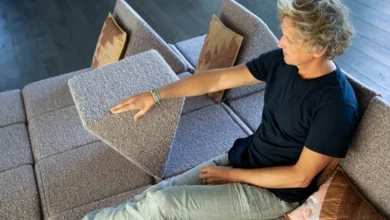
The trajectory of many prominent design firms often begins in the unlikeliest of places. For Elliot March and James White, the foundation of MAWD | March and White Design was laid over a decade and a half ago in a bustling lecture hall at the University of Edinburgh. Arriving late to the same class turned out to be a fortuitous misstep, sparking an immediate intellectual connection centered on a mutual fascination with the built environment, structural form, and human-centric design.

In the years following their university tenure, March and White deliberately honed their craft within larger, established architectural and interior practices. While working these early-career positions, White developed a profound interest in interior spaces—specifically how they dictate and elevate human experience, emotion, and daily interaction. Recognizing a shared desire to approach projects more holistically, unhindered by the rigid silos often found in corporate architecture, the duo officially established MAWD in 2010.
What began as a boutique British interior design firm has since evolved into a globally recognized multidisciplinary practice. Today, MAWD’s portfolio spans a diverse array of high-stakes sectors, ranging from large-scale hospitality projects and high-end residential towers to bespoke superyachts. Central to the firm’s international expansion is March’s guiding philosophy: avoiding preconceived aesthetic templates in favor of contextual synergy. By allowing local architecture, geographical location, natural light, raw materials, and the rhythms of everyday life to dictate design direction, March ensures that every space feels rooted and authentic to its surroundings.
From British Roots to Global Expansion: The Chronology of MAWD
The timeline of MAWD illustrates a steady, strategic evolution from regional interiors to international architectural landmarks:
- Late 2000s: Elliot March and James White meet at the University of Edinburgh, later gaining foundational industry experience at prominent global practices.
- 2010: MAWD is officially founded in London, established as a holistic interior design studio driven by a collaborative, cross-disciplinary ethos.
- Mid-2010s: The firm expands its scope beyond traditional residential and commercial interiors, making waves in the highly specialized, technically demanding sector of superyacht design.
- Late 2010s to Early 2020s: MAWD secures high-profile commissions in North America, prompting a strategic relocation of key leadership and the opening of a New York City headquarters to manage landmark US developments.
- Present Day: The firm manages a diverse, multi-continent portfolio, blending luxury hospitality, residential architecture, and complex urban regeneration projects.
Creative Catalysts: Five Locations That Shape Elliot March’s Vision
In a recent installment of the design community’s well-known interview series, Friday Five, Elliot March pulled back the curtain on the geographic landscapes, urban hubs, and historical sites that continually feed his creative output. Far from seeking inspiration solely within modern design magazines or metropolitan art galleries, March looks to places where human history, raw materials, and organic evolution intersect.
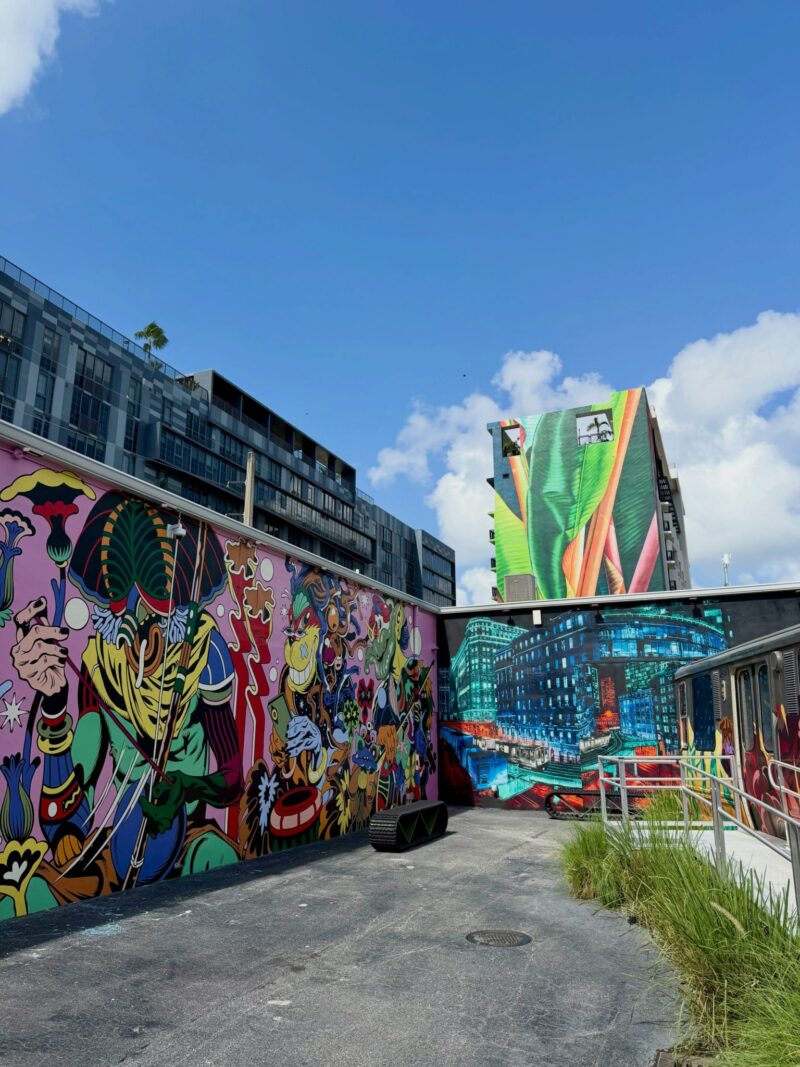
1. Wynwood Walls, Miami
Long before tackling hospitality projects in the area, March found himself drawn to the raw, kinetic energy of Miami’s Wynwood neighborhood. The district, defined by its industrial warehouse past juxtaposed against vibrant contemporary street art, provides a masterclass in material tension. For March, the ongoing dialogue between gritty urban decay and expressive human creativity serves as a constant reminder that modern design must engage with its host neighborhood rather than impose upon it.
2. Paso Robles Wineries, California
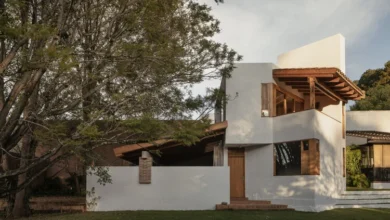
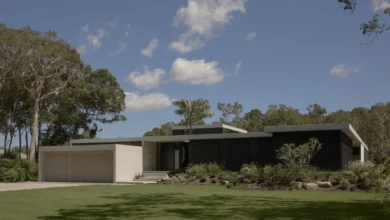
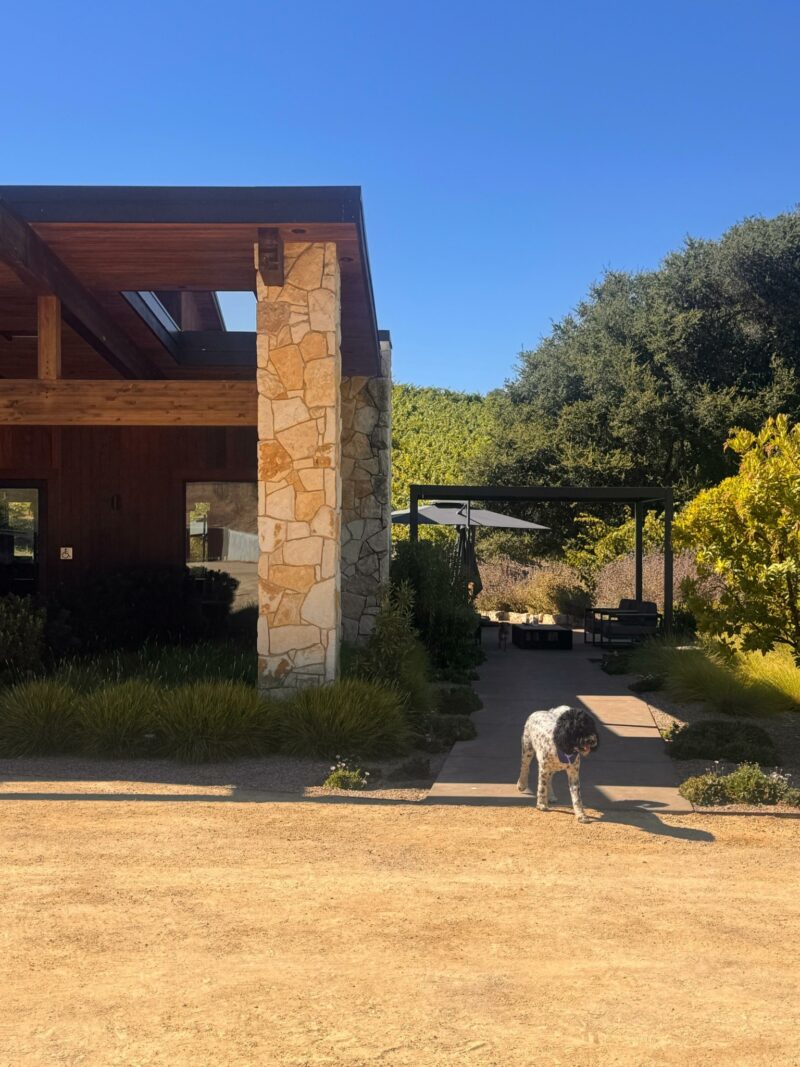
The architectural vernacular of the Paso Robles wine region offers a study in understated integration. March notes an affinity for the regional wineries that utilize local stone, heavy timber, weathered concrete, and other tactile elements. Rather than competing with the sprawling vineyards, these structures act as quiet frames for nature, demonstrating how light and landscape can do the heavy lifting in spatial design.
3. Yucca Valley, California
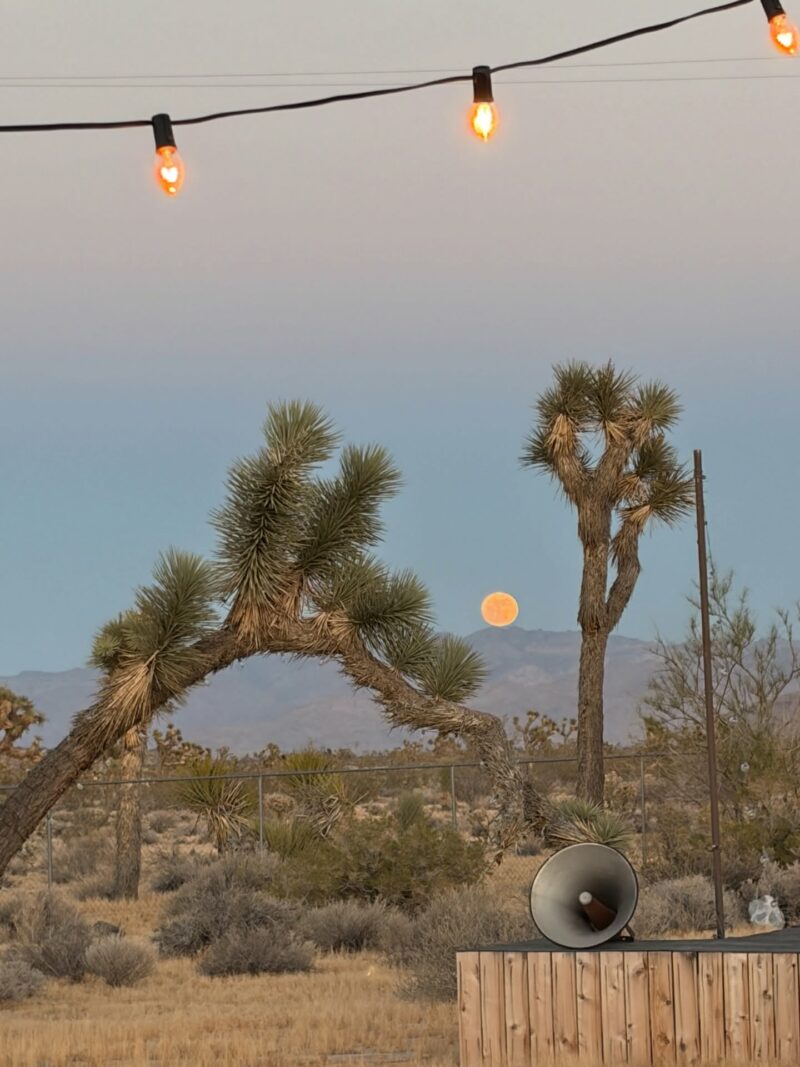
For March, the high desert of Yucca Valley acts as a psychological and creative reset. Cycling through the desert landscape during the fleeting moments of sunset reveals how rapidly light can alter perception. The shifting shadows and deepening color palette remind designers of the importance of observation—proving that some of the most profound spatial concepts stem from simply noticing what is already present in a landscape.
4. Parte Vieja, San Sebastián, Spain
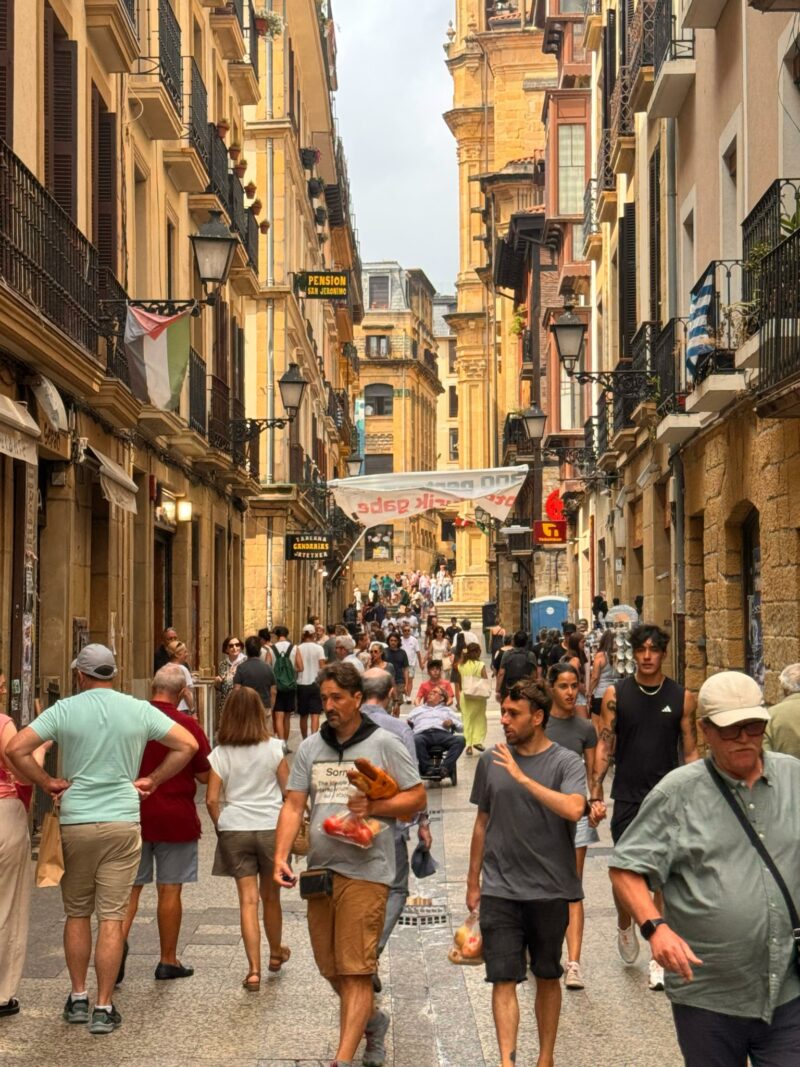
Urban organic growth is best exemplified, according to March, in the historic Parte Vieja quarter of San Sebastián. The district features a rich accumulation of worn stone, painted facades, detailed balconies, timber accents, and tiled thresholds that have weathered decades of human use. This environment highlights the beauty of imperfection and the value of architectural layers that develop organically over time without appearing overly engineered.
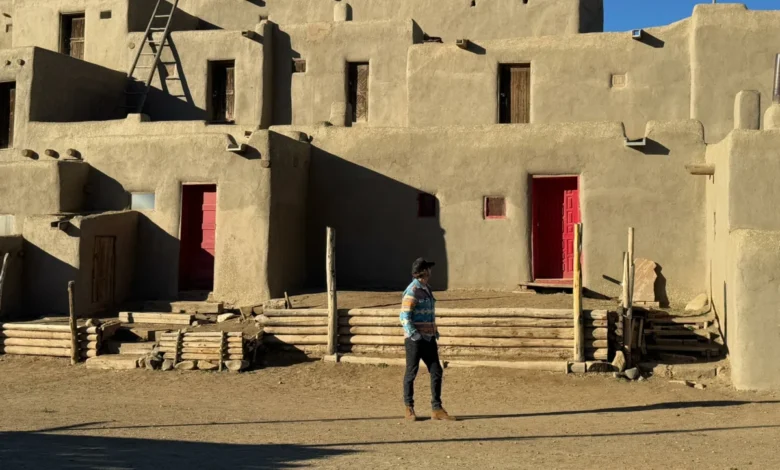
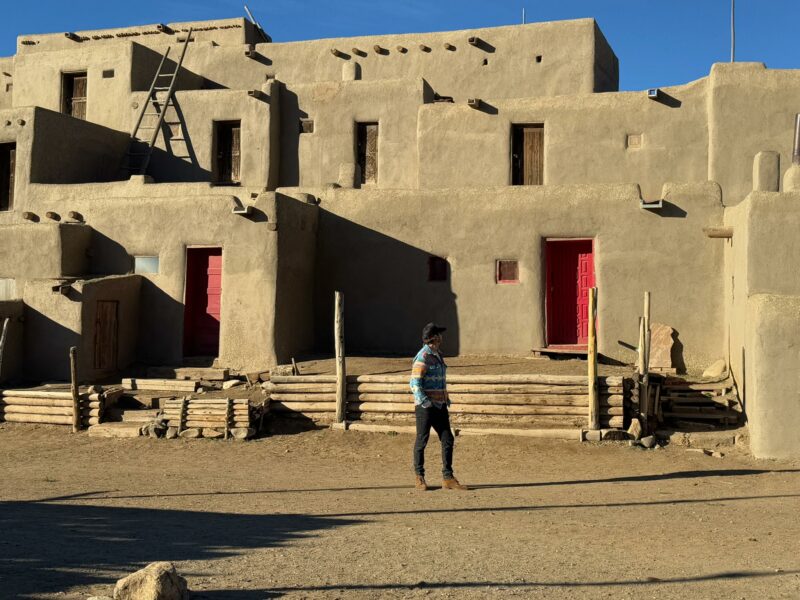
5. Taos Pueblo, New Mexico
As a historic landmark rooted in Indigenous architecture, the Taos Pueblo in New Mexico offers a masterclass in structural honesty. Utilizing local adobe and straightforward geometric forms, the architecture possesses an undeniable warmth and a direct connection to the surrounding earth. For March, the site serves as an enduring testament to the power of buildings that grow naturally out of their environment, material availability, and community needs.
Architectural Milestones: Five Projects Defining the Future of MAWD
March’s design philosophy finds its physical manifestation in a series of landmark projects across the globe. Each development highlights how MAWD translates contextual sensitivity into world-class interiors.
The Cloud One Hotel & Residences Wynwood
Bridging March’s love for Miami’s urban art district and his commercial design expertise, this project captures the grit and glamour of Wynwood. Integrating exposed concrete, warm wild oak, bronze accents, lush interior plantings, and a curated art program by Goldman Global Arts, the development balances the high-energy pulse of the neighborhood with the quiet refuge required of modern hospitality and residential living.
The Greenwich by Rafael Viñoly
Located in Manhattan’s Financial District, The Greenwich holds deep personal and professional significance for March. Commissioned by the late, renowned architect Rafael Viñoly to lead the building’s interiors, the project catalyzed March’s relocation from London to New York and the subsequent opening of MAWD’s US headquarters. The project cleverly translates the studio’s luxury superyacht design experience into a residential skyscraper setting, highlighted by bookmatched Noir Saint Laurent marble at the front desk that subtly evokes nautical craft.
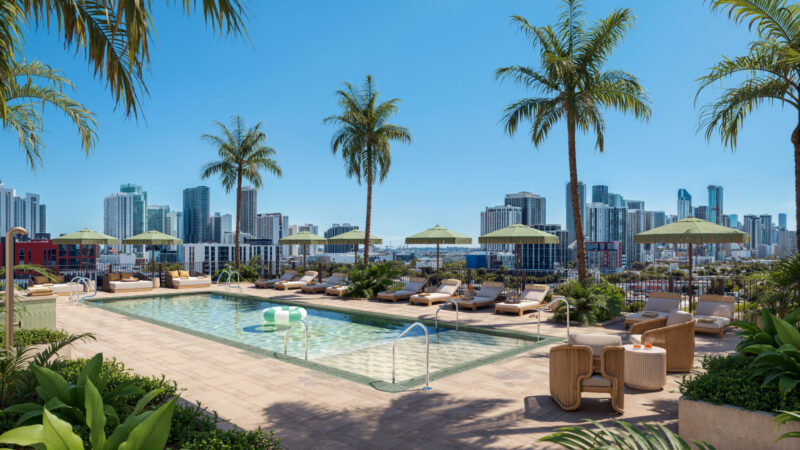
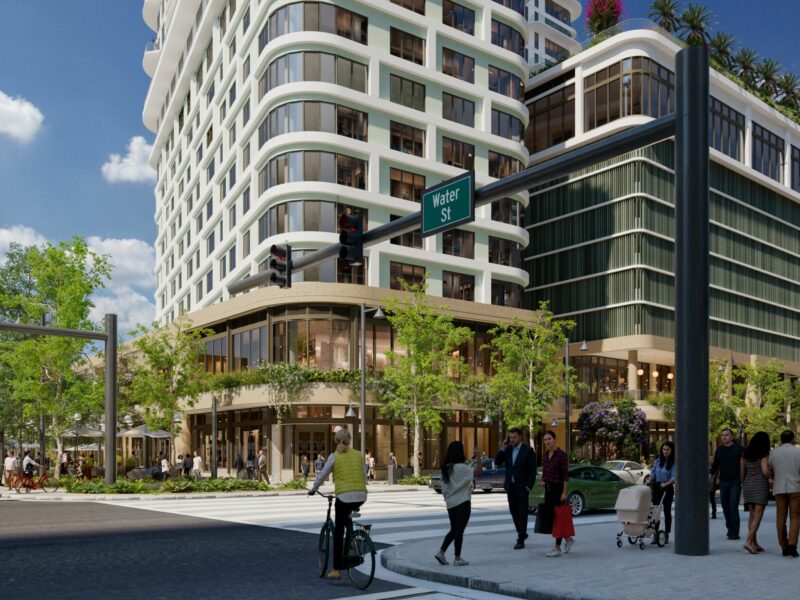
Water Street Tampa
Reflecting the subtropical climate and indoor-outdoor lifestyle of Florida’s Gulf Coast, MAWD’s work on the forthcoming residences at Water Street Tampa focuses heavily on environmental interaction. By studying the building’s exterior louvers, deep portals, and shaded courtyards, the design team successfully translated the architectural language inward. The resulting spaces utilize expressive color palettes and tactile materials dictated directly by the local light and tropical landscape.
Edgeworth, West Palm Beach
As part of a sweeping urban transformation led by Related Ross, Edgeworth represents a significant shift in how West Palm Beach functions as a year-round destination for living and working. Working alongside architectural firm KPF, MAWD crafted waterfront interiors designed to feel relaxed, warm, and intrinsically linked to the Intracoastal Waterway, signaling a forward-looking approach to South Florida’s real estate boom.
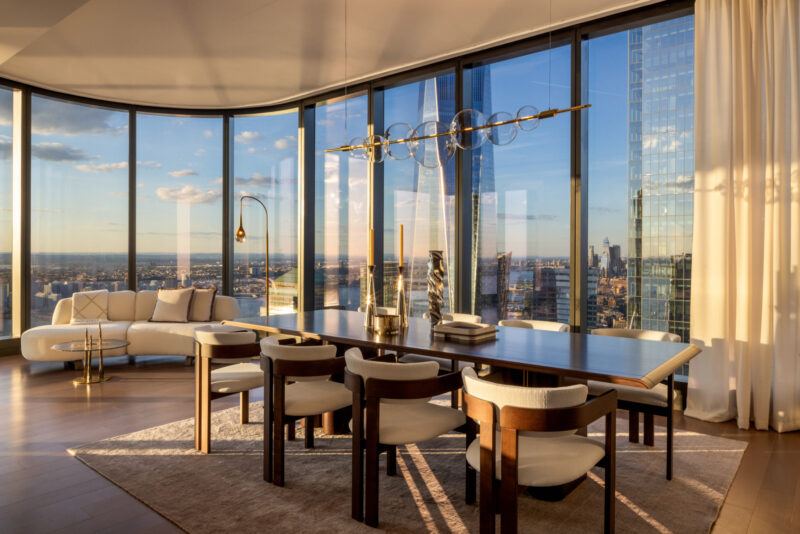
Lantern House, New York City
Collaborating with Heatherwick Studio, MAWD undertook the interior design for Lantern House, a residential development famed for its fluid, industrial-style bay windows. MAWD’s intervention involved softening the dramatic exterior geometry through the strategic application of rich oak, warm brick, bronze, and stone. The result is a residential interior that feels grounded, intimate, and unmistakably domestic despite its avant-garde architectural envelope.
Broader Implications and Industry Impact
The trajectory of MAWD and the design ethos championed by Elliot March reflect a broader shift within the global architecture and interior design sectors. As urban centers become increasingly dense and standardized, consumer and commercial demand has pivoted sharply toward contextual authenticity. Practices that rely on "cookie-cutter" luxury aesthetics are increasingly giving way to studios that prioritize regional heritage, adaptive reuse, and deeply integrated material palettes.
Furthermore, the successful transcontinental expansion of firms like MAWD underscores the globalization of design expertise. By applying principles traditionally reserved for niche sectors—such as the spatial optimization of superyachts—to land-based high-rises and hospitality hubs, modern designers are redefining what urban dwellers can expect from their environments. As March and his team continue to shape skylines from New York to Miami and beyond, their work serves as an enduring reminder that the most successful buildings are those that listen to their surroundings, honoring both the environment and the communities that inhabit them.