Inside the Minds of Hospitality Icons: ROOM’s Designers on Design Series Bridges Generations of Creative Visionaries

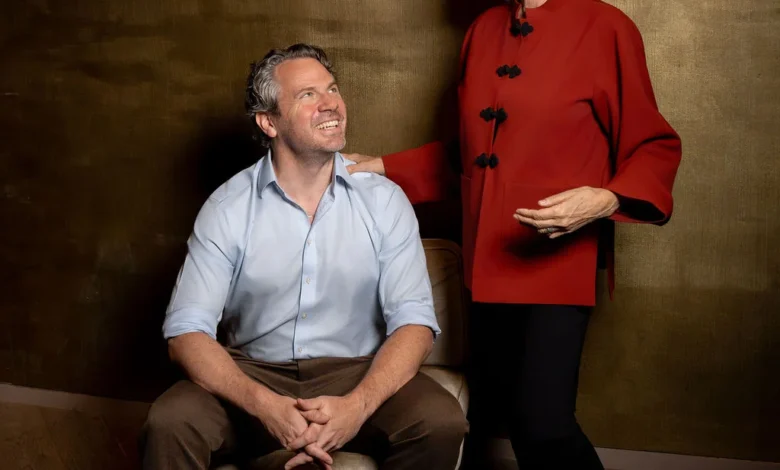
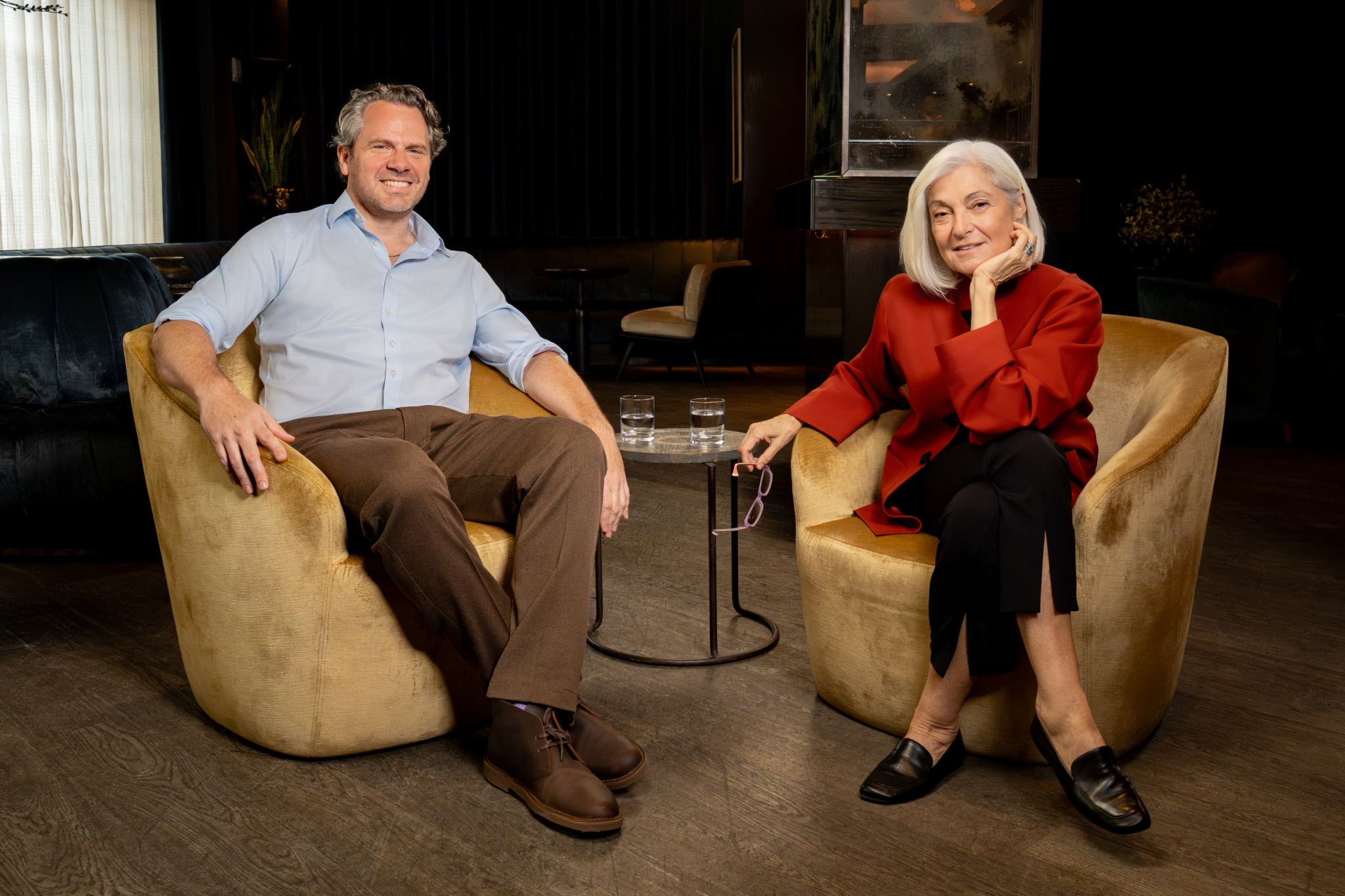
The intersection of architecture, interior design, and human connection has long been defined not merely by blueprints and physical materials, but by the generational exchange of ideas between creative minds. Understanding the intricate struggles, triumphs, and profound evolutionary shifts unique to the design industry is a challenge best comprehended by those who live it daily. Addressing this dynamic, ROOM’s acclaimed "Designers on Design" video series has established a distinctive platform for unscripted, deeply authentic dialogue among the architecture and interior design elite. The latest installment of the series brings together two titans of contemporary hospitality design: industry legend Anda Andrei of Anda Andrei Design and award-winning creative Matthew Goodrich of Goodrich. Rather than pairing strangers, this episode leverages a rich, decades-long history of mentorship, professional proximity, and mutual admiration, offering a rare window into the human element that drives modern commercial design.
The Genesis and Philosophy of Designers on Design
Launched by architectural and workspace solution provider ROOM, the "Designers on Design" series was conceived to strip away the formal constraints typically found in trade interviews. According to Elyse Heckman, Senior Vice President of Brand and Communications at ROOM, the initiative was built around a desire to foster unfiltered conversations. By eliminating interviewers, moderators, and prescribed talking points, ROOM created a vacuum where genuine creative exchange could naturally occur.
The underlying philosophy is that the most compelling breakthroughs in architecture and design do not happen in solitary isolation, but through relational friction, shared histories, and the cross-pollination of ideas. While earlier episodes in the series successfully paired prominent designers who were meeting for the first time, the fourth installment marks a deliberate pivot. By bringing together two individuals whose professional paths have intersected for decades, ROOM explores how pre-existing relationships profoundly shape creative instincts, accelerate professional growth, and anchor the industry’s future trajectory.
A Shared Timeline: From Fan to Collaborator and Peer
The professional relationship between Anda Andrei and Matthew Goodrich is rooted in a timeline spanning over twenty years, marked by missed connections, mutual respect, and eventual physical proximity. Their narrative highlights the fluid nature of mentorship within the design community, where junior practitioners look up to established icons who eventually become peers and collaborators.
The retrospective chronology of their relationship reveals a gradual convergence:
- 2003: Matthew Goodrich experiences a near-miss encounter while assisting Thomas Collins, Executive Director of the Barnes Foundation, in opening Zaha Hadid’s iconic Contemporary Arts Center in Cincinnati. Upon learning that hospitality pioneer Anda Andrei was scheduled to visit within twenty minutes, Goodrich famously urged Collins to elevate his attire, recognizing the immense stature Andrei held in the design world.
- Mid-2000s to 2010s: While Andrei spent decades cementing her legacy as a foundational creative force at the Ian Schrager Company—shaping groundbreaking properties like the Delano Miami Beach Hotel—Goodrich built his foundational expertise, spending time in museum exhibition design before transitioning fully into hospitality.
- The Firm Years: Following her departure from the Ian Schrager Company to establish her independent firm at the age of 59, Andrei sought top-tier talent. She attempted to recruit Goodrich, a venture that momentarily paused when Goodrich candidly admitted he had never spearheaded the opening of an entire hotel.
- The Office Share: As Goodrich launched his independent studio, Andrei offered space in her own office, allowing the two designers to share desks and daily operational realities.
- Present Day: Reflecting on a nine-and-a-half-year journey since sharing workspace desks, the pair now sit as established studio leaders, openly discussing their mutual contributions to the built environment.
The Realities of Hospitality Design: Chaos, Operations, and Evolution
Beyond personal anecdotes, the conversation between Andrei and Goodrich delves deep into the gritty, operational realities of hospitality architecture—a sector notoriously distinct from residential or pure commercial design. Designing a hotel or restaurant requires a meticulous synthesis of aesthetic vision and functional endurance.
Goodrich, reflecting on the opening of his first hotel project, the Arlo SoHo in 2016, candidly detailed the immense operational chaos that characterizes the final thirty days before a property welcomes its first guests. Andrei, whose career spans nearly four decades of shaping world-class hospitality venues, validates this experience while introducing a broader philosophical perspective. She emphasizes that the true test of a hotel design is not merely how it looks on opening night, but how it endures and adapts over time.
Because hospitality projects function much like living organisms, they inevitably evolve alongside changing staff dynamics, shifting management teams, and the evolving behaviors of guests. Both designers agree that navigating these operational friction points is not a detriment, but rather a foundational prerequisite for creating exceptional, enduring spaces. A deep comprehension of how back-of-house operations, guest circulation, and service workflows directly impact commercial success separates transient trends from timeless design.
The Narrative Power of Concept: Storytelling in Architecture
A central theme of the dialogue between Andrei and Goodrich centers on the necessity of narrative framework in spatial design. Andrei champions the philosophy that every successful hotel must possess a clear, singular conceptual narrative—essentially a one-sentence design thesis that guides every subsequent aesthetic and structural decision.
As a prominent historical example, Andrei highlights the conceptual framework she and designer Philippe Starck utilized for the landmark Delano Miami Beach Hotel. The guiding one-liner—"a Greek fisherman that finds a diamond in the sea"—served as an invisible compass, ensuring that disparate design elements harmonized into a cohesive, atmospheric guest experience.
Goodrich echoes this sentiment, noting that anchoring a complex, multi-million-dollar interior architecture project to a concise conceptual core provides a vital filtering mechanism for creative decision-making. When project teams encounter inevitable budget constraints, schedule shifts, or material shortages, returning to the core narrative allows the design to remain intact and purposeful.

Broader Industry Implications and the Human Element of Design
The significance of ROOM’s "Designers on Design" series extends far beyond engaging social media content or brand marketing; it addresses a fundamental structural need within the architecture, engineering, and construction (AEC) sectors. Modern design discourse is frequently dominated by digital renderings, square-footage metrics, and market valuations, often overshadowing the human relationships, psychological resilience, and mentorship pipelines that actually produce the built environment.
By documenting candid conversations between industry leaders, ROOM provides emerging designers with transparent access to the psychological and operational realities of running a top-tier studio. The series demystifies the career trajectories of celebrated figures, proving that sustained creative excellence relies heavily on community, peer support, and the willingness to learn from past operational missteps.
Furthermore, the episode underscores the evolving nature of collaboration in a post-pandemic design landscape. As architecture firms and interior design studios navigate hybrid workflows and shifting global travel demands, the desire for authentic, in-person professional exchange remains paramount. The palpable chemistry between Andrei and Goodrich—highlighted by Andrei’s half-joking, half-serious declaration, "I want to do a project together," and Goodrich’s immediate response, "I know, me too. That’s my dream"—illustrates how cross-generational dialogue can actively incubate future collaborations and drive industry innovation.
Conclusion: Looking Ahead to Future Installments
As the "Designers on Design" series continues to release new installments, it firmly establishes itself as an essential cultural archive for contemporary architecture and interior design. By shifting the industry’s focus away from cold portfolios and toward the warm, complex human stories behind them, ROOM has crafted a medium that honors the past while inspiring the next wave of creative professionals.
The complete conversation between Anda Andrei and Matthew Goodrich is currently available for viewing on the official ROOM platform. As industry stakeholders look toward the future of hospitality and spatial design, the insights shared by Andrei and Goodrich serve as an enduring reminder that exceptional spaces are ultimately forged through empathy, shared history, and relentless creative passion.