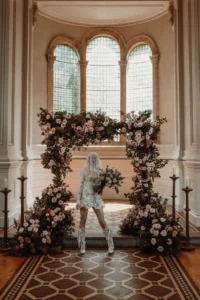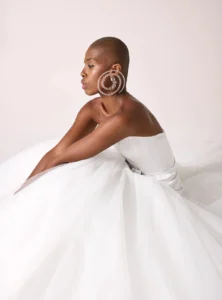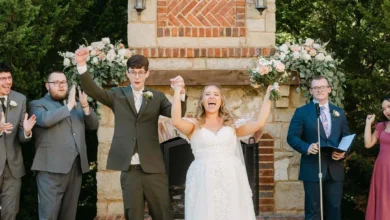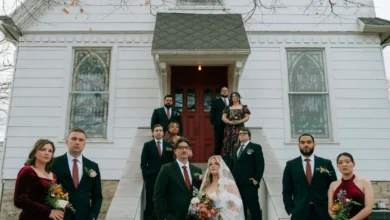
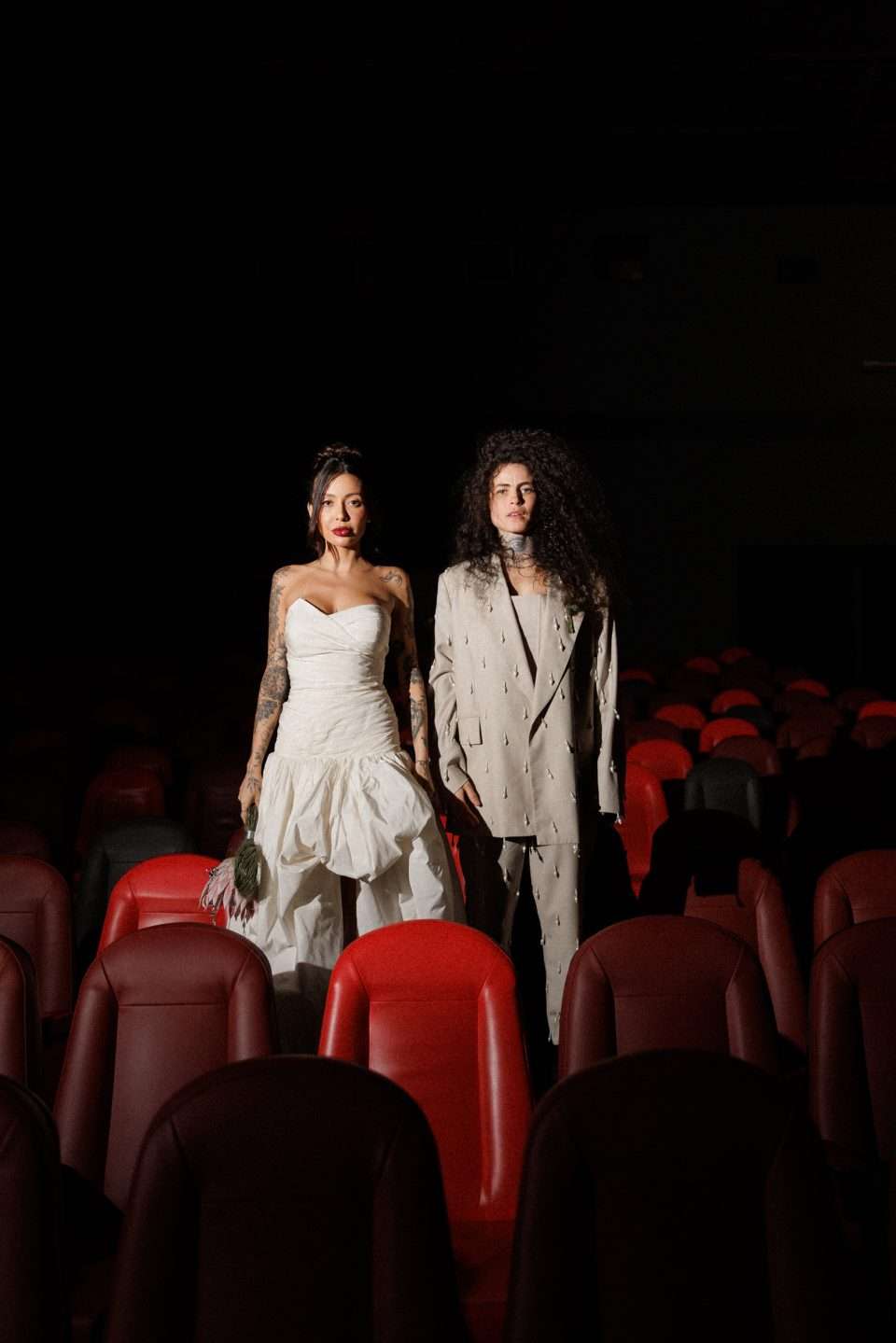
The modern bridal industry, long characterized by rigid traditions and highly curated aesthetics, is undergoing a significant shift as couples increasingly prioritize personal authenticity over industry-mandated trends. For decades, the wedding market has relied on a prescriptive "bridal look"—predominantly defined by white floor-length gowns, specific lace textures, and elevated footwear—that often compels individuals to adopt a style inconsistent with their daily sartorial choices. However, emerging data from bridal market analysts suggests that consumers are now rejecting these monolithic standards in favor of "personality-first" wedding attire.
The Shift in Bridal Consumer Behavior
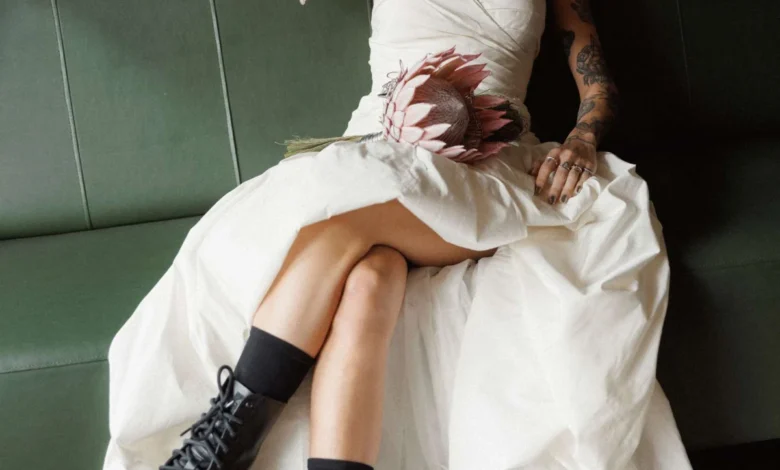
Industry reports from 2025 and 2026 indicate a sharp rise in the demand for non-traditional wedding apparel. Recent surveys of wedding planners reveal that over 40% of couples now intentionally incorporate elements of their "everyday" wardrobe into their ceremony outfits. This transition is driven by a broader cultural movement toward sustainability and personal expression. By looking to their own closets—the suit kept for special occasions, the boots worn to social gatherings, or the silhouettes that offer physical comfort—couples are effectively dismantling the "personality transplant" phenomenon that has historically plagued the wedding industry.
The psychology behind this shift is grounded in the desire for genuine self-representation. When an individual feels forced to conform to a silhouette or fabric that does not reflect their habitual aesthetic, the result is often a disconnect between the person and the garment. By contrast, building an outfit around familiar textures and proportions ensures that the wearer maintains their physical confidence, which is essential for the duration of a high-stress event.
Chronology of the Wedding Planning Process
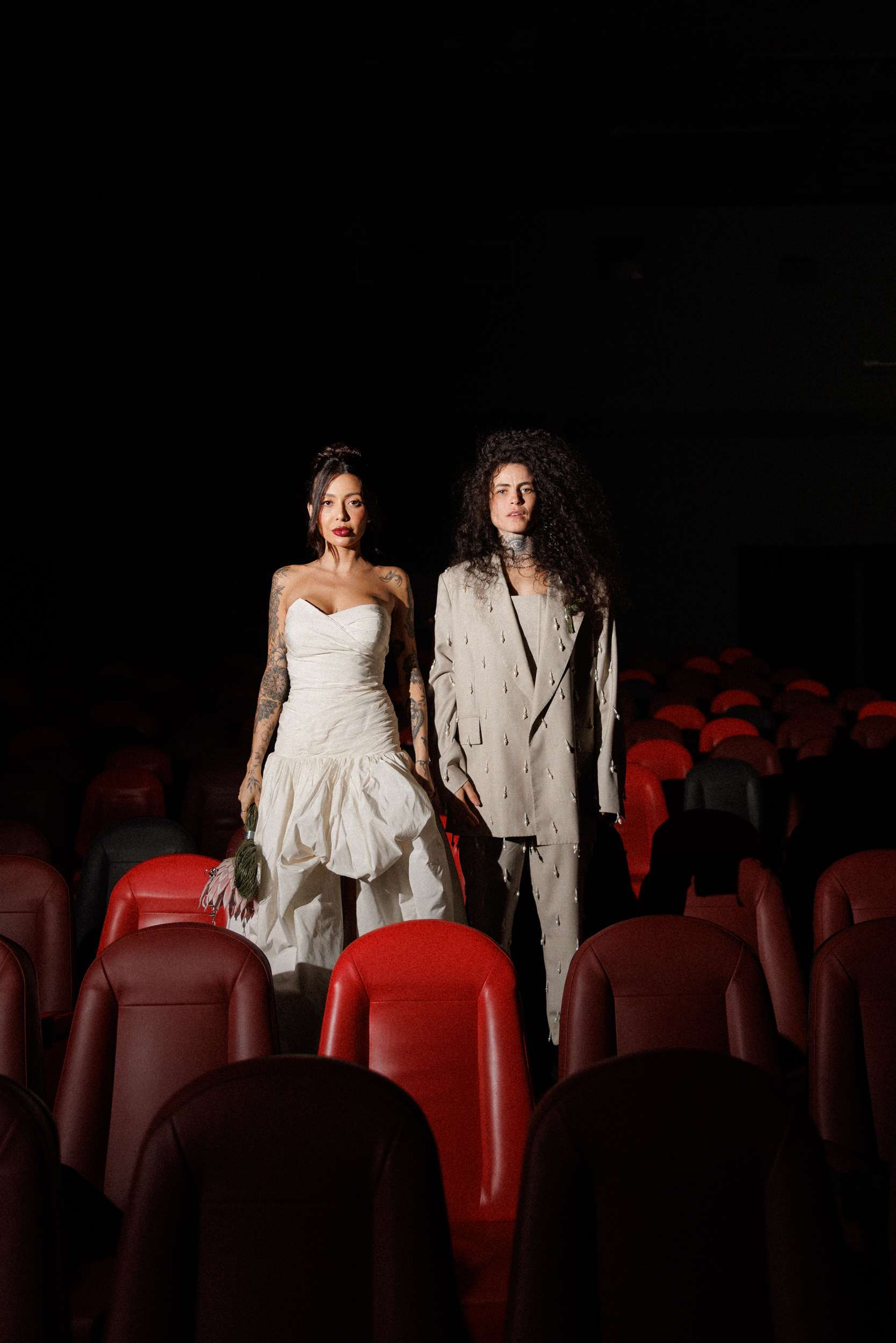
For those navigating the current market, the process of assembling a wedding outfit typically begins 9 to 12 months before the event date. The traditional, albeit evolving, timeline for outfit acquisition follows this structured progression:
- Phase I: The Closet Audit (12–10 months prior): Before interacting with retail entities, experts recommend a comprehensive assessment of existing garments. By documenting preferred silhouettes—such as high-waisted trousers, structured blazers, or specific neckline cuts—individuals can establish a baseline for their stylistic comfort zone.
- Phase II: Strategic Research (9–7 months prior): During this phase, shoppers move beyond conventional bridal salons. The search expands to include independent fashion designers, luxury eveningwear boutiques, and specialized vintage retailers. This phase involves utilizing digital tools like reverse image searches to identify specific fabrics or cuts that align with established preferences.
- Phase III: Consultations and Fittings (6–3 months prior): When engaging with stylists or tailors, the inclusion of visual aids—photographs of the individual’s most-loved daily outfits—is critical. This provides the professional with objective data regarding the client’s preferred fit and movement.
- Phase IV: The Full Ensemble Test (2 months–1 week prior): This final phase involves a comprehensive "stress test" of the complete look. By wearing the full ensemble, including accessories and footwear, in a home environment, the individual can identify potential functional issues, such as restricted mobility or structural discomfort, allowing for final adjustments.
Data-Driven Approaches to Silhouette Selection
Market research indicates that shoppers who choose silhouettes mirroring their daily habits experience higher satisfaction rates. For instance, individuals who frequently utilize oversized tailoring in their professional life often find that a structured, oversized wedding suit provides a greater sense of "being oneself" than a conventional, fitted gown.
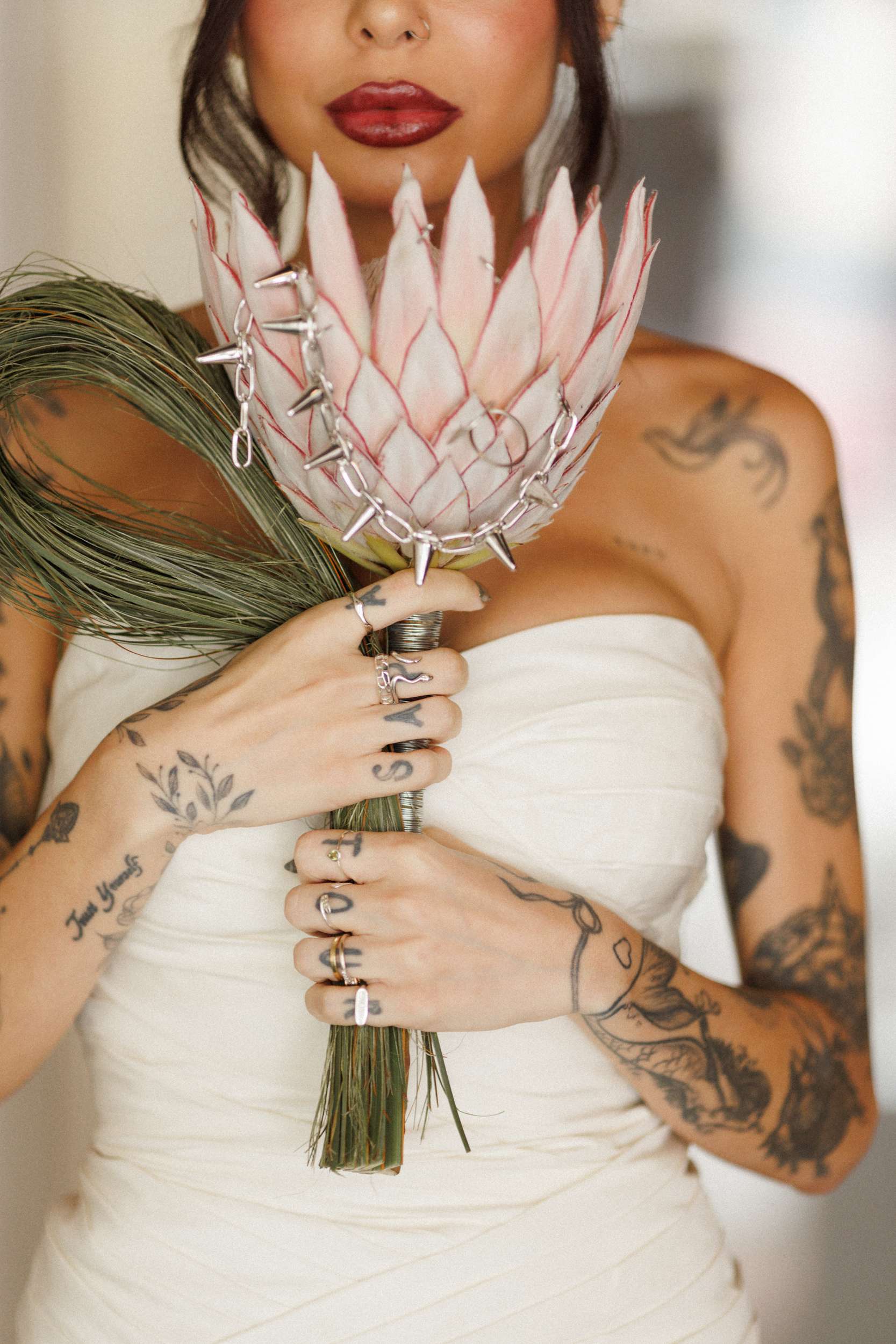
Retail data shows a 25% increase in the purchase of "non-traditional" footwear for weddings, including luxury sneakers, platform boots, and metallic flats. This trend is not merely aesthetic; it is a functional decision. Professional stylists point out that footwear directly dictates posture and mobility. The traditional six-inch heel, while historically standard, is being supplanted by footwear that allows the wearer to traverse the venue comfortably, thereby extending the duration of their participation in the event without physical compromise.
Professional Perspectives on Personal Style
Industry analysts note that the traditional bridal salon experience, while efficient, often functions as an echo chamber for industry trends. By contrast, seeking items outside of this vertical—such as searching for "ivory wide-leg tailoring" rather than "wedding jumpsuit"—opens up a broader price range and a wider variety of textiles.
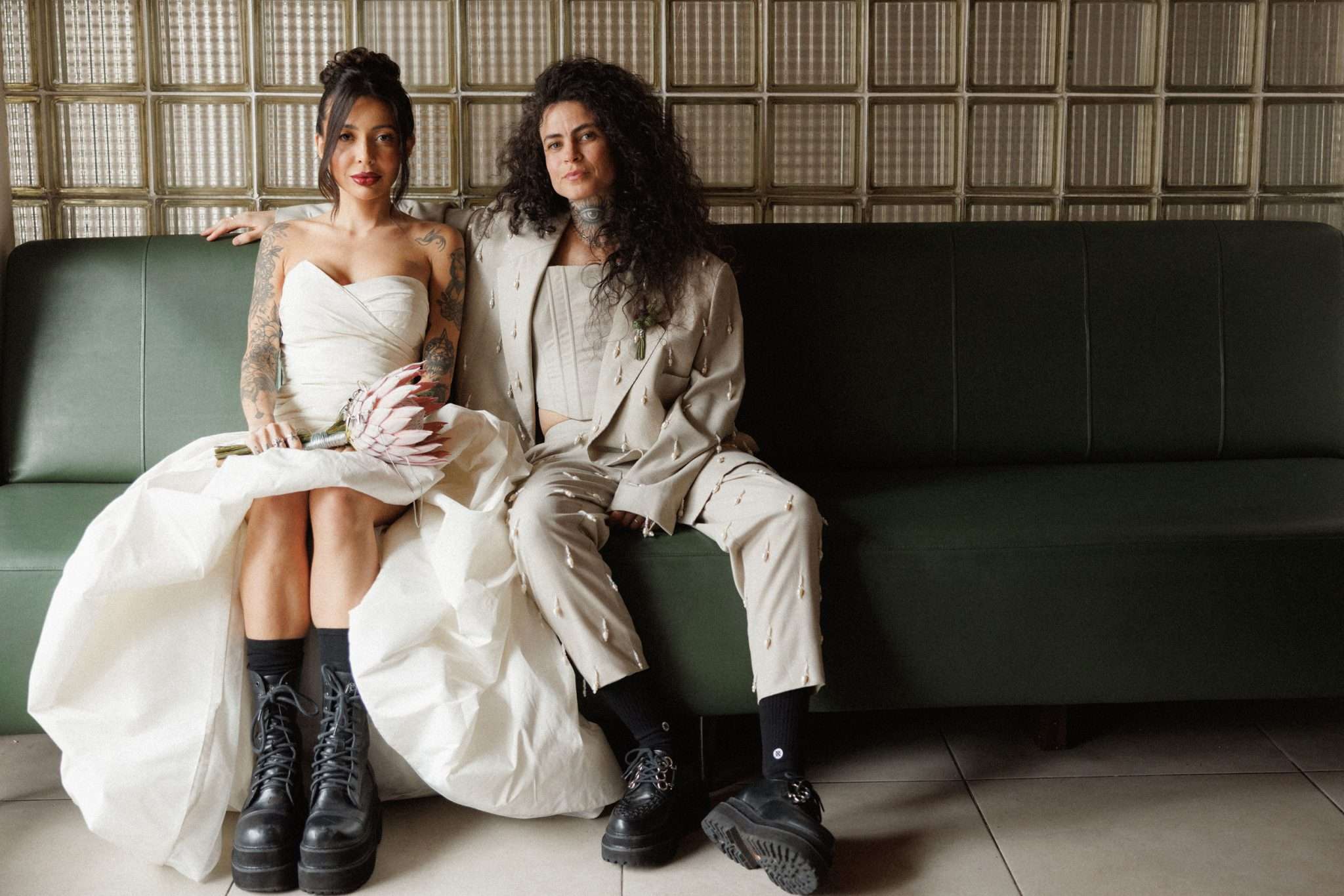
"The wedding industry is essentially a curation of choices," says one independent bridal consultant. "When a client arrives with a clear understanding of their own proportions—knowing that they prefer a cinched waist or a specific sleeve length—they are less susceptible to the ‘overwhelming’ nature of bridal boutique inventory. They treat the boutique as a resource for execution, not a source of identity."
The Impact of Digital Tools on Personalization
The rise of digital search technology has played a pivotal role in this democratization of style. Tools like Google Lens and Pinterest’s visual discovery engine allow prospective brides and grooms to bypass conventional marketing and locate specific garments that exist outside the mainstream bridal bubble. This technological accessibility means that a specific, niche aesthetic—such as a 1970s-inspired taffeta skirt or a contemporary minimalist slip dress—is now reachable with a few clicks, regardless of whether a bridal boutique stocks it.
Societal Implications and Future Trends
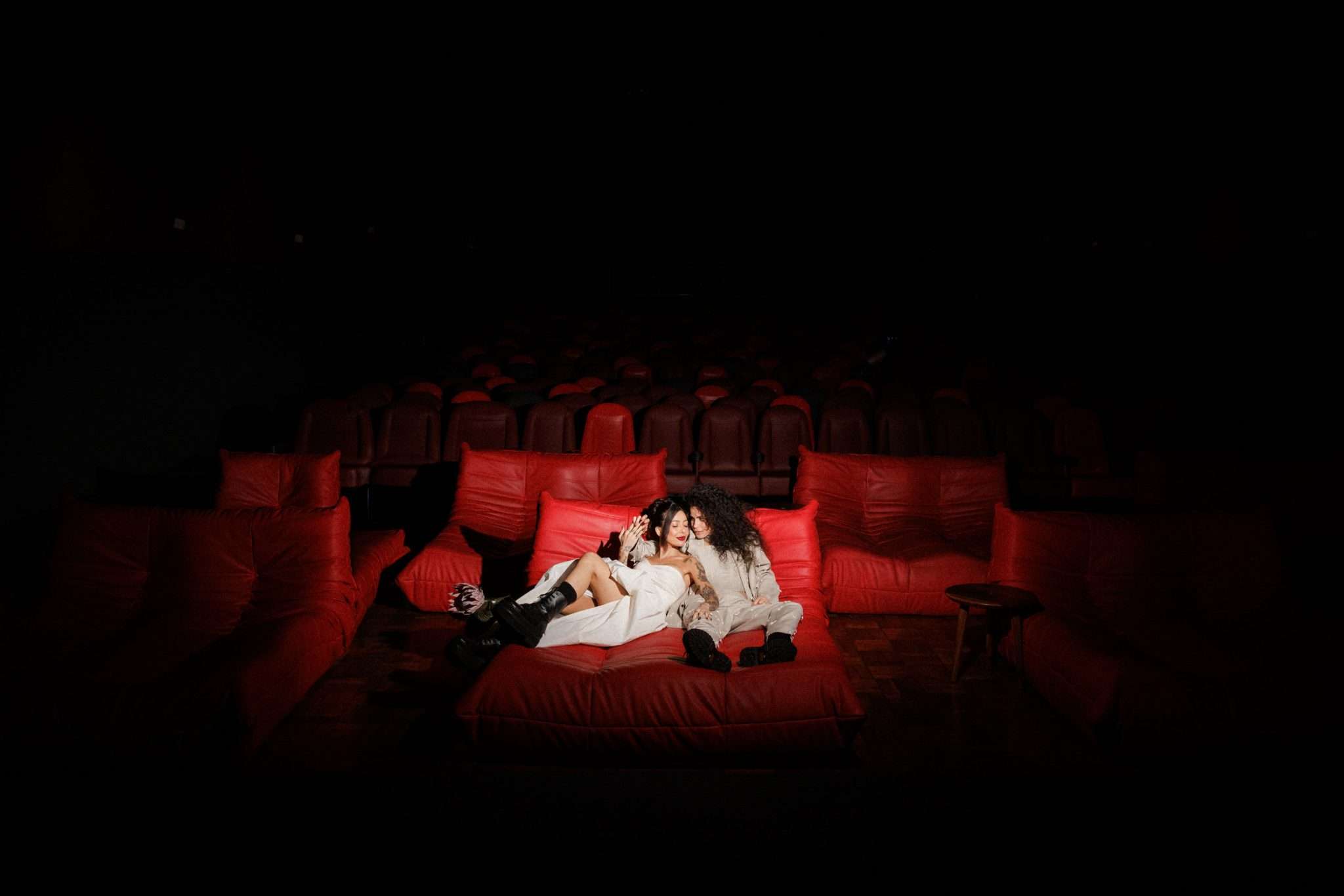
The move toward authentic wedding attire has significant implications for the wider fashion industry. As consumers prioritize versatile pieces that can be re-worn post-wedding, designers are seeing a surge in demand for "modular" wedding wear. Items that can be deconstructed or paired with everyday clothing are becoming the standard for the modern, conscious consumer.
Furthermore, the integration of personal, meaningful accessories—such as heirloom jewelry or long-coveted pieces from luxury brands—signifies a move away from the "disposable" wedding trend. By treating the wedding outfit as an extension of one’s personal collection rather than a temporary costume, couples are creating a more sustainable and economically sound approach to marriage celebrations.
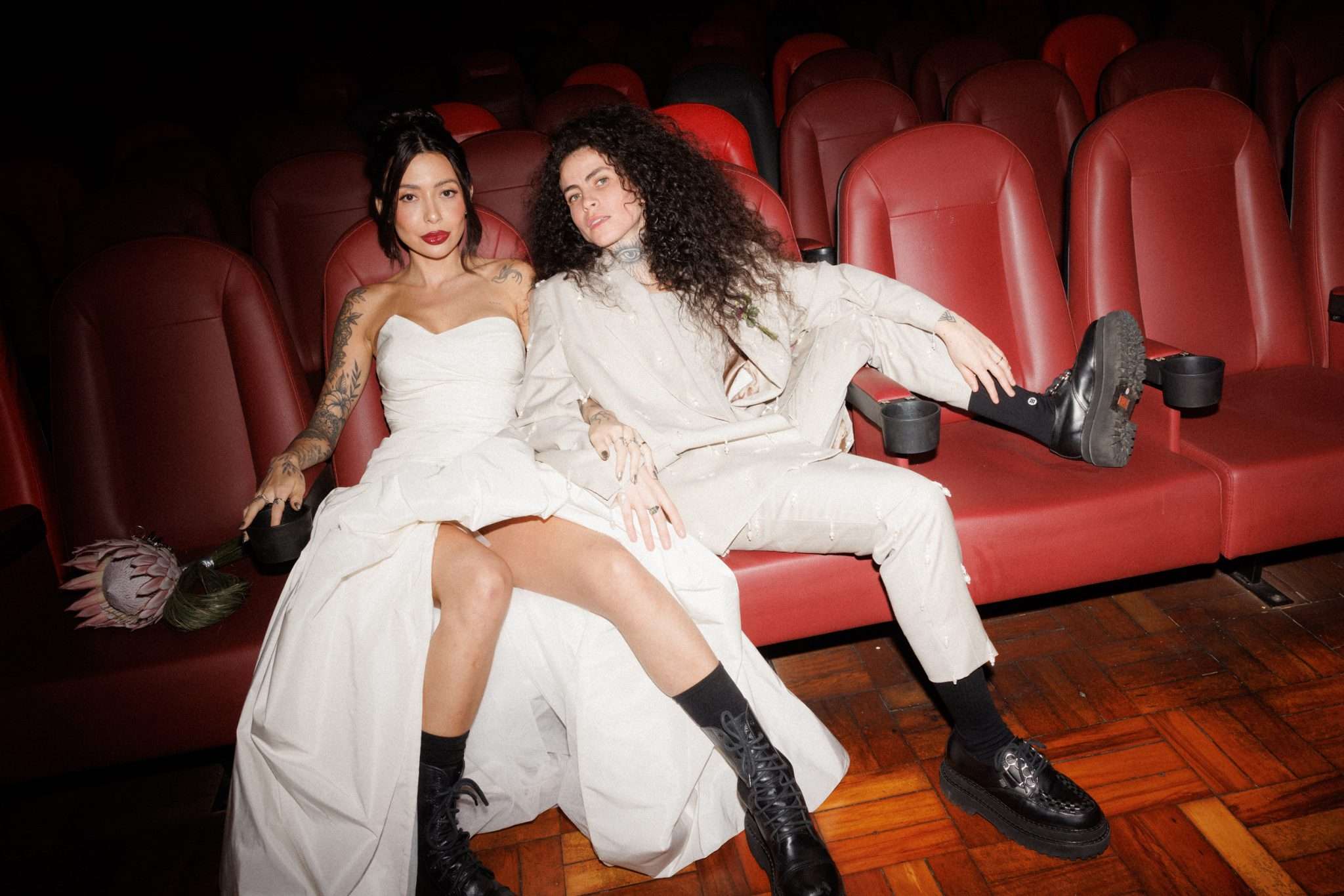
Ultimately, the consensus among industry observers is that the most successful wedding outfits are those that feel like an elevation of the individual’s everyday persona. By utilizing one’s existing wardrobe as a starting point, analyzing proportions, and leveraging digital tools to find garments that fit one’s specific lifestyle, the process becomes significantly more intuitive. The "bridal look" is no longer a fixed destination; it is an evolving, personal expression that prioritizes comfort, identity, and individual agency above all else. As the industry continues to evolve, the expectation is that the standard for wedding attire will increasingly reflect the person, rather than the institution.