Halloween Retail Surge Signals Strong Start for the UK Golden Quarter

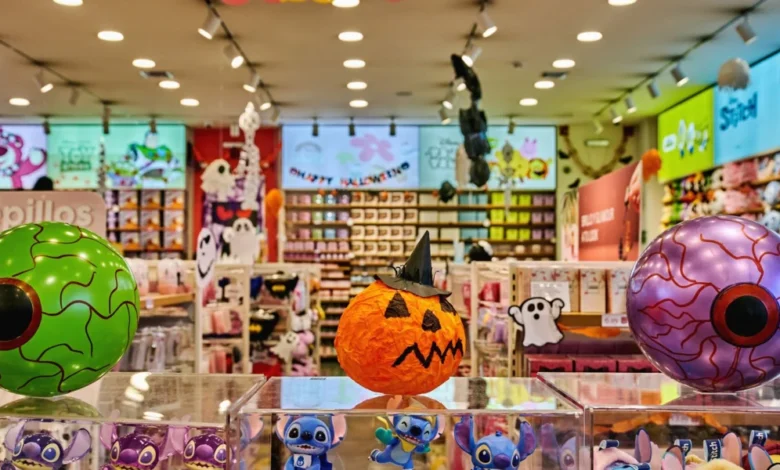
The British high street experienced a significant and welcome influx of consumer traffic this past October, as the annual celebration of Halloween provided a much-needed catalyst for physical retail performance. Data captured by Sensormatic Solutions’ ShopperTrak Analytics platform reveals that footfall on October 31 surged by 29% year-on-year, a dramatic uptick that highlights the growing importance of the holiday within the UK’s broader retail calendar. As consumers flocked to stores for costumes, confectionary, and seasonal home goods, the retail sector saw its highest levels of engagement in months, setting an optimistic tone for the critical "Golden Quarter" of trading that lies ahead.
This surge in activity was not merely a localized phenomenon but a broad-based trend observed across various retail formats. According to the analytics data, which monitors approximately 40 billion global store visits annually, the week-on-week increase in footfall reached 13%. This represents a notable improvement over previous years, during which Halloween-related retail growth was more modest. With consumer spending forecasts for the period projected to exceed £700 million, it is clear that the cultural adoption of Halloween in the United Kingdom has evolved into a key revenue driver for both national chains and independent retailers alike.
A Breakdown of Retail Performance by Venue
The distribution of this footfall was particularly interesting, with Retail Parks emerging as the primary beneficiaries of the increased consumer appetite. Data indicates that Retail Parks saw an impressive 32% rise in year-on-year shopper traffic. This is closely followed by the traditional High Street, which recorded a 30% increase, and Shopping Centres, which experienced a 26% rise. These figures suggest that consumers were willing to travel to both out-of-town retail destinations and central urban hubs to complete their holiday shopping, defying recent concerns regarding the decline of physical store visits in an increasingly digital-first economy.
When compared against the daily average for the two weeks preceding the event, the Halloween weekend saw a 36% jump in store visits. This sustained momentum suggests that the "spooky season" is no longer a single-day event for retailers, but rather a multi-week period of heightened consumer activity. The alignment of the holiday with a Saturday provided the perfect temporal conditions for a shopping surge, as families and party-goers alike took advantage of the weekend to finalize their preparations.
Contextualizing the October Recovery
The robust performance recorded in late October arrives at a critical juncture for the British retail sector. The BDO High Street Sales Tracker for October, which corroborated the findings from Sensormatic, noted a 4.6% year-on-year increase in overall spending. Analysts have pointed to a combination of factors that contributed to this success. Earlier in the autumn, an unseasonably long heatwave had stalled the purchase of winter clothing and seasonal home goods, effectively creating a "pent-up" demand that finally materialized as temperatures dropped in the latter half of the month.
This delay in seasonal spending, combined with the successful execution of Halloween retail strategies, has provided retailers with a vital buffer. While the summer and early autumn periods were characterized by sluggish performance and macroeconomic headwinds—including inflationary pressures and cost-of-living concerns—the October data suggests a level of consumer resilience that had previously been in doubt. Retailers who successfully capitalized on the Halloween window were able to clear inventory and establish a positive cash flow as they pivoted toward the holiday season.
Looking Toward the Golden Quarter
The significance of this retail momentum cannot be overstated, as the industry enters the "Golden Quarter"—the final three months of the year that traditionally account for the largest share of annual profits. Andy Sumpter, head of consulting and analytics at Sensormatic Solutions, emphasized the importance of maintaining this trajectory.
"After a Halloween boost to footfall, retailers will be looking ahead to the Golden Quarter and hoping to sustain that momentum as they get into the business end of the year," Sumpter remarked. He noted that while Halloween serves as an early indicator, the focus now shifts toward the Black Friday weekend. "The Black Friday weekend will once again be a key barometer of consumer mood but will also be a make-or-break start to festive shopping in full."
Retailers are currently engaged in a delicate balancing act. They must manage inventory levels, maintain competitive pricing in an inflationary environment, and navigate the increasing consumer expectation for omnichannel experiences. The shift toward early holiday shopping, often incentivized by Black Friday promotions, means that the competitive pressure on retailers will only intensify in the coming weeks.
Strategic Forecasting for the Festive Period
As the industry looks forward, the Sensormatic Solutions "Christmas 2026: UK Shopper Insights" report provides a roadmap of expected peak trading days. The data predicts that Saturday, November 28, 2026—the Saturday immediately following Black Friday—will likely emerge as the single busiest day for in-store traffic. This is projected to be followed by Boxing Day (December 26) and "Super Saturday," the final Saturday before Christmas, which falls on December 19, 2026.
This forecasted chronology highlights the changing habits of British shoppers. Increasingly, consumers are front-loading their festive shopping to avoid the stress of last-minute logistics and to secure better value through early-bird promotions. Retailers who align their staffing levels, supply chain logistics, and marketing campaigns with these predicted peaks are likely to capture the largest share of the seasonal spend.
The Macroeconomic Implications of Retail Strength
The uptick in physical store visits has broader implications for the UK economy. A robust retail sector is a primary indicator of consumer confidence. When households are willing to engage in discretionary spending on seasonal events like Halloween, it suggests a degree of stability in their personal financial outlooks, despite the broader volatility in the global market.
Furthermore, the strength of the High Street remains a vital component of urban regeneration. As town centers struggle to find their identity in a post-pandemic world, the success of seasonal events provides a blueprint for how physical spaces can remain relevant. By offering experiences, events, and community-focused celebrations, physical retail environments are proving that they can still offer value that online platforms cannot replicate.
However, challenges remain. The rising cost of operations, including energy, logistics, and labor, continues to compress margins. Retailers must manage these costs while simultaneously investing in the digital tools necessary to capture data, such as the analytics provided by Sensormatic. The ability to track footfall, analyze consumer dwell time, and understand purchasing patterns is no longer a luxury but a necessity for survival in the current retail landscape.
Final Considerations for the Retail Industry
As the calendar turns toward the final weeks of 2026, the retail sector is operating with a sense of cautious optimism. The success of the Halloween period has provided a necessary psychological and financial boost, but the true test lies in the weeks ahead. Industry experts suggest that the most successful retailers will be those who can seamlessly integrate their online and offline presence, utilizing the data gathered during these peak periods to personalize the customer experience.
For the British consumer, the shopping landscape has become more complex, characterized by a greater reliance on promotional events and a more strategic approach to seasonal spending. For the retailer, the mandate is clear: the integration of advanced analytics, agile supply chain management, and a deep understanding of local consumer behavior will be the deciding factors in determining who emerges from the Golden Quarter with a strengthened market position. The resilience shown in October serves as a foundational success, yet it is merely the opening chapter in the final, and most crucial, narrative of the year. The upcoming Black Friday and Christmas trading periods will ultimately reveal whether the current momentum is a temporary spike or the start of a sustained recovery for the UK’s high street.