I spent weeks sleeping on Tencel lyocell and eucalyptus bedsheets to find the softest, most durable, and affordable options. These are my favorites.

The pursuit of optimal sleep comfort and environmental responsibility has led to a significant shift in consumer preferences for bedding materials. Historically dominated by conventional cotton and synthetic blends, the market is now experiencing a surge in demand for sustainable, performance-driven fabrics like Tencel lyocell and eucalyptus. This comprehensive evaluation delves into the properties and performance of various sheet sets crafted from these innovative materials, aiming to identify options that excel in softness, durability, and affordability, particularly for sleepers prone to overheating.
The Evolution of Bedding: A Shift Towards Sustainability and Performance
For decades, bedding choices were largely dictated by price and perceived comfort, often leading consumers to polyester blends or conventional cotton. These materials, while widely available, have inherent drawbacks. Polyester, a synthetic fiber, can trap heat, leading to uncomfortable night sweats, and its production is resource-intensive. Traditional cotton, while breathable, often requires significant water resources and pesticides in its cultivation, posing environmental challenges. Furthermore, some individuals report issues with skin irritation or hair brittleness when using certain synthetic or lower-quality cotton sheets.
The growing awareness of environmental impact and personal well-being has spurred a demand for alternatives. Consumers are increasingly seeking products that align with sustainable values without compromising on comfort or performance. This trend has propelled Tencel lyocell and eucalyptus-based fabrics to the forefront of the bedding industry, championed for their ecological credentials and superior thermal regulation.
Understanding Tencel Lyocell and Eucalyptus Fibers
To appreciate the benefits of these modern bedding materials, it is crucial to understand their composition and production processes. Lyocell is a type of rayon, a regenerated cellulose fiber made from wood pulp. Unlike traditional viscose rayon, which can involve harsh chemicals and open-loop systems, lyocell is distinguished by its environmentally responsible closed-loop production process. This method reclaims and reuses up to 99% of the solvent and water, significantly reducing waste and minimizing environmental impact.
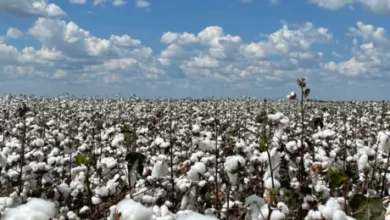
Tencel is the brand name for lyocell fibers produced by the Austrian company Lenzing AG. Tencel Lyocell is primarily derived from eucalyptus wood pulp, sourced from responsibly managed forests certified by organizations like the Forest Stewardship Council (FSC). Lenzing’s commitment to sustainability extends to transparent supply chains and adherence to stringent environmental standards, including OEKO-TEX Standard 100 certification, which ensures products are free from harmful substances. The eucalyptus tree itself is a fast-growing species that requires less water and no pesticides to cultivate, making it an excellent sustainable source for textile fibers.
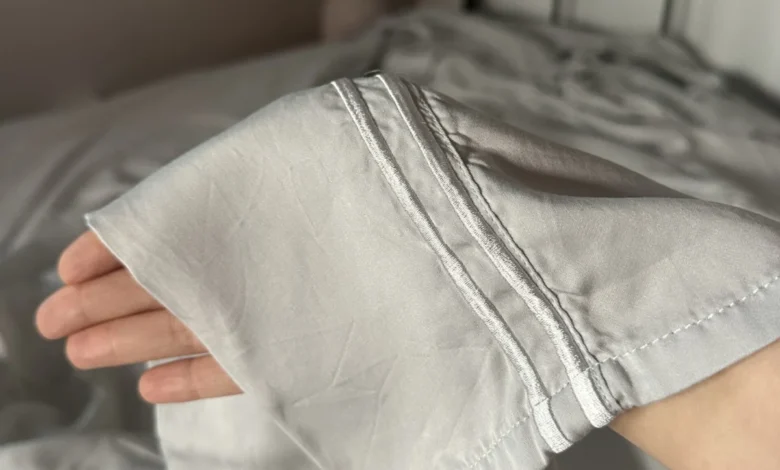
The resulting Tencel Lyocell fabric is renowned for its exceptional properties. It is naturally breathable and highly effective at moisture-wicking, drawing moisture away from the body to keep sleepers cool and dry. Its smooth, silky texture is gentle on sensitive skin and hair, often compared to silk itself, yet it offers greater durability and ease of care. This combination of ecological benefits and luxurious comfort makes Tencel Lyocell a compelling choice for premium bedding.
Differentiating Tencel and Bamboo Bedding
While often grouped with Tencel, bamboo bedding has its own distinctions, primarily stemming from processing methods. Both Tencel and bamboo fabrics originate from cellulose, but their transformation into fibers can vary.
- Viscose vs. Lyocell: This is the core difference. Viscose processing, especially for bamboo, traditionally involves dissolving cellulose in a chemical bath, which can generate hazardous waste if not managed responsibly. While some manufacturers employ "closed-loop responsible viscose processes" to mitigate environmental concerns, the lyocell method is generally considered more eco-friendly due to its high solvent recovery rate.
- Bamboo Viscose: Many bamboo sheets on the market are "bamboo viscose." Unless explicitly stated to use a closed-loop system, these might involve harsher chemical processes. Mechanically processed bamboo, which is more akin to linen, is an alternative but is more labor-intensive and less common for the silky texture often associated with bamboo bedding.
- Bamboo Lyocell: Similar to Tencel, bamboo can also be processed using the lyocell method. Brands like CleanBamboo specialize in bamboo-based lyocell, ensuring a closed-loop system that avoids harsh chemicals and uses less water. Notably, the bamboo used for such fibers is typically a fast-growing variety not consumed by pandas, addressing concerns about wildlife impact.
In terms of feel, both Tencel and bamboo lyocell offer a soft, luxurious drape. Some argue bamboo can be even smoother. Both are gentle on the skin and sustainable when processed correctly. However, Tencel is often highlighted for its softness and luxurious feel, while bamboo is frequently praised for its breathability and durability. Consumers are advised to look for specific certifications and processing methods when selecting bamboo bedding to ensure its sustainability claims are verifiable.
Ensuring Authenticity: Key Certifications in Sustainable Bedding
With the proliferation of "eco-friendly" claims, certifications play a critical role in verifying a brand’s commitment to sustainability and ethical production. For Tencel, eucalyptus, and bamboo sheets, consumers should look for several key indicators:
- OEKO-TEX Standard 100: This certification guarantees that every component of the product, from the fabric to the thread and accessories, has been tested for harmful substances and is therefore harmless for human health. It is a widely recognized standard for textile safety.
- Forest Stewardship Council (FSC): For wood-based fibers like Tencel Lyocell, FSC certification ensures that the wood pulp is sourced from responsibly managed forests that provide environmental, social, and economic benefits.
- Global Organic Textile Standard (GOTS): While more commonly associated with organic cotton, GOTS certifies textiles made from organic fibers, ensuring ecological and social criteria are met throughout the entire supply chain. While Tencel isn’t organic, GOTS might apply to blended fabrics or other organic components in a bedding set.
- Proprietary Certifications/Technologies: Some brands develop their own internal standards or technologies, such as Eucalypso Home’s DreamWeave™ Technology or ettitude’s CleanBamboo®, which should be accompanied by transparent information on their processes and third-party verification where possible.
Paying attention to these certifications empowers consumers to make informed choices, ensuring their investments support genuinely sustainable and high-quality products.
Methodology of the Bedding Evaluation
A rigorous evaluation was conducted over several weeks to assess the performance of eight distinct Tencel lyocell and eucalyptus-based bedding brands. The objective was to provide an impartial, fact-based analysis of their cooling performance, comfort, durability after washing, and overall value.
The testing environment involved a queen-size bed equipped with a firm mattress. The bedroom, located partially underground, offered a naturally cooler setting, but was also subject to significant heat fluctuations during sweltering summer days in Boston, providing ideal conditions for evaluating cooling properties. Both individuals involved in the testing are active sleepers and experience elevated body temperatures, particularly in warmer climates, making them suitable subjects for assessing temperature regulation.
Each bedding set underwent a two-week trial period. Following this, every set was washed at least once on a "normal" warm cycle in a standard washing machine. Unlike specific brand recommendations to shake out bedding or remove it immediately to prevent wrinkles, the sheets were processed under typical household conditions to assess their real-world performance, including wrinkle resistance and fitted sheet integrity. Anecdotal observations on sleep quality focused on perceived comfort and reduction in clamminess or overheating, providing qualitative insights into the functional benefits of these materials. The insights gained from this extensive trial form the basis of the following detailed findings.
Detailed Findings: Top Tencel, Eucalyptus, and Bamboo Sheet Sets
The evaluation of eight leading brands revealed a diverse range of qualities and performance attributes across Tencel, eucalyptus, and bamboo bedding options. Each brand demonstrated unique strengths, catering to different consumer priorities, from ultimate softness to exceptional durability and value.
1. SIJO
- Best For: Overall performance, luxurious feel
- Coolness Factor: Extremely cool
- Features: Deep pockets, Tencel-certified, wide color selection, minimal slipperiness
- Price For Queen Set: $185
SIJO’s AiryWeight Eucalyptus Sheet Set, a bestseller with over 2,900 five-star reviews, consistently demonstrated superior cooling and comfort. Crafted from eucalyptus-based Tencel Lyocell, sourced from central Europe and finished responsibly in China or India, the sets are FSC- and OEKO-TEX certified. Testers noted the "fog" color, a soft yellow-beige, complemented bedroom aesthetics without appearing transparent. The sheets were exceptionally well-made, featuring a deep fitted sheet and a generously sized flat sheet, beneficial for two sleepers. Its softness and hand feel were comparable to Quince, yet it exhibited fewer wrinkles post-wash. The delicate fabric provided a luxurious, silk-like experience, cementing Tencel’s advantage for summer sleeping.
2. Quince
- Best For: Affordability
- Coolness Factor: Extremely cool
- Features: 100% viscose from bamboo, hypoallergenic, extensive color options, excellent value
- Price For Queen Set: $134
Quince’s organic bamboo bed sheets, made from 100% viscose with a sateen weave, offered luxurious softness and effective temperature regulation. Recognized as "Best Bamboo Sheets" by SleepFoundation.org, these OEKO-TEX certified sheets are hypoallergenic and free from harmful chemicals. The "Ocean" color was observed to be rich and vibrant, maintaining a premium appearance. The fabric was noted for being exceptionally soft, with a tendency to slip, contributing to a slightly more wrinkled appearance immediately after washing, which smoothed out with use. The fitted sheet provided a precise fit without excessive give. While slightly less cool and more slippery than SIJO, its competitive pricing positioned it as an excellent value option.
3. ettitude
- Best For: Sustainability and premium feel
- Coolness Factor: Very cool
- Features: 100% CleanBamboo® Lyocell, organic solvents, hypoallergenic, HSA/FSA eligible
- Price For Queen Set: $359
ettitude’s Signature Sateen Sheet Set, made from 100% CleanBamboo® Lyocell, stood out for its sustainability and buttery-smooth texture. This bamboo lyocell is produced without toxins or plastics, is fully biodegradable, and utilizes bamboo grown with natural rainwater, avoiding panda feedstock. The "sage green" color appeared darker and more gray-toned than anticipated but imparted a soft, shiny, and distinctly luxurious aesthetic to the bedroom. The sheets exhibited minimal wrinkling directly from the dryer and further smoothed with use. The fitted sheet offered gentle yet secure tension. Despite being the priciest option, its premium look, feel, and strong sustainability credentials justified the investment for discerning consumers.
4. Cozy Earth
- Best For: Temperature control and long-term durability
- Coolness Factor: Extremely cool
- Features: 100% bamboo viscose, 10-year warranty, deep pockets, softens over time
- Price For Queen Set: $258
Cozy Earth, a brand renowned for its comfortable products, offers bamboo viscose sheets with over 9,500 five-star reviews. These sheets, launched in 2010, consistently rank highly for hot sleepers and are backed by a 100-day free trial and a 10-year warranty. Testers appreciated practical details such as a "side" label on the fitted sheet for easy bed-making and exceptionally deep pockets. The "walnut" set, a mid-brown hue, was darker than depicted but appealing. While lightweight and prone to wrinkling post-wash, the fabric smoothed out during use, providing an incredibly soft and supple feel. The pillowcases were particularly noted for their optimal balance of softness and grip.
5. PlushBeds
- Best For: Silkiest texture and comprehensive sizing
- Coolness Factor: Extremely cool
- Features: Inclusive sizing (including Split California King), deep pockets, long sheets, silk-like Tencel texture
- Price For Queen Set: $275
PlushBeds offers Tencel bed sheets in an inclusive range of sizes, designed for mattress depths up to 22 inches, with a focus on USA-made production and organic/sustainable certifications. The sheets, which arrived later in the testing period, quickly became a favorite. Their comparison to silk was validated, with the "light blue" color appearing luscious and even more luxurious than online depictions. The fitted sheet featured deep pockets and an elastic band for a secure fit, while the generous top sheet was ideal for active sleepers. The fabric provided a perfect balance of softness and cooling, with a pleasant weight that was neither too heavy nor too light, making it a strong contender for those seeking long-lasting premium feel.
6. Nest Bedding
- Best For: Softness with a substantial feel
- Coolness Factor: Very cool
- Features: Inclusive sizing (California King), 300-count rayon from bamboo, deep pockets, 30-night trial
- Price For Queen Set: $162
Nest Bedding’s Tencel sheet sets impressed testers, despite initial unfamiliarity with the brand. Made from 100% Tencel lyocell, these sheets are marketed as 50% more moisture-wicking and 20 times more water-saving than cotton. The "slate" set, which appeared more navy, beautifully complemented existing bedroom decor. While the fitted sheet was noted as shallow and tight, requiring careful washing, wrinkles quickly dissipated. The fabric was described as thick and deeply soft, offering a weight similar to cotton sheets but with a noticeably more luscious feel, striking a balance between substantiality and softness.
7. Parachute
- Best For: Breathability and unique texture
- Coolness Factor: Very cool
- Features: Inclusive sizing (California King), European flax linen (42%) and Tencel Lyocell (58%) blend, envelope pillowcase options
- Price For Queen Set: $309
Parachute’s linen Tencel set, woven in Portugal from a blend of European flax linen and Tencel, offered a distinctive experience. Initial skepticism about the blend was overcome by its unexpected softness and cooling properties. The "bone-colored" set presented a beautifully matte finish, contrasting with the silky sheen of other options. The linen component imparted a slightly rougher, yet comfortable, texture. While prone to wrinkling, it was less so than some pure Tencel options. The fabric felt airy and light against the skin despite its heavier weight and opacity. A standout feature was the side envelope pillowcase design, which securely contained pillows. This blend delivered a unique balance of casual elegance and eco-friendly luxury.
8. Eucalypso Home
- Best For: Variety of colors and cool-touch properties
- Coolness Factor: Somewhat cool
- Features: 100% Eucalyptus Tencel, cool-touch, low-irritation, vibrant color selection
- Price For Queen Set: $139
Eucalypso Home is known for its Tencel Lyocell bedding, enhanced by proprietary DreamWeave™ Technology for a "silkier and cooler to the touch" feel. These sheets are moisture-wicking, gentle, and luxuriously soft. The "soft beige" classic bestseller was evaluated, as the desired "dew green" was unavailable. The material felt thinner and semi-transparent compared to other sets. While prone to wrinkling post-wash, it smoothed out with use. The fitted sheet was noted for its secure fit, aided by unique corner straps. Despite being "somewhat cool" compared to "extremely cool" options, it offered effective cooling and represents a solid budget-friendly entry point into Tencel bedding.
9. Coop
- Best For: Weightlessness and generous sizing
- Coolness Factor: Somewhat cool
- Features: 100% Tencel Lyocell, antimicrobial, lightweight, medium breathability
- Price For Queen Set: $169
Coop, initially known for adjustable pillows, has expanded into bedding, offering a Tencel range designed for hot sleepers seeking a lightweight, eco-conscious option. The sheets are 100% Tencel Lyocell and feature antimicrobial properties, effectively wicking away moisture. Testers noted the "white" sheet set (the only queen size in stock) was lightweight. The fitted sheet included a helpful "top or bottom" label and was adequately deep, though it became tighter after washing in hot water. The flat sheet was notably long and wide, a significant advantage for couples. The set was described as mostly transparent and slippery, a pleasant sensation, with wrinkles disappearing quickly. Coop offers a 100-night trial and a 1-year warranty, making it another viable budget-friendly choice.
Beyond the Test: Broader Implications for Consumers and Industry
This comprehensive evaluation highlights a significant evolution in the bedding market, driven by consumer demand for products that offer both superior comfort and verifiable sustainability. The findings empower consumers to make more informed purchasing decisions, selecting sheets that cater to specific needs such as cooling for hot sleepers, gentle properties for sensitive skin, and alignment with environmental values.
For the bedding industry, the rise of Tencel, eucalyptus, and bamboo lyocell signifies a crucial shift towards innovation in textile science and responsible manufacturing. The increasing adoption of closed-loop systems, sustainable sourcing, and rigorous certifications sets a new benchmark for product development. This trend is not merely about offering alternative fabrics; it represents a broader commitment to reducing environmental footprints, conserving resources, and promoting healthier living environments. As climate patterns continue to shift and consumer awareness grows, the demand for such advanced, eco-conscious bedding is expected to accelerate, driving further innovation and market expansion in the sustainable home goods sector.
Ultimately, investing in high-quality Tencel, eucalyptus, or bamboo bedding extends beyond immediate comfort. It represents a conscious choice for improved sleep health, reduced environmental impact, and support for brands committed to ethical and sustainable practices. The market now offers a compelling array of options that promise luxurious rest without compromise.