Ilford Photo Surprises Analog Community with Limited-Edition Delta 400 Professional Collector’s Edition Featuring Advanced Clear-Base Technology

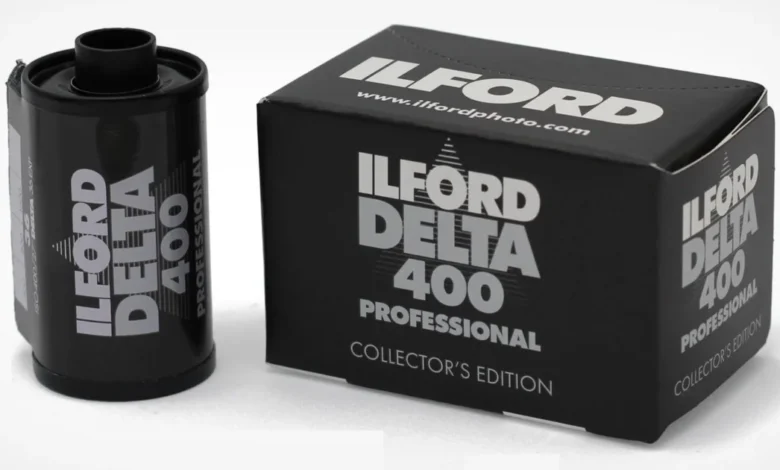
The analog photography community has received an unexpected development from one of its most steadfast pillars. Ilford Photo, a historic titan in the manufacture of black-and-white photographic materials based in Cheshire, United Kingdom, has officially announced the launch of a specialized, limited-run emulsion: the Ilford Delta 400 Professional Collector’s Edition. Available exclusively in the standard 135 (35mm) format, this new iteration marries the beloved sensitivity, speed, and reliability of the classic Delta 400 Professional with an experimental manufacturing technique that has traditionally been reserved for medium and large-format roll films.
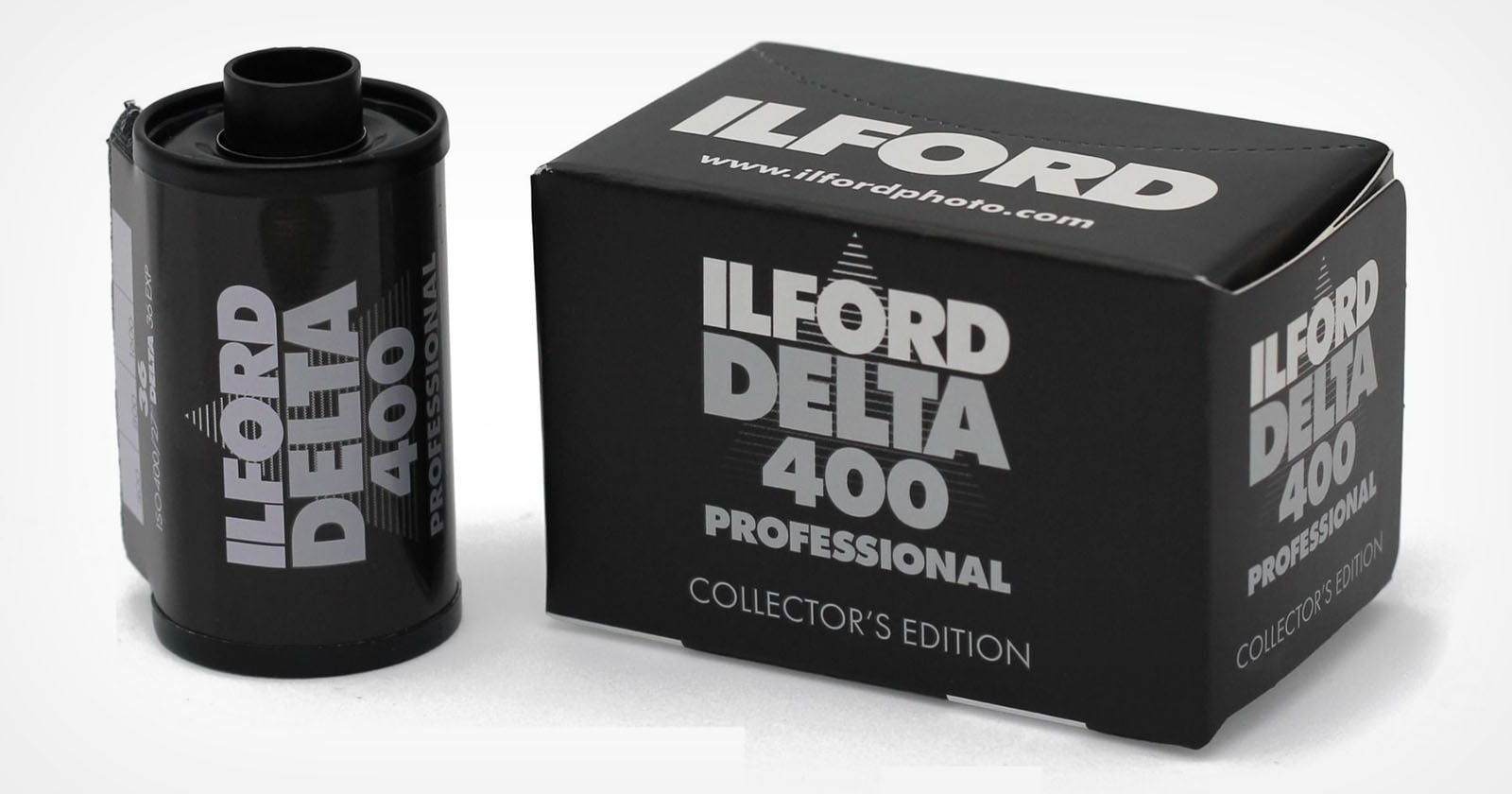
Wrapped in an austere, stealthy all-black cassette and matching packaging, the Collector’s Edition has immediately captured the attention of purists, casual shooters, and professional darkroom practitioners alike. Yet, beneath its sleek cosmetic redesign lies a fundamental physical alteration that could signal a paradigm shift for 35mm black-and-white cinematography and still photography: a clearer film base equipped with specialized anti-halation protection. As supplies trickle out to brick-and-mortar storefronts worldwide, the analog world is left pondering whether this limited release is merely a collector’s novelty or a calculated pilot program for the future of silver-halide photography.
Unpacking the Technical Innovations: What Makes the Collector’s Edition Different?
At first glance, the specifications of the Ilford Delta 400 Professional Collector’s Edition mirror those of its widely available sibling. It retains the nominal ISO 400 sensitivity, meaning it handles low-light scenarios, variable daylight, and pushed processing with the same characteristic versatility that photographers have relied upon for decades. Processing times remain identical to standard Delta 400, ensuring that commercial labs and home developers can integrate the new film into their existing chemical workflows without making adjustments to development charts or times.
The divergence lies entirely within the physical substrate of the film itself. Standard 35mm films typically utilize a gray or amber-tinted acetate or polyester base designed to prevent light scattering and internal reflections. However, the Collector’s Edition utilizes a substantially clearer roll-film base—a departure from traditional 35mm manufacturing norms for Ilford. Crucially, this clearer base is paired with an advanced anti-halation layer.
In photographic optics, halation occurs when bright points of light pass through the emulsion, reflect off the back of the film base, and re-expose the silver halides from behind, resulting in a hazy halo effect around bright light sources. By implementing a sophisticated anti-halation coating on a clearer base, Ilford has engineered a film designed to drastically minimize internal light scatter. According to preliminary data and official statements released by the company, this structural modification yields measurable improvements in several key areas of image quality:
- Enhanced Dynamic Range: A cleaner separation of tonal values allows for better retention of highlight information without sacrificing mid-tone contrast.
- Superior Shadow Detail: The reduction of base fog and internal reflection helps lift dark areas cleanly, revealing finer textural nuances in under-lit environments.
- Optimized Scanning Performance: Digital workflow integration is streamlined. The clearer base reduces base density, which translates to cleaner, sharper scans with less digital noise introduced by scanner sensors attempting to punch through heavy, tinted bases.
- Heightened Overall Sharpness: By curbing light bleed at the micro-level, edge acutance is visibly improved, rendering finer grain transitions and crisper subjects.
A Calculated Experiment: The Strategic Intent Behind the Limited Run
Given the substantial performance enhancements touted by the manufacturer, an obvious and pressing question has dominated online forums, camera clubs, and social media channels: Why restrict such a technologically superior film to a limited-edition run? If the Collector’s Edition represents a technical step forward, why not immediately replace the classic formulation?
Ilford addressed this consumer curiosity directly through its official communication channels, notably responding to inquiries on Instagram. The company candidly characterized the release as a market test. Rather than quietly pushing a modified manufacturing process into mass production—a costly endeavor fraught with supply chain and financial risks—Ilford has chosen to deploy the Collector’s Edition as an empirical trial.
"It’s a test to see what people think and if there’s a market for it," Ilford representatives stated in an official comment. The company further noted that if consumer reception proves overwhelmingly positive among those fortunate enough to acquire a roll, manufacturing the emulsion on a permanent, regular-production basis will be seriously considered.
However, this potential future comes with a financial caveat. Ilford acknowledged that if the clear-base anti-halation variant transitions into a standard catalog item, the retail price would "likely be higher than the existing product." The addition of an advanced anti-halation layer and the specialized clear-base manufacturing protocols inherently drive up production costs. Absorbing these expenses permanently without a corresponding price adjustment would prove commercially unviable for a specialized chemical manufacturer operating in a niche market.
Distribution Model and Economic Realities
In alignment with its status as a collector’s item and an experimental batch, the distribution strategy for the Ilford Delta 400 Professional Collector’s Edition is notably distinct from standard product rollouts. A single roll of the film is priced at $15.19, aligning it closely with premium-tier specialty black-and-white films currently available on the market.
However, acquiring a roll requires more than simply logging onto Ilford’s official e-commerce portal. The manufacturer has stipulated that the film is available via in-store purchases exclusively, omitting it from direct online sales through its corporate web shop. Photographers wishing to secure a roll must consult Ilford’s global store locator to identify authorized brick-and-mortar dealers, camera shops, and specialty photographic retailers that have been allocated stock.
This localized distribution model serves a dual purpose. First, it fosters direct engagement between consumers and local camera stores—institutions that form the literal and cultural backbone of the surviving analog community. Second, it creates a controlled rollout, preventing automated scalper bots from vacuuming up inventory online and ensuring that physical stock is distributed among active community members who frequent camera shops.
The Resurgence of Analog Photography: Background and Context
To understand the significance of Ilford’s latest offering, one must view it within the broader historical and economic context of the photographic industry. For the better part of two decades following the mass adoption of digital photography in the early 2000s, the film industry was locked in a desperate struggle for survival. Major manufacturers shuttered factories, discontinued iconic stocks, and liquidated machinery as demand plummeted to historic lows.
Yet, over the past eight years, the photographic landscape has undergone a remarkable, counter-cyclical renaissance. Driven heavily by younger demographics—particularly Generation Z and Millennials disillusioned with hyper-digitized, frictionless smartphone photography—demand for analog materials has rebounded sharply. This generational shift has transformed film photography from a dying analog art into a thriving, culturally vibrant subculture.
Manufacturers who weathered the storm, most notably Ilford Photo (operating under Harman technology), Kodak Alaris, and Fujifilm, have transitioned from managing terminal decline to managing unexpected growth. Harman technology, which acquired Ilford’s assets in 2005, has consistently championed the preservation and evolution of black-and-white film. Rather than resting on its laurels with legacy formulations like HP5 Plus, FP4 Plus, and the standard Delta series, Ilford’s foray into clear-base technology indicates a willingness to invest in research and development tailored to modern hybrid workflows—specifically, the symbiotic relationship between analog capture and digital scanning.
Industry Implications: What a Permanent Shift Could Mean for Photographers
The introduction of the Ilford Delta 400 Professional Collector’s Edition carries significant implications for the future of silver-halide manufacturing. If the market response validates the higher price point associated with the clear-base, anti-halation technology, Ilford could pave the way for a new tier of premium black-and-white films.
Historically, clear bases with advanced anti-halation layers have been the domain of specialized high-resolution films or cinematic stocks (such as Eastman Kodak’s Double-X or various motion picture emulsions adapted for still photography). Bringing this technology to a mainstream, high-speed 400-ISO consumer film bridges the gap between traditional darkroom printing and high-end digital scanning.
For hybrid photographers—those who shoot film optically but process their images via digital scanners or DSLR scanning rigs—the reduction of base fog and halation artifacts translates to hours saved in post-production. Less time spent masking out halos or fighting dense orange and gray bases in Lightroom or Negative Lab Pro means a cleaner, more efficient translation of silver grain to digital pixels.
Conversely, traditional darkroom printers who rely on condenser or diffusion enlargers will also benefit from the sharper edge contrast and cleaner highlight separation, provided the clear base does not introduce complications with traditional negative carriers or dust spotting under heavy optical magnification.
Looking Ahead: The Road for the Collector’s Edition
As the initial batches of the Ilford Delta 400 Professional Collector’s Edition find their way into the hands of working professionals and dedicated hobbyists, the clock is ticking on this limited-time test. Quantities are strictly limited, and once existing stocks are depleted, there is no immediate guarantee of a re-press until Ilford completes its comprehensive market analysis.
The ball is now firmly in the court of the consumer base. By purchasing, shooting, developing, and reviewing this experimental emulsion, photographers are directly participating in a live-market research study that will dictate whether clear-base anti-halation technology becomes a permanent fixture in Ilford’s catalog or remains a fascinating footnote in modern photographic history.
For now, the advice for those wishing to partake in the experiment is straightforward: check local inventory, support authorized brick-and-mortar camera shops, and load up a camera body. The future of film may well depend on the results captured within these limited-edition all-black cassettes.