The Global Fashion Landscape: A Comprehensive Review of October 2026 Collections, Collaborations, and Cultural Intersections

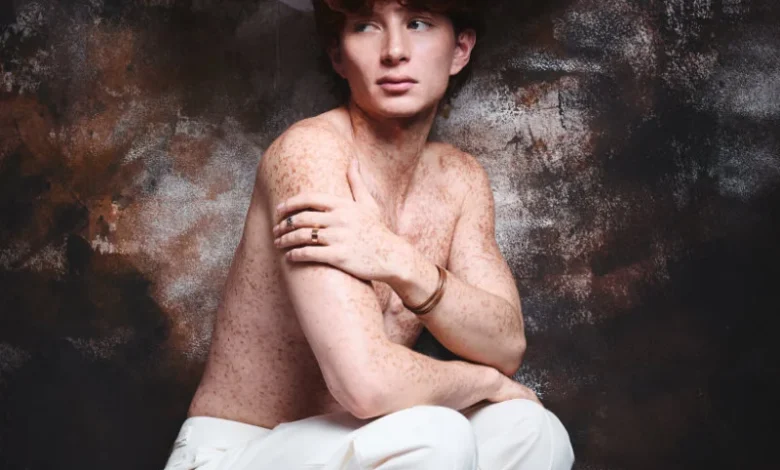
The global fashion landscape in October 2026 has been defined by a strategic blend of archival reverence, multidisciplinary collaborations, and a deepening integration between the arts and high-end apparel. From the corridors of Paris during Art Basel to the creative hubs of Florence and Barcelona, the industry is signaling a shift toward sustainable longevity—prioritizing the reinterpretation of existing design legacies over the rapid-fire production of new silhouettes.

The Archival Shift: Sustainability Through Design Evolution
The current season has seen a marked departure from the traditional "new-everything" cycle. A primary example of this movement is the presentation by LGN Louis Gabriel Nouchi at 080 Barcelona Fashion, titled "VOLVER – A Study in Desire." Rather than commissioning new textile production or introducing unprecedented garment constructions, the Parisian house took the bold step of revisiting its extensive archives. By utilizing existing pieces and focusing exclusively on innovative styling, Nouchi demonstrated that the narrative power of a collection lies in how a garment is worn, rather than solely in its physical inception.
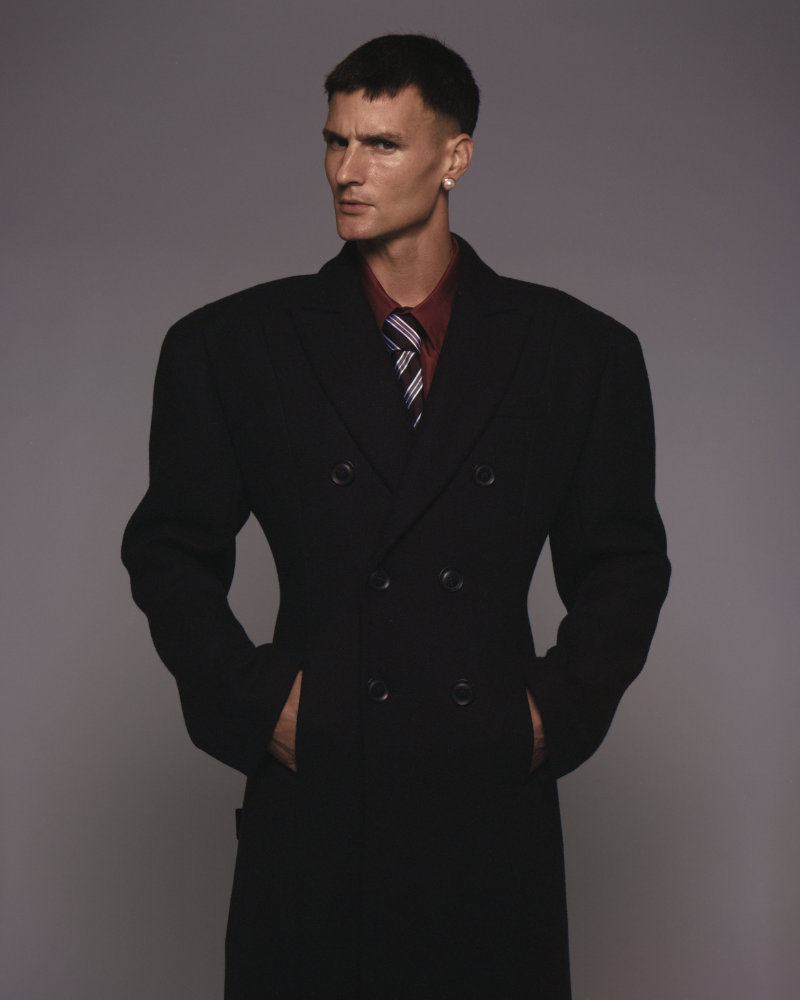
This methodology reflects a broader industry trend toward circularity. As luxury brands face increased scrutiny regarding their carbon footprints, the "archival remix" has become a viable business model. By focusing on the intrinsic value of previous collections, designers are effectively extending the lifecycle of their products, encouraging consumers to view their wardrobes as a curated gallery of personal history rather than disposable inventory.

Corporate Synergies and Limited-Edition Capsules
The collaborative spirit remains the engine of contemporary retail, with brands diversifying their reach by merging fashion with music, sports, and cinema.
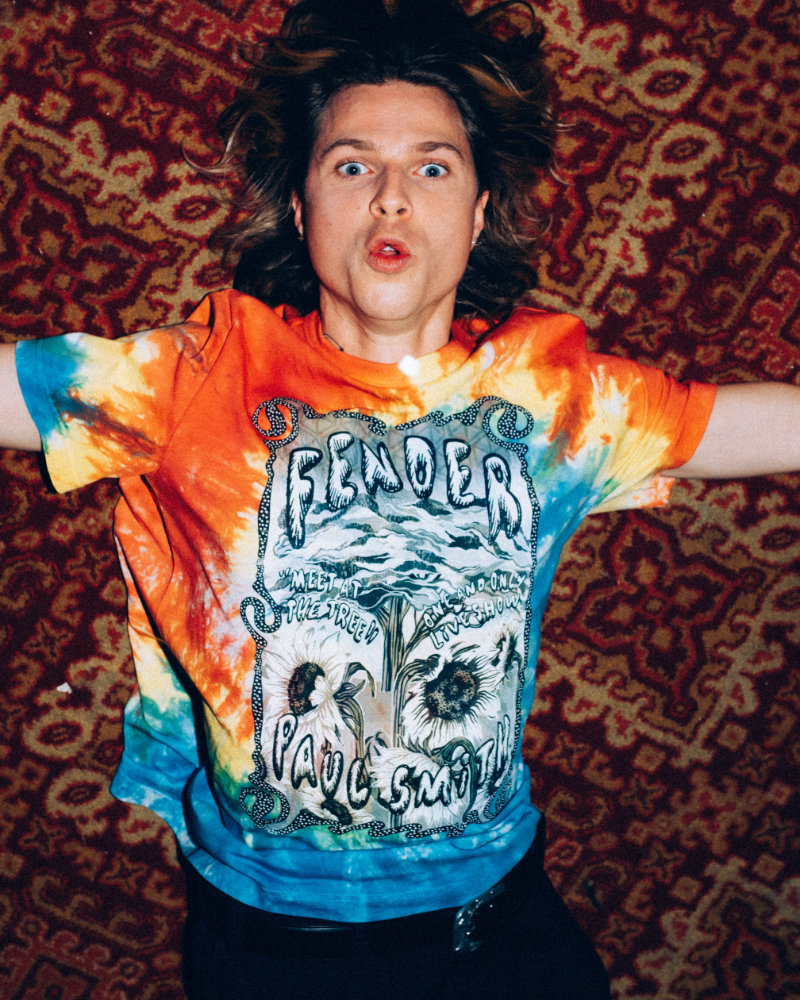
Paul Smith and Fender, both celebrating their 80th anniversaries this year, have launched a limited-edition capsule collection that bridges the gap between menswear and the iconography of rock and roll. This partnership is not merely aesthetic; it serves as a masterclass in brand storytelling. By anchoring a collection in a shared milestone, the two companies reinforce their respective heritages while capturing a multi-generational audience.
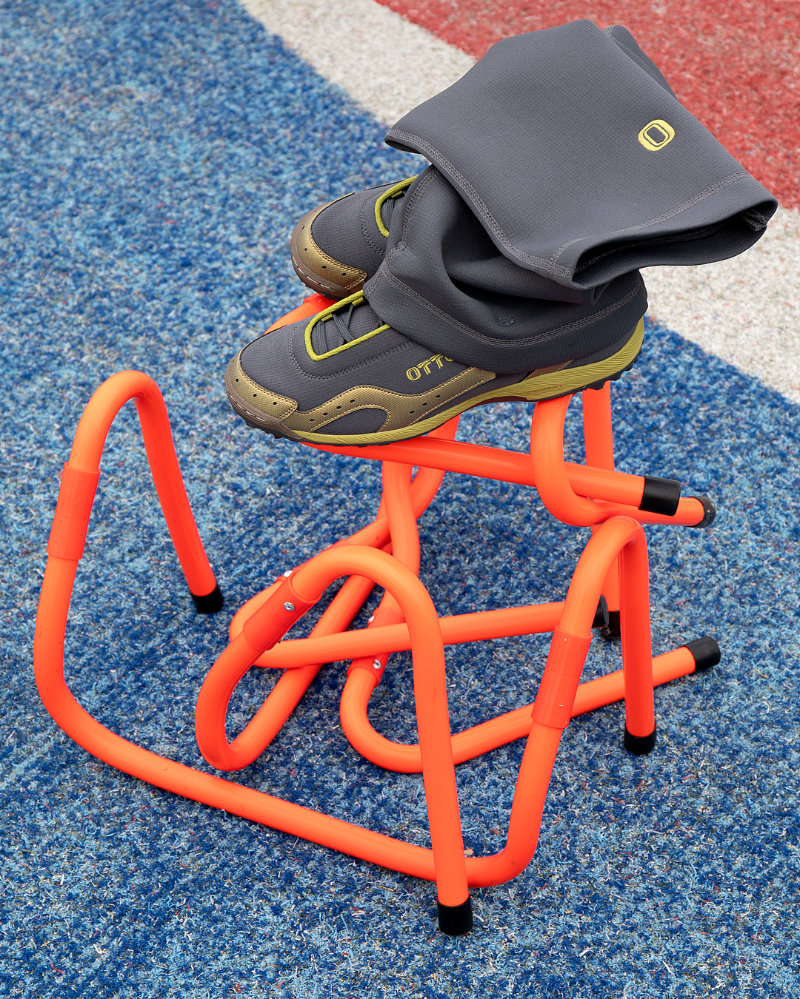
Similarly, the collaboration between ASICS and OTTO 958 in the creation of the GEL-BELARRAOTTO highlights the technical intersection of performance footwear and high-fashion conceptualism. By merging archival ASICS references with experimental construction, the project appeals to the "gorpcore" demographic while maintaining a rigorous focus on utility. In a parallel effort, the long-standing relationship between Patta and Carhartt WIP continues to flourish with the "Hartt and Soul" Fall 2026 collection. Having built over a decade of shared history, this partnership demonstrates that stability and consistency are as marketable as radical reinvention.
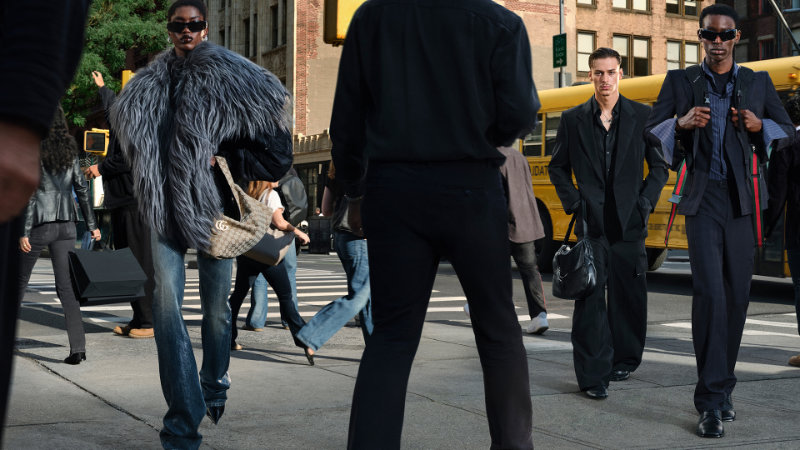
The Intersection of Art, Cinema, and Fashion
The role of the fashion house as a patron of the arts has become increasingly formalized. During the 2026 Art Basel Paris, Miu Miu’s invitation to filmmaker Alice Diop to present Geste de Consolation marked a significant moment for the intersection of cinema and fashion. The exhibition, which focuses on themes of repair and memory, highlights how luxury brands are moving away from traditional advertising in favor of cultural curation.
This trend is mirrored in the museum sector. The Guggenheim Museum in Bilbao’s presentation of Steve McQueen’s 66–76–26—an immersive audio-visual meditation—illustrates the growing prestige of the fashion-adjacent art world. By providing a platform for voices like Nina Simone and David Bowie to be re-contextualized in darkness and silence, the industry is proving that it can facilitate deep, intellectual engagement that transcends the garment.
The Changing Faces of Brand Ambassadors and Creative Talent
The influence of global ambassadors continues to shape the commercial success of luxury houses. The unveiling of the JUUN.J FW26 "NEWSTALGIA" campaign, starring Ahn Hyo-seop, underscores the strategic importance of the South Korean market. As global ambassadors increasingly become the faces of cohesive brand philosophies, their personal brand alignment with the label is critical.
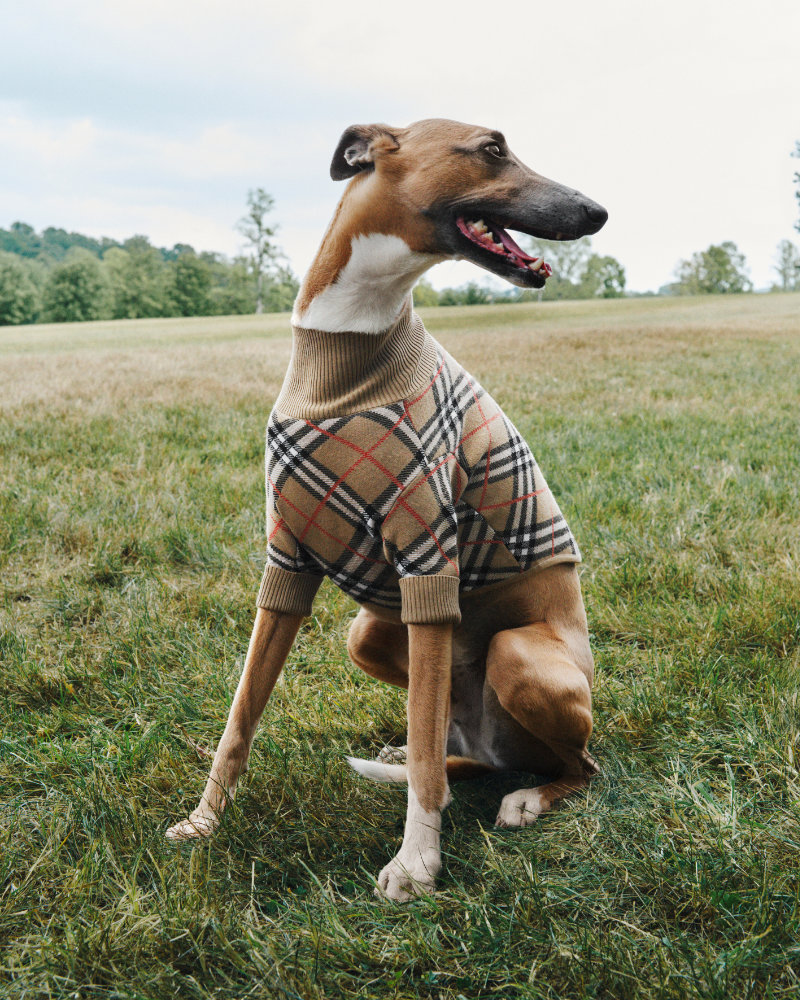
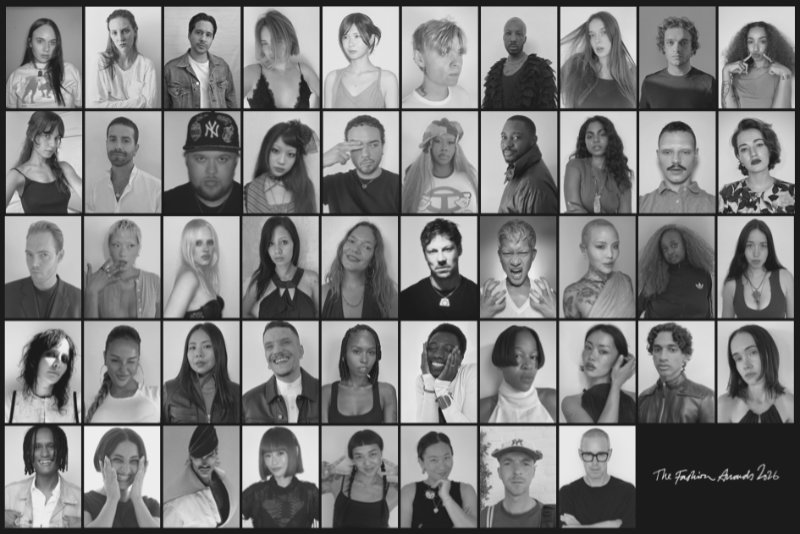
Concurrently, the British Fashion Council (BFC) has unveiled the 2026 "NEW WAVE" creatives, a cohort of photographers, stylists, and casting directors who are essential to the storytelling process. The BFC’s recognition of these figures acknowledges that the "final image" seen by the consumer is the result of a complex, collaborative machine. This shift in focus—from the celebrity designer to the collective of image-makers—is a necessary evolution in an industry that now prioritizes visual literacy.

Emerging Talent and Regional Fashion Weeks
While the legacy houses navigate their archives, emerging designers are setting the pace for future innovation. At the 41st Hyères Festival, Xueling Chen’s victory in the inaugural Pull&Bear Fashion Photography Prize represents a significant milestone for new talent. Similarly, the SS27 edition of Mercedes-Benz Bucharest Fashion Week provided a platform for designers to experiment with structure and narrative.

Baziszt’s "Brocante" collection for FW26 further emphasizes this focus on storytelling, where every object and garment is intended to carry a distinct history. By framing the collection as a "world where every object carries a story," Baziszt aligns itself with the growing consumer desire for emotional resonance in their purchases.

Strategic Implications: The Future of the Industry
The data from these recent events suggests that the fashion industry is entering a phase of "reflective growth." Key implications include:

- Investment in Intellectual Property: Brands are increasingly treating their past work as an asset to be re-mined, leading to a rise in vintage-inspired and archive-revisited collections.
- Multidisciplinary Marketing: Traditional runway shows are being supplemented—and in some cases replaced—by film installations, artistic collaborations, and immersive events. This suggests that "lifestyle" marketing is becoming "culture" marketing.
- The Rise of the "Collaborative Ecosystem": Partnerships are becoming more permanent. The longevity of collaborations between names like Salomon and MM6 Maison Margiela or Timberland and Jacquemus indicates that consumers favor sustained, iterative partnerships over one-off, "hype-driven" drops.
- Formalization of Sports-Fashion Partnerships: The AMIRI x FC Barcelona partnership demonstrates how luxury tailoring is becoming a staple of professional sports, signaling that high-end fashion is reclaiming its place in the formal attire sector, moving away from the purely streetwear-centric focus of the early 2020s.
Chronology of Recent Milestones
- October 2026 (Early): Dr. Martens and Brain Dead announce their first collaborative footwear line, accompanied by a localized activation at Club Bahia in Los Angeles.
- October 2026 (Mid): The 41st Hyères Festival concludes with Xueling Chen taking home the inaugural Pull&Bear Fashion Photography Prize.
- October 2026 (Late): Art Basel Paris hosts multiple interdisciplinary exhibitions, including Miu Miu’s collaboration with Alice Diop.
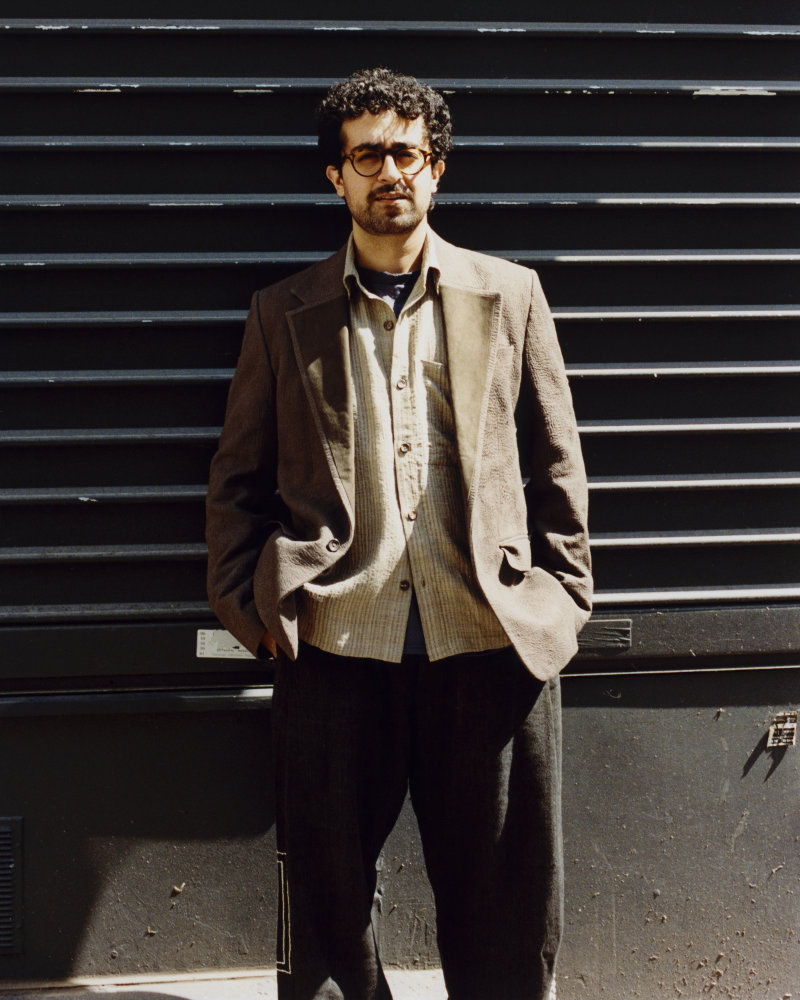
- January 2027 (Upcoming): Kartik Research is slated to serve as the Guest Designer at the 111th edition of Pitti Immagine Uomo in Florence, signaling a focus on craftsmanship and artisanal technique for the coming year.
Conclusion
The state of the fashion industry in late 2026 is characterized by a mature, reflective approach. Whether through the archival re-imaginings of LGN Louis Gabriel Nouchi, the deep-seated cultural inquiries of Miu Miu at Art Basel, or the enduring partnerships between legacy names like Paul Smith and Fender, the industry is signaling that it is moving toward a more sustainable, story-driven future. As the focus shifts from the rapid consumption of new products to the curation of meaningful experiences, the brands that thrive will be those that can successfully bridge the gap between their own history and the evolving cultural zeitgeist. The next year promises to build upon this foundation, particularly as international platforms like Pitti Uomo continue to elevate designers who prioritize the human element—the "center," as Duc Siegenthaler’s "Axis Mundi" suggests—of the creative process.