Prada Opens Prada Galleria in Milan and the Global Fashion Landscape Evolves

Prada has officially inaugurated the Prada Galleria, a sprawling multi-floor project situated within the historic Galleria Vittorio Emanuele II in Milan. This architectural milestone represents a significant homecoming for the brand, as the 19th-century arcade serves as the original site where Mario and Martino Prada established their leather goods shop, Fratelli Prada, in 1913. The opening of this space is more than a retail expansion; it is a strategic repositioning of the brand’s heritage within the contemporary luxury market. By reclaiming space in one of the world’s most iconic architectural landmarks, Prada underscores its commitment to blending historical prestige with the forward-looking, multidisciplinary approach that defines its current creative direction.
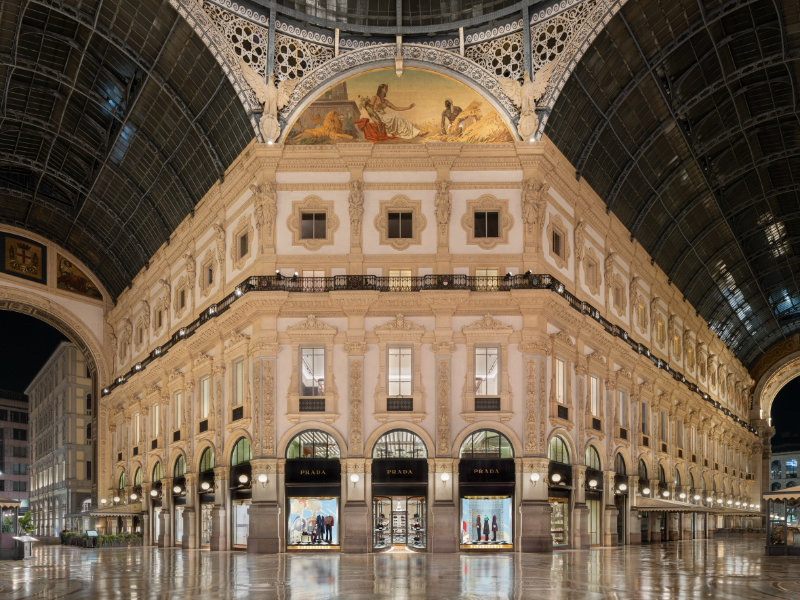
A Season of Transformation: The September 2026 Industry Snapshot
The opening in Milan occurs against the backdrop of a highly dynamic global fashion month, characterized by a flurry of brand announcements, creative shifts, and collaborations. As the industry moves through the Fall/Winter 2026 and Spring/Summer 2027 cycles, several key developments are reshaping the luxury and lifestyle sectors.
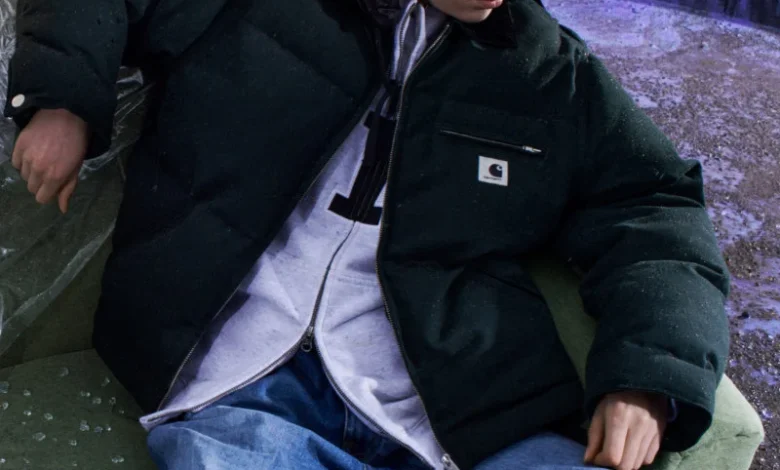
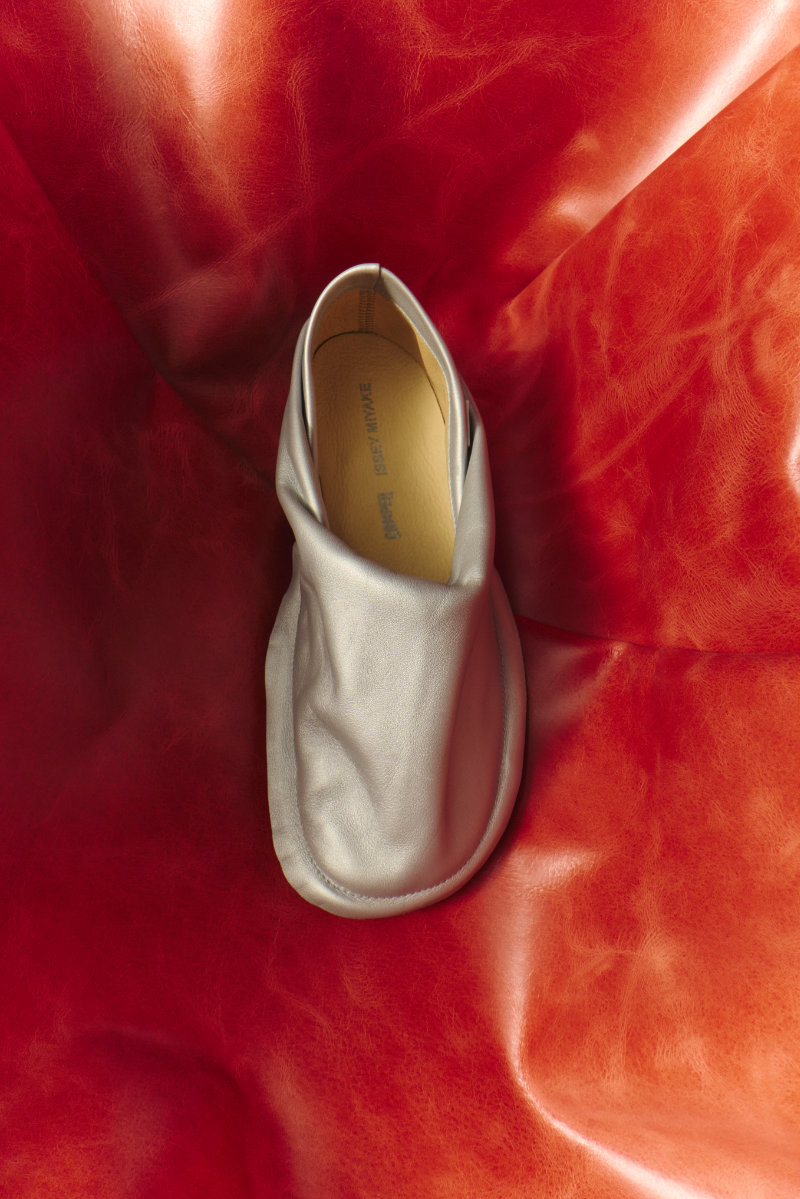
Carhartt WIP has captured public attention with its Fall/Winter 2026 campaign, which adopts a non-linear narrative structure. By presenting events in reverse, the campaign aims to deconstruct the chaotic origins of its latest collection, reflecting a broader trend of brands utilizing cinematic storytelling to engage consumers beyond traditional runway formats. Simultaneously, the footwear market continues to thrive through strategic partnerships. Camper and Issey Miyake have unveiled new color iterations for their "Peu Form" silhouette, a testament to the enduring success of the collaborative model that marries Japanese avant-garde sensibilities with Mallorcan comfort-focused design.
Cultural Intersections: Music, Beauty, and Narrative Collections
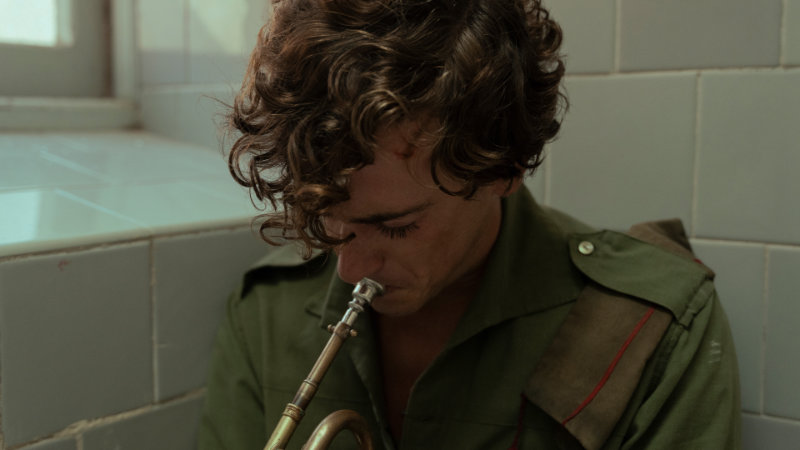
The convergence of fashion with music and personal branding remains a dominant theme for the 2026 season. Guitarricadelafuente has expanded his creative reach, composing the original track "La Nieve" for the film La Bola Negra, directed by Javier Calvo and Javier Ambrossi. This marks a continued trend where fashion houses and artistic entities align with cinema to build immersive brand narratives.
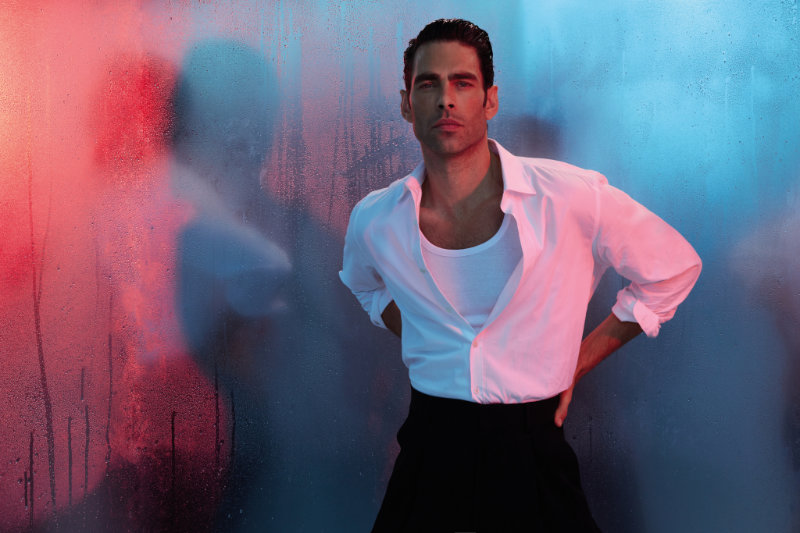
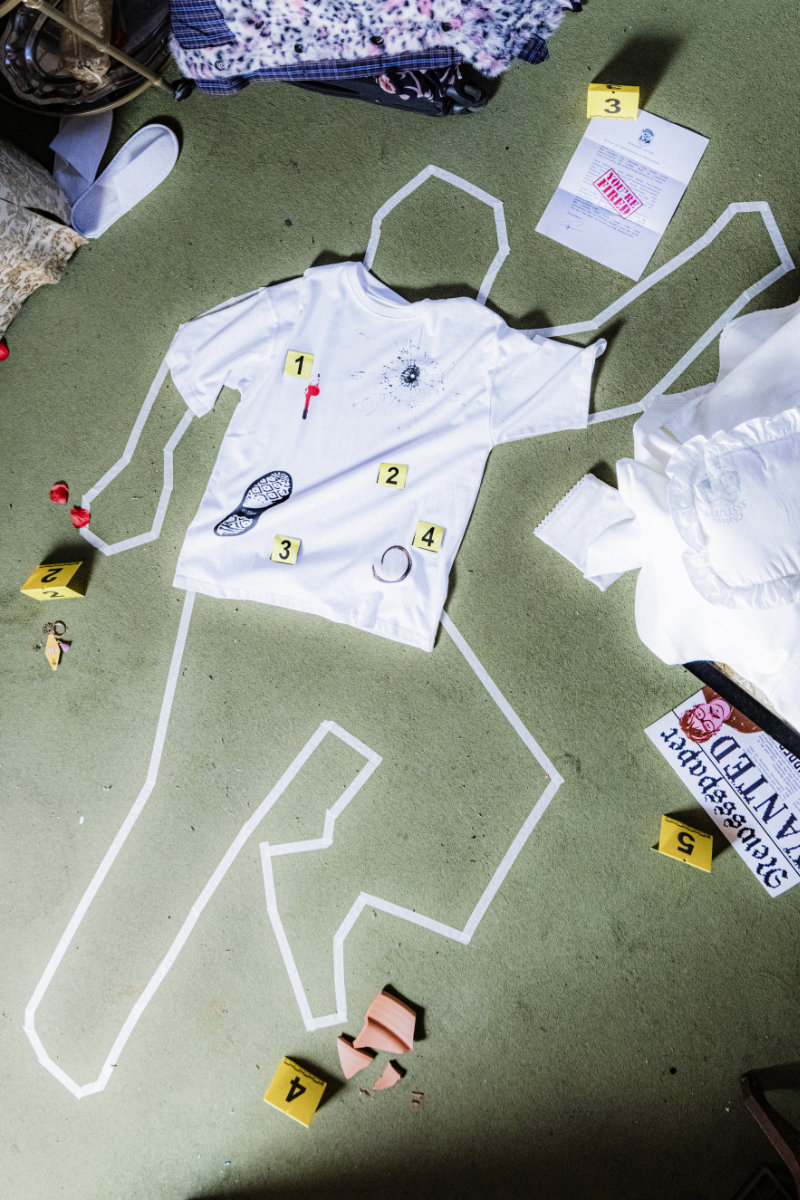
In the beauty sector, actor and model Jon Kortajarena has leveraged over two decades of industry experience to launch SMTHELSE, a haircare brand. This transition from brand ambassador to founder reflects the growing autonomy of talent within the fashion ecosystem. Similarly, the streetwear label SSSTUFFF has injected a sense of mystery into its Fall/Winter 2026 collection by centering its aesthetic on an "unsolved murder" narrative at the fictional Château SSSTUFFF, proving that storytelling is now as vital as product design.
Strategic Brand Ambassadorships and Global Expansion
Brand identity is increasingly anchored by carefully curated ambassadorships. LOEWE has announced the appointment of Phuwin as its newest global brand ambassador. Joining the house under the creative direction of Jack McCollough and Lazaro Hernandez, Phuwin represents the brand’s pivot toward a younger, digitally native audience in the Asia-Pacific region. This move follows a broader industry trend of luxury houses securing localized star power to maintain relevance in high-growth markets.
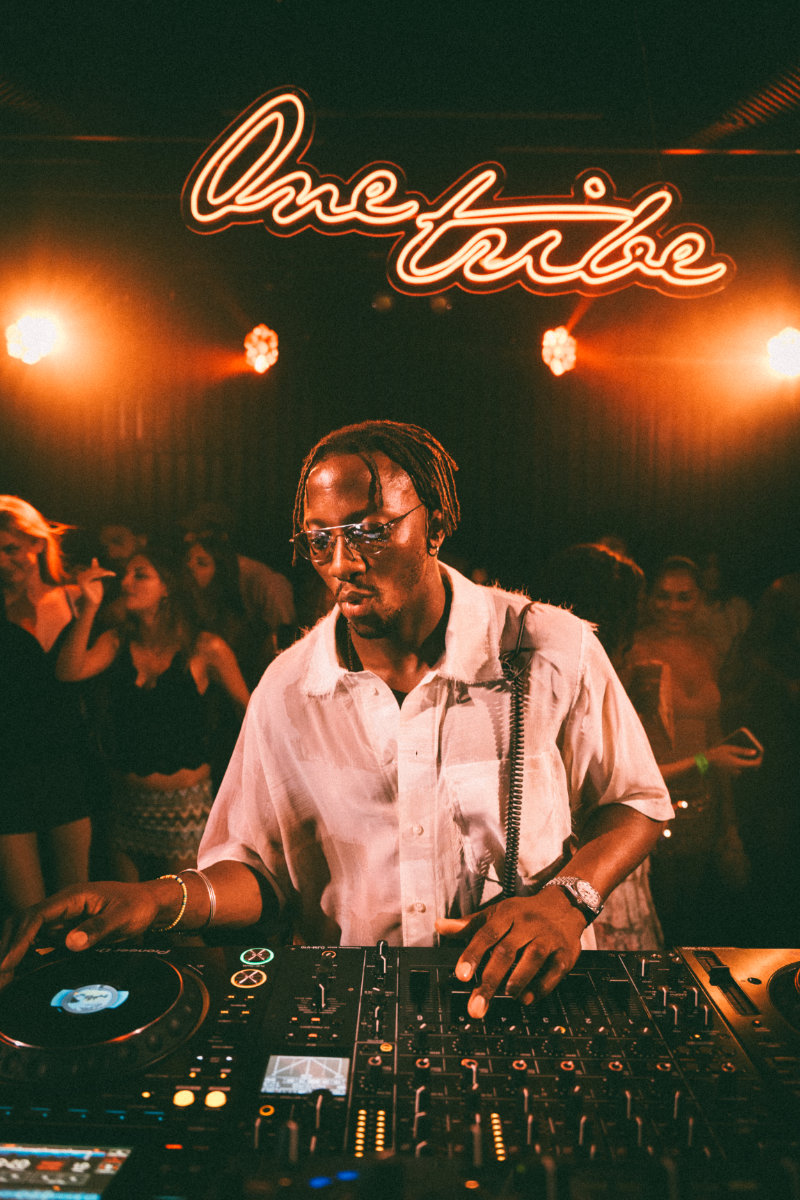
Musical influence continues to dictate the pace of culture, as evidenced by Troye Sivan’s release of "Party," a track that serves as a sonic celebration of the sanctity of nightlife. The music is reflective of a larger industry focus on the "after-hours" lifestyle, which has influenced collections from designers like Stefan Cooke, whose "Oh Vienna!" collection for Spring/Summer 2027 explores the concept of parallel discoveries in design.

Runway Analysis: The Spring/Summer 2027 Outlook
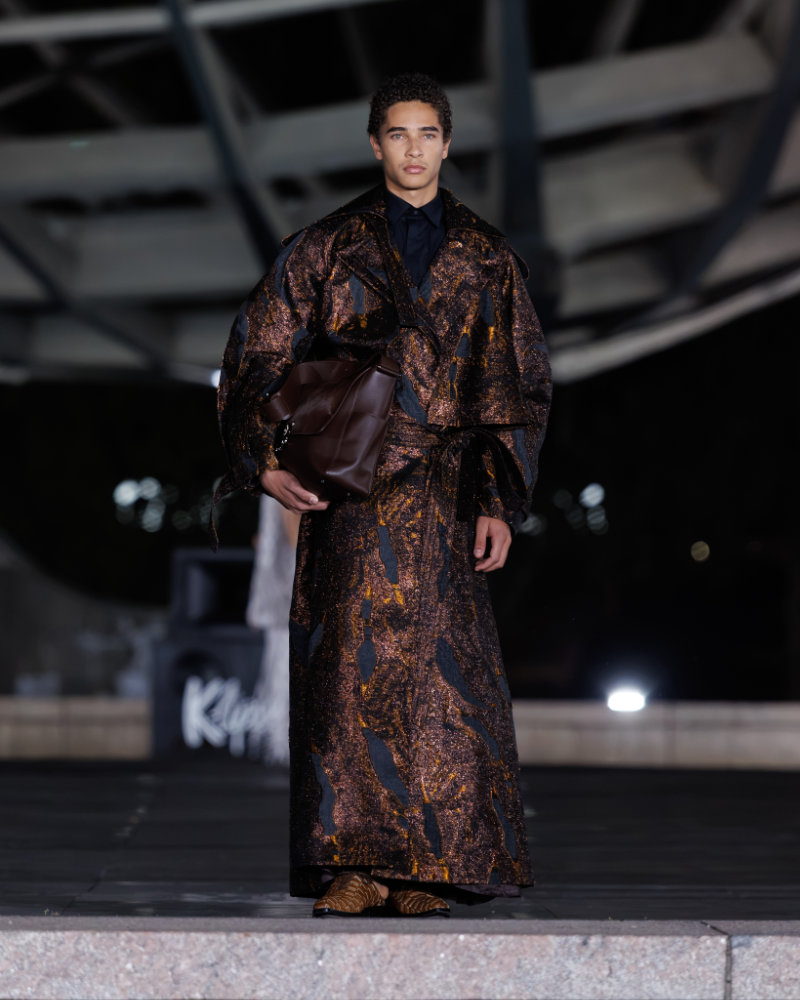
As the industry looks toward Spring/Summer 2027, the runway circuit has provided a roadmap for upcoming trends. In New York, Luar presented its "Christopher Street Columbus" collection at the Unisphere in Queens, further cementing the brand’s reputation for staging shows in culturally significant locations. Meanwhile, Ksenia Schnaider has undergone a leadership shift, with Anton taking the lead to infuse the collection with personal memory and visual references.

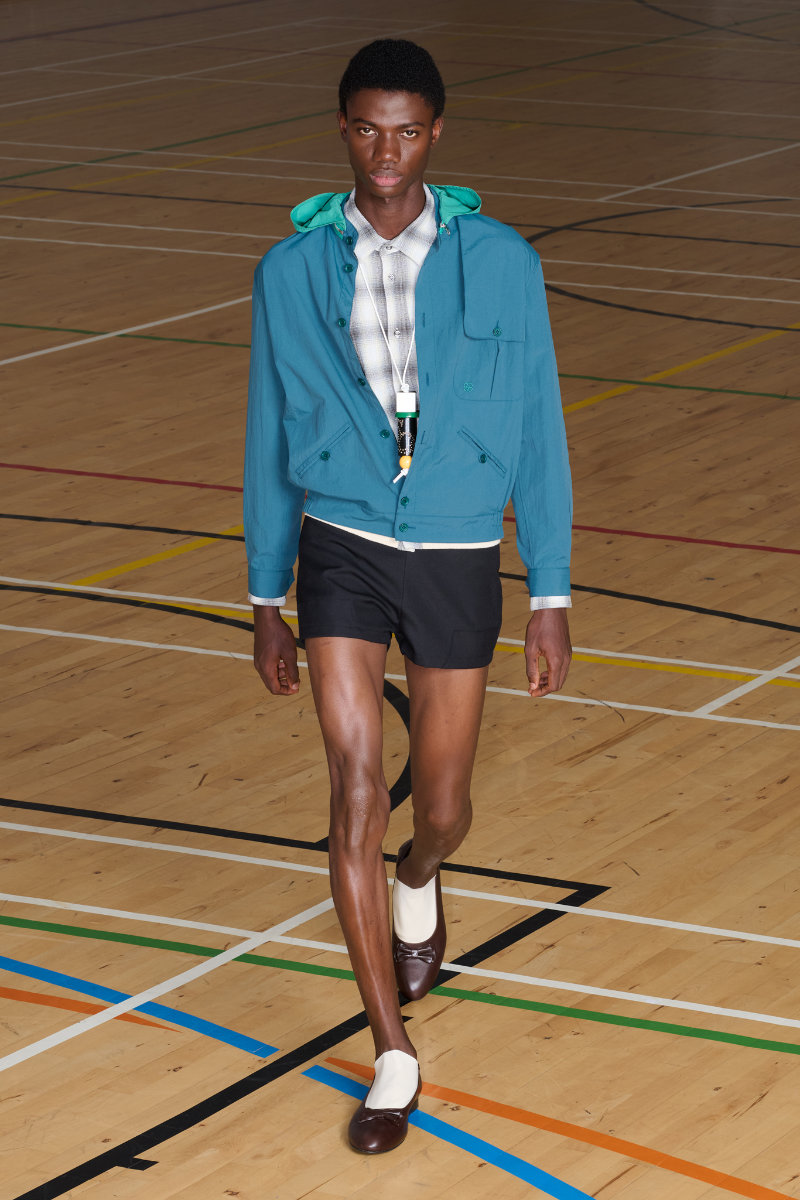
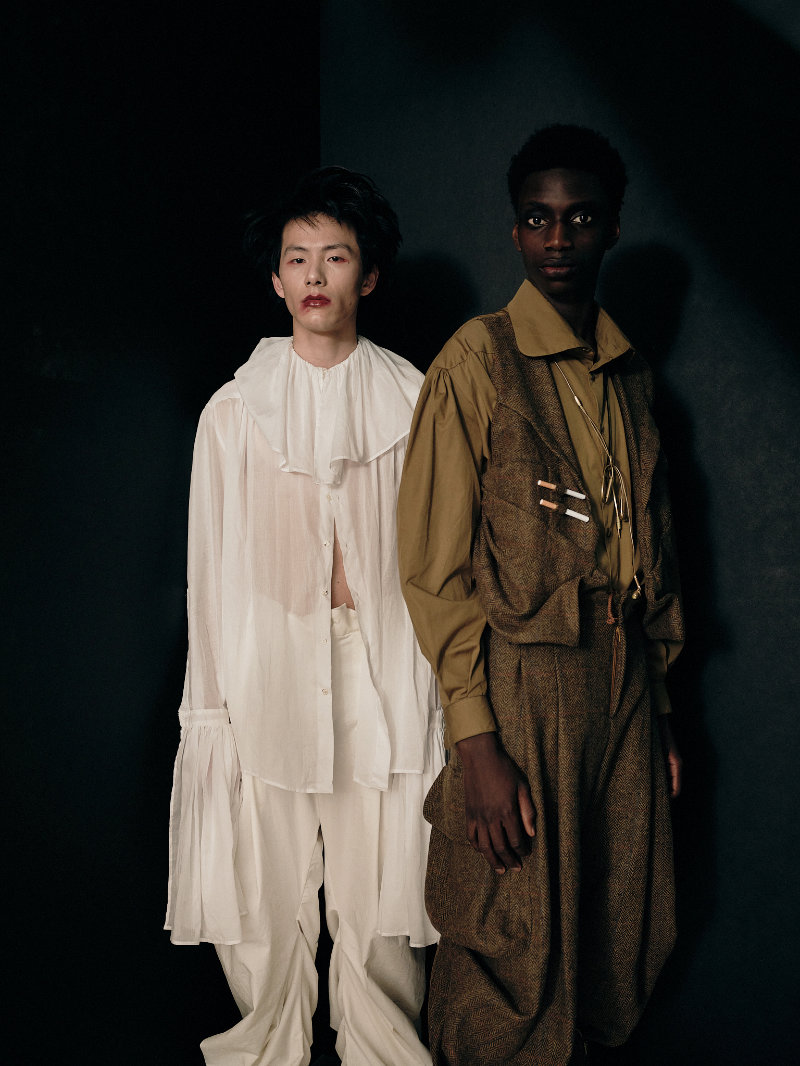
London’s influence remains potent, with Daniel Fletcher’s collection for MITHRIDATE drawing heavily from the 1980s London "New Romantic" scene, while Spencer Badu’s "Collection 018" showcased a sophisticated remix of tailoring and streetwear. FANG NYC has also leaned into the intersection of technology and biology, presenting a collection inspired by the "bionic dancer." These collections collectively suggest a season defined by archival reverence mixed with a digital-first, futuristic outlook.
Sustainability, Technology, and Collaborative Craft
Innovation in 2026 is increasingly collaborative. ASICS SportStyle and Amsterdam-based designer Camiel Fortgens have launched their first "Crafts for Mind" project, emphasizing the meditative and mental health aspects of design. This initiative aligns with a growing consumer demand for brands that prioritize purpose-driven manufacturing.
The intersection of luxury and technology is also manifesting through new retail experiences. In Barcelona, the architectural studio Mesura has installed an "infinite staircase" for Hermès on Passeig de Gràcia, demonstrating how luxury houses are using spatial design to transform physical retail into cultural destinations.
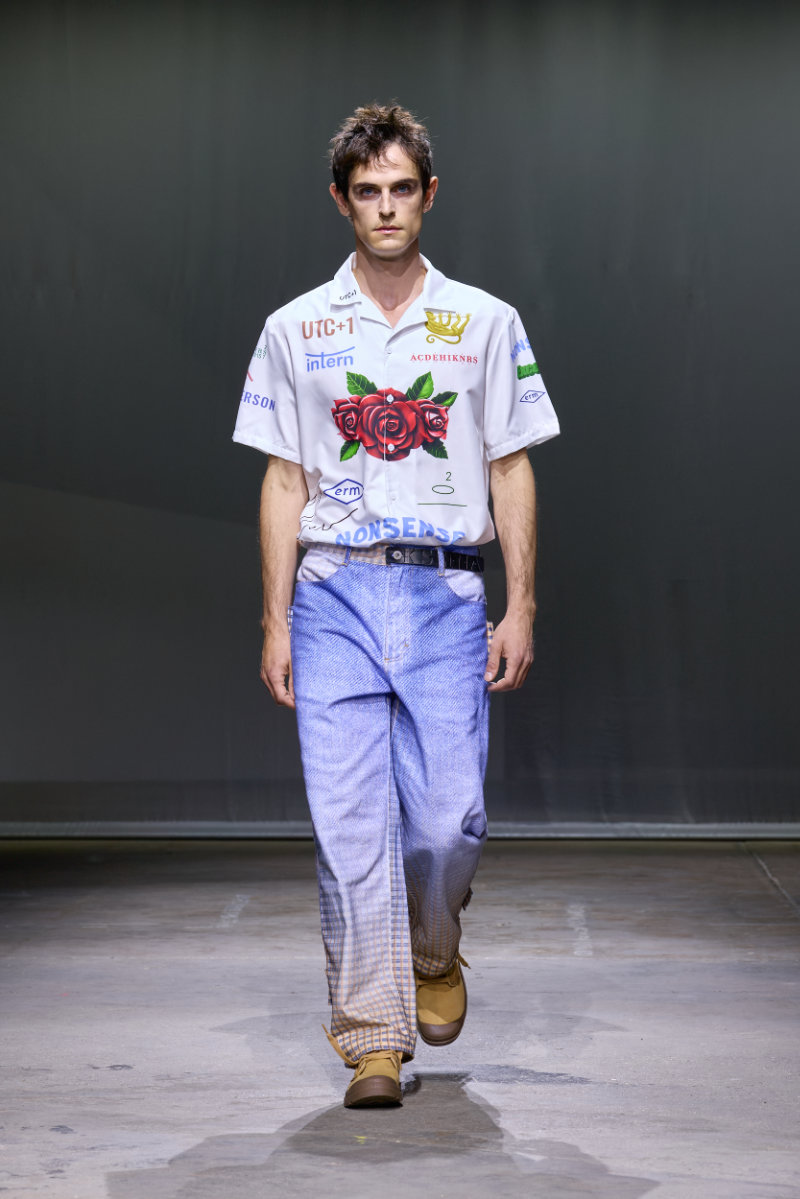
In the automotive-fashion sphere, AMBUSH and Lexus have launched "The Future Classic Club," an initiative celebrating objects that transcend time. This project highlights a critical shift in the luxury market: the transition from disposable trends to the cultivation of "future classics."
Industry Recognition and the Road Ahead
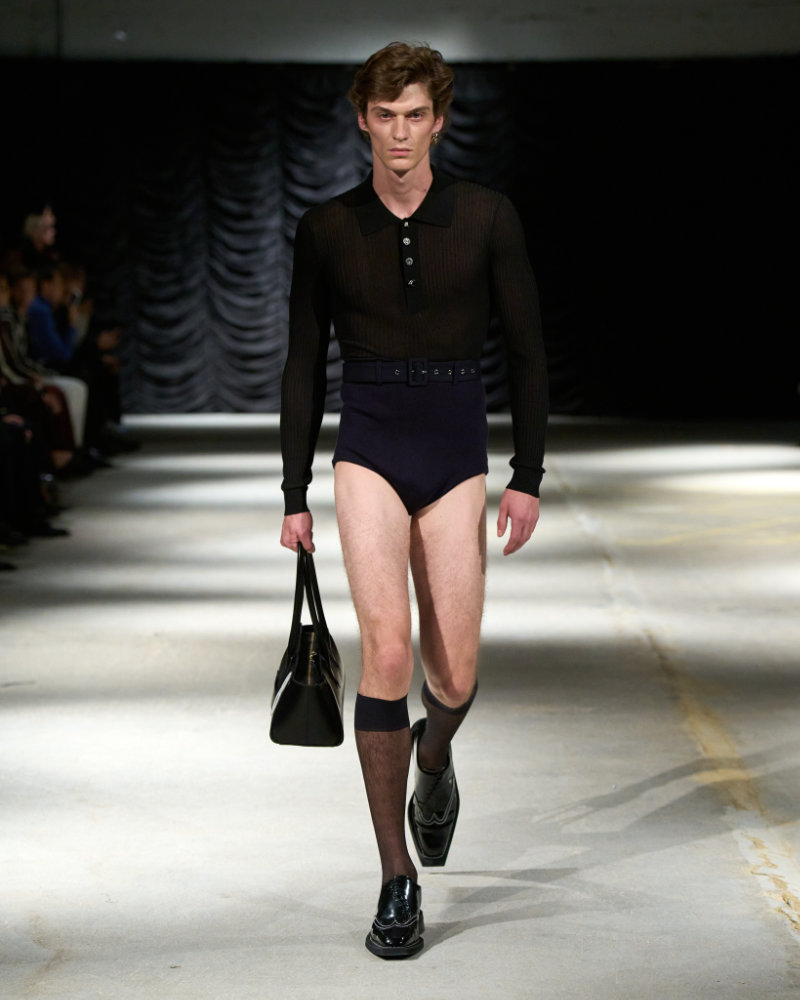
As the British Fashion Council prepares for The Fashion Awards 2026, the industry is taking stock of the individuals and collectives who have defined the year. The nomination list highlights a robust year for British menswear and emerging talent, reflecting the resilience of the sector despite global economic pressures.
In Portugal, the ModaLisboa "Priority" event, scheduled for early October, will host a series of showcases across four locations, reinforcing Lisbon’s status as a burgeoning fashion capital. These localized events are essential for the health of the industry, providing a platform for regional designers to gain international visibility.
Broader Economic and Creative Implications
The current state of the fashion industry, as observed in late 2026, reveals three distinct pillars of growth:
- Heritage Preservation: The Prada Galleria project in Milan is the clearest indicator of the "heritage-first" strategy. By anchoring the brand in its historical birthplace, Prada is reinforcing its status as a timeless institution, insulating itself from the volatility of fast-fashion cycles.
- Multidisciplinary Storytelling: From SSSTUFFF’s murder mystery to Troye Sivan’s musical odes to nightlife, the product is no longer the sole focus of a collection. The "world-building" aspect—where clothing acts as a costume for a broader, narrative-driven life—has become the primary driver of consumer engagement.
- Collaborative Ecosystems: The partnerships between legacy brands (Hermès, Lexus, Prada) and contemporary voices (Mesura, AMBUSH, Oscar Ouyang) indicate that innovation is increasingly a result of cross-pollination.
As we look toward the remainder of the year, the industry’s trajectory is clear. Luxury is moving toward deeper integration with art, architecture, and technology. The success of brands in this cycle will not be measured solely by quarterly revenue, but by their ability to translate these complex cultural narratives into tangible, desirable products that resonate with a global audience. Whether through the revival of 19th-century retail spaces or the creation of bionic-inspired runway pieces, the fashion industry of late 2026 is characterized by a confident synthesis of history and the avant-garde. The opening of the Prada Galleria is merely the most visible marker of a much wider, more profound evolution in how luxury is experienced, consumed, and remembered.