Kornit Digital champions on-demand manufacturing as the future of licensed merchandise at Brand Licensing Europe 2026

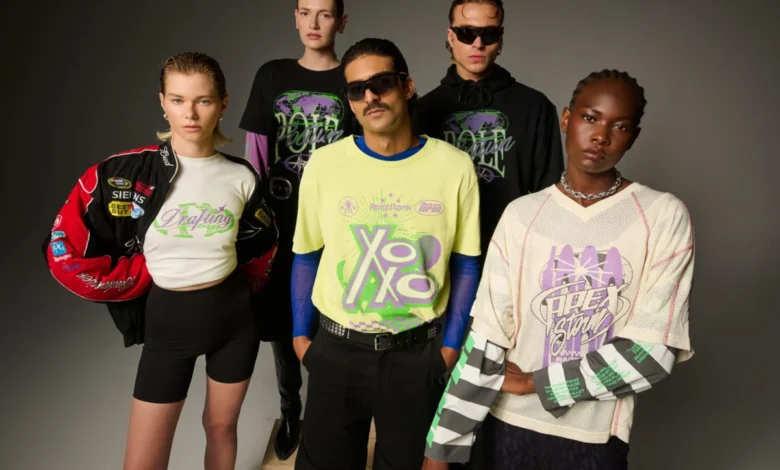
The global licensed merchandise industry, an ecosystem valued at over $360 billion, is currently undergoing a structural transformation as supply chain volatility and shifting consumer trends redefine the boundaries of profitability. As stakeholders prepare for Brand Licensing Europe (BLE) 2026, scheduled to take place in London from October 6-8, the focus is shifting from mass-production forecasting to the precision of on-demand digital textile printing. Kornit Digital, a leader in sustainable, on-demand digital fashion and textile production, is set to demonstrate how this shift can mitigate the industry’s most persistent challenge: inventory risk.
The Paradigm Shift: From Forecasts to Real-Time Fulfillment
Historically, the licensed merchandise sector—encompassing film, music, sports, and anime—has relied on a "push" supply chain model. Rights holders and licensees are often required to commit to production cycles months in advance, guessing which designs will capture the zeitgeist and which will languish as dead stock. This model is fraught with financial risk, as the cost of unsold inventory, combined with the carbon footprint of mass-produced, discarded garments, poses both an economic and an environmental liability.
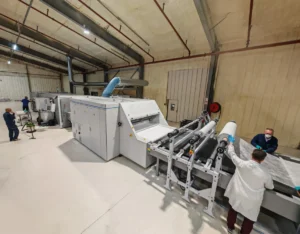
Kornit Digital’s methodology replaces this traditional approach with a "pull" model. By utilizing high-speed, on-demand digital printing, producers can manufacture items only after an order is confirmed. This removes the necessity for massive production runs and the subsequent warehousing of unsold goods. For the licensees at BLE 2026, this technology is not merely a production tool; it is a strategic hedge against the volatility of pop culture, where a viral social media moment can create, or destroy, demand in a matter of hours.
Chronology of the Transformation: Digital Adoption in Textiles
The evolution toward on-demand production has been a multi-year trajectory accelerated by the post-pandemic supply chain crisis.

- 2020-2021: The COVID-19 pandemic exposed the fragility of global supply chains. Manufacturers faced widespread delays, causing significant losses in licensed retail as seasonal goods failed to reach shelves in time.
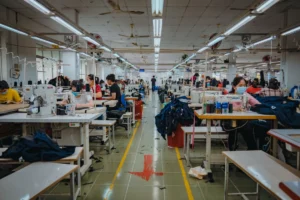
- 2022-2023: Industry leaders began pilot programs using digital textile printing to localize production closer to end consumers, reducing shipping costs and lead times.
- 2024: Sustainability mandates in the European Union and North America increased pressure on the fashion industry to reduce textile waste. On-demand printing emerged as a viable solution to the "overproduction crisis."
- 2025: Technology integration improved, with companies like Kornit achieving higher color consistency and fabric versatility, making digital printing suitable for high-end licensed apparel.
- 2026: The current state of the industry at Brand Licensing Europe 2026 sees the technology moving from an experimental niche to a mainstream operational necessity for major licensing players.
Supporting Data: The Cost of Overproduction
Data from industry analysts suggests that the fashion and apparel sector typically overproduces by 20% to 30% each season. In the context of licensed merchandise, this equates to billions of dollars in dormant assets. For a typical licensee, the cost of holding inventory—including warehousing, insurance, and the eventual markdowns or liquidation—can erode profit margins by as much as 15%.
Conversely, companies adopting on-demand models have reported a significant reduction in waste. By enabling a "print-on-demand" workflow, manufacturers can test hundreds of designs for a specific intellectual property (IP) without the risk of physical stock accumulation. If a design fails to attract interest, the loss is limited to the digital asset rather than thousands of printed shirts. If a design goes viral, the manufacturer can scale production to meet the surge in demand within days, rather than waiting for overseas shipping containers.
Industry Perspectives and Operational Synergy
The shift is supported by early adopters who have successfully integrated Kornit’s technology into their workflows. Hybris Production in Sweden, a prominent player in the licensed movie merchandise market, has demonstrated that the agility afforded by digital printing allows them to capture the "long tail" of fan engagement. Similarly, firms such as Basic Thinking and Fifth Column in the music merchandise sector have utilized these systems to provide fans with personalized, high-quality apparel that would be economically unfeasible under traditional screen-printing methods.
Guy Yaniv, president of Kornit Digital Europe, emphasizes the cultural significance of these technological shifts. "Licensed merchandise is all about capturing the connection between fans and the culture they love, and those moments can happen incredibly fast," Yaniv noted. "On-demand production gives the industry the agility to respond when those moments happen, while reducing the inventory risk that has traditionally come with expanding merchandise portfolios."
Broader Implications: Personalization and Localization
Beyond the reduction of inventory, Kornit’s presence at BLE 2026 will highlight two other critical advantages: hyper-personalization and localized fulfillment.

In the current consumer landscape, fans increasingly expect products that reflect their unique identity. Digital printing allows for the addition of individual names, specific event dates, or localized branding to licensed designs without requiring a complete change in the production line. This creates a higher value proposition for the consumer, allowing rights holders to charge a premium for customized goods.
Furthermore, localized production solves the logistics bottleneck. By producing items in the region where they are purchased, companies can significantly reduce their carbon footprint and logistics costs. This decentralization of production also ensures that designs remain consistent across global markets, a major challenge for international licensors who previously struggled to maintain brand standards when outsourcing to multiple factories in different countries.
The Road Ahead: What to Expect at BLE 2026
The exhibition at stand D214 will serve as a practical demonstration of these concepts. Attendees will witness how digital workflows integrate with existing licensing platforms, allowing for a seamless transition from the signing of an IP agreement to the live sale of merchandise.
For the licensing community, the takeaway from this year’s event is clear: the era of speculative manufacturing is nearing its end. As data-driven retail becomes the standard, the ability to produce on-demand will distinguish the market leaders from those hampered by legacy systems. The integration of digital printing into the licensing pipeline is not just a technological upgrade; it is a fundamental restructuring of the relationship between rights holders, manufacturers, and the global fan base.
As the industry converges in London this October, the conversation will likely shift from "how to forecast demand" to "how to respond to it." With the infrastructure for on-demand production now firmly in place, the licensed merchandise sector is poised to become more agile, more sustainable, and ultimately, more profitable in an increasingly unpredictable global economy. For further information on the specific technologies being showcased, industry professionals are encouraged to visit the official Kornit Digital website at www.kornit.com to explore the technical specifications and implementation case studies ahead of the event.