The Genesis of the Project
The conceptualization of the Mata do Paraíso Scout Park began as a response to a long-standing deficit in dedicated outdoor infrastructure. For decades, scouting groups in Vila Franca de Xira were forced to rely on private land agreements or under-equipped municipal spaces that lacked the necessary amenities for long-term ecological and community engagement. The Municipality of Vila Franca de Xira identified this gap as a barrier to the growth of youth leadership and environmental education programs.
The decision to move forward with a permanent facility was finalized following the approval of the national Recovery and Resilience Plan (PRR), which provided the essential funding required to transition the project from a conceptual proposal to a physical reality. By leveraging these funds, the municipality aimed to create a sustainable hub that would serve not only the scouting community but also the wider public, fostering a stronger connection between the local citizenry and the natural landscape of the Mata do Paraíso.
Architectural Vision and Design Philosophy
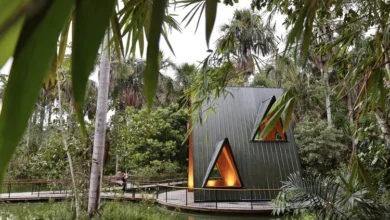
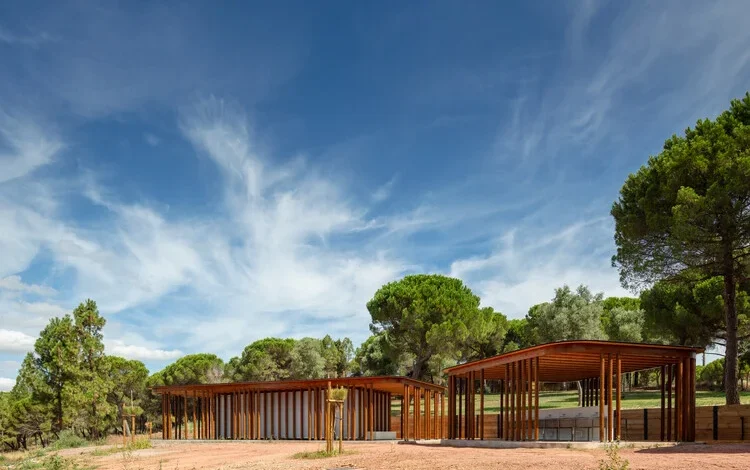
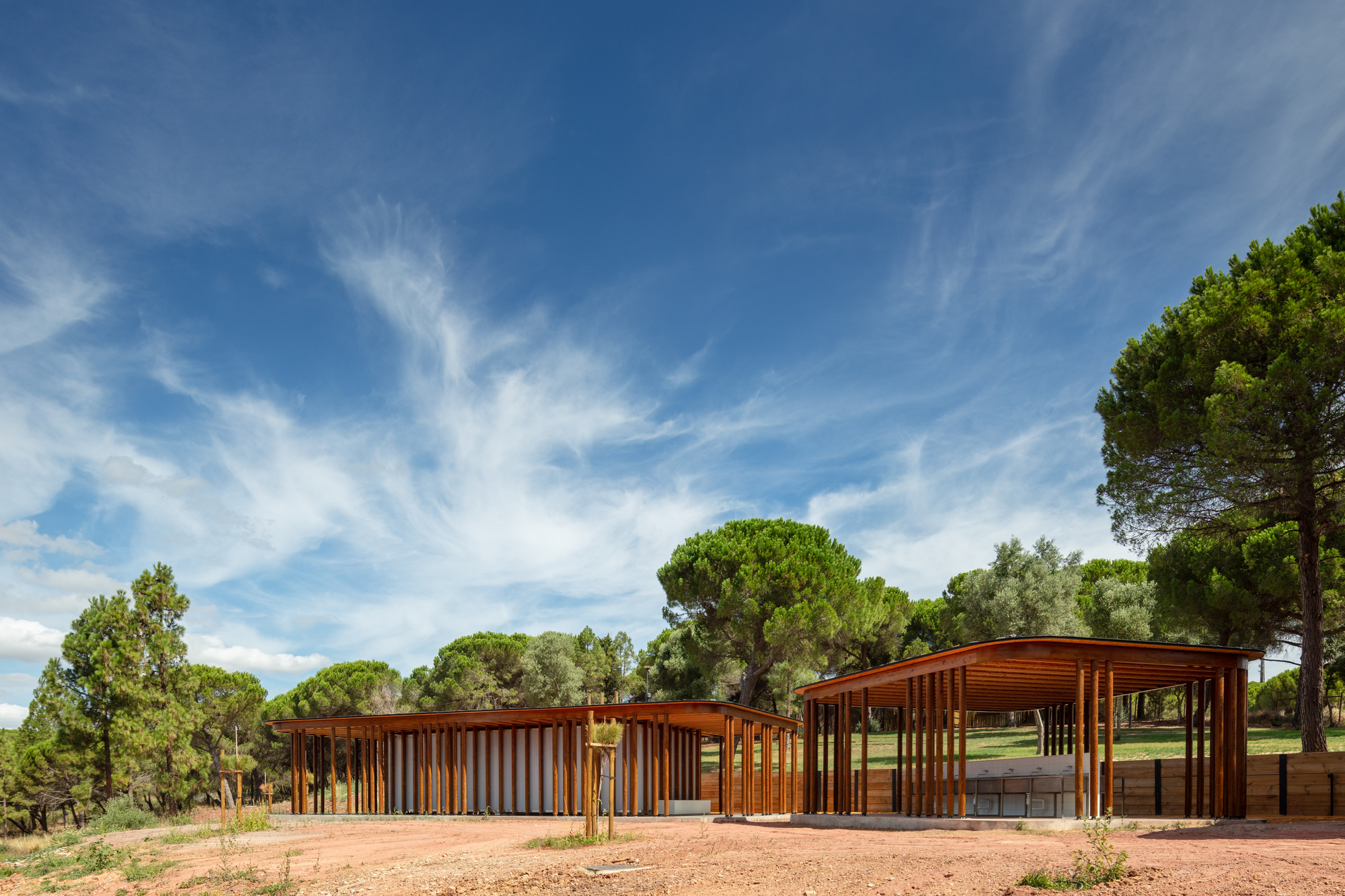
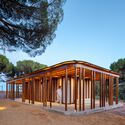
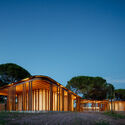
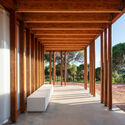
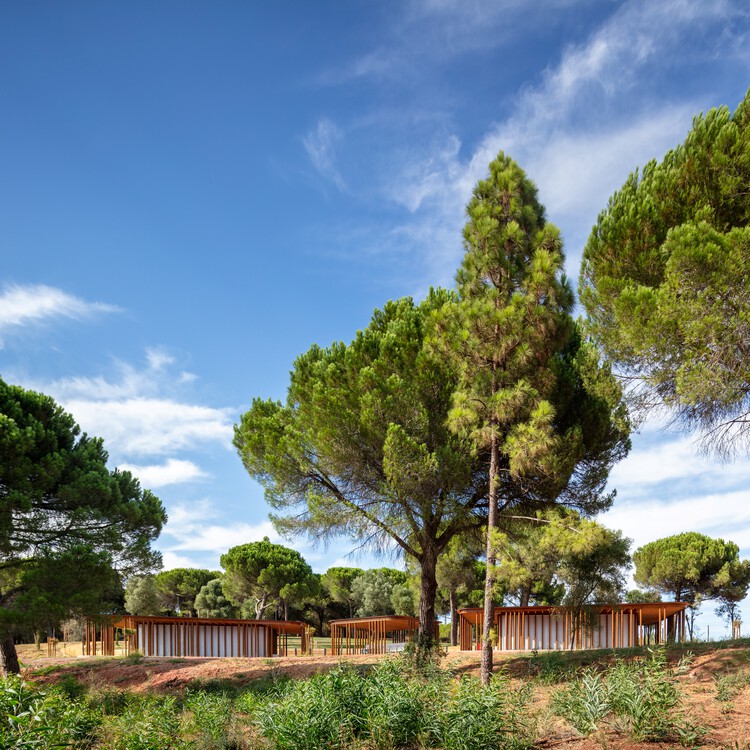
Plano Humano Arquitectos was tasked with creating a space that would balance durability with environmental sensitivity. The design approach focuses on "low-impact integration," ensuring that the built environment does not disrupt the existing topography or biodiversity of the area. The architecture utilizes materials that blend with the surroundings, emphasizing natural textures, timber framing, and permeable surfaces that allow for rainwater infiltration.
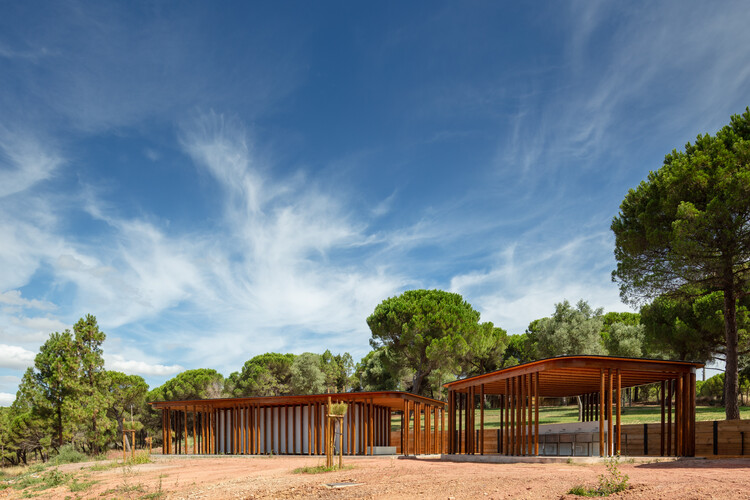
The layout of the park is intentionally decentralized to accommodate various group sizes and activity types. It includes designated camping zones, assembly areas for large gatherings, and specialized infrastructure for training in survival skills and environmental conservation. A key feature of the design is the modular nature of the structures, which allows for future expansion or adaptation as the needs of the scouting movement evolve. By prioritizing functionality without sacrificing aesthetic harmony, the architects have provided a blueprint for how public infrastructure can coexist with protected natural zones.
Chronology of Development
The timeline of the Mata do Paraíso project reflects the complexities of modern public works in Portugal:
- 2023: Initial needs assessment conducted by the municipal council highlighting the lack of adequate facilities for youth groups.
- Early 2024: Project commission awarded to Plano Humano Arquitectos following a competitive selection process focused on sustainable design expertise.
- Mid-2024: Finalization of environmental impact reports and integration into the Recovery and Resilience Plan (PRR) financial framework.
- Late 2024 – Early 2025: Site preparation, including the clearing of invasive species and the establishment of basic utility grids designed to minimize ecological footprints.
- 2025 – Mid-2026: Primary construction phase, focusing on the assembly of the central pavilion and the establishment of camping infrastructure.
- September 15, 2026: Official inauguration of the Mata do Paraíso Scout Park, marked by a community-led opening ceremony.
Strategic Importance of the Recovery and Resilience Plan
The involvement of the PRR is more than a matter of logistics; it is a signal of the municipality’s commitment to post-pandemic recovery. By investing in youth-oriented spaces, the government is focusing on the "soft" infrastructure that builds social cohesion. The PRR, which is primarily directed toward digital transition, climate change, and resilience, views this project as a successful case study in "green resilience."
Statistical data suggests that the park will serve an estimated 2,000 to 3,000 scouts annually, with secondary benefits extending to local schools that can utilize the grounds for outdoor science classrooms. Furthermore, the development of the park is expected to reduce the maintenance costs associated with illegal or unmanaged camping in other sensitive parts of the municipality, as the centralized park provides controlled, waste-managed facilities.
Official Statements and Community Reception
While the municipal government has refrained from making grand, politicized statements, the sentiment within the regional administration is one of cautious optimism. Local council members have noted that the park is intended to be a "living laboratory" for sustainability.
"This is not just about building structures; it is about creating a permanent home for the values of scouting—discipline, community, and respect for the natural world," stated a representative from the municipal planning office during the site tour. Representatives from the local scout councils have expressed relief, noting that the predictability of having a dedicated space allows for the planning of long-term projects and international scouting exchanges that were previously impossible to host in the municipality.
Environmental Implications and Sustainability
One of the most critical aspects of the project is its approach to environmental management. The park incorporates sophisticated water management systems designed to preserve the local watershed. By utilizing native vegetation in the landscaping, the architects have ensured that the park requires minimal irrigation, aligning with broader national goals to conserve water in light of increasing regional droughts.
The park also serves as an educational tool. Signage throughout the facility provides information on local flora and fauna, and the structures themselves are designed to be energy-neutral, utilizing solar panels to power the minimal lighting and sanitation systems required on-site. This educational layer transforms the park into an outdoor classroom, where the architectural intervention itself teaches visitors about the possibilities of sustainable living.
Broader Impact on Urban Planning
The success of the Mata do Paraíso Scout Park offers a compelling argument for the decentralization of public services. By placing this facility on the periphery of the urban core, the municipality has encouraged the expansion of the "green belt" and protected areas that might otherwise have been earmarked for low-density residential development.
Experts in urban planning point out that such projects serve as a vital buffer between the urban sprawl of Vila Franca de Xira and the surrounding agricultural and wild landscapes. By providing an organized space for youth activity, the municipality has effectively "anchored" the landscape, preventing unregulated encroachment and providing a clear boundary for urban development.
Future Challenges and Sustainability
Looking ahead, the long-term success of the park will depend on the management model adopted by the city. While the construction phase was a significant hurdle, maintenance and the ongoing costs of operation will now come to the fore. The inclusion of the community in the stewardship of the park is likely to be a central pillar of the management strategy, with local scouts expected to participate in the ongoing maintenance of the trails and facilities as part of their service requirements.
Furthermore, the park may face challenges regarding capacity management during peak seasons. As the popularity of outdoor activities continues to rise in Portugal, the municipality may need to implement digital booking systems to prevent overcrowding and ensure that the ecological load on the land remains within sustainable limits.

Conclusion
The completion of the Mata do Paraíso Scout Park stands as a testament to what can be achieved when government investment aligns with architectural expertise and a clear social objective. By providing a permanent, sustainable home for the scouting movement, Vila Franca de Xira has not only met a specific municipal need but has also contributed to the broader preservation of its natural environment. As the park enters its first full cycle of operation, it remains a model for how modern, resilient infrastructure can be designed to serve both the people and the planet, ensuring that the next generation of youth has the space to grow, explore, and learn in a setting that reflects the highest standards of environmental and architectural responsibility.
Related posts: