New York Fashion Week Spring 2027: A Season of Practicality, Controversy, and Cultural Re-alignment

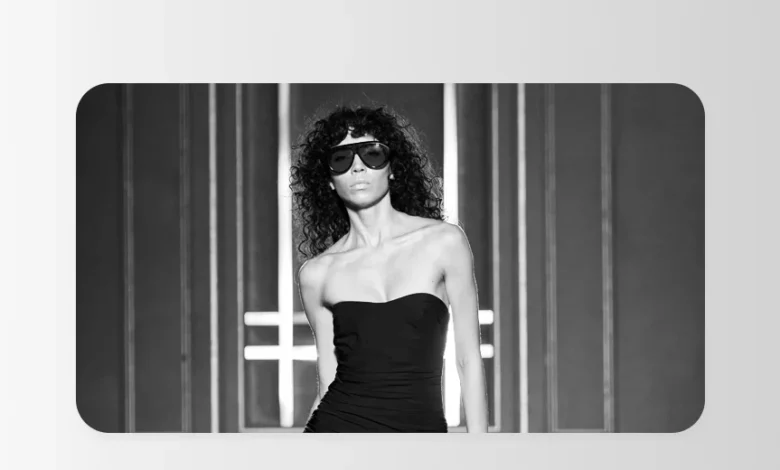
New York Fashion Week (NYFW) Spring 2027 concluded as a complex intersection of industry maturation, economic pragmatism, and high-stakes public relations challenges. As the global fashion landscape grapples with shifting consumer behaviors and the necessity of sustainable growth, the events of this season provided a definitive look at how designers and brands are repositioning themselves to remain relevant in a fluctuating economy. While the runway collections themselves leaned toward the wearable and the archival, the week was punctuated by significant geopolitical and interpersonal friction, most notably involving the leadership of the Council of Fashion Designers of America (CFDA).
The CFDA Leadership Crisis and the PETA Altercation
The most significant disruption of the week occurred on Sunday during the Cos showcase. A group of protesters affiliated with People for the Ethical Treatment of Animals (PETA) breached the perimeter of the runway, resulting in a physical confrontation between the demonstrators and Steven Kolb, the longtime CEO of the CFDA. The incident, which was captured by various attendees and subsequently circulated across social media platforms, created a immediate firestorm.
The irony of the situation was not lost on industry observers. This season marked the first official NYFW calendar to explicitly prohibit the inclusion of animal fur on the runway—a policy initiative that Kolb himself had championed during his tenure to align the organization with modern animal welfare standards. Following the incident, the CFDA board of directors confirmed that Kolb had been placed on administrative leave pending an internal investigation. In a brief statement issued shortly after the altercation, Kolb offered a formal apology, acknowledging that his actions did not reflect the professional standards expected of his office.
This event served as a catalyst for a broader conversation regarding the role of industry leadership in high-pressure environments. Analysts suggest that the incident underscored the mounting pressure on the CFDA to navigate an increasingly polarized cultural landscape where activist groups are targeting high-profile fashion events with greater frequency and technical sophistication.
The Pivot Toward Marketable Wearability
Beyond the headlines, the Spring 2027 collections signaled a distinct departure from the avant-garde excess that characterized the post-pandemic recovery era. Editors and retail buyers noted a shift toward "rational fashion"—garments designed for utility, longevity, and genuine wearability.
Data from the week indicated a significant reduction in "runway-only" pieces, which have historically served as brand marketing tools rather than commercial products. At shows like Campillo and Retrofête, the focus returned to core wardrobe staples, such as refined denim, oversized tailoring, and elevated basics. This shift is widely attributed to the current economic climate, where consumers are increasingly selective about their discretionary spending. Retail experts note that luxury brands are pivoting toward a "buy-now, wear-now" model, prioritizing pieces that integrate seamlessly into a consumer’s existing closet rather than demanding a complete stylistic overhaul.
The Archival Renaissance and Circularity
A recurring theme throughout the week was the integration of historical archives and vintage inventory into new collections. Brands such as Tanner Fletcher and Sanderlak made conscious efforts to highlight the longevity of their designs by pairing archival pieces with new seasonal offerings. This trend has been bolstered by the continued presence of eBay as a major sponsor and facilitator at NYFW.
By collaborating with designers like Willy Chavarria, who featured curated vintage pieces alongside new runway looks, the industry is tacitly acknowledging the growing importance of the secondary market. Recent industry reports suggest that the resale market is growing at a rate three times faster than the primary apparel market. By integrating pre-owned items into the runway narrative, designers are not only signaling their commitment to sustainability but are also mirroring the reality of how modern consumers—particularly Gen Z and Millennials—build their wardrobes.
Immersive Storytelling as a Competitive Strategy
As the digital landscape continues to fragment, designers are utilizing physical shows as high-concept storytelling vehicles. The traditional "walk and pose" format is increasingly being replaced by immersive experiences that offer deeper insight into the brand’s heritage and production processes.
Theory’s approach this season, which included live narration by the design team explaining the technical and aesthetic inspirations behind specific looks, exemplifies this shift. Other brands opted to host shows within their own design workshops or production facilities, stripping away the artificiality of a rented venue to provide a "behind-the-curtain" look at the craftsmanship involved. This trend is an attempt to foster brand loyalty through transparency. In an era where consumers demand to know the "why" and "how" behind a product, these immersive experiences serve to justify price points and reinforce the value of artisanal labor.
The Expansion of the Social Ecosystem
The social footprint of NYFW has expanded beyond the runway, with an unprecedented number of official afterparties and brand-led activations. While industry veterans often view the party circuit as tangential to the business of fashion, the events of Spring 2027 suggested that these gatherings serve a strategic function in the post-pandemic era.
Many of the most prominent events were hosted by international brands that have recently established a physical presence in New York. By embedding themselves in the local cultural scene, these brands are attempting to build long-term relationships with the city’s influential creative class. These activations often functioned as high-end networking hubs, bridging the gap between legacy fashion houses and the emerging cohort of influencers and content creators who drive digital engagement.
Enhancing the Guest Experience
Recognizing that the traditional fashion week format can be taxing for attendees, several brands introduced "extra-mile" hospitality elements. Coach’s 85th-anniversary celebration was cited as a benchmark for this shift, featuring an integrated culinary experience that moved beyond the typical cocktail hour. By incorporating lounge-style elements, curated food menus, and interactive displays—such as allowing editors to interact with product prototypes in a relaxed setting—brands are attempting to humanize the experience.
This shift toward hospitality is indicative of a broader attempt to maintain the exclusivity of the physical show while making it more engaging for the attendees. As brands compete for the limited time of global media and high-net-worth buyers, the ability to provide a memorable, comfortable, and meaningful experience has become as important as the collection itself.
Analysis of the Industry Trajectory
The 2027 Spring NYFW season serves as a microcosm for the fashion industry’s current state of flux. The juxtaposition of the CFDA’s internal crisis with the industry’s pivot toward practical, sustainable, and transparent business models suggests that fashion is entering a period of consolidation.
The push for accessibility is not merely a stylistic choice; it is a financial necessity driven by shifting consumer sentiment. Simultaneously, the integration of archival pieces reflects an industry that is finally aligning with the reality of circularity. As the dust settles from the week’s events, the implications for future seasons are clear: the focus will remain on authenticity, durability, and a deeper integration of the brand’s narrative into the lives of the consumer. The challenge for the CFDA and its leadership will be to regain institutional trust while steering an industry that is rapidly moving toward a more sober, grounded, and consumer-centric future.