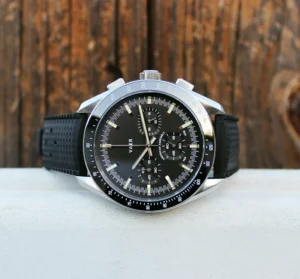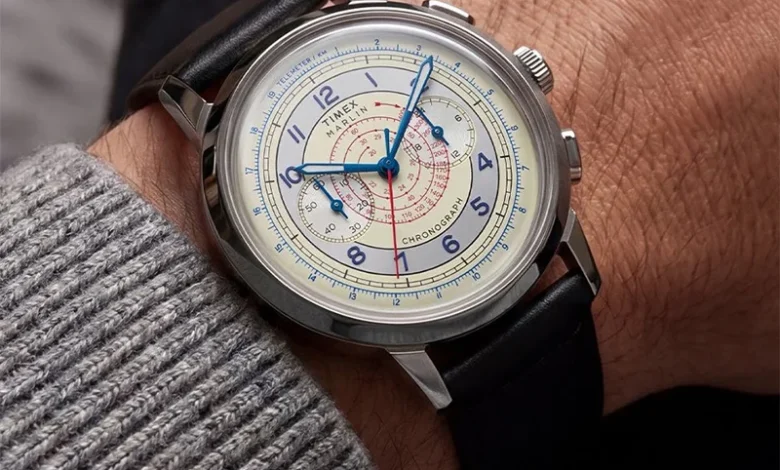
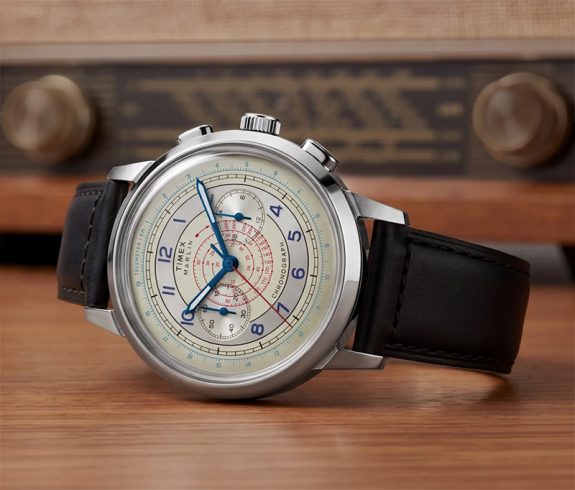
The Timex Marlin Neo Classic Chronograph 40mm has officially entered the market, signaling a continued strategic pivot for the heritage watchmaker as it leans further into mid-century design aesthetics. By blending the functional complexity of vintage-inspired telemetric and tachymetric scales with a contemporary 40mm case profile, Timex is positioning this release to bridge the gap between casual daily wearers and collectors interested in horological history. While the timepiece reflects a design language popularized in the 1930s and 1940s, its debut serves as a barometer for current consumer demand for "accessible vintage" styles that prioritize visual complexity over modern technical utility.
The Historical Context of Telemeter and Tachymeter Scales
To understand the aesthetic appeal of the Marlin Neo Classic, one must look at the historical utility of its dial features. During the mid-20th century, the chronograph was a critical tool for professionals. The tachymeter scale, typically found on the outer rim of the dial, allowed the wearer to calculate speed based on travel time over a known distance. Conversely, the telemeter scale was designed to measure the distance of an event that could be both seen and heard, most famously lightning strikes or artillery fire, by timing the interval between a visual flash and the subsequent acoustic arrival.
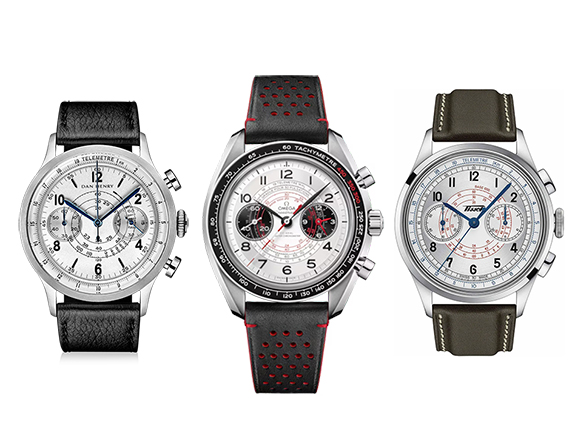
In the modern era, these functions have been rendered largely obsolete by digital technology and integrated GPS systems. However, their inclusion in the Marlin Neo Classic is a deliberate stylistic choice. The resurgence of these intricate scales, often referred to as "snail scales" when arranged in a spiral toward the center of the dial, represents a significant trend in contemporary watch design. Brands ranging from entry-level manufacturers like Dan Henry to luxury houses such as Omega and Tissot have reintroduced these features to evoke a sense of professional, tool-oriented heritage that resonates with modern buyers.
Technical Specifications and Engineering Choices
The Timex Marlin Neo Classic Chronograph 40mm is built with a specific set of parameters designed to balance presence on the wrist with wearability. The 40mm case diameter is widely considered the industry standard for versatile chronographs, avoiding the oversized proportions that often plague mid-range sports watches. At 13mm in thickness, the watch maintains a profile that is relatively slim for a chronograph, though it remains a presence under a standard dress shirt cuff.
A notable feature of the build is the use of an acrylic crystal. While sapphire crystal has become the industry standard for scratch resistance, Timex’s choice of acrylic serves two purposes: it reinforces the authentic vintage aesthetic—as acrylic was the standard material for watch faces during the mid-20th century—and it allows for a more pronounced, "domed" visual effect that sapphire cannot easily replicate at this price point. Prospective owners should note that acrylic is susceptible to surface-level abrasions, though these can often be buffed out with specialized polishing compounds, maintaining the watch’s longevity through maintenance rather than passive durability.
The integration of 20mm quick-release spring bars demonstrates an awareness of modern consumer habits. By adopting a standard lug width, Timex allows users to easily swap the provided black leather strap for aftermarket alternatives, such as brown leather or nylon, without the need for specialized tools. This customization potential is increasingly demanded by the enthusiast community, and its inclusion suggests that Timex is prioritizing user-led modularity in its latest product cycle.
Market Positioning and Competitive Landscape
The release of the Marlin Neo Classic follows the recent launch of the Timex 1976 Lexington Reissue, which saw significant market traction. While the Lexington tapped into the "square watch" trend, the Marlin Neo Classic addresses the demand for the sophisticated, multi-scale chronograph.
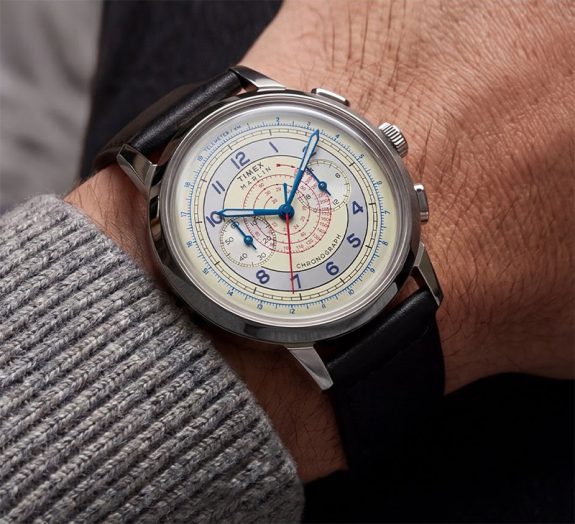
When compared to its competition, the Marlin occupies a unique space. At its current price point, it provides the visual complexity of high-end chronographs—such as the Omega Speedmaster Chronoscope, which retails for over $10,000—without the associated manufacturing costs of mechanical movements. This is achieved through the use of a reliable quartz movement, which offers precision and lower maintenance costs compared to automatic or manual-wind calibers. For the casual consumer or the novice collector, this represents a significant value proposition: the ability to own a timepiece that mirrors the design language of horological icons at a fraction of the cost.
Chronology of Recent Timex Releases
The strategic deployment of the Marlin Neo Classic is part of a broader, accelerated release schedule for the Timex Group. Over the past 18 months, the company has focused on reviving specific design archives:
- Early 2025: Strategic review of the Marlin line, focusing on mid-century aesthetics.
- August 2026: Launch of the Timex 1976 Lexington Reissue, focusing on rectangular geometry and retro-modern styling.
- September 2026: Official release of the Marlin Neo Classic Chronograph, marking a transition toward more complex, multi-functional chronograph layouts.
This cadence indicates a shift from broad-market digital watches toward a segmented approach, where specific collections are tailored to niche sub-groups of watch enthusiasts. By leveraging the "Marlin" name—one of the company’s most storied trademarks—Timex is signaling that these releases are intended to maintain the brand’s reputation for quality and history, even as they utilize modern, cost-effective manufacturing techniques.
Broader Impact and Industry Implications
The introduction of the Marlin Neo Classic underscores a larger industry trend: the "democratization of design." As luxury brands continue to push their price points into higher tiers, manufacturers like Timex are capturing the "aspirational" market. The inclusion of telemetric and tachymetric scales, which require precise printing and dial layout, shows that the company is willing to invest in high-quality dial execution to maintain a competitive edge.
Furthermore, the decision to maintain a 40mm case size across this product line reflects a correction in the watch market. Following the "oversized" era of the 2000s and 2010s, where 44mm and 46mm watches were common, the industry has seen a clear pivot toward smaller, more refined proportions. Timex’s commitment to the 40mm standard suggests they are closely tracking consumer sentiment and physical ergonomics in their design process.
Future Availability and Sales Strategy
Industry analysts suggest that the model is unlikely to see the rapid sell-out cycles experienced by limited-edition releases, given its position as a core collection piece. As with previous Timex models, the Marlin Neo Classic will likely remain at its full retail price during the initial launch phase.
However, market observers anticipate that the watch will eventually be integrated into the company’s seasonal promotional strategy, which often includes 20% to 30% discounts during major retail holidays. For those waiting for potential gray-market availability, the outlook remains uncertain; while some Timex models eventually reach secondary retailers, the consistent demand for the Marlin sub-brand suggests that supply may remain concentrated within official channels for the foreseeable future.
In summary, the Timex Marlin Neo Classic Chronograph 40mm is a calculated effort to blend historical complexity with modern convenience. By focusing on the details that defined the chronographs of the 20th century—the snail scales, the domed crystal, and the balanced proportions—Timex has successfully created a product that feels both nostalgic and functional. Whether or not it achieves the same cult status as the 1976 Lexington remains to be seen, but it provides a compelling entry point for those seeking the aesthetic of a classic tool watch without the barrier to entry of the luxury segment. As the brand continues to refine its "neo-classic" offerings, it is clear that the company is successfully leveraging its archives to appeal to a new generation of collectors.
Related posts: