The Definitive Guide to Men’s Autumn Style: Essential Wardrobe Shifts and Investment Pieces for the Transitional Season

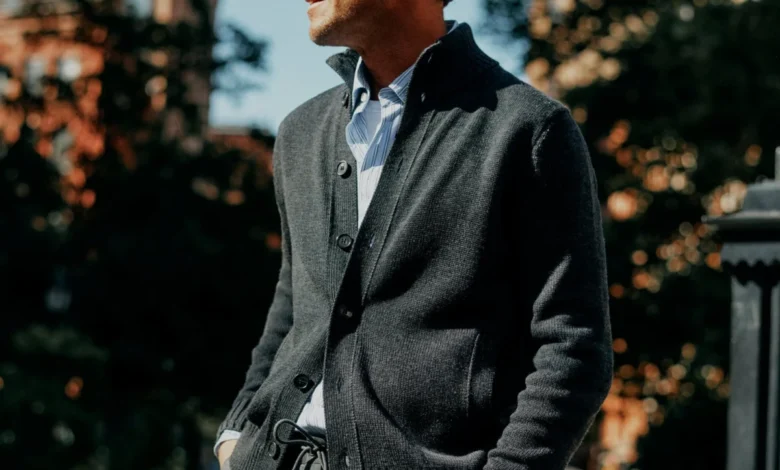
The seasonal transition from summer to autumn arrives not with a gradual decline in temperatures, but with a sudden meteorological shift, precipitated by the year’s first heavy downpour. As humidity yields to crisp morning air and erratic precipitation, the contemporary menswear paradigm undergoes a systematic overhaul. Lightweight linen and breathable cottons cede prominence to heavy-gauge cashmeres, supple leathers, tactile suedes, and reinforced denims. Navigating this mercurial climate requires a calculated approach to layering and fabric selection that bridges the gap between early-season comfort and deep-winter insulation.
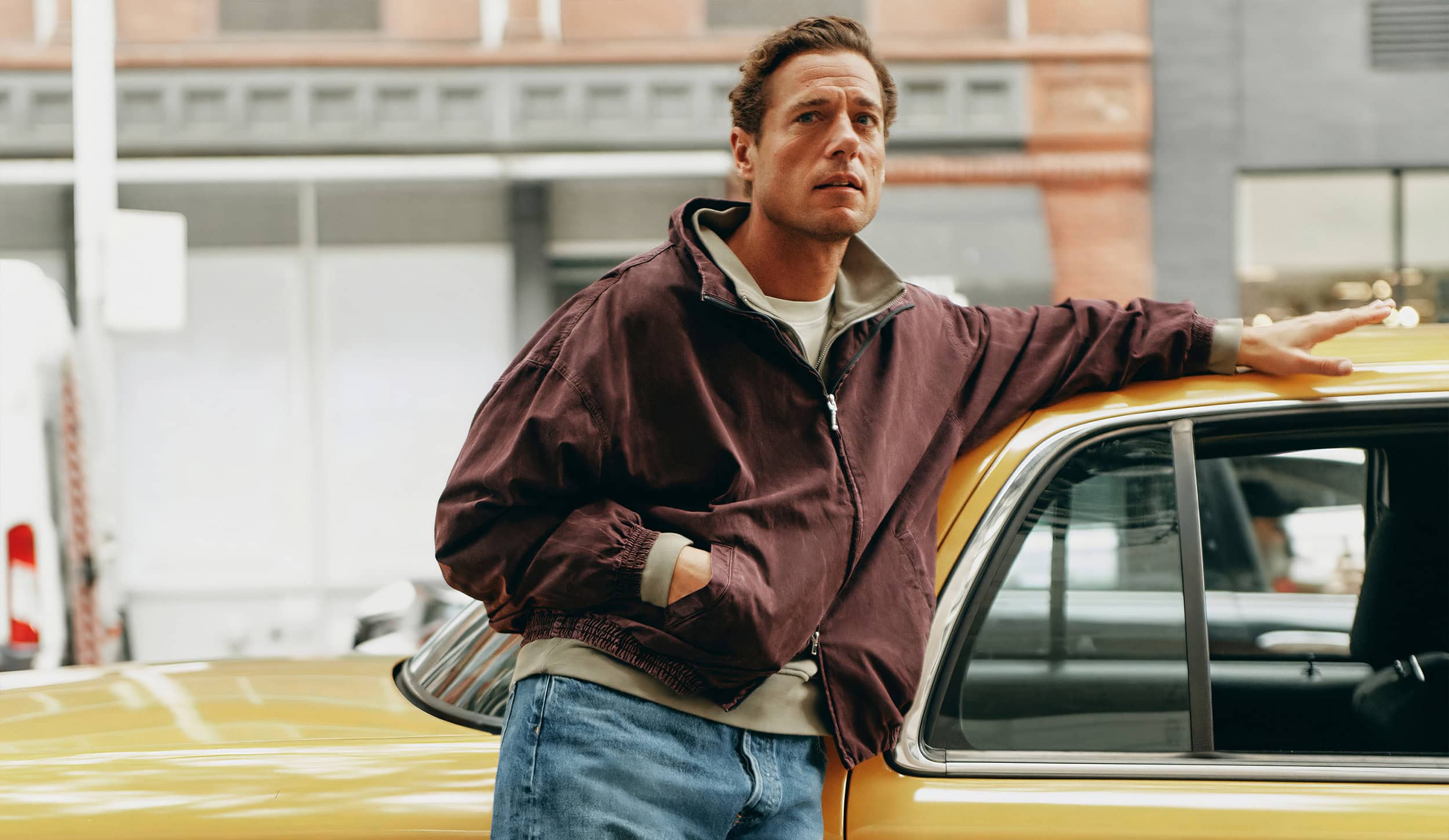
To establish a resilient autumn wardrobe that balances utility with enduring style, industry authorities and high-end retailers, including a recent curated edit by luxury platform MR PORTER, emphasize twelve foundational categories encompassing twenty-four critical garments. These selections are engineered not merely for temporary seasonal wear, but to function as versatile pillars capable of enduring years of sustained rotation.
The Evolution of Outerwear: Balancing Silhouette and Substance
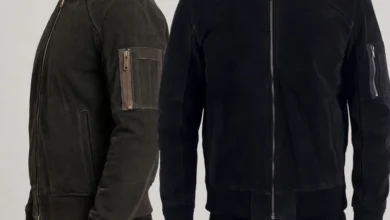
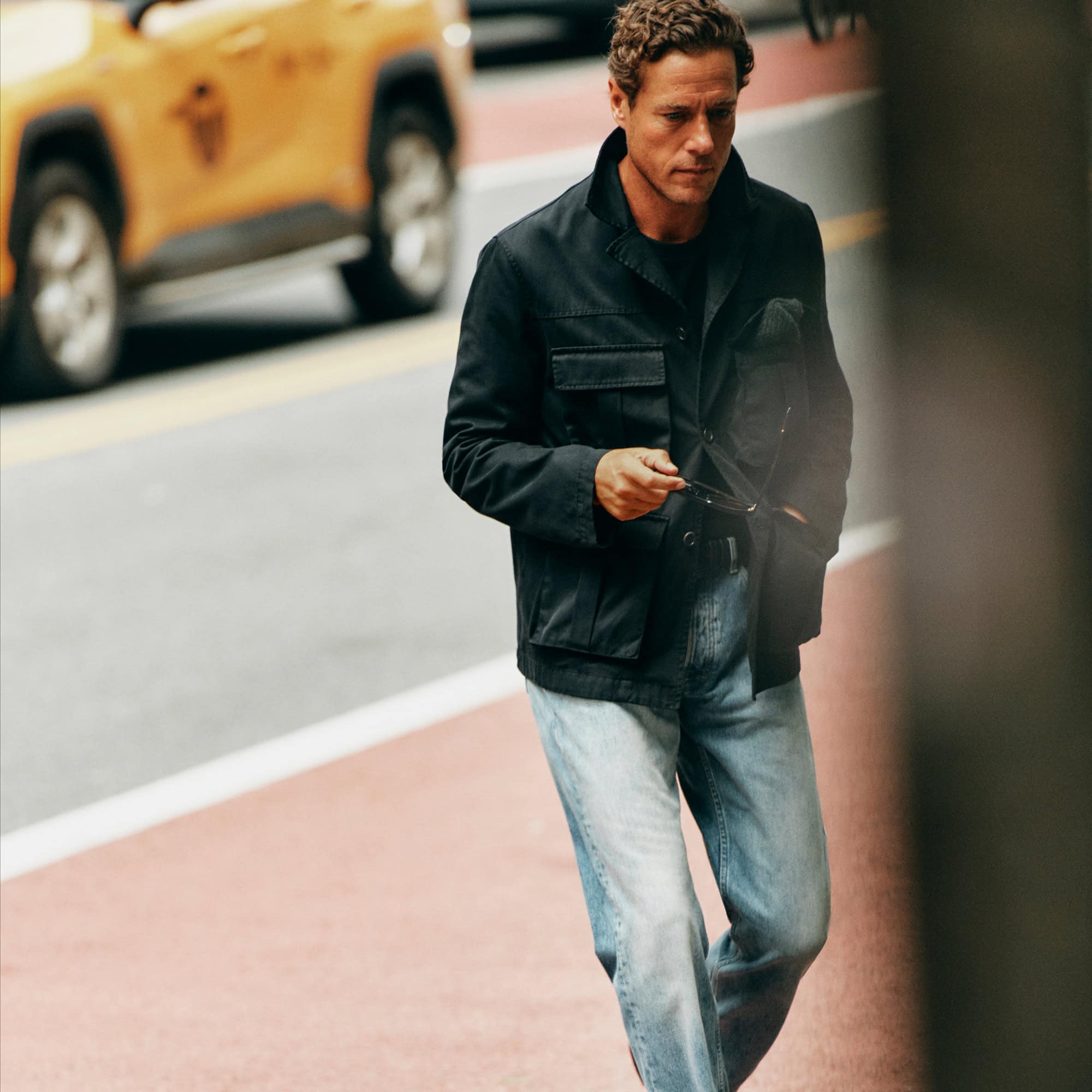
Outerwear represents the most significant financial commitment in a gentleman’s cold-weather inventory, necessitating a dual-phase acquisition strategy. In the nascent weeks of autumn, when temperatures remain mild yet unpredictable, the focus rests on short, boxy silhouettes with sufficient internal volume to accommodate heavy knitwear. Cotton field jackets, technical outerwear, suede blousons, and classic bombers dominate this phase. As autumn deepens into sustained frost, the wardrobe demands structural reinforcement, steering the consumer toward wool and cashmere tailored overcoats.
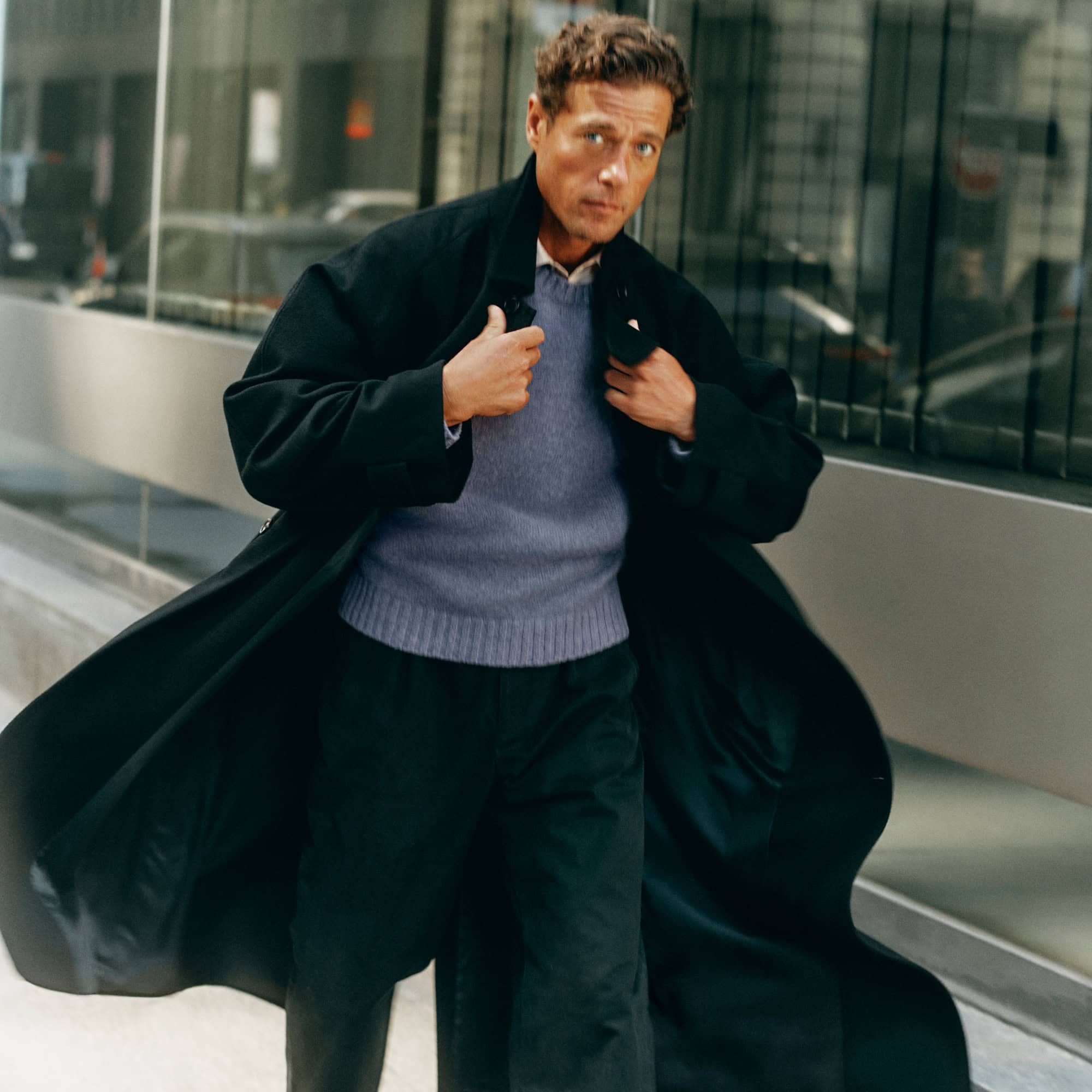
Among the standout pieces for the upcoming season is the brushed-cashmere coat by Casey Casey. Characterized by an intentional oversized design and a slightly padded, teddy-bear-like finish, the garment incorporates dropped shoulders—a contemporary architectural detail that modernizes minimalist outerwear. Designed to be worn over bold knitwear rather than traditional tailoring, the coat functions as a complete outfit in its own right.
Conversely, the double-breasted peacoat remains a benchmark of unchanging outerwear engineering. Slowear’s Montedoro wool-blend rendition exemplifies top-tier craftsmanship, utilizing wide notch lapels to frame a structured, rugged-yet-tailored profile engineered to withstand six months of harsh conditions.
Jackets for Transitional Versatility
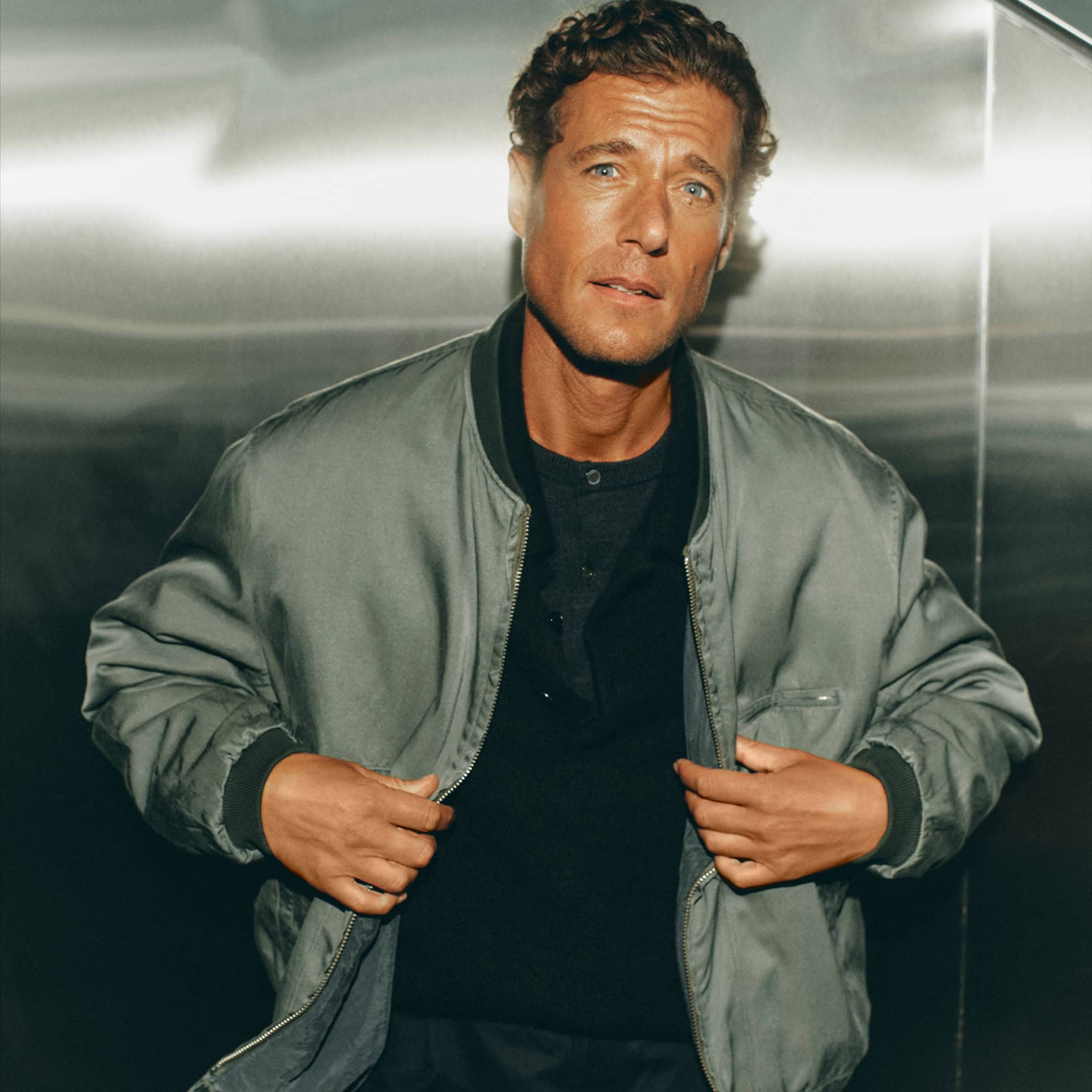
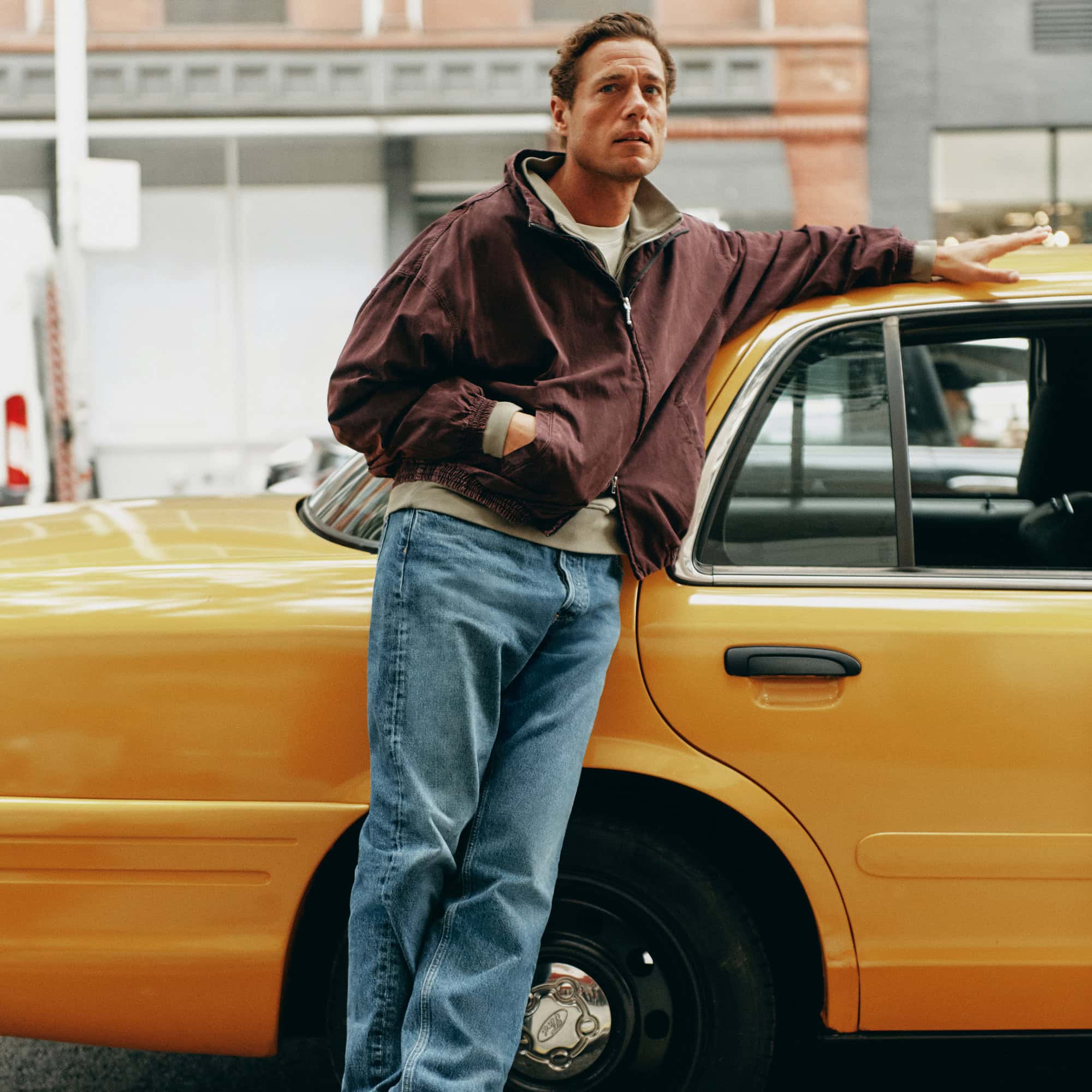
While coats are defined by scale and silhouette, autumn jackets prioritize versatility, allowing a transitional wardrobe to adapt dynamically to shifting weather patterns. Spanning bombers, blousons, and technical nylon shells, these garments offer high utility before heavy coats become mandatory.
Japanese craftsmanship takes center stage in A.Presse’s Detroit cotton-and-silk-blend jacket. Lined with pure silk to glide effortlessly over sweatshirts without adding unwanted bulk, the jacket provides early-season warmth while maintaining an understated, James Dean-esque restraint. For off-duty utility, Stone Island’s hooded shell jacket utilizes garment-dyed stretch nylon. Engineered to fold compactly into its own integrated pocket the moment rain subsides, the piece serves as a modern classic for unpredictable weather forecasts.
Knitwear: The Mechanics of Gauge and Texture
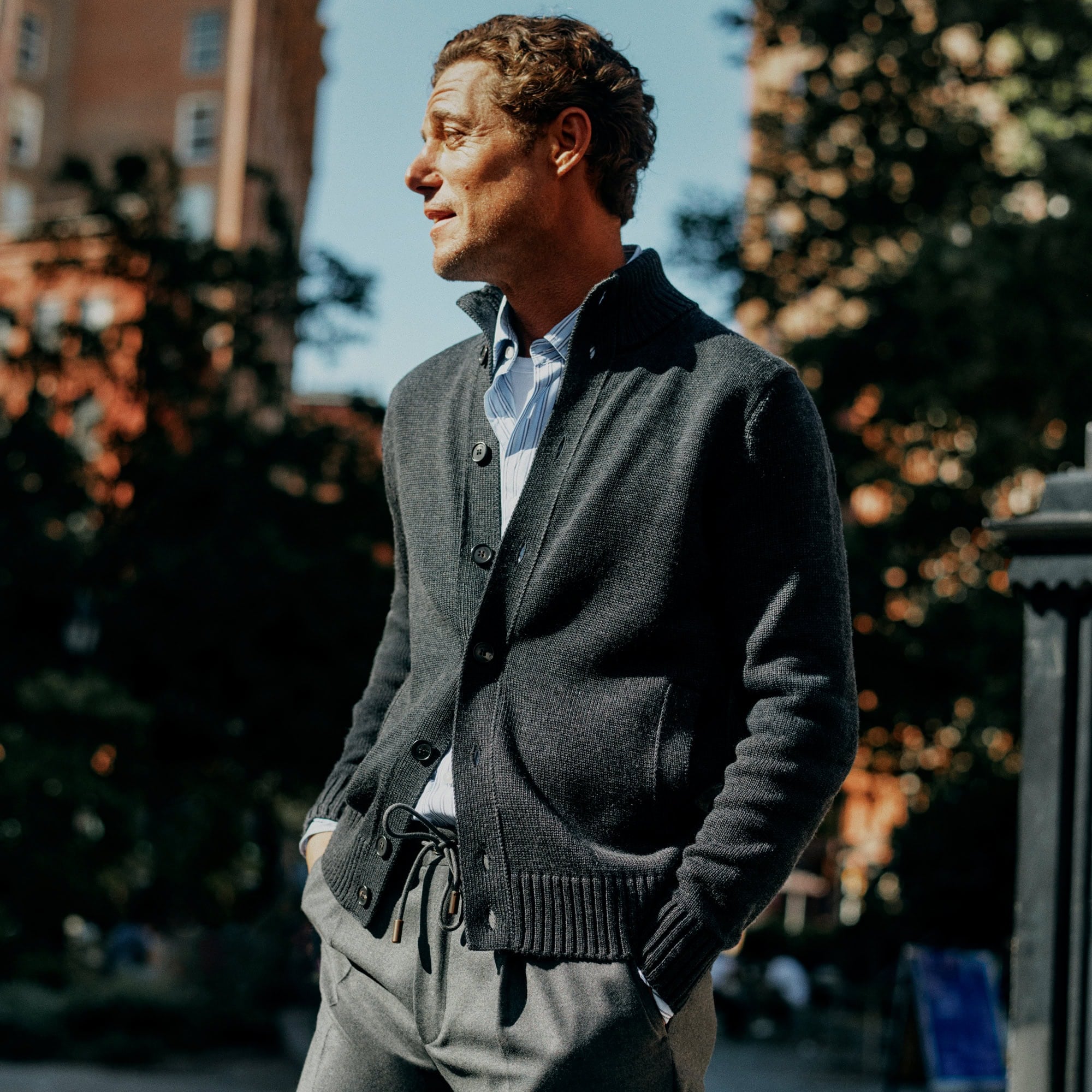
Knitwear selection during autumn hinges entirely on garment gauge. Fine-gauge knits slide seamlessly under tailored jackets without adding bulk, while heavy, textured weaves serve as primary outer layers during brisk September afternoons.
God’s True Cashmere, founded by artist Sat Hari and actor Brad Pitt, offers a 100-percent cashmere hoodie that elevates loungewear into luxury territory by replacing the conventional crew neck with a relaxed hood. The piece transitions effortlessly from distressed denim to boxy tailored blazers. Meanwhile, Sunspel’s cashmere half-zip sweater taps into the ongoing cultural renaissance of preppy sportswear. Knitted from Grade A, 15.5-micron cashmere fibers, the garment provides exceptional softness and an adaptable collar construction suitable for business-casual layering over tailored shirts.
Shirts and Overshirts as Structural Layers
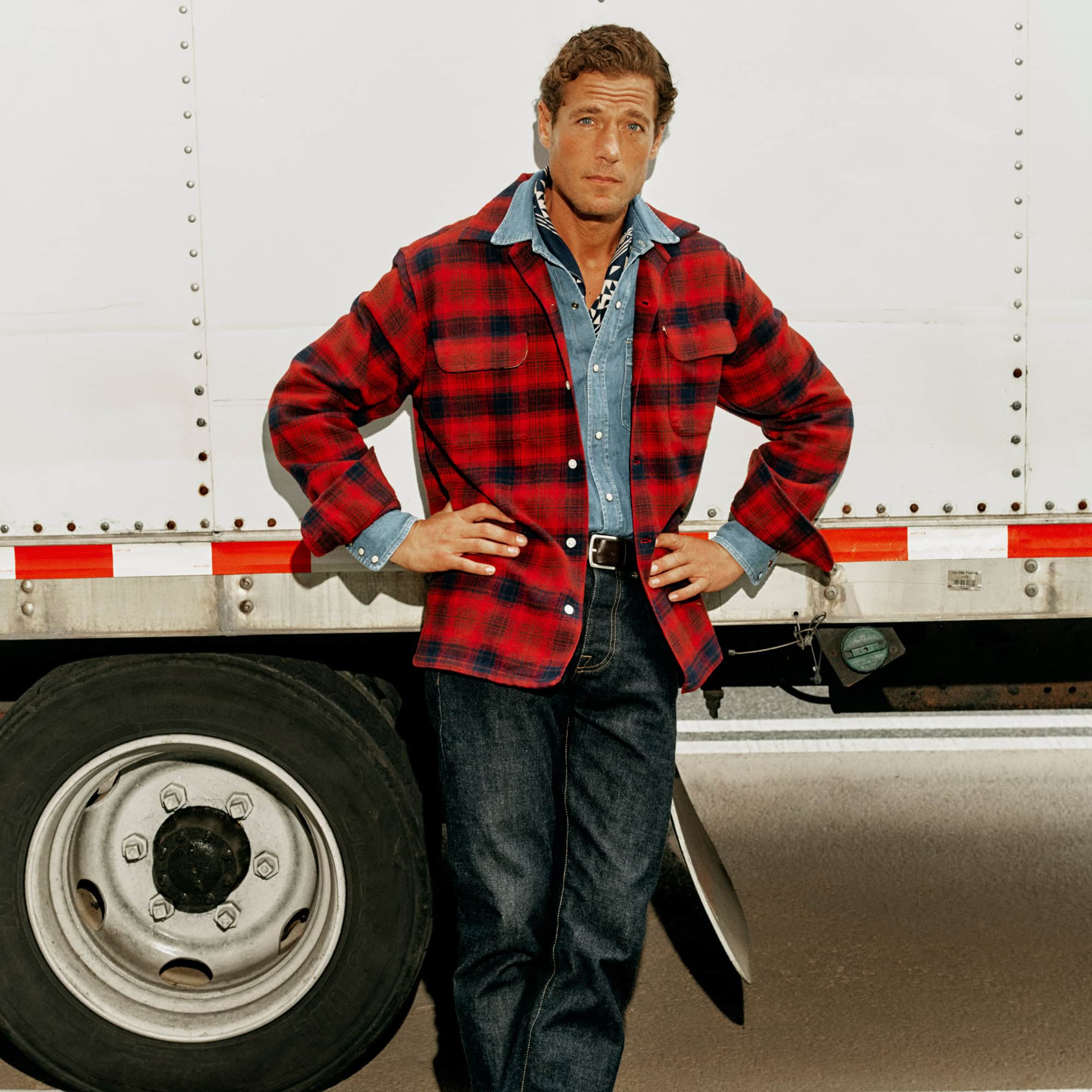
Standard office poplin loses its sartorial utility by October, replaced by brushed cottons, dense flannels, and rugged overshirts. Distinguished by heavier cuts designed to function as independent jackets rather than base layers, autumn shirts rely on soft-rolling spread collars and tactile fabric blends.
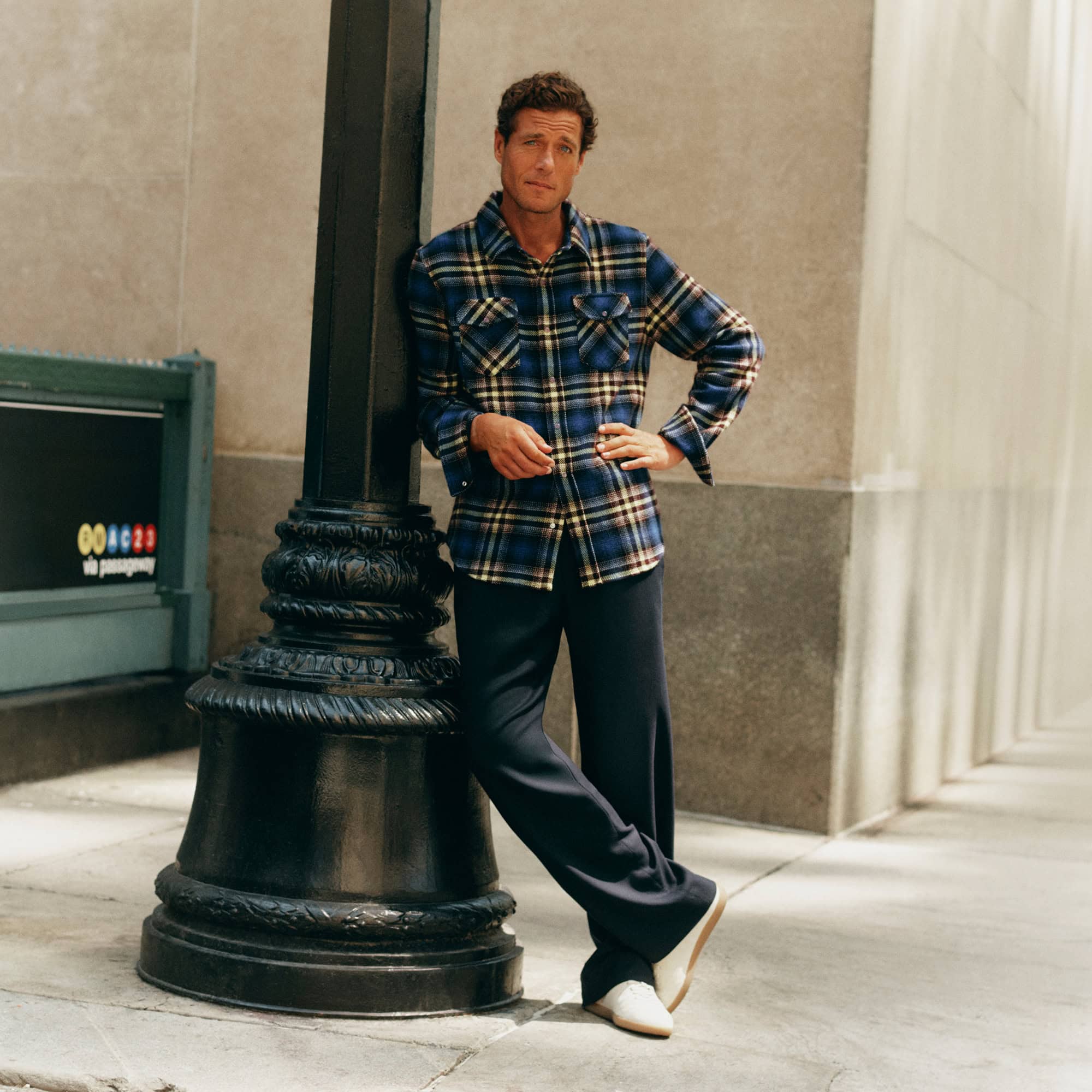
NN07’s Colby shirt, constructed from an organic cotton-and-hemp blend, balances weekend casualness with workwear durability through dual chest pockets, enabling it to transition seamlessly into an early-autumn overshirt. For elevated sophistication, Gabriela Hearst’s Italian-made wool-and-cashmere flannel shirt offers a fuzzy, tactile finish that functions as a lightweight jacket when layered over a basic tee.
Elevated Sweats and Base Layers
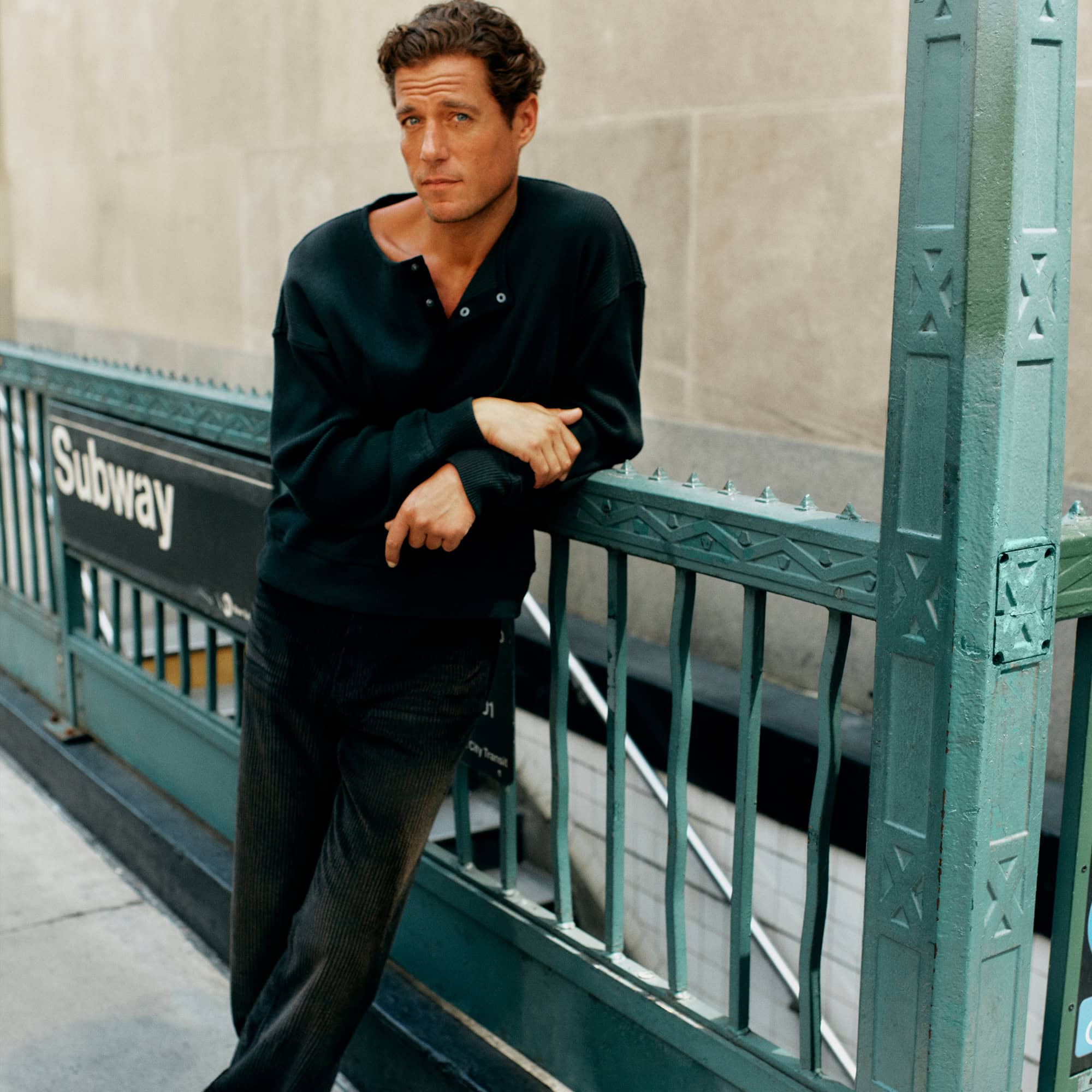
Sweatshirts and hoodies constitute the most frequently worn garments of the season, yet consumer choices are too often driven by prominent logos rather than material substance. High-performance autumn sweats prioritize heavy-gauge cotton jersey that retains structural integrity and resists sagging over time.
A.Presse addresses this with a substantial cotton-jersey sweatshirt featuring raglan sleeves, which enhance comfort and create the optical illusion of broader shoulders. For dynamic layering, Les Tien’s garment-dyed cotton-jersey zip-up hoodie provides unique color saturation and exceptional softness, making it an ideal companion beneath a technical bomber or field jacket.
In the realm of base layers, T-shirts transition from primary summer garments to textural elements that provide subtle contrast beneath heavier layers. Our Legacy’s long-sleeve cotton-jersey graphic tee brings a distinct edge when paired with wide-leg wool trousers, while God’s True Cashmere offers a peerless baseline luxury tee featuring genuine emerald gemstones set into the hem slits.
Denim and Trousers: Weight, Weave, and Tailoring
Denim weight remains a critical yet frequently overlooked specification in menswear, dictating both the break-in period and the long-term durability of the garment. Heavy, raw Japanese selvedge denim requires patience to soften but ultimately molds to the wearer’s physique, whereas pre-washed options offer immediate comfort. Adon’s straight-leg distressed jeans provide a worn-in aesthetic for weekend wear, while all-black Italian selvedge denim delivers the rigidity of raw fabric without high-contrast fading, making it a natural pairing for dark knitwear and loafers.
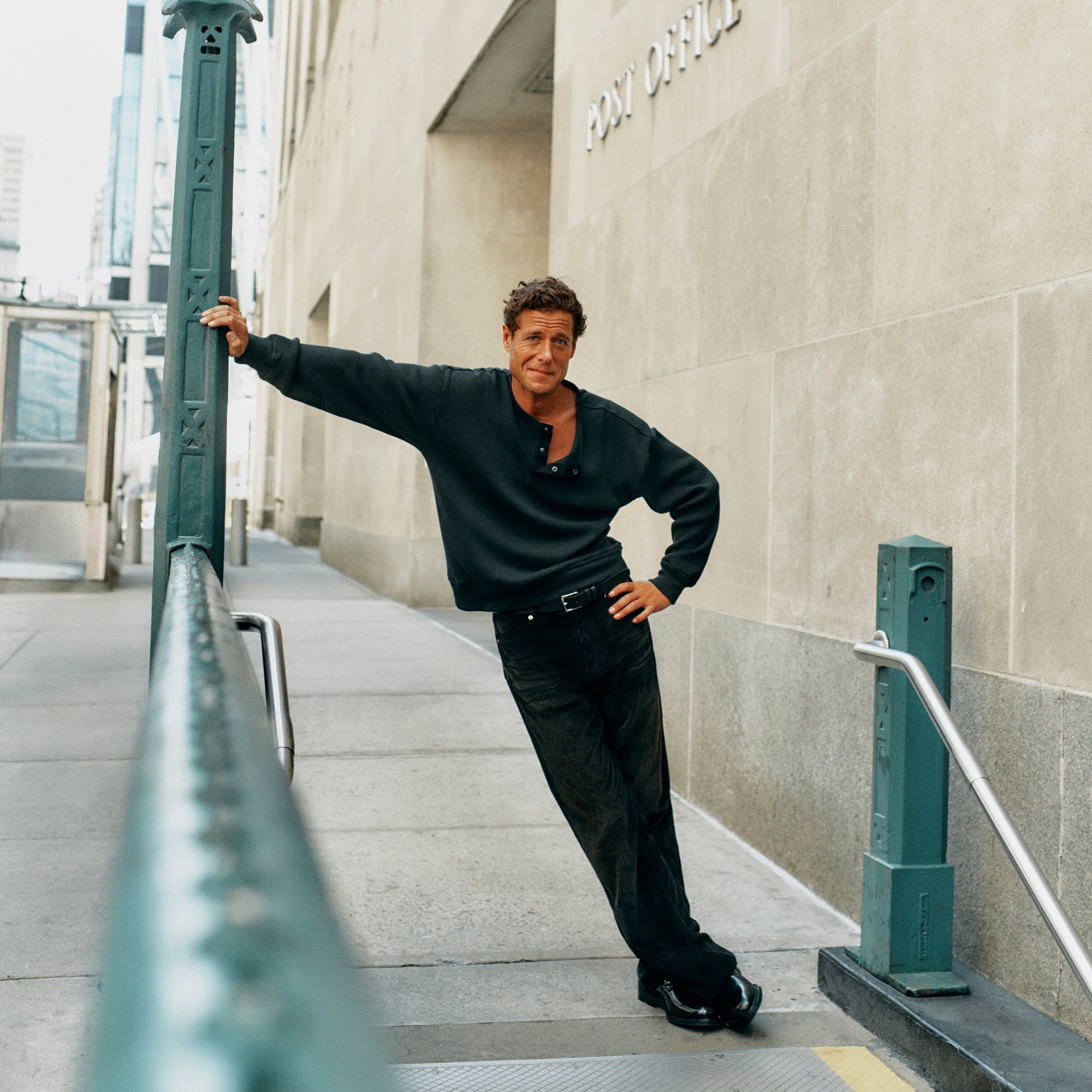
Below the waist, autumn trousers move decisively away from linen and lightweight cottons. Hartford’s corduroy straight-leg "Joggy" trousers integrate an elasticated drawstring waist to bridge preppy aesthetics with rugged utility, whereas Kaptain Sunshine’s double-pleated wool trousers offer a contemporary interpretation of traditional tailoring, pairing naturally with chunky sneakers or minimalist loafers.
Footwear: Navigating Suede, Leather, and Wet Pavements
Footwear demands a strategic pivot away from canvas and delicate summer leathers toward moisture-resistant constructions. Suede, while sensitive to moisture, remains entirely viable provided it is treated with a protective waterproofing spray and dried away from direct heat sources.

In the sneaker category, Tod’s leather-trimmed suede retro-runners offer a hybrid aesthetic suited for both smart and casual autumn wardrobes. For adverse weather, Zegna’s galosh-inspired slip-on sneakers incorporate a Vibram Arctic Grip sole borrowed from mountaineering gear, delivering exceptional traction on wet urban stone while maintaining a sleek profile when paired with tailored wool trousers.
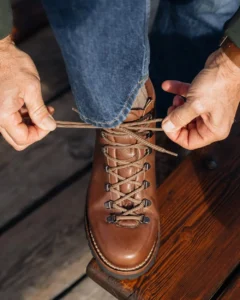
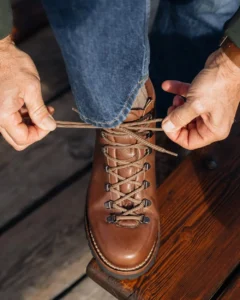
For boots, durability dictates investment. John Lobb’s Goodyear-welted suede Chelsea boots require 190 meticulous manufacturing steps and are engineered to be resoled over decades of wear. For severe weather, Our Legacy’s Kevlar-reinforced leather boots featuring lugged Vibram soles provide uncompromising weather resistance, pairing naturally with loose-proportion denim and wide-leg trousers.
Loafers similarly transition into heavier territory. Lemaire’s minimalist leather loafers offer a clean, unadorned silhouette for formal tailoring, while Visvim’s vegetable-tanned, hand-sewn "Fabro-Folk" leather loafers utilize a Goodyear-welted construction to anchor rugged weekend wear.
Accessories: Investment Bags for the Long Haul
Bags crafted from premium leather and suede operate independently of fast-moving seasonal trends, developing a rich patina over years of use. Métier’s "Nomad All Day" suede weekend bag, a luxury platform exclusive, combines functional internal organization with passport and card slots designed for autumn travel. Alternatively, Visvim’s CORDURA® nylon backpack with French leather trims offers high technical utility and a bold pop of color against muted seasonal outerwear.
Ultimately, constructing a functional autumn wardrobe requires a deliberate shift toward quality fabrics, structural layering, and foundational pieces designed to endure climatic shifts for years to come.
Related posts: