P&G Beauty Brand Ouai Embraces Cinematic Long-Form Video and Slasher-Comedy Marketing to Combat AI Content Fatigue

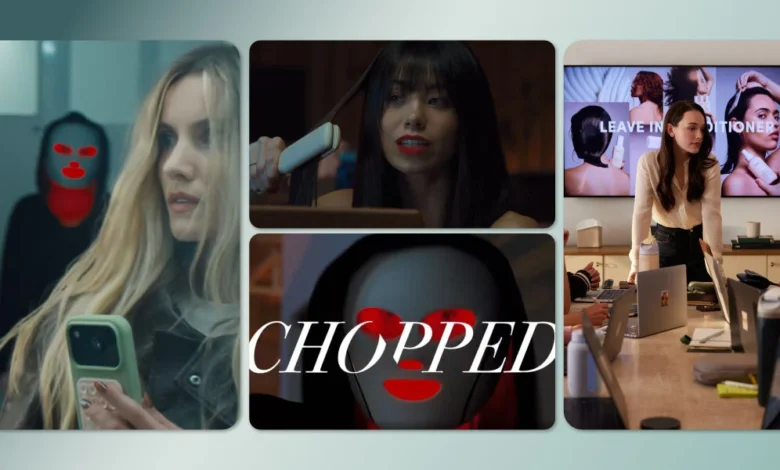
The modern digital marketing landscape is undergoing a profound structural shift. As generative artificial intelligence floods social media feeds with synthetic, frictionless, and often uncanny imagery, consumer trust in digital advertising has plummeted. In response to this era of digital saturation, beauty brands are rethinking their creative strategies. Among them is Ouai, the prestige hair care brand owned by Procter & Gamble (P&G), which has made a substantial investment in long-form, cinematic storytelling with the release of a three-part slasher-comedy web series titled Chopped.
The project, which represents a deliberate departure from the standard, hyper-compressed social media advertising playbook, signals a broader industry pivot back to high-production-value craftsmanship, human-driven narratives, and premium cinematic experiences.
Anatomy of a Prestige Campaign: Behind the Scenes of Chopped
Chopped is far from a standard, fleeting Halloween promotional stunt. The conception, production, and execution of the three-part digital series spanned nearly a full year of development. Rather than treating the campaign as disposable social media filler, the Ouai team approached it with the same creative rigor, reverence, and technical precision typically reserved for a Hollywood feature film trailer.
Directed by Fidel Ruiz-Healy, the series was shot on location inside Ouai’s corporate headquarters in Los Angeles, transforming familiar office spaces into the eerie backdrop of a horror-comedy narrative. To elevate the project further, the brand secured acclaimed actress Victoria Pedretti—widely recognized for her standout performances in Netflix’s psychological thriller series You and the supernatural horror anthology The Haunting of Hill House—to lead the cast. From the calibrated cinematography and professional lighting to the original score and nuanced comedic timing, every frame of Chopped was meticulously engineered to blur the line between entertainment and brand marketing.
The episodes, each running between two and three minutes in length, weave subtle product placements and campaign messages for Ouai’s Bond Repair Balm and Leave-In Conditioner into the storyline. Cleverly tapping into contemporary internet culture, the series incorporates social media-adjacent tropes such as "blonde blindness" and introduces a distinct antagonist sporting a red light therapy mask, marrying modern beauty culture with classic slasher tropes.
The Antidote to AI Slop: Why Prestige Brands Are Returning to Hi-Fi Storytelling
The timing of Ouai’s cinematic pivot is no coincidence. According to Amanda Martinez, Vice President of Brand Marketing at Ouai, the project serves as a direct antidote to what industry insiders refer to as "AI slop"—the wave of automated, low-trust content currently congesting digital platforms.
"We took this very seriously," Martinez explained in an interview with trade publication Glossy. "With the rise of AI, people are craving really creative, really authentic content, and they’re willing to engage, whether that’s with lo-fi or hi-fi content, but they just don’t want things they can’t trust."
To understand the weight of this strategic shift, industry observers must examine the evolution of digital beauty marketing over the past decade. When Martinez joined Ouai a decade ago, the prestige beauty market was defined by polished, high-fidelity (hi-fi) content produced exclusively by luxury houses. However, as consumers grew fatigued by over-processed imagery, the pendulum swung rapidly in the opposite direction. Brands rushed to embrace lo-fi marketing, ushering in an era of behind-the-scenes (BTS) clips, raw smartphone footage, and scrappy user-generated content (UGC). For many years, this authentic, unpolished approach yielded superior performance and engagement metrics.
Now, however, the proliferation of generative AI tools has democratized the creation of hyper-realistic, synthetic media. Because AI can effortlessly manufacture polished visuals, pristine polish has lost its inherent signal of quality and value. Consequently, the digital pendulum is swinging back once more—this time toward undeniable human craftsmanship, high production values, and narrative depth as the ultimate markers of authenticity.
"Trust comes from humans," Martinez noted, emphasizing that consumers are naturally drawn to storytelling where they can perceive real human effort, creativity, and intent behind the lens.
Industry Precedents and the Macro Shift in Luxury Marketing
Ouai is not alone in recognizing the urgent need to course-correct away from synthetic transparency. Across the luxury and consumer goods sectors, major brands are recalibrating their creative outputs to signal human artistry and combat consumer skepticism.
A prominent example cited by industry leaders is Prada’s recent holiday marketing campaign. Facing severe consumer and critical pushback after utilizing an AI-generated campaign for its spring-summer collection, Prada reversed course by commissioning traditional, hand-done illustrations for its holiday push. To ensure the highest level of human craftsmanship, the luxury fashion house enlisted a veteran Disney animator to spearhead the project, directly addressing public feedback and reaffirming its commitment to tangible artistry.
Similarly, other legacy brands within the Procter & Gamble portfolio are leaning deeper into long-form, character-driven narratives that leverage nostalgia and authentic human relationships. In mid-October, P&G’s Pantene Pro-V rolled out a humorous "man on the street" documentary-style series starring actor John Stamos. Stamos, who famously served as a brand ambassador for Pantene in the 1990s, anchors the campaign in a nostalgic exploration of hair longevity. Rooted in humorous flashbacks to his iconic television commercials from three decades ago—where his hair density and hairline appear remarkably unchanged—the campaign uses self-aware humor and long-form pacing to establish deep consumer trust.
Meta’s Long-Form Pivot and Platform Evolution
The timing of Ouai’s cinematic rollout coincides with major structural updates across social media platforms designed to accommodate and monetize long-form video content. On Monday, technology conglomerate Meta unveiled a beta test rollout of 90-minute Reels, officially branded as "Features." This new capability enables select creators—primarily podcasters, comedians, and narrative filmmakers—to upload extended, premium video content directly to Instagram.
The strategic move by Meta serves as a critical indicator of where platform ecosystems are heading. For years, digital marketers faced a fragmented viewing journey: long-form cinematic or episodic content was typically housed on YouTube, while short-form clips were used merely as promotional teasers on Instagram and TikTok, requiring users to navigate away from the platform to watch the full piece. Meta’s introduction of Features is an aggressive bid to recapture long-form video viewership, keeping audiences inside the application ecosystem for extended periods.
Recognizing the implications of this feature, Martinez and her team at Ouai immediately positioned themselves at the forefront of the platform shift. Attending a Meta-hosted webinar shortly after the announcement, Martinez wasted no time exploring how the brand could deploy its existing cinematic assets within the new framework.
"Right now, if there’s long-form content, you’re seeing the clips hit YouTube or TikTok or Instagram, but you have to leave the platform to watch it," Martinez observed. "They’re wanting to recapture that long-form content viewership."
When asked about Ouai’s plans for Meta’s 90-minute Features beta, Martinez confirmed that the brand is ready to deploy. "We’re certainly going to try it," she said, noting that she had already contacted platform representatives to expedite access. "I’ve already emailed our contact and was like, ‘How do we get it faster?’ We have the content ready to go."
Chronology and Distribution Strategy
The rollout of Chopped followed a carefully timed multi-platform distribution strategy designed to maximize reach across both digital video ecosystems and social media networks.
- Development and Production Phase (Late 2023 – Late 2024): Ouai conceptualizes a long-form slasher-comedy web series, partnering with director Fidel Ruiz-Healy and securing actress Victoria Pedretti. Production takes place inside Ouai’s Los Angeles corporate offices over nearly a year.
- Mid-October 2024: P&G sister brand Pantene Pro-V launches its nostalgia-driven campaign featuring John Stamos, signaling an enterprise-wide push toward narrative-heavy, personality-led marketing.
- Monday: Meta announces its beta test rollout of 90-minute Reels ("Features") on Instagram, signaling a platform-wide push to capture extended video engagement.
- Wednesday: Ouai brand marketing executives attend Meta webinars to align distribution strategies with upcoming platform capabilities.
- Mid-Week Launch: Ouai officially debuts the three-part Chopped series across Instagram and YouTube. The episodes are specifically formatted in dual orientations to optimize viewing across both horizontal cinematic screens and vertical mobile feeds.
Implications for the Future of Beauty Marketing
The launch of Chopped and the corresponding industry trends point toward a fascinating evolution in how beauty brands will communicate with consumers in the latter half of the 2020s. While short-form video will undoubtedly remain a staple of performance marketing and direct-to-consumer sales funnels, the novelty of unpolished, low-effort content has diminished.
As generative AI makes the production of mediocre visual content nearly instantaneous and cost-free, the true currency of modern marketing has become demonstrated human effort. By investing in cinematic production values, hiring recognizable Hollywood talent, and adopting episodic storytelling formats, brands like Ouai are redefining brand equity. They are betting that consumers do not just want to be sold a product; they want to be entertained, respected, and engaged through narratives that reflect genuine artistic collaboration.
As social media platforms like Instagram adapt to host longer, high-definition viewing experiences, the barrier between traditional entertainment and digital commerce will continue to dissolve. Ouai’s aggressive embrace of the slasher-comedy genre demonstrates that in an age of automated replication, the most disruptive thing a beauty brand can do is tell a genuinely compelling story.
Related posts: