Life Time Plants a Flag in Entertainment With the Launch of Expansive Social Programming

The intersection of fitness, community, and commercial entertainment has entered a transformative era as traditional brick-and-mortar gym chains fundamentally redefine their core value propositions. For decades, large-scale fitness clubs operated on a transactional model: members paid monthly dues in exchange for access to weight rooms, cardio equipment, locker facilities, and scheduled group fitness classes. However, shifting consumer priorities, accelerated by post-pandemic cultural changes and an intensifying epidemic of social isolation, have forced operators to rethink their environments. Today, fitness consumers—particularly affluent demographics with discretionary income—are no longer merely seeking a place to exercise; they are actively searching for third spaces that foster deep human connection, cultural engagement, and holistic lifestyle experiences.
This strategic evolution is currently being spearheaded by Life Time, a prominent Minnesota-based luxury athletic resort and gym chain founded in 1992. Recognizing that its members increasingly view its facilities as social hubs rather than utilitarian workout spaces, the company has announced the formal rollout of LT Social. This expansive entertainment programming initiative is designed to integrate city-specific cultural events, daytime pool parties, high-profile DJ performances, elevated food and beverage offerings, and integrated wellness recovery sessions directly into the modern athletic club experience. By aligning its calendar with major metropolitan happenings, Life Time aims to transition from a regional fitness provider into a national lifestyle and entertainment brand, establishing a robust retention blueprint for the broader wellness economy.
The Evolution of Fitness as a Social Infrastructure
The blueprint for blending commerce, lifestyle, and entertainment is not entirely novel; consumer packaged goods giants and beauty brands have spent the past several years successfully adopting entertainment-first marketing models. Industry leaders such as E.l.f. Beauty and Dr. Squatch have consistently utilized provocative advertising, unexpected cross-industry collaborations, and high-energy cultural activations to capture consumer attention and build unshakeable brand loyalty. Fitness brands are now taking a page from this exact playbook, recognizing that physical health and social connectivity are inextricably linked in the modern consumer’s mind.
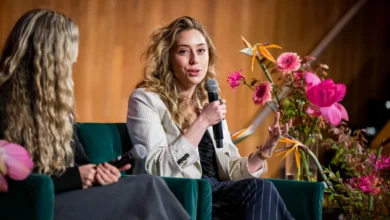
According to Michelle Duffy Smith, Vice President of Marketing, Retail, and Events at Life Time, this convergence is happening at an unprecedented pace. The rapid proliferation of independent run clubs, soaring race participation numbers, and experiential wellness gatherings point to a singular underlying truth: modern consumers are desperately seeking companionship.
"We’re seeing it happen very quickly through the explosion of run clubs, race participation, social programming, and fitness brands hosting events," Smith explained in a recent interview. "Fitness and social are married. All of this change is because people are seeking companionship, and they’re looking for more than just the workout."
For Life Time, the rollout of LT Social is the formalization of a strategy that has been tested in beta environments over the past several years. Informal initiatives, such as group runs, rooftop mixers, and weekend pool parties, consistently hit maximum capacity and generated extensive waitlists across multiple markets. These initial trials revealed a profound behavioral shift among the company’s nearly 200 U.S. locations: members were arriving early, lingering long after their workouts concluded, and utilizing the clubs as primary venues for weekend socializing and networking.
A National Strategy Aligned With Cultural Moments
Rather than deploying sporadic, randomized events, LT Social is designed to operate on a highly coordinated national schedule. The programming aims to curate experiences so compelling that members are willing to travel specifically to attend them. Instead of dropping pop-up events on arbitrary weekends, Life Time strategically targets weekends when specific host cities are already experiencing a cultural peak.
The inaugural launch of LT Social is slated for September 12–13 in New York City, strategically timed to coincide with the finals of the U.S. Open tennis tournament and the height of New York Fashion Week. By anchoring its programming to globally recognized cultural moments, Life Time positions itself as an indispensable auxiliary hub for its affluent clientele.
"A client may already be traveling to Phoenix or New York for a particular weekend or event, and this becomes the thing you can do beyond attending a sporting event or a fashion week party," Smith noted. "We are like the other hub for you."
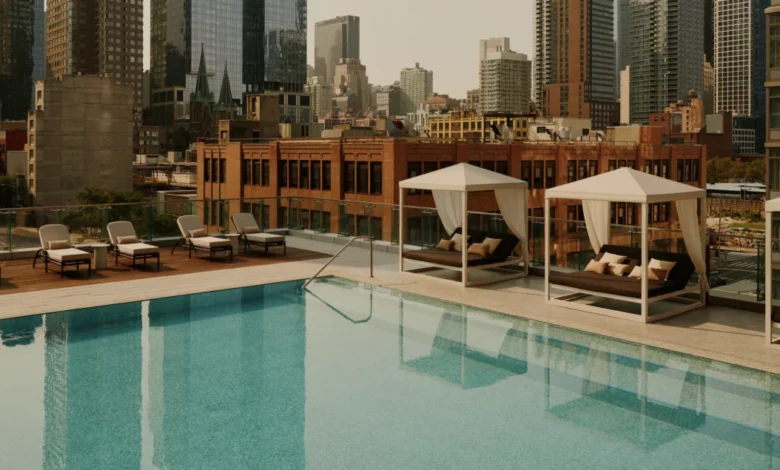
The New York City launch exemplifies the multi-layered nature of LT Social programming. The weekend will kick off with a Saturday night rooftop social hosted at Life Time’s flagship Sky location in Hell’s Kitchen. The event will feature celebrity DJs, live performances, curated food and beverage menus, interactive content opportunities including red-carpet step-and-repeat photography, and extended on-site childcare hours to accommodate parents.
The following day breaks down into a carefully calibrated dual-track agenda. Beginning at 7:00 a.m., members can participate in a morning recovery session featuring specialized bodywork offerings such as massages and mini-facials, supported by a dedicated recovery lounge powered by Hyperice tools. Billed by executives as "the night after done differently," this restful morning segment is designed to ease the physical toll of weekend socializing. At 11:30 a.m., the club will execute a deliberate transition from rest and relaxation to a high-energy rooftop pool party, capturing the duality of contemporary wellness culture.
Addressing the Modern Loneliness Epidemic
The pivot toward community-focused social wellness is driven by profound socio-economic and psychological shifts. The global COVID-19 pandemic catalyzed an unprecedented mental health crisis, thrusting a loneliness epidemic into the public consciousness. Data continues to underscore the staggering scale of this issue. According to a comprehensive 2024 Harvard study on loneliness, approximately one in five survey respondents reported experiencing serious, persistent feelings of loneliness. The demographic data is particularly striking among younger adults, with 29% of respondents aged 30 to 44 reporting that they felt "frequently" or "always" lonely.
This systemic deficit in organic human connection has directly fueled the rise of the "third space" economy. In major metropolitan areas like Los Angeles and New York, a wave of social wellness clubs has emerged to fill the void. Innovative concepts such as Heimat, a social-first members-only club featuring a rooftop pool, co-working spaces, and robust social calendars; Remedy Place, a social self-care club designed around wellness socializing; and Love Life, a longevity and community hub founded by a former Whole Foods executive, all point to a booming market demand for community-centric health spaces.
Life Time’s core demographic—primarily individuals in their early 40s with significant disposable income—is uniquely positioned to embrace this trend. These consumers possess the financial flexibility to travel for lifestyle events and the desire to integrate health, longevity, and social recreation into a unified routine. By offering these high-value experiences as a complimentary perk for members and their guests, Life Time is deploying a powerful customer retention tool that directly counters churn in an increasingly crowded luxury fitness market. Prior rooftop pool party pilot events regularly attracted upwards of 800 attendees per market, proving the immense commercial viability of the concept.
Broader Industry Implications and the Future of Wellness
The launch of LT Social signals a broader maturation of the wellness industry, moving away from solitary, ascetic health practices toward vibrant, communal lifestyle integration. As fitness brands increasingly mirror the marketing strategies of beauty and entertainment conglomerates, the boundaries between working out, socializing, and consuming culture continue to blur.
Industry analysts suggest that this trend will permanently alter the competitive landscape of the fitness sector. Big-box gyms and luxury athletic clubs that fail to cultivate a sense of community risk losing market share to agile competitors offering holistic social programming. Conversely, brands that successfully master the art of experiential programming can command higher membership dues, foster deeper brand loyalty, and insulate themselves against macroeconomic fluctuations.
As Life Time rolls out LT Social in New York City—with subsequent expansions planned for markets like Phoenix—the company is setting a new benchmark for what consumers can expect from their gym memberships. In the eyes of industry leaders, this is only the beginning of a long-term structural transformation.
"Wellness is how you feel, both inside and out, and so I think this explosion within the industry is on a really great trajectory to continue," Smith concluded. "People are looking to build connections, to laugh and have fun. This is just the start."
Related posts: