Poundland is preparing to call in the administrators as major shareholder Gordon Brothers rejects a solvent rescue proposal.

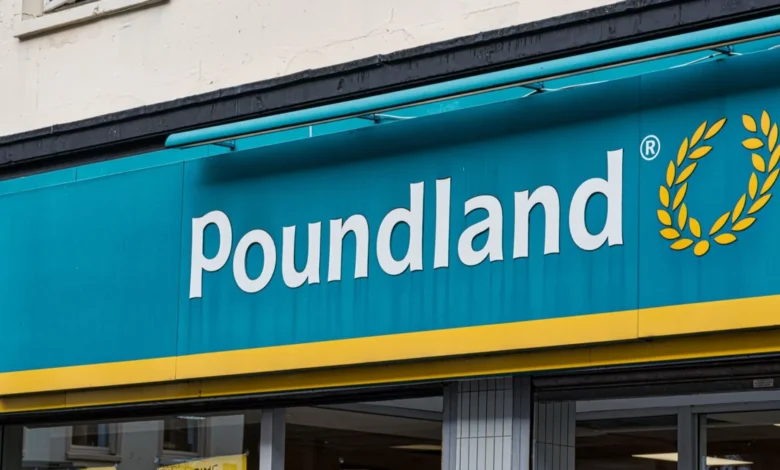
The high-street stalwart, a cornerstone of British value retail, stands at a precarious crossroads after filing a Notice of Intention to appoint administrators on Thursday, 29 October. This legal maneuver grants the retailer a 10-working-day breathing room, effectively creating a moratorium on creditor action. During this window, the business—which boasts a sprawling network of approximately 600 stores and a workforce of 12,000—will be assessed for potential rescue deals or a structured sale. The appointment of advisory firm AlixPartners to oversee this delicate process underscores the gravity of the situation, as stakeholders grapple with the potential disintegration of one of the UK’s most recognizable retail brands.
The Anatomy of the Conflict
The tension centers on a fundamental disagreement regarding the future of the company’s capital structure. Gordon Brothers, which acquired control of Poundland in 2025 for a nominal sum of £1, appears to have adopted a strategy that prioritizes the recovery of its £30 million shareholder loan. Reports indicate that the firm is skeptical of a solvent rescue and believes that a piecemeal breakup of the retailer’s assets—ranging from prime real estate leases to inventory and brand equity—offers a more direct path to recouping its investment.
In contrast, the Martin Property Group has emerged as a persistent suitor, advocating for a path that preserves the entity as a going concern. Martin Property Group has proactively contacted AlixPartners to reaffirm its interest, tabling two distinct proposals designed to address the £30 million debt obligation. The first proposal suggests repayment of the loan in full upon its scheduled maturity, while the second offers an accelerated repayment schedule for half of the debt. These offers represent a clear attempt to keep the business operational and minimize the fallout for employees and suppliers, yet they have thus far failed to sway Gordon Brothers.
A Chronology of Financial Strain
The descent into the current administrative crisis did not happen in a vacuum. Poundland has been navigating a turbulent retail environment characterized by aggressive competition from international discounters, rising energy costs, and a cost-of-living crisis that has simultaneously increased footfall but squeezed margins.
- 2025 Acquisition: Gordon Brothers acquires Poundland for £1, inheriting a complex debt structure and a significant operational footprint.
- Ongoing Operational Challenges: Throughout the subsequent months, Poundland struggles to translate high sales volumes into meaningful profitability, hampered by supply chain volatility and the high fixed costs associated with a 600-store estate.
- October 2025 Negotiations: The Martin Property Group presents a series of solvent rescue plans aimed at refinancing or restructuring the company without resorting to insolvency.
- October 29, 2025: Following the rejection of these proposals, Poundland leadership, led by Managing Director Barry Williams, officially files a Notice of Intention to appoint administrators.
- Current Status: The 10-day moratorium is in effect, with AlixPartners conducting an urgent review of the company’s financial viability.
The Broader Economic Context and Implications
The potential collapse of a retailer of this size is a significant event for the UK economy. Poundland is not merely a brand; it is a vital component of the high-street ecosystem, particularly in lower-income areas where its presence serves as an anchor for footfall.
The human cost of insolvency is staggering. With 12,000 employees, any restructuring or liquidation risks mass redundancies during what is traditionally the busiest and most critical trading quarter of the year. Beyond the workforce, the supply chain impact could be catastrophic. Suppliers—many of whom are small-to-medium enterprises (SMEs)—often operate on tight margins and depend on timely payments from large retailers. An administration process typically freezes payments, potentially triggering a chain reaction of insolvencies among smaller vendors who have extended credit to the retailer.
From a market perspective, the retail sector has seen a shift toward "value-driven" shopping, yet ironically, this has not insulated Poundland from insolvency risks. The competition from rivals such as B&M and Home Bargains has created a "race to the bottom" in terms of pricing, leaving little room for operational errors or high debt-servicing costs. The £30 million loan held by Gordon Brothers is a relatively small sum in the context of global retail finance, yet it has become the pivotal leverage point determining the survival of a company with thousands of staff.
Stakeholder Reactions and The Union Stance
The national union Usdaw has been vocal in its criticism of the current situation. Bally Auluk, representing the union, characterized the proceedings as a distressing period for staff who have effectively become collateral in a high-stakes financial negotiation.
"It has been an incredibly distressing week for Poundland staff who have had to watch from the sidelines as a multi-billion pound company jeopardises their livelihoods as it tries to extract £30m from a business it bought for £1," Auluk stated. The union’s position is clear: they are urging the shareholders to prioritize the stability of the business and the security of the 12,000 jobs over the immediate extraction of capital.
Managing Director Barry Williams finds himself in a difficult position, forced to execute the administrative filing despite the internal push for a rescue deal. His actions reflect the legal reality of the boardroom, where the fiduciary duties to creditors and shareholders often conflict with the operational desire to sustain employment.
Analytical Perspective: Why Solvent Rescue Matters
The rejection of a solvent rescue in favor of potential insolvency is a decision that invites intense scrutiny. In a solvent rescue, the business continues to trade, staff remain employed, and trade creditors (suppliers) are more likely to be paid. In an insolvency, the process is often driven by the "waterfall" of creditor priorities, where shareholders and secured lenders often take precedence over unsecured suppliers and employees.
If the 10-day moratorium passes without a deal, the administration process will likely lead to a "pre-pack" sale or a phased liquidation. In a pre-pack administration, the business is sold to a new entity, often with the shedding of leases and liabilities. While this can sometimes save a portion of the jobs, it is rarely as favorable to the existing supply chain or the wider workforce as a successful solvent turnaround.
The Path Ahead
As the 10-day clock ticks down, the retail industry is watching closely. The outcome of the negotiations between AlixPartners, Martin Property Group, and Gordon Brothers will set a precedent for how distressed retail assets are handled in a post-inflationary economy.
Should the company fall into administration, it will mark one of the most high-profile retail collapses of the decade. Analysts suggest that the brand itself—the Poundland name—remains strong and possesses significant value, which is likely why the Martin Property Group is so keen to pursue a deal despite the apparent hostility from current shareholders.
Ultimately, the future of the 600 stores now hinges on a narrow window of negotiation. The outcome will depend on whether the parties involved can agree on a valuation and a debt-repayment structure that prevents the fragmentation of a retail giant. For the 12,000 employees and the thousands of suppliers connected to the business, the next few days will be a period of intense uncertainty, marking a pivotal moment for the future of the British high street.
The situation remains fluid. As the deadline approaches, the pressure on Gordon Brothers to consider the wider socio-economic impact of their decision is mounting. Whether they will yield to these pressures or proceed with a liquidation that could permanently alter the retail landscape remains the central question facing the UK’s value-retail sector today. All eyes are now on AlixPartners, the firm tasked with finding a path that balances financial recovery with the preservation of one of the nation’s most pervasive retail operations.