The Hidden Cost of Convenience: Navigating Sustainable Fashion in the Era of Hyper-Consumption

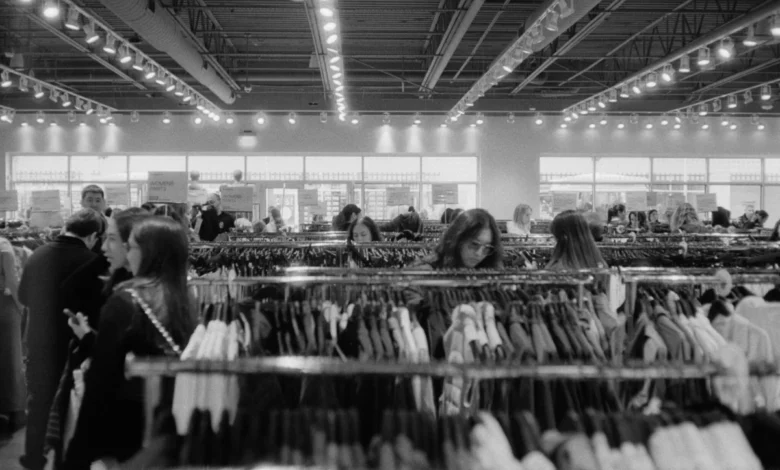
The global fashion industry is currently navigating a period of unprecedented production volatility, characterized by the emergence of up to 52 micro-seasons per year. This hyper-accelerated cycle, driven by fast fashion conglomerates, has fundamentally altered consumer behavior and environmental stability. According to data cited by the National Geographic, to maintain a level of consumption compatible with the planet’s regenerative capacity, an average Western consumer should purchase no more than five new garments annually. In practice, however, consumption levels significantly exceed this threshold, with the average consumer buying roughly 60% more clothing than they did two decades ago, while keeping those items for only half as long.
As the retail sector approaches the annual Black Friday event—a phenomenon that has evolved from a single-day discount window into a month-long period of intensive marketing—the psychological pressure to consume has reached an all-time high. This cycle of artificial scarcity and aggressive pricing strategies is designed to bypass rational decision-making, leading to a surplus of unwanted inventory and a surge in textile waste.
The Chronology of Consumption: From Annual Sales to Constant Availability
The concept of Black Friday, traditionally marking the start of the holiday shopping season in the United States, has undergone a metamorphosis over the last decade. Historically a day for retailers to transition into profitability, the digital age and the rise of e-commerce have stripped away the temporal limits of the event.
By the mid-2010s, retailers began extending "Black Week" promotions, and today, many brands initiate discounting cycles as early as late October. This "always-on" sales environment is not merely a retail strategy; it is a systemic push for volume. The timeline of this shift reflects a broader transition in the textile industry:
- The 1990s: The rise of fast-fashion pioneers introduced the model of weekly replenishment, moving away from the traditional four-season structure.
- The 2010s: The emergence of ultra-fast fashion brands compressed lead times from months to mere weeks, utilizing real-time data to predict and push trends.
- The 2020s: The integration of social media algorithms and influencer marketing has synchronized consumer desire with instantaneous global shipping, creating a perpetual state of "newness."
Supporting Data and Environmental Implications
The environmental footprint of this consumption pattern is profound. The textile industry is responsible for approximately 8% to 10% of global carbon emissions, surpassing the impact of all international flights and maritime shipping combined. Furthermore, the industry is a significant consumer of water; producing a single pair of jeans requires approximately 7,500 liters of water—an amount equivalent to what one person drinks over seven years.
Data from the Ellen MacArthur Foundation indicates that less than 1% of clothing material is recycled into new clothing at the end of its life. The majority of garments end up in landfills or are incinerated. This "take-make-waste" model is exacerbated by the high prevalence of synthetic fibers like polyester, which are essentially plastic-based and can take hundreds of years to decompose, shedding microplastics into the ecosystem throughout their lifecycle.
The Myth of Sustainable Consumption in the Second-Hand Market
While the second-hand and vintage markets are often touted as the panacea for the fashion industry’s environmental woes, experts caution against viewing them as a complete solution. The "thrift flip" culture, while popular, can sometimes lead to a rebound effect where consumers justify excessive purchasing under the guise of sustainability.
If a consumer purchases a large volume of second-hand clothing simply because it is inexpensive, they are still contributing to a culture of overconsumption. The carbon footprint associated with global logistics—the shipping and handling of massive quantities of pre-owned textiles—remains a concern. True sustainability, experts argue, lies in the utilization of existing wardrobes. The most sustainable garment is, invariably, the one already in the consumer’s closet.

Expert Perspectives and Institutional Responses
Industry analysts and environmental scientists alike advocate for a shift in perspective, moving from "ownership" to "utility." Brands that have adopted circular business models—such as repair services, take-back programs, and rental platforms—are beginning to see institutional support, though they remain the exception rather than the rule.
Legislative bodies, particularly in the European Union, have begun to intervene. The EU Strategy for Sustainable and Circular Textiles seeks to mandate that by 2030, all textile products placed on the market are durable, repairable, and recyclable. This regulatory push is a reaction to the failure of industry self-regulation, which has historically prioritized profit margins over environmental stewardship.
The Psychology of the Discount Trap
The effectiveness of Black Friday relies heavily on the "scarcity heuristic"—the psychological trigger that makes us perceive a limited-time offer as a unique opportunity that must be seized immediately. This cognitive bias is amplified by countdown timers, "low stock" alerts, and aggressive email marketing.
To counter this, behavioral economists suggest that consumers adopt a "pause" strategy. Before finalizing any purchase, consumers are encouraged to evaluate their decision against five core criteria:
- Utility: Can I pair this item with at least three other pieces currently in my wardrobe?
- Longevity: Is the material quality sufficient to withstand at least 30 washes?
- Necessity: Is this purchase replacing a damaged item, or is it fulfilling an emotional desire for "something new"?
- Production Transparency: Does the brand provide information regarding the labor conditions and environmental practices involved in the garment’s creation?
- The "Cost-per-Wear" Analysis: If I divide the price of the item by the number of times I intend to wear it, does the investment remain sound?
Broader Impact: The True Cost of Cheap Fashion
It is a common misconception that the fast-fashion industry is sustained solely by low-income consumers. In reality, the industry is heavily dependent on the middle and upper-middle classes who possess the disposable income to participate in high-volume, trend-driven shopping.
The low retail price of a garment is, in effect, a subsidy. The true cost of the item is being paid by someone else, somewhere else—often through unfair wages, hazardous working conditions, and the degradation of local water supplies in manufacturing regions. Furthermore, the "luxury" segment of the market is not immune to these criticisms. High prices are often linked to branding and overhead rather than ethical production, meaning that a luxury label does not inherently guarantee a more sustainable or ethical product.
Moving Toward a Conscious Wardrobe
The path to a more sustainable future in fashion requires a structural change in how society values garments. This involves shifting away from the disposable culture of the 21st century and returning to a model where clothing is treated as a durable good.
This transition involves several practical steps:
- Care and Repair: Learning basic maintenance skills, such as sewing a button or patching fabric, extends the life of a garment significantly.
- Curation: Moving toward a "capsule wardrobe"—a curated collection of versatile, high-quality pieces—reduces the need for constant updates.
- Rental and Exchange: Utilizing clothing rental services for special occasions or organizing clothing swaps with friends and family reduces the pressure to buy new items for one-time events.
- Prioritizing Quality: Investing in garments made from natural, durable fibers ensures that items retain their shape and function over time, ultimately reducing the frequency of replacement.
As the retail calendar continues to lean into the pressure of the Black Friday season, the individual consumer retains the power of refusal. By rejecting the urgency of the sale and opting for a more deliberate, considered approach to style, individuals can signal a shift in market demand. The future of the fashion industry is not in the next 52 micro-seasons, but in the slow, deliberate reclamation of quality and consciousness in our everyday choices. True value, in the context of a sustainable future, is measured not by the discount on the tag, but by the longevity and ethical integrity of the garment itself.