Sephora Embraces Sensory Sensitivity with Global "Quiet Hours" Program, Redefining Retail Inclusivity

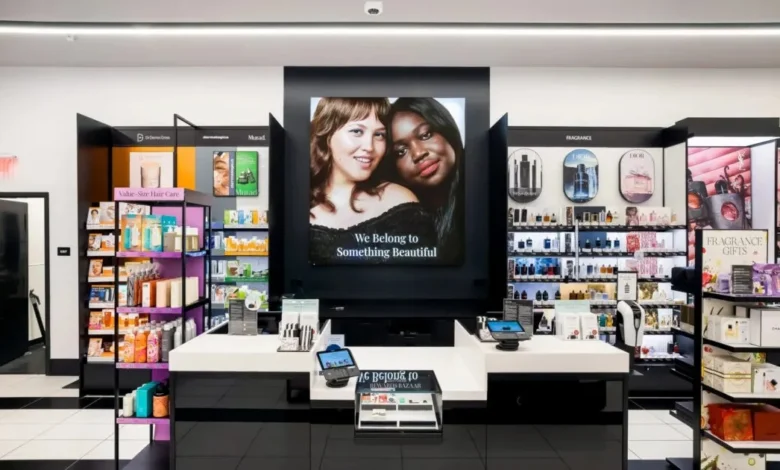
In a significant shift from the traditionally high-energy, sensory-rich environments of beauty retail, Sephora, the LVMH-owned powerhouse, is actively redefining the in-store experience. The company has embarked on a global rollout of its "Quiet Hours" program, a carefully orchestrated initiative designed to create a more calming and accessible atmosphere for a broader spectrum of shoppers. This move positions Sephora alongside a growing number of major retailers recognizing the importance of catering to neurodiverse individuals and fostering a more inclusive shopping landscape.
The "Quiet Hours" program, officially announced in June, involves participating Sephora stores worldwide implementing specific adjustments during designated periods each week. These adjustments include a noticeable reduction in in-store music volume and a softening of lighting. Furthermore, during these quieter times, Sephora will suspend in-store events and empower shoppers to dictate their level of interaction with sales associates, allowing for a more personalized and less overwhelming experience. This thoughtful approach aims to mitigate sensory overload, a common challenge for individuals with conditions such as autism, ADHD, anxiety, and PTSD.
A Growing Trend Towards Sensory-Friendly Retail
Sephora’s "Quiet Hours" initiative is not an isolated experiment but rather a continuation of a burgeoning trend in the retail sector. Major players have been progressively incorporating sensory-friendly hours into their operations. Walmart, for instance, introduced a similar program in 2023, following in the footsteps of Target, which pioneered its sensory-friendly hours initiative as early as 2016. These programs reflect a fundamental re-evaluation of retail design and customer engagement strategies.
Sephora itself had a precursor to this global rollout. The company first piloted "Quiet Hours" in 2025, testing the concept in 32 stores across eight different markets. The overwhelming success and positive feedback from this pilot phase paved the way for the current expanded rollout, with approximately 80% of U.S. stores now offering these adjusted hours. This strategic expansion underscores Sephora’s commitment to making its physical spaces more welcoming and accommodating.
The Evolution of Retail Environments: From Sensory Overload to Intentional Design
The shift towards sensory-friendly retail marks a stark departure from historical retail paradigms. In the early 2000s, brands like Abercrombie & Fitch were known for their intentionally intense environments, characterized by loud, pulsating music and overpowering fragrances, more reminiscent of a nightclub than a place of commerce. This approach was rooted in a strategy of maximizing foot traffic and creating an energetic buzz believed to drive sales.
Paula Floyd, founder and CEO of the retail agency Headkount, offers valuable insight into this past approach. "Back in the day, [stores were] like, ‘Turn the music up, the louder the better, pack in as many people as you can,’" Floyd explained. She recalled her own experience overseeing MAC stores in the 1990s and early 2000s, where the makeup giant deliberately cultivated a loud and busy atmosphere. "If the store was quiet and people were just standing around, it was extremely intimidating [for customers]. The focus is on you," she stated, highlighting a guiding principle that dictated specific volume guidelines for each MAC store. This strategy aimed to create a sense of urgency and excitement, encouraging impulse purchases and a dynamic shopping experience.
However, the COVID-19 pandemic served as a significant catalyst for change across the retail landscape. The necessity of implementing measures to protect vulnerable populations, such as offering pre-opening shopping hours for those seeking to avoid crowds, prompted a broader reevaluation of customer needs. "That’s when I felt like retailers were paying more attention to the consumer, versus paying attention to the retailer’s needs," Floyd observed. This period fostered a more empathetic approach, encouraging businesses to consider the diverse needs and comfort levels of their customer base.
The Growing Recognition of Neurodiversity
The increasing awareness and identification of neurodiversity among the population have been pivotal in driving these retail transformations. A 2024 YouGov poll revealed that 19% of Americans identify as neurodivergent, encompassing a wide range of neurological differences. Furthermore, data from the Centers for Disease Control and Prevention (CDC), published in 2025, indicates a significant rise in autism prevalence among children in the U.S., increasing from 1 in 150 in the year 2000 to 1 in 36 in 2020. These statistics underscore the growing segment of the population that may benefit from environments that are less sensorially demanding.
Dr. Bonnie Mitchell, DBH, LPCC and clinical director at The Mental Health and Stabilization Center of Sacramento, emphasizes the societal shift in understanding. "The one thing Covid taught us is that it’s OK to slow down," Dr. Mitchell remarked. She further elaborated on the evolving recognition of neurodivergent needs: "And now that we have more people identifying as neurodivergent – meaning that they have PTSD, they have anxiety, they have fears – stores are starting to recognize the importance of these people who need this extra time, who need the dim lighting, who need the dimmer music." This growing understanding is translating into tangible changes in how businesses design and operate their physical spaces.
Beyond Temporary Adjustments: Architects of Neuroinclusive Design
While "Quiet Hours" represent a temporary, scheduled adjustment, other retailers and consultants are focusing on more permanent, integrated approaches to neuroinclusive design. Olly and Amelia Markeson, a husband-and-wife team who co-founded Neurohaus in 2023, are at the forefront of this movement. Both received late-in-life diagnoses of ADHD and dyslexia, and ADHD and autism, respectively, which inspired their mission to help brands create more "neuroinclusive" store environments.
Neurohaus collaborates with a diverse range of clients, including luxury brands like Versace, as well as Pandora and Goodwill. Their core philosophy centers on reducing sensory "triggers" that can cause distress while simultaneously introducing "glimmers" – elements designed to positively stimulate the senses. This can involve subtle design choices, such as opting for rounded architectural lines over sharp angles, and creating designated areas of personal and private space within bustling retail environments. These interventions aim to provide shoppers and staff with moments of respite and control, enhancing overall comfort and well-being.
"The opportunity lies in creating things which are positively stimulating for that community, and for everybody," Olly Markeson stated, articulating a vision that moves beyond merely accommodating or reducing. "As opposed to this sense that the neurodivergent community kind of needs things to be lesser. There’s no need for things to be lesser. There’s just a need for them to be recalibrated and be intentionally considered in the design to be positively stimulating." This perspective reframes neurodiversity not as a limitation to be managed, but as a diverse set of needs that, when addressed thoughtfully, can lead to universally improved experiences.
Benefits Extend to Retail Employees
The implications of neuroinclusive design extend beyond the customer base to encompass the retail workforce. Olly Markeson posits a strong hypothesis regarding the prevalence of neurodivergent individuals within the retail sector: "Among retail staff, we hypothesize that [neurodiversity] strongly overindexes." He elaborates on the inherent characteristics of retail work that may appeal to neurodivergent individuals: "Every day is different, and you’re on your feet, and it can be very positively stimulating. And you don’t need traditional formal higher education qualifications for entry into retail, and so for lots of reasons, you get a lot more neurodivergent staff." Creating more supportive and understanding work environments can therefore benefit both the employees and the overall operational efficiency of retail establishments.
Navigating the Competitive Retail Landscape
The impetus for retailers to adopt more inclusive practices is also driven by the evolving competitive landscape. In an era where online giants like Amazon and TikTok Shop offer seamless and frictionless shopping experiences, brick-and-mortar stores are under increasing pressure to provide compelling reasons for customers to visit in person. Experiential retail, focused on creating memorable moments and fostering personal connections, is becoming paramount.
"Especially as retail is going to be more experiential and focused on those moments of connection, with in-person moments of connection, [neuroinclusivity] is all the more important," remarked Amelia Markeson. By offering a more accessible and comfortable in-store experience, retailers can differentiate themselves and cultivate stronger customer loyalty.
Broader Implications and Potential for Wider Appeal
The "Quiet Hours" program at Sephora, while primarily aimed at neurodiverse shoppers, may also attract a broader demographic. Paula Floyd suggests that these initiatives could resonate with older shoppers, a demographic that is increasingly valuable in the beauty market. The beauty industry has seen significant headlines regarding the popularity of brands among tween consumers, a trend that has sometimes been associated with a more chaotic shopping environment. Sephora has responded by introducing brands that cater to multi-generational consumers, including the pre-teen skincare line Evereden and the 40-plus makeup brand Sarah Creal.
"There’s a huge clientele there," Floyd observed, referring to the potential overlap in needs and preferences across different age groups. "There are grandmothers and preteens shopping together." This suggests that the principles of creating a calmer, more intentional retail space can have far-reaching benefits, appealing to a diverse range of shoppers seeking a more relaxed and enjoyable experience.
Challenges and Future Outlook
Despite the positive momentum, challenges remain in making neuroinclusivity a standard across the retail industry. Sephora’s current "Quiet Hours" program, for instance, has faced criticism on social media forums like Reddit and TikTok for its limited scope. Many locations offer these adjusted hours only during the first hour of opening on Tuesdays and Saturdays, a schedule that may not be accessible to all who could benefit. Sephora declined to comment when approached by Glossy for further details on the program’s accessibility and future expansion.
However, the conversation around neuroinclusivity is gaining traction. Industry leaders like Versace, through their collaboration with Neurohaus, are setting a precedent that can influence other brands. Furthermore, the potential for future legislation regarding accessibility that includes neurodiversity is a growing consideration. The rise in disability discrimination complaints from neurodivergent workers, as indicated by EEOC data, suggests that legal frameworks may evolve to address these issues more comprehensively.
Dr. Mitchell’s poignant analogy encapsulates the evolving understanding of accessibility: "All stores have to be wheelchair-friendly, right? Why can’t they be emotionally friendly, too?" This question highlights the growing imperative for retail spaces to be designed not only for physical accessibility but also for emotional and sensory well-being, ensuring that shopping is a positive and empowering experience for everyone. The "Quiet Hours" program at Sephora represents a significant step in this direction, signaling a broader industry commitment to creating more inclusive and human-centered retail environments.
Related posts: