Still Life in Real Life: An Ohio Couple’s Baroque-Inspired Wedding Redefines Traditional Celebration Aesthetics

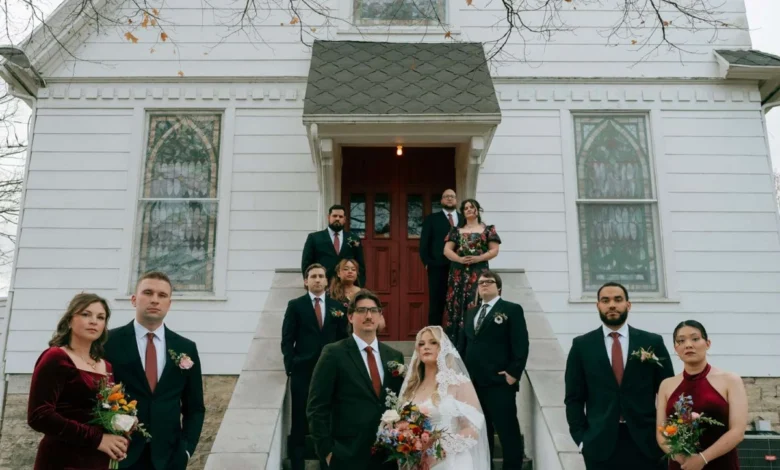
In a departure from conventional modern wedding aesthetics, Ashley and Grant, an Ohio-based couple, successfully executed a thematic celebration titled Still Life in Real Life, which drew direct inspiration from the opulent, high-contrast visual language of the 17th-century Baroque period. By integrating elements of dark romanticism, historical art references, and intentional DIY craftsmanship, the couple transformed a standard wedding venue into a curated, multisensory experience that challenged the norms of contemporary event planning.
A Conceptual Foundation in Art History
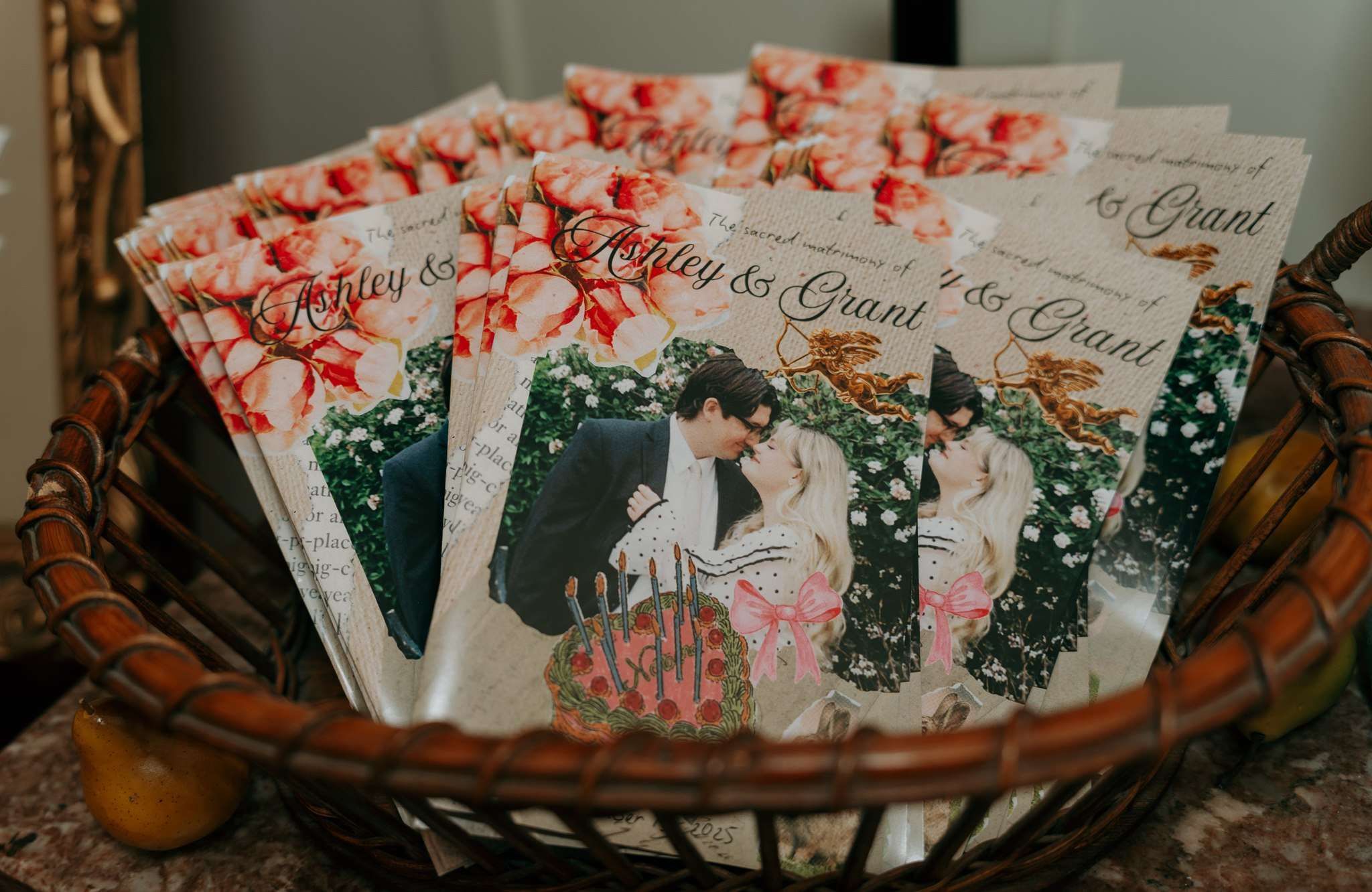
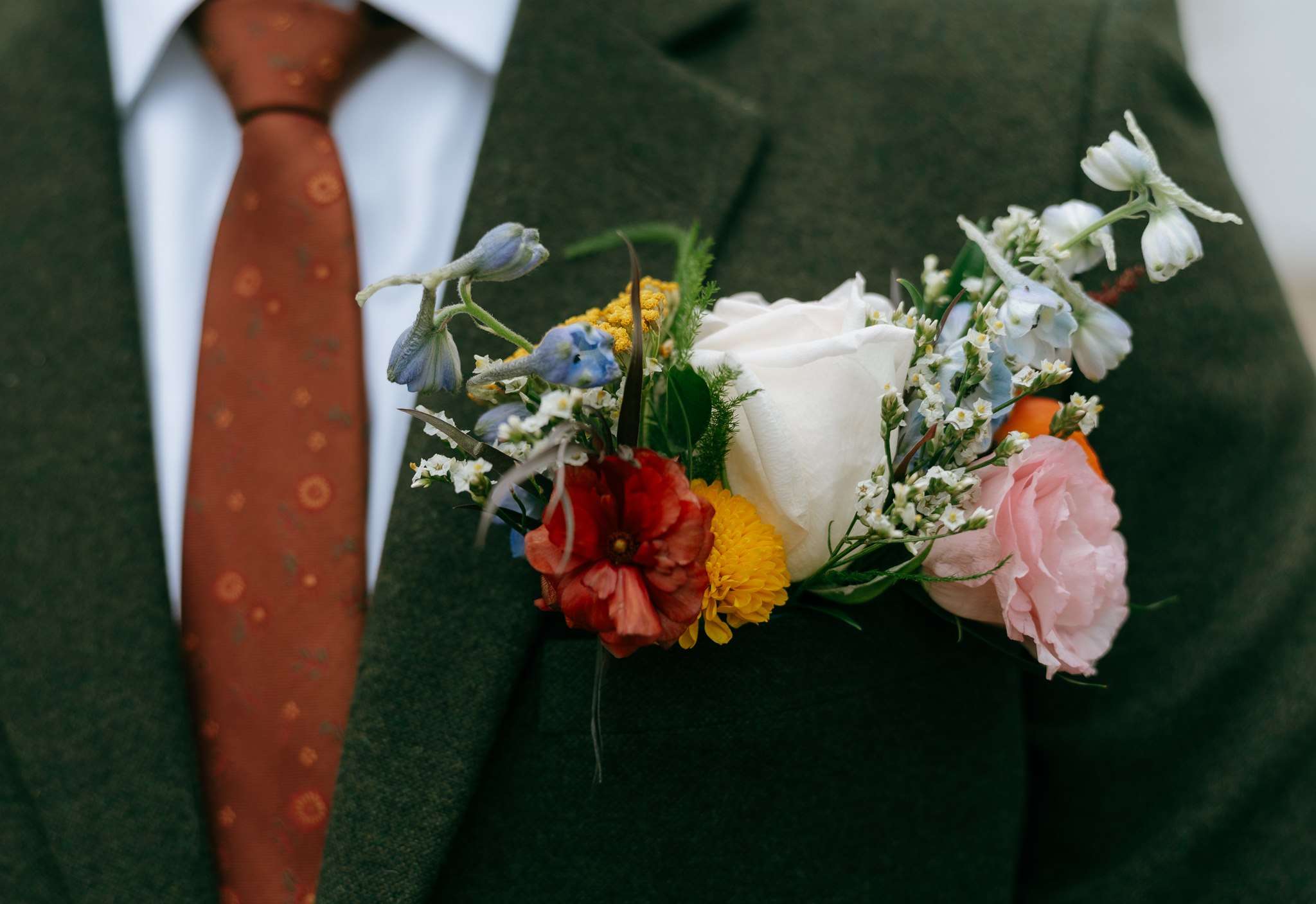
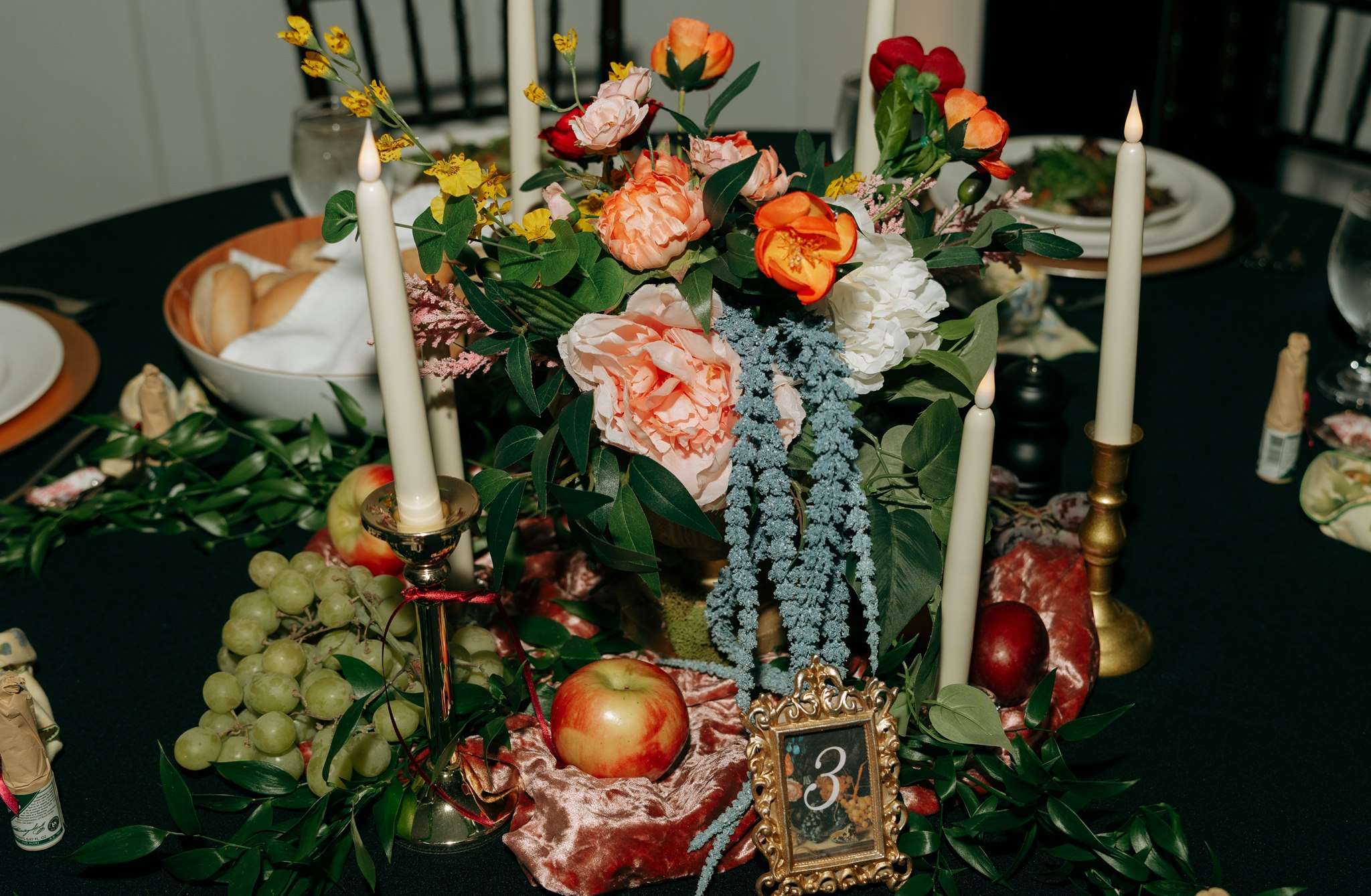
The Baroque period, spanning roughly from 1600 to 1750, is characterized by grandiosity, rich color palettes, and the dramatic use of light and shadow—a technique known as chiaroscuro. Ashley and Grant’s decision to adopt this as their central theme was not merely decorative but structural. The wedding design relied on a deep, saturated color palette featuring burgundy velvet, metallic gold accents, and the incorporation of organic materials such as fresh fruit and dense, painterly floral arrangements.
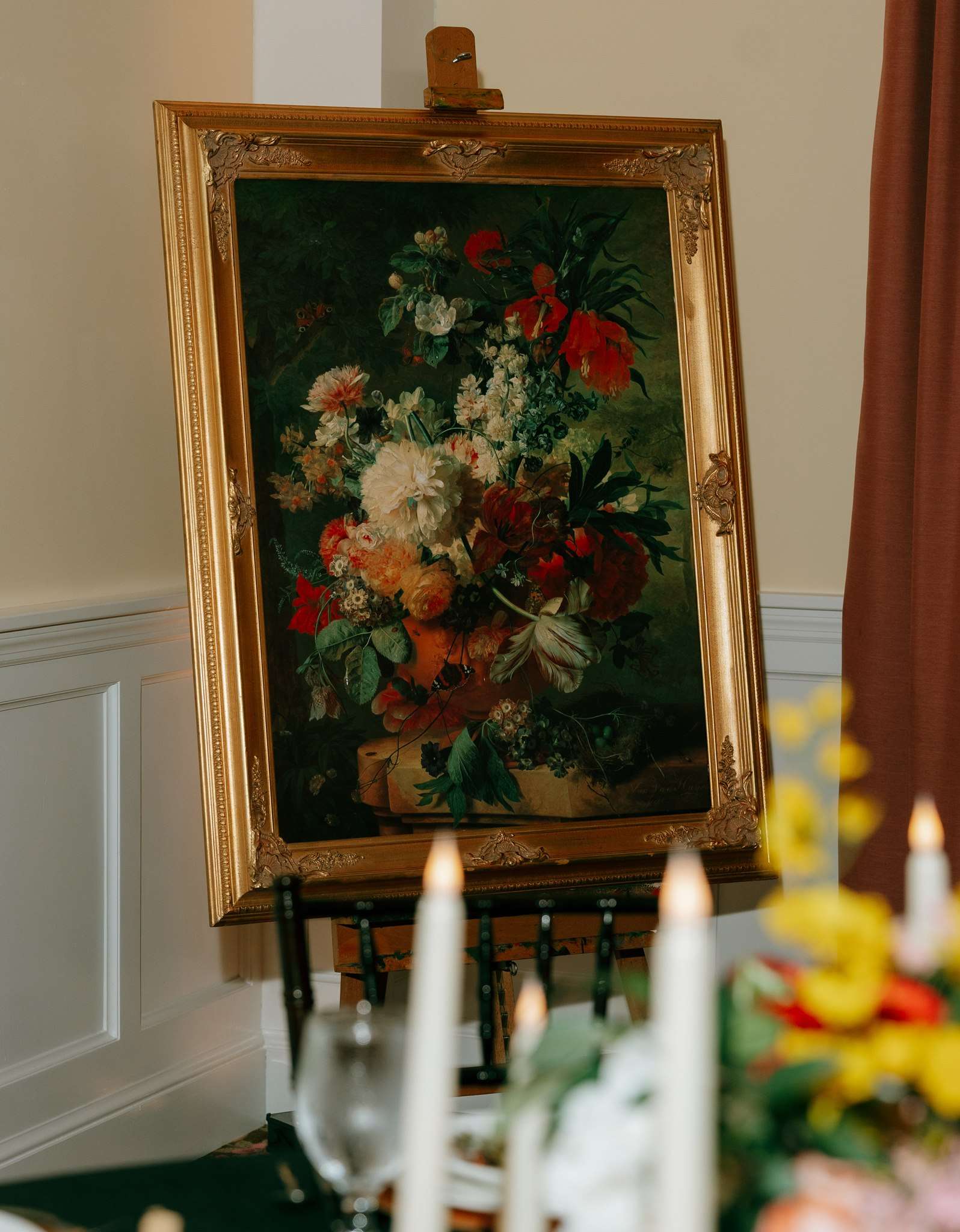
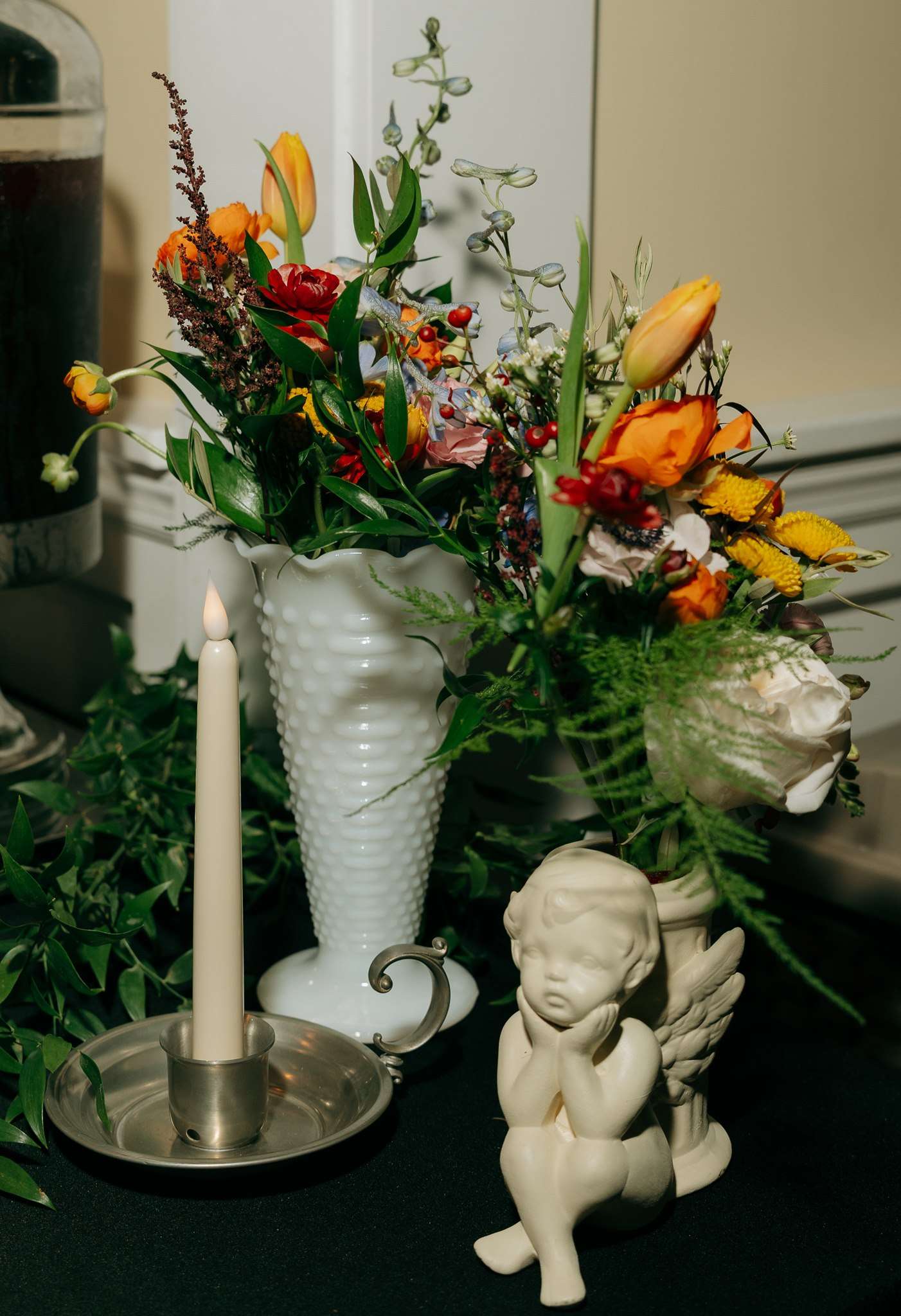
This stylistic choice reflects a broader trend in the wedding industry where couples are increasingly moving away from "minimalist" or "boho" aesthetics in favor of maximalist, narrative-driven design. The couple’s focus on "still life" as a literal and figurative concept allowed for the inclusion of curated curiosities, cherub motifs, and candlelight, creating an atmosphere of staged, timeless theater that prioritized atmosphere over traditional floral-heavy decor.
Chronology of an Artistic Endeavor
The planning process for the wedding spanned several months, functioning more as a collaborative art installation than a standard logistics project. The timeline was marked by an extensive period of material procurement. Ashley and Grant frequented regional antique shops and secondary-market retailers, seeking specific period-appropriate items such as vintage candelabras and statuary.
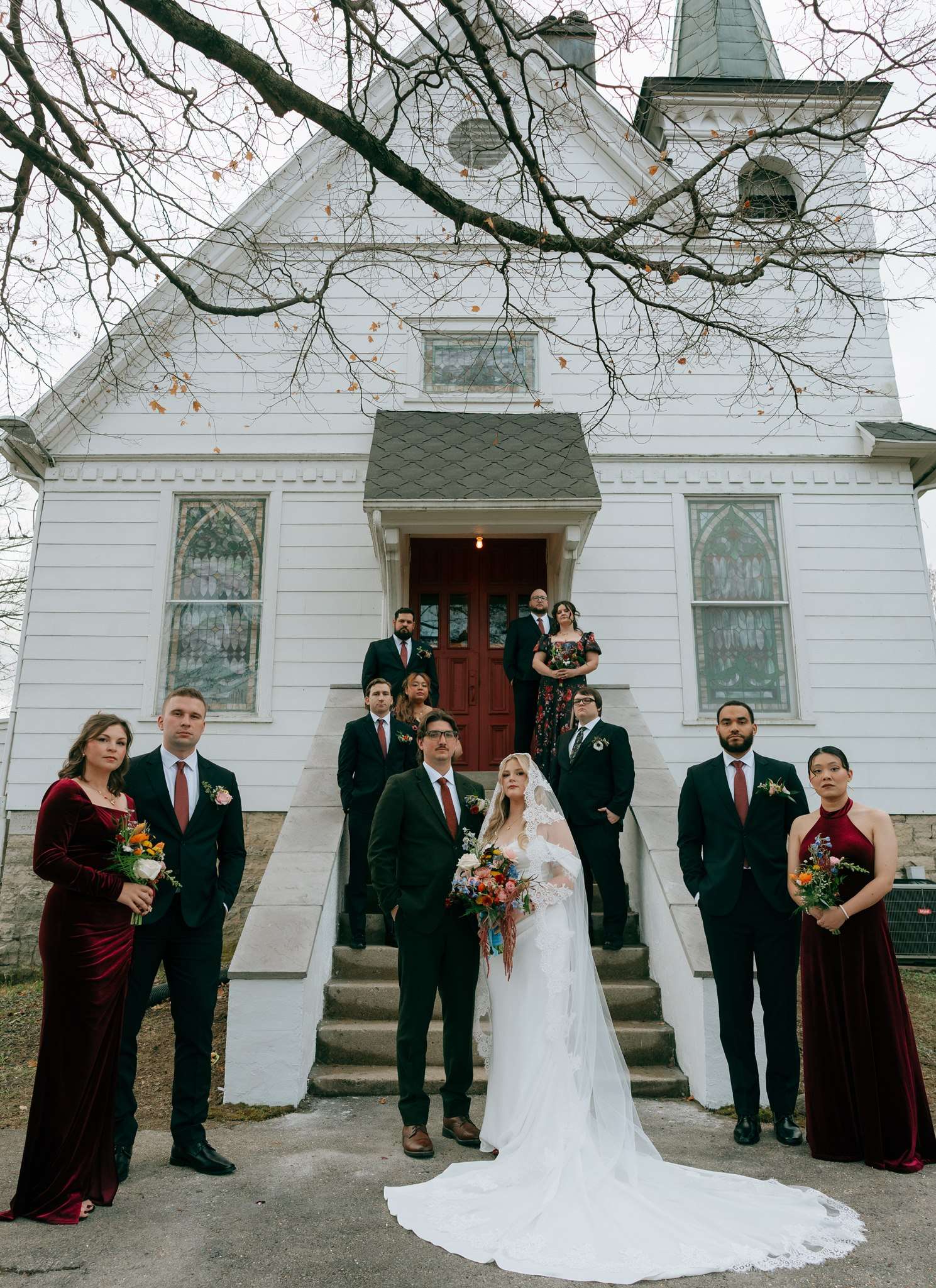
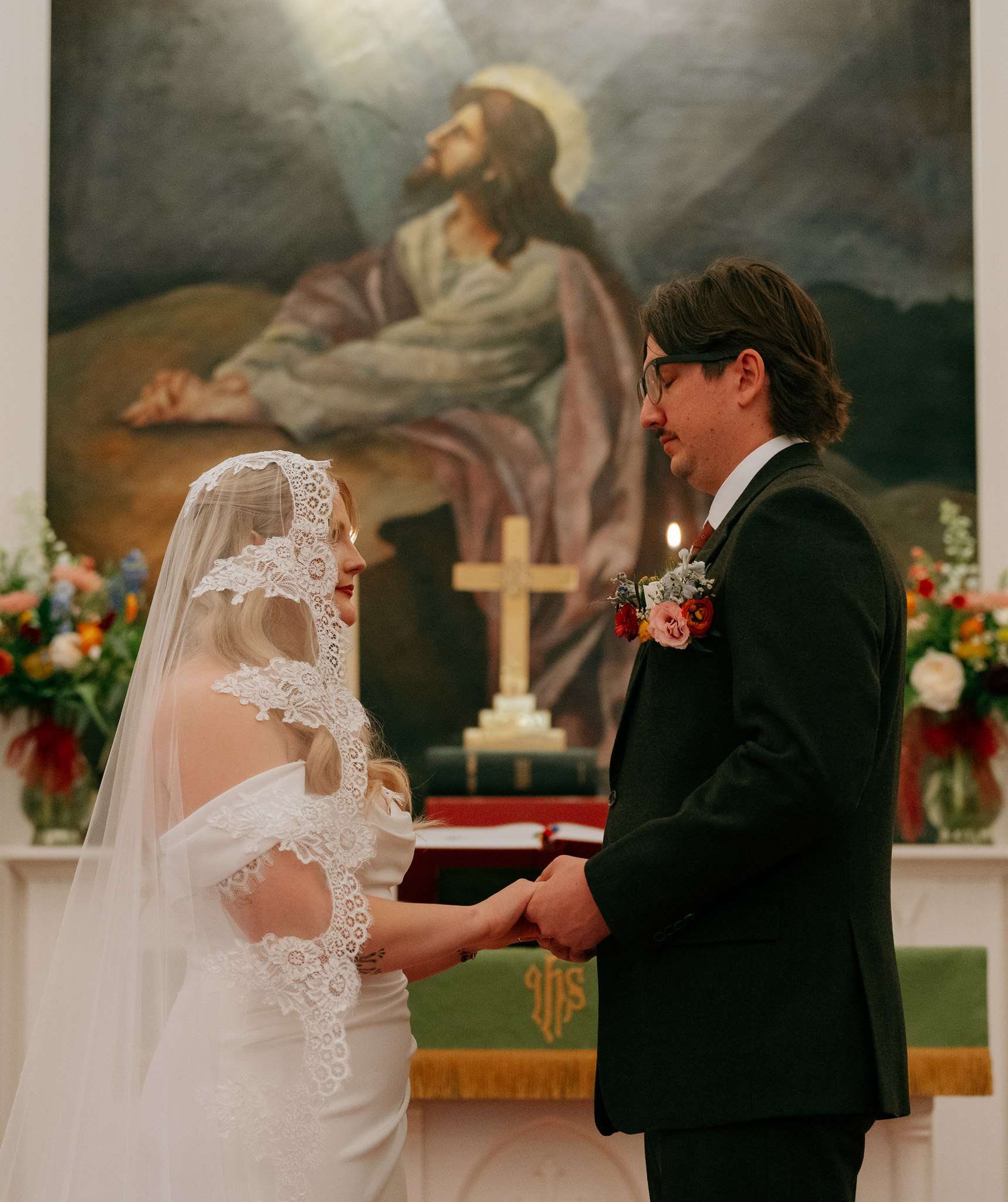
The couple’s commitment to the theme extended to the physical renovation of their ceremony site. The event was held in a historic, one-room chapel—the same venue where the bride’s parents had wed years prior. A key moment in the lead-up to the ceremony involved the restoration of the chapel’s front steps, a project the couple undertook themselves to ensure the site’s architectural integrity matched the aesthetic gravity of their vision. This restoration added a layer of historical continuity to the event, grounding the ephemeral nature of the wedding day in tangible, family-linked heritage.
Logistical Challenges and Creative Problem-Solving
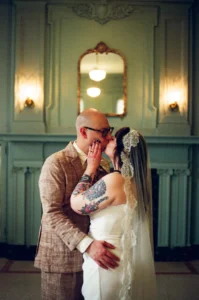
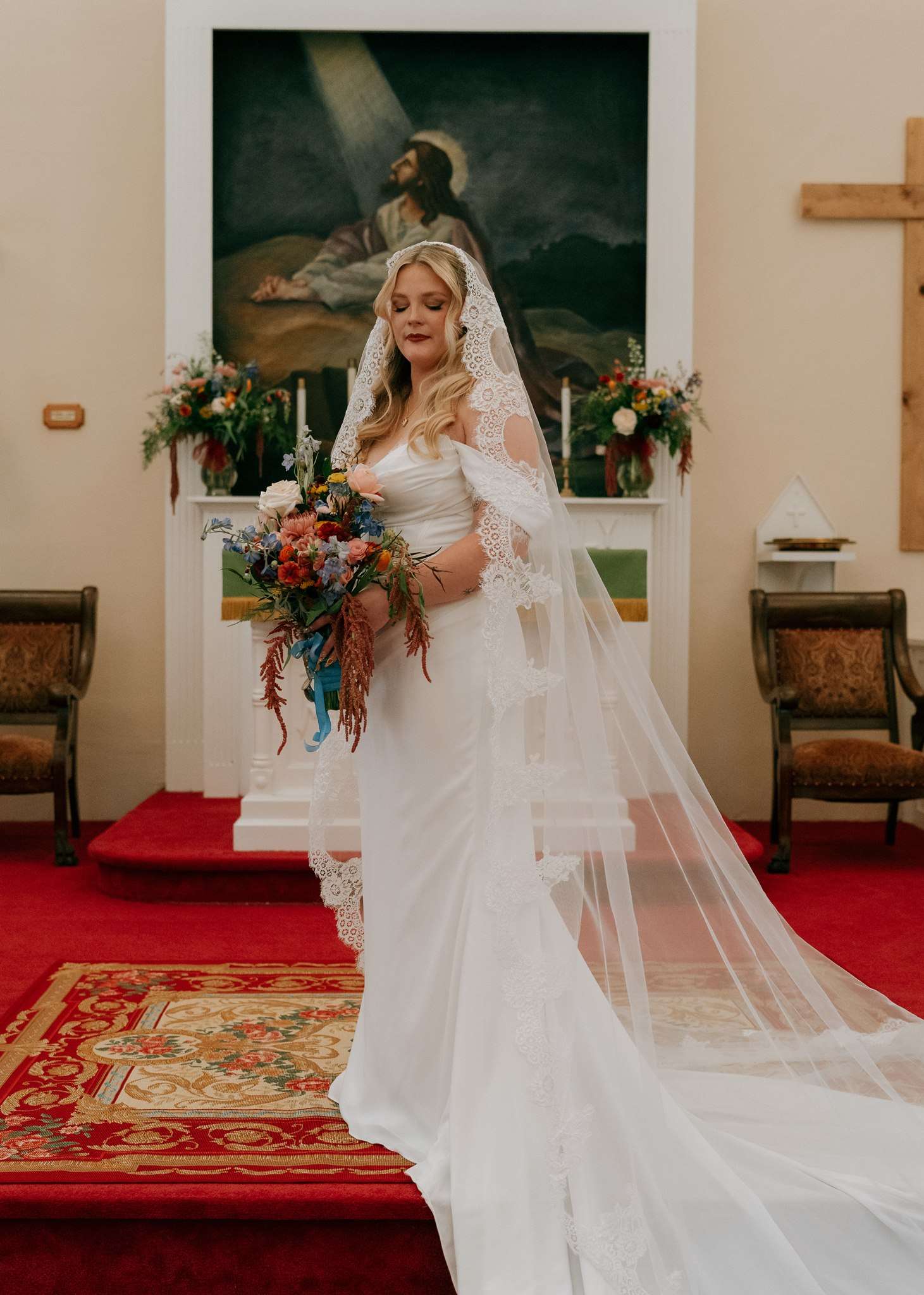
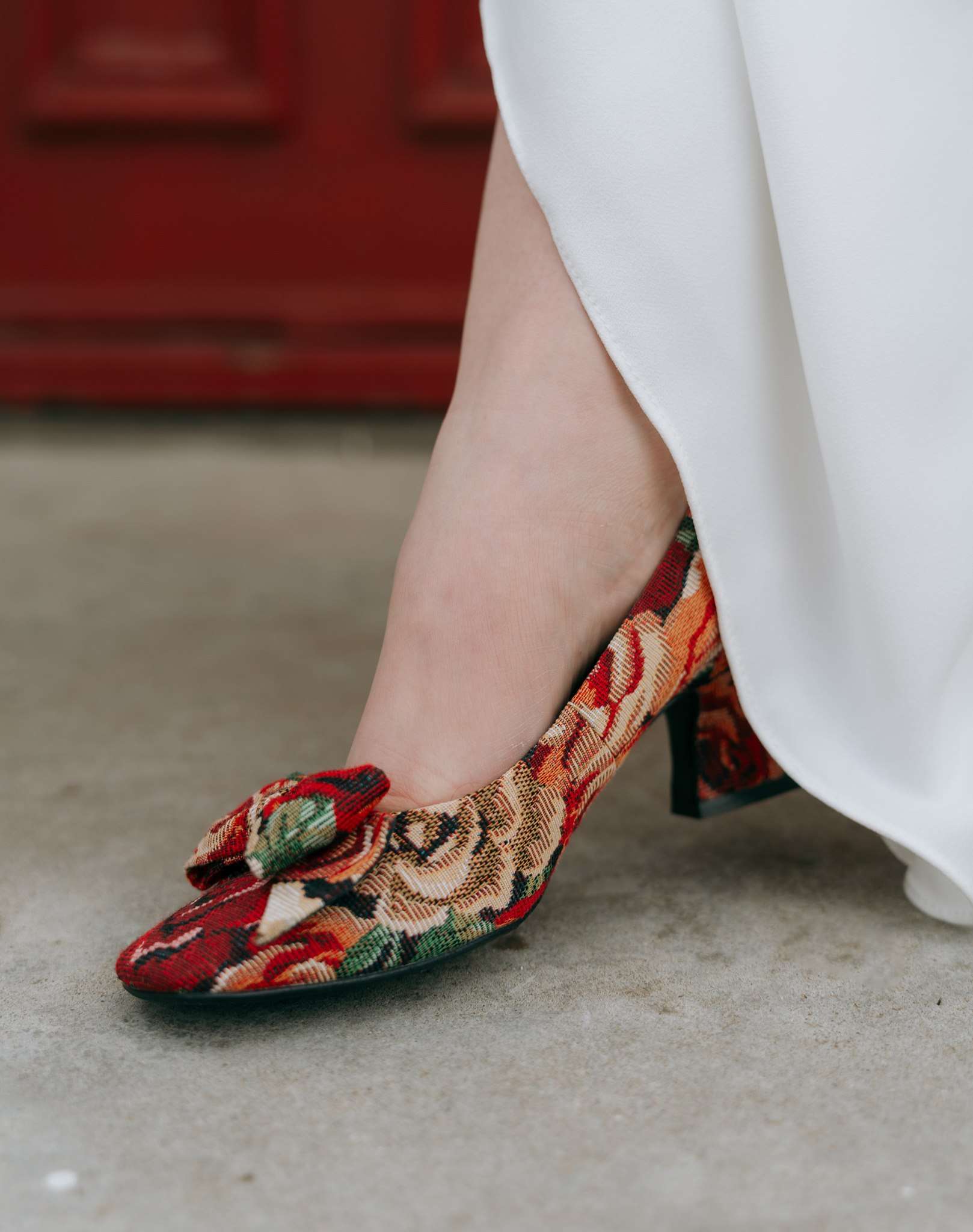
While the aesthetic vision for the wedding was clear, the practical execution presented significant challenges, particularly regarding wardrobe coordination. The bride’s experience with attire was efficient; she selected the first gown she tried on, further personalizing the look with new tattoos that complemented the ensemble.
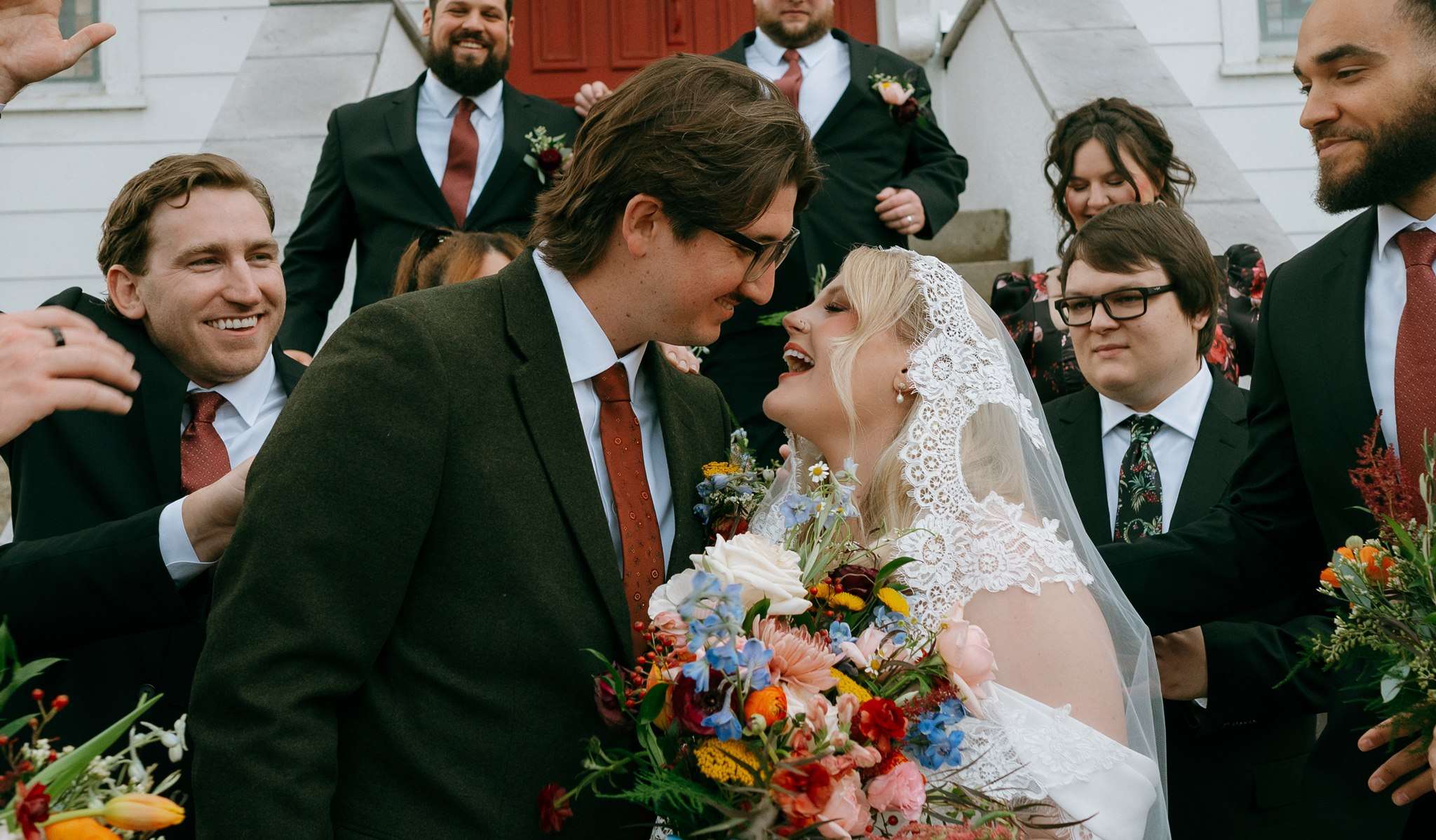
Conversely, the groom’s attire proved to be a point of contention and complexity. The couple reported visiting three distinct retailers before securing a suit that met their standards for quality, fit, and color coordination. The challenge was exacerbated by the need to maintain a cohesive look for the groomsmen while navigating individual comfort, varying body types, and a fixed budget. This experience highlights a common tension in modern wedding planning: the desire for visual uniformity versus the practical realities of retail availability and financial constraints.
Collaborative Guest Engagement
A distinctive feature of the Still Life in Real Life celebration was the move toward interactive, participatory art. Rather than utilizing a traditional guest book, the couple provided a vintage pink telephone for audio messages, a growing trend in event technology that allows for more intimate and personality-driven memories.
Furthermore, during the cocktail hour, guests were invited to participate in the creation of a collaborative still-life painting. By transitioning guests from passive observers of the decor to active contributors to the "artwork" of the event, the couple successfully shifted the dynamic of the celebration. This approach aligns with modern sociological shifts toward experiential social gatherings, where the value of an event is measured by the level of active engagement required by the attendees.
Data and Design Elements
The visual environment was achieved through a rigorous attention to detail:
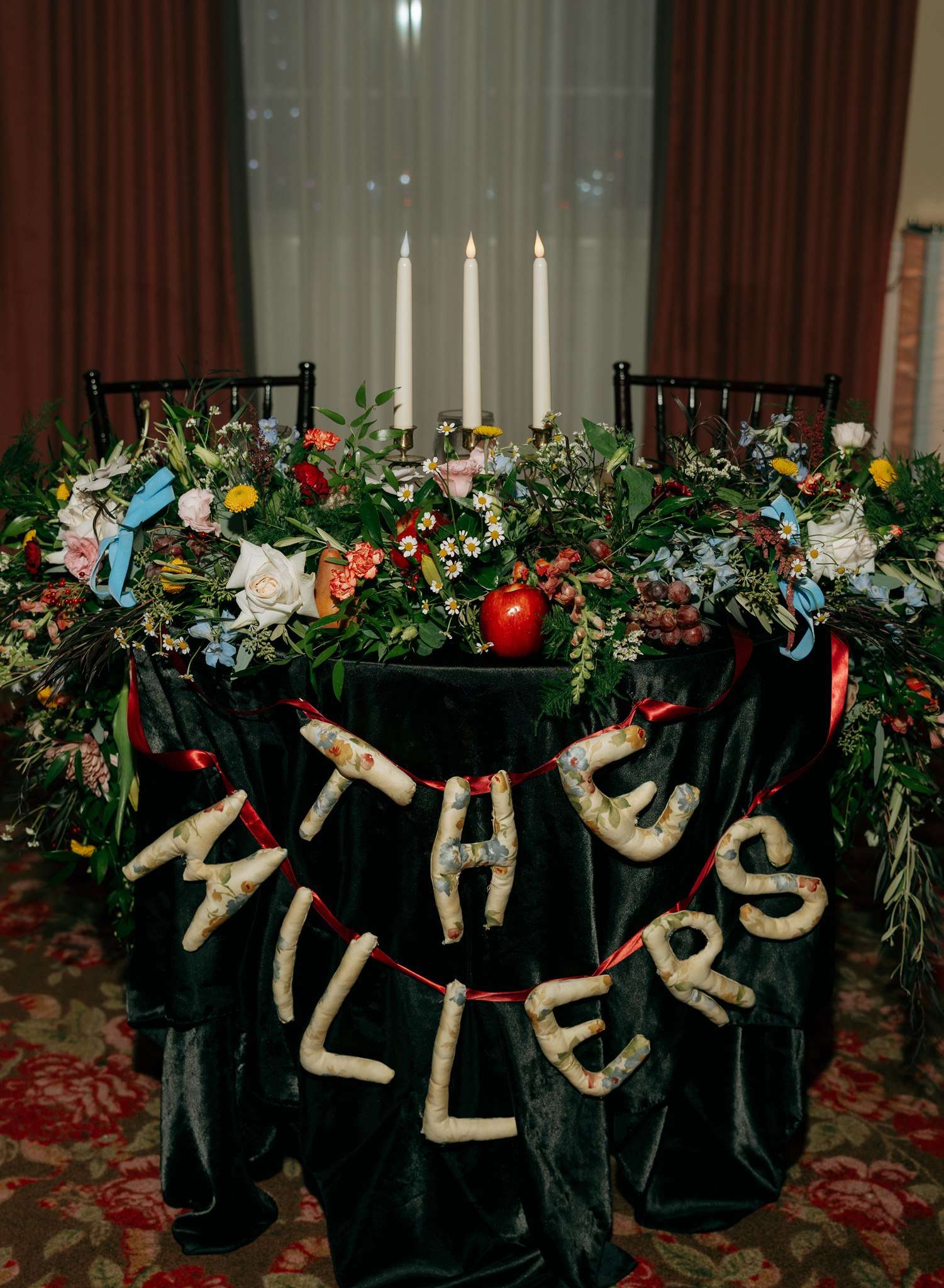
- Textiles: The use of burgundy velvet served as the primary anchor for the reception’s color story, providing texture that absorbed light and added depth to the photography.
- Custom Fabrication: The bride’s mother contributed to the production design by hand-sewing floral-patterned napkins and folding them into symbolic shapes, such as apples and hearts.
- Plaster and Gold: To achieve the look of antique Baroque decor without the prohibitive costs of genuine period pieces, the couple hand-poured and painted their own plaster vases in a metallic gold finish.
- Signage: The creation of a plush, hand-stuffed banner bearing the couple’s new surname served as a central focal point, combining soft-goods manufacturing with traditional graphic design.
Broader Impact and Industry Implications
The success of Ashley and Grant’s wedding offers a case study in the "Personalized Event" movement. As couples continue to move away from pre-packaged, "cookie-cutter" wedding packages, the industry is seeing a surge in demand for DIY elements that allow for a unique expression of identity.
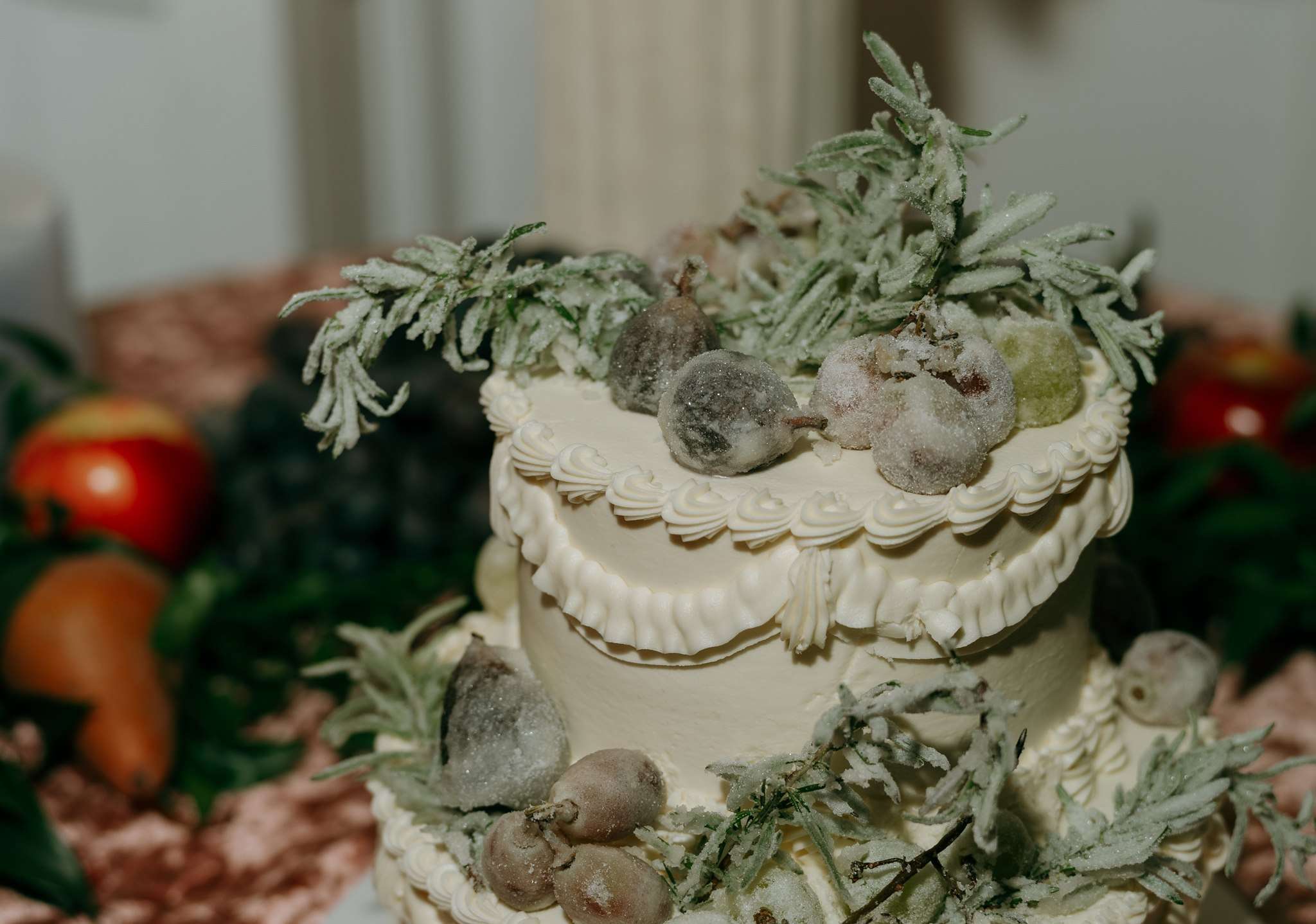
Industry analysts note that weddings incorporating strong thematic elements—especially those rooted in art history or specific cultural movements—tend to see higher levels of guest engagement and social media longevity. By treating the wedding as an art project rather than a formal ceremony, the couple successfully created a "dark fairytale" aesthetic that felt both grounded in history and uniquely modern.
The couple’s philosophy—that a wedding should reflect the identity of the participants rather than adhere to external expectations—is indicative of a wider shift in the wedding industry. As the cost of weddings continues to rise, the trend of combining personal, hand-crafted labor with high-concept design allows couples to maximize the "theatrical" impact of their event while maintaining control over the narrative.
Conclusion
The Still Life in Real Life wedding stands as a testament to the power of thematic consistency and the integration of personal history with artistic vision. Through the use of local, vintage, and hand-crafted resources, the couple successfully executed a complex, period-inspired design that remained intimate and deeply personal. Their wedding serves as an example for future couples looking to balance the high-drama requirements of an aesthetic theme with the logistical necessity of a budget-conscious, family-oriented celebration. By prioritizing their own creative satisfaction over standardized industry norms, Ashley and Grant managed to turn their wedding into a lasting piece of art, proving that the most successful events are often those that refuse to cater to anyone but the hosts.