Sustainable Winter Wardrobe: A Comprehensive Guide to Ethical Cold-Weather Accessories in the UK

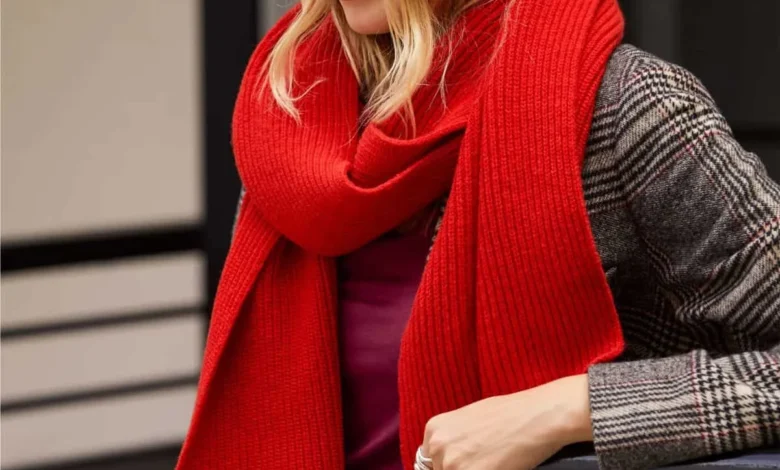
As winter temperatures drop across the United Kingdom, consumer focus increasingly shifts toward seasonal wardrobe updates. While winter coats and sturdy footwear often dominate sustainable fashion conversations, smaller accessories such as gloves, scarves, and mittens present distinct ethical and environmental challenges. Finding cold-weather accessories that balance warmth, aesthetic appeal, and stringent environmental standards can be complex. Consumers must navigate a labyrinth of synthetic blends, dubious supply chains, and greenwashed marketing to find genuinely earth-conscious products.
To address this gap in the market, sustainability experts have curated a selection of verified UK-friendly brands that prioritize eco-friendly materials, ethical manufacturing, and transparent supply chains. This review examines five prominent labels—Seasalt, The Nearly New Cashmere Co., Dilling, Isabella Oliver, and Devold—evaluating their production methods, material sourcing, and overall environmental impact.
The Environmental Cost of Conventional Winter Accessories
The global textile industry is one of the most environmentally resource-intensive sectors in the world, and winter accessories are no exception. Traditional gloves, scarves, and hats are frequently manufactured from virgin acrylic, polyester, or conventional wool. Synthetic fibers like polyester and nylon are petroleum-derived, contributing to fossil fuel extraction and releasing millions of microscopic plastic microfibers into aquatic ecosystems every time they are washed.

Conversely, conventional wool production carries its own ethical and environmental burdens. Issues such as land degradation, overgrazing, and a controversial sheep mutilation practice known as mulesing have drawn sharp criticism from animal welfare organizations. Furthermore, the chemical scouring and heavy-metal dyeing processes traditionally used to treat raw wool can severely pollute local waterways in manufacturing regions if proper wastewater treatment infrastructure is absent.
In response to these systemic issues, a growing cohort of responsible fashion brands has emerged. These companies utilize certified organic materials, recycled fibers, and transparent supply chain models to offer consumers viable, low-impact alternatives for the winter season.
Leading Sustainable Brands for Winter Accessories
Seasalt: Pioneering Organic and Traceable Textiles
Seasalt, a Cornwall-based lifestyle brand, has long established itself as a frontrunner in sustainable fashion. Notably, the company was the first fashion retailer to achieve Soil Association Global Organic Textile Standard (GOTS) certification back in 2005. For the winter season, Seasalt offers a diverse range of ethical hats, gloves, and snoods for both men and women, with prices starting at £27.95.
The brand’s commitment to responsible material sourcing is evident in its reliance on recycled nylon, non-mulesed merino wool, and wool certified by the Responsible Wool Standard (RWS). The RWS certification guarantees that wool is sourced from farms utilizing progressive land management practices that protect soil health and uphold strict animal welfare standards. Beyond raw materials, Seasalt has optimized its fulfillment operations by eliminating single-use plastics from its product shipping processes, significantly reducing the carbon footprint of its supply chain.

The Nearly New Cashmere Co.: Zero-Waste Upcycling
For consumers seeking a zero-waste, highly tactile approach to winter warmth, The Nearly New Cashmere Co. offers a specialized British alternative. The company operates primarily by restoring and reselling preloved cashmere garments, extending the lifecycle of luxury knitwear that might otherwise end up in landfills.
When 100% cashmere jumpers are deemed too worn for traditional restoration, the brand upcycles them into cozy fingerless gloves, priced from £26. These gloves provide a practical solution for cold-weather utility—allowing finger dexterity for tasks like using smartphones—while maintaining the exceptional softness and thermal insulation characteristic of cashmere. In addition to gloves, the brand produces an array of upcycled neck warmers and hats, reinforcing a circular economy model within the UK fashion landscape.
Dilling: Vertical Integration and Plastic-Free Lambswool
Dilling, a European textile manufacturer with a strong presence in the UK market, specializes in natural-fiber winter accessories, including organic lambswool mittens priced at £29.99. These accessories are manufactured entirely free of synthetic plastics, utilizing 100% GOTS-certified lambswool that offers natural breathability and thermal regulation.
Dilling enforces a strict policy against mulesing across its entire wool supply chain and completely avoids heavy metals during the dyeing process. A key differentiator for Dilling is its unique operational model: the company owns and operates its own dye house, cutting facility, and manufacturing plants. This vertical integration grants the company granular control over labor conditions, quality assurance, and environmental impact reduction.
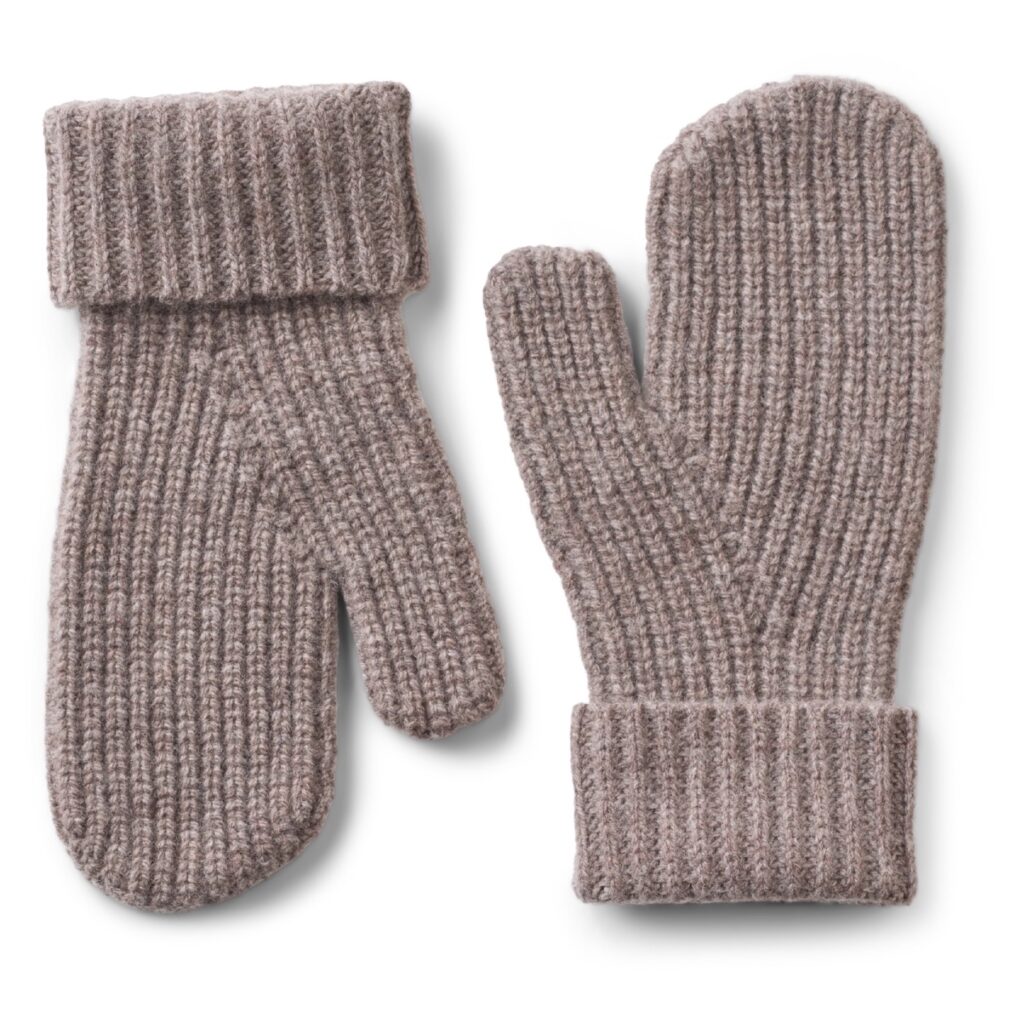
Furthermore, Dilling champions product longevity through consumer education. The brand supplies specialized repair patches and comprehensive digital repair guides, encouraging customers to mend rather than discard damaged garments.
Isabella Oliver: European Craftsmanship and Low-Impact Logistics
While widely recognized for its maternity wear, Isabella Oliver maintains a robust collection of sustainable winter accessories, including hats, scarves, and balaclavas priced from £39. The brand’s cold-weather line is predominantly manufactured in Europe using recycled wool, minimizing the distance raw materials travel during the production cycle.
In an effort to curb logistical emissions, Isabella Oliver has instituted a strict transportation policy, ensuring that all finished accessories are transported to its central warehouses exclusively by road rather than air freight. This strategic shift considerably lowers the carbon intensity associated with importing seasonal inventory into the UK market.
Devold: Norwegian Heritage and Traceable Merino Wool
With roots dating back to 1853, Norwegian brand Devold specializes in high-performance wool knitwear designed to withstand sub-zero arctic conditions. Available in the UK through outdoor retailers such as Alpinetrek with prices starting around £20, Devold’s winter range includes merino wool gloves, mittens, and caps.

Devold’s manufacturing philosophy centers on complete supply chain transparency and animal welfare. All wool used in its winter accessories is 100% organic, mulesing-free merino wool, sourced directly from trusted farmers. By leveraging the natural antimicrobial and thermal properties of wool, Devold creates durable accessories that require less frequent washing, thereby conserving water and energy over the product’s lifespan.
Broader Implications and Industry Trends
The proliferation of traceable, eco-friendly winter accessories reflects a broader structural shift within the UK retail market. Consumers are increasingly scrutinizing corporate sustainability claims, demanding verifiable certifications such as GOTS and RWS rather than accepting vague marketing terminology like "eco-friendly" or "natural."
Industry analysts note that brands adopting circular economy principles—such as upcycling, repair initiatives, and plastic-free packaging—are better positioned to retain environmentally conscious consumer demographics. As regulatory pressures mount regarding greenwashing and textile waste management, the transparency demonstrated by brands like Seasalt, Dilling, and The Nearly New Cashmere Co. may soon transition from a competitive advantage to an industry-wide compliance standard.
Ultimately, investing in high-quality, ethically produced winter accessories allows consumers to align their purchasing power with their personal values, ensuring that staying warm during the colder months does not come at the expense of ecological preservation or ethical labor standards.