Action Bronson Unveils New Balance 2811 "MikroÄpske," Marking His First Signature Sneaker

Queens, NY – Action Bronson, the multifaceted artist celebrated for his distinctive flow, culinary ventures, and now, significant contributions to sneaker culture, has officially unveiled his inaugural signature shoe with New Balance: the 2811 "MikroÄpske." This groundbreaking release signifies a profound evolution in the partnership between the rapper and the Boston-based sportswear giant, moving beyond a series of highly successful collaborations on existing silhouettes to a fully unique, artist-designed model. The reveal, which followed a late-June teaser, has sent ripples of excitement through the sneaker community, underscoring Action Bronson’s growing influence as a design visionary.
A New Chapter in Collaboration: From Curated Designs to Signature Silhouette
Since 2023, Action Bronson has established himself as one of New Balance’s most prolific and impactful collaborators, having released more than a dozen sneakers that consistently sell out and command high prices on the secondary market. His previous ventures, including the critically acclaimed 990v6 "Baklava," the vibrant 1906R, and the robust 2002R, have all reinterpreted existing New Balance models through Bronson’s eclectic and often audacious aesthetic. These projects leveraged his unique eye for color palettes and material combinations, injecting fresh life into beloved classics and attracting a new demographic of consumers to the brand.

The 2811 "MikroÄpske," however, represents a pivotal shift. Unlike its predecessors, this model is not a reimagining of an archived design but a completely new creation from the ground up, bearing Bronson’s personal touch throughout its entire structure. This move from collaborator to signature artist is a rare and significant achievement in the highly competitive sneaker industry, typically reserved for athletes or designers with proven, long-term impact and a deep understanding of footwear mechanics and market appeal. While the 2811 incorporates familiar New Balance cushioning technology, specifically the robust Abzorb 2010 tooling underfoot, its multi-material upper is entirely new, reflecting a bespoke design tailored to Bronson’s vision. The Abzorb technology, known for its superior shock absorption and responsive cushioning, provides a solid foundation for the innovative upper, ensuring comfort and performance alongside distinctive style.
Design Deep Dive: The "MikroÄpske" Aesthetic
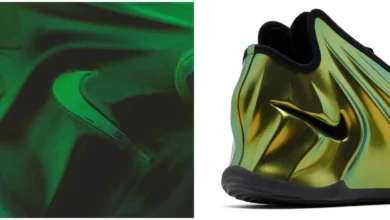
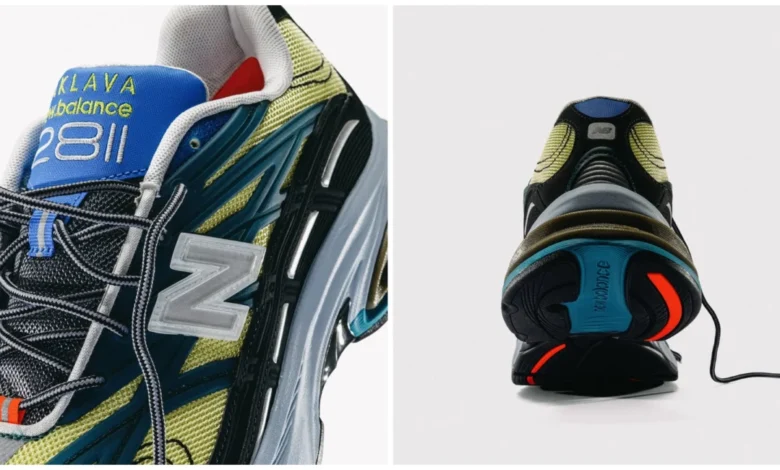
The debut "MikroÄpske" colorway of the Action Bronson x New Balance 2811 is a testament to the rapper’s distinct and often unconventional design philosophy. It is a harmonious, yet bold, fusion of earthy tones and vibrant accents, creating a visually complex and engaging sneaker. The base layer features a light yellow mesh, providing breathability and a subtle, almost vintage feel. This is meticulously layered with dark green TPU structural overlays, which not only add durability and support but also introduce a rich, natural contrast.
Further down, a sophisticated black mudguard grounds the design, adorned with reflective silver accents that promise visibility and an added flash of style in low-light conditions. The iconic New Balance "N" logo, typically a prominent feature, is rendered in a clear TPU, offering a subtle branding element that allows the intricate material play of the upper to take center stage. Perhaps the most signature element, and a nod to Bronson’s overarching brand identity, is the blue Baklava-branded nylon tongue. The "Baklava" motif, which has become synonymous with Action Bronson’s collaborations, signifies his personal brand and adds an element of exclusivity and recognition for his dedicated fanbase. This particular colorway is meticulously crafted, suggesting a narrative or inspiration that intertwines with Bronson’s personal history or artistic themes, distinguishing it from mere aesthetic choices. The combination of textures—mesh, TPU, nylon, and reflective elements—creates a dynamic interplay that ensures the sneaker stands out, embodying a rugged yet refined aesthetic characteristic of Bronson’s previous work.

The Journey to a Signature Shoe: Action Bronson’s Enduring Partnership with New Balance
The journey to the 2811 "MikroÄpske" began in 2023, when Action Bronson first joined forces with New Balance. This collaboration quickly blossomed, propelled by Bronson’s authentic connection to the brand and his ability to translate his unique persona into compelling footwear designs. New Balance, known for its strategic and often unexpected partnerships, has successfully leveraged cultural figures like Bronson to broaden its appeal beyond traditional athletic wear, tapping into lifestyle and fashion segments with significant success. The brand’s decision to invest in a signature model with Action Bronson reflects a deep understanding of his cultural capital and a recognition of his consistent ability to generate hype and sales.
Action Bronson himself expressed profound pride in this milestone project. In his June Instagram teaser, he articulated the significance of the 2811, stating, "I wanted to give you a first look at something I’m very proud of and a long time in the making. I present to you my signature sneaker, the Baklava-designed 2811. This project is magic. To be able to add my own number to the NB brand is a great feeling. The legacy will live on forever." This statement not only conveys his personal investment in the design but also highlights the symbolic weight of having a unique model number within the New Balance catalog, traditionally reserved for core brand innovations or long-standing iconic lines. It solidifies his position not just as a collaborator, but as a legitimate designer within the brand’s storied history.
Exclusive Pre-Release Ignites Fan Frenzy and Resale Market Activity

The anticipation surrounding the 2811 "MikroÄpske" reached a fever pitch with a highly exclusive pre-release event held in Brooklyn. On a recent Saturday, 300 pairs were made available to tri-state residents at a private event, running from noon to 3 p.m. ET. As expected for such a limited and highly coveted item, the event was a resounding success, with all 300 pairs selling out almost instantaneously. This strategic pre-release not only rewarded dedicated fans with early access but also served to amplify the buzz surrounding the official wider launch.
The immediate aftermath of the Brooklyn event saw a predictable surge in secondary market activity. Within hours, several pairs of the Action Bronson x New Balance 2811 "MikroÄpske" began appearing on online resale platforms such as eBay, with asking prices starting at a staggering $800. This figure is a clear indicator of the immense demand and scarcity surrounding the sneaker, far exceeding its likely retail price. The rapid inflation of value on the resale market is a common phenomenon for limited-edition celebrity collaborations and underscores the cultural cachet Action Bronson brings to the New Balance brand. Platforms like StockX and GOAT are also expected to see significant activity once the shoe receives its wider release, further cementing its status as a highly sought-after collectible. The robust performance on the secondary market not only validates the collaboration’s appeal but also highlights the growing economic ecosystem built around exclusive sneaker drops.
Broader Implications: Redefining Artist Partnerships and Sneaker Culture
The launch of the Action Bronson x New Balance 2811 "MikroÄpske" carries significant implications for various facets of the fashion and sneaker industries.

For Action Bronson’s Brand: This signature shoe marks a critical milestone, elevating him from a popular collaborator to a recognized designer with a unique silhouette to his name. It cements his status as a tastemaker and innovator, further diversifying his already impressive portfolio which spans music, television, and culinary arts. The "Baklava" branding on the tongue ties the sneaker directly to his personal brand, reinforcing his identity and extending his influence deeper into the fashion realm. This move could inspire other artists to pursue more ambitious design roles, pushing the boundaries of traditional celebrity endorsements.
For New Balance’s Market Position: For New Balance, the 2811 "MikroÄpske" is a strategic triumph. It demonstrates the brand’s commitment to innovation and its willingness to empower its creative partners with significant design freedom. By granting Action Bronson a signature model, New Balance reinforces its image as a brand that values authenticity and artistic expression, further attracting a diverse and culturally aware consumer base. This move also strengthens New Balance’s competitive edge against industry giants like Nike and Adidas, which have historically dominated the signature artist and athlete shoe market. It underscores New Balance’s successful strategy of cultivating meaningful relationships that resonate deeply with consumers, rather than relying solely on large-scale marketing campaigns. The success of this collaboration can serve as a blueprint for future partnerships, signaling a new era of co-creation where artists are given unprecedented control over product development.
Impact on the Sneaker Industry: The 2811 "MikroÄpske" is indicative of a broader trend in the sneaker industry where unique, artist-designed silhouettes are becoming increasingly prominent. This shift moves beyond simple colorway changes or material updates on existing models, pushing for genuine design innovation driven by creative individuals. The rapid sell-out of the pre-release and the immediate high resale values highlight the power of limited releases and the fervent demand they generate within the global sneaker community. It also reinforces the significant role of the resale market as both a barometer of hype and a legitimate, albeit volatile, economic force within the industry. This collaboration further blurs the lines between fashion, music, and sportswear, creating a dynamic ecosystem where cultural influence directly translates into tangible product success.
Anticipated Wide Release and Future Outlook

While the Brooklyn pre-release offered an exclusive glimpse, the Action Bronson x New Balance 2811 "MikroÄpske" is expected to receive its official, wider release soon. Eager fans who missed the initial drop will have another opportunity to acquire the sneaker directly from the artist’s official e-commerce store, specializinginlife.com. Details regarding potential broader distribution through New Balance’s channels or select retailers are yet to be fully disclosed but are eagerly awaited by the global sneaker community.
Looking ahead, the success of the 2811 "MikroÄpske" is likely to pave the way for further signature models or expanded lines under Action Bronson’s creative direction. This partnership has demonstrated a fruitful synergy, blending New Balance’s heritage in performance and comfort with Bronson’s distinctive artistic vision. The "MikroÄpske" is more than just a sneaker; it is a statement about the evolving landscape of brand collaborations, the power of individual creativity, and the enduring legacy that can be forged when an artist truly puts their stamp on a product. As the sneaker world continues to watch, the Action Bronson x New Balance narrative promises to remain one of the most compelling and innovative stories in contemporary footwear.