
Bed Bath & Beyond Makes Nostalgic Return With Stand-Alone Store as Neighborhood Intelligence Shifts Strategy

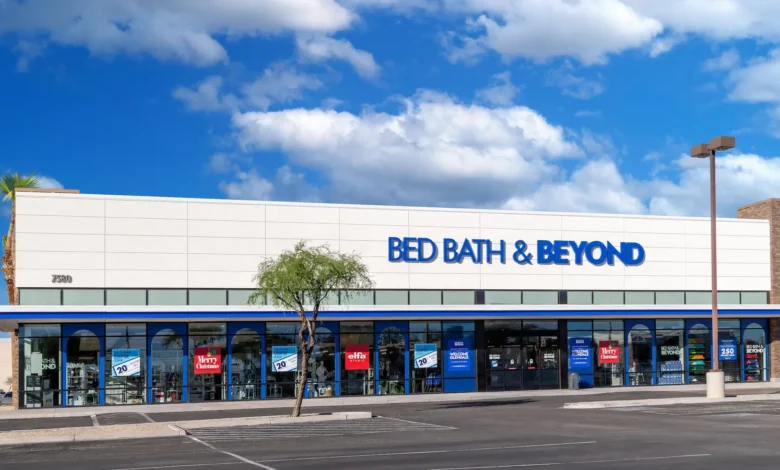
The landscape of American home retail is undergoing a fascinating evolution as Bed Bath & Beyond prepares to reintroduce a piece of its storied retail history to the physical marketplace. Neighborhood Intelligence, the parent company steering the retail brand’s complex corporate turnaround, is officially opening a brand-new, 19,000-square-foot stand-alone Bed Bath & Beyond store in Glendale, Arizona.
Scheduled to open its doors on Saturday, the new storefront represents a deliberate throwback to the classic brick-and-mortar locations that defined the household goods chain for decades. Shoppers walking into the Glendale location will find familiar mainstays that once drew millions of loyal consumers nationwide, including the iconic towel wall, expansive bedding displays, and the return of the brand’s historically famous coupons.
This physical retail launch marks a distinct pivot for Neighborhood Intelligence, which has spent the past several years acquiring distressed retail assets, recalibrating its brick-and-mortar footprint, and attempting to stitch together a cohesive home-goods empire. While the company previously experimented with hybrid formats—such as co-branded concepts combining Bed Bath & Beyond and The Container Store—leadership is now betting that reviving the standalone nostalgia of the original brand will resonate strongly with consumers seeking both value and a recognizable shopping experience.
A Strategic Shift from Acquisition to Organic Growth
The journey of Bed Bath & Beyond from its 2023 Chapter 11 bankruptcy filing to its current iteration under Neighborhood Intelligence has been marked by aggressive corporate maneuvering. In the wake of its bankruptcy, the brand’s intellectual property was acquired, laying the groundwork for a digital-first resurrection that eventually folded into broader corporate structures. Under the banner of Neighborhood Intelligence, leadership embarked on a high-stakes acquisition spree, absorbing prominent retail names such as Overstock.com, Kirkland’s, and The Container Store.
However, the company’s growth strategy has encountered notable speed bumps and a necessary evolution. In recent months, proposed corporate deals with Fathom Holdings and F9 Brands were abruptly called off. During a third-quarter earnings call with analysts, CEO Marcus Lemonis made it explicitly clear that the company is no longer pursuing external acquisitions.
Instead, the corporate priority has shifted inward. Neighborhood Intelligence is now focusing entirely on optimizing the businesses it already owns, fostering organic growth, and improving overall profitability. This operational recalibration has necessitated difficult decisions regarding underperforming physical assets. According to Lemonis, the company will have permanently shuttered 11 Container Store locations by the close of the year, alongside the ongoing closure of 39 Kirkland’s stores. Many of these shuttered units suffered from negative four-wall operating margins, compounded by impending lease expirations.
Notably, the Glendale, Arizona store opening this weekend is taking over a former Container Store location that previously suffered from negative four-wall performance. By repurposing the real estate into a nostalgic Bed Bath & Beyond format, leadership hopes to correct past retail missteps and capture local demand more effectively.
Financial Performance and Third-Quarter Metrics
The strategic recalibration comes on the heels of a financially complex third-quarter earnings report. Neighborhood Intelligence reported a staggering 98% year-over-year revenue increase, bringing total revenue to $509 million. However, a closer examination of the financial data reveals that this top-line surge was driven almost entirely by recent corporate acquisitions, which contributed $229 million to the period’s total earnings. Excluding the impact of these acquisitions, organic revenue growth stood at a modest 9%, while the company maintained a gross margin of approximately 34%.
The company’s digital channels proved to be a notable bright spot during the quarter. The e-commerce business registered a 9% increase—marking its strongest growth rate in 19 quarters. This digital momentum was spearheaded by a remarkable 75% surge at Overstock.com. Meanwhile, the standalone Bed Bath & Beyond banner demonstrated steady operational health, growing its revenue by $23 million compared to the same period a year prior. This was supported by a 1.5% increase in order volume and a substantial 7.4% rise in average order value.
Despite revenue gains, the company’s bottom line reflected the heavy costs associated with its corporate restructuring and store closures. Operating losses widened significantly, expanding to $62 million compared to approximately $12.5 million in the corresponding quarter of the previous year. Net losses similarly escalated, exceeding $26 million up from $4.5 million last year.
Looking ahead, Neighborhood Intelligence remains optimistic about its financial trajectory. Leadership is projecting sequential fourth-quarter revenue growth of 5% over the third quarter, a forecast that already accounts for ongoing store closures. For the full fiscal year 2027, consolidated revenue is anticipated to land between $2.0 billion and $2.1 billion, with projected gross margins hovering between 33% and 34%. Over the long term, CEO Lemonis expressed confidence that structural improvements could push gross margins closer to 37%.
Rebuilding Supply Chains and Avoiding Past Mistakes
A cornerstone of Neighborhood Intelligence’s turnaround strategy involves a rigorous overhaul of product sourcing, inventory management, and vendor relationships. Lemonis pointed directly to strategic errors made by original Bed Bath & Beyond management prior to the 2023 bankruptcy, chief among them being the decision to distance the retailer from major national brand partners such as Shark, Cuisinart, and Laura Ashley.
In contrast, Lemonis praised the operational structure of The Container Store, which he believes maintains the ideal balance of stocking trusted name-brand products while exercising pricing flexibility. This flexibility is largely driven by global sourcing capabilities that allow the company to control product costs and expand profit margins.
Furthermore, the acquisition of Kirkland’s provided Neighborhood Intelligence with a robust global sourcing and product development team, complete with direct factory relationships. According to Amy Sullivan, President of Neighborhood Intelligence, these integrated capabilities are designed to complement popular national brands with differentiated, private-label merchandise. By eliminating unprofitable Stock Keeping Units (SKUs) and cutting ties with underperforming vendors, the company expects to see meaningful financial benefits from its new sourcing and assortment programs beginning by the middle to latter half of 2027.
Vendor Realignments and Internal Friction
As Neighborhood Intelligence aggressively reshapes its product assortment and store economics, the strategy has inevitably caused friction with legacy partners. A prominent example surfaced when lifestyle brand and home-organization company The Home Edit announced that its products would be completely removed from The Container Store.
The Home Edit, which launched an exclusive, highly publicized collection with The Container Store in 2019, expressed shock over the sudden change. In a video published to Instagram by co-founders Clea Shearer and Joanna Teplin, the entrepreneurs addressed their followers directly, stating that they had been long-term partners and were surprised by the retailer’s direction. The founders remarked that The Container Store, alongside Bed Bath & Beyond, appeared to be undergoing an identity crisis that ultimately excluded their brand. While Shearer and Teplin indicated they would soon transition to new retail partners, they did not immediately disclose specific destinations.
Neighborhood Intelligence leadership quickly pushed back against the public narrative. Amy Sullivan characterized The Home Edit’s public statement as inaccurate. According to Sullivan, the arrangement was governed by a one-year vendor agreement established prior to the corporate acquisition, which is slated to expire in December 2026. Sullivan explained that the decision not to renew the contract stemmed from sales velocity that failed to justify a product reorder. However, she confirmed that existing inventory would remain on store shelves until the remaining assortment is fully sold through, ensuring a controlled conclusion to the partnership.
At the same time, The Container Store has begun introducing fresh inventory across multiple core home categories, including the kitchen, bedroom, and bathroom departments, alongside a comprehensive revitalization of its legacy storage and organization aisles.
Navigating Macroeconomic Headwinds
Despite a challenging macroeconomic environment characterized by persistent consumer affordability pressures and historically low housing market turnover, Neighborhood Intelligence leadership maintains that the business model is insulated against broader real estate trends.
"What gives me confidence is that we’re not relying on a housing recovery to make this business work," Lemonis stated during the earnings call. He emphasized that even when home sales slow down, consumers consistently allocate disposable income toward maintaining, organizing, and improving their existing living spaces. By positioning its family of brands to directly capture these recurring consumer needs, the company aims to secure steady operational performance today while remaining well-positioned to capitalize on any future resurgence in housing market activity.
As the doors of the new Glendale storefront open this weekend, industry analysts will be watching closely to see whether the nostalgic return of the iconic towel wall, familiar bedding displays, and famous coupons can successfully reignite consumer passion for a retail giant that has fought hard to reclaim its place in the American home.
Related posts: