Martine Rose Appointed as New Creative Director of Balenciaga Marks a New Era for the Kering-Owned Fashion House

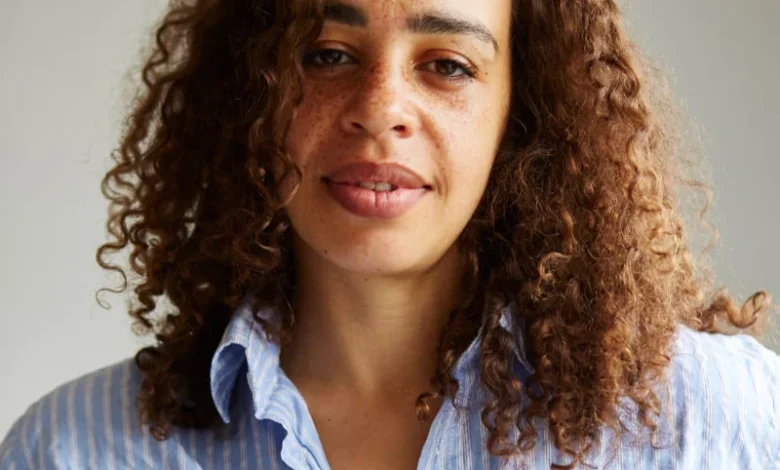
The fashion industry has reached a significant turning point following the official announcement from Kering that Martine Rose has been appointed as the new Creative Director of Balenciaga. This appointment concludes months of industry speculation regarding the future of the house and represents a strategic pivot for the brand as it seeks to balance its avant-garde heritage with a evolving consumer landscape. Rose, a designer celebrated for her sociological approach to fashion and her mastery of subcultural aesthetics, is widely expected to transition the house away from the hyper-ironic, internet-centric dominance of her predecessor, Demna, toward a more grounded, community-focused design philosophy.
A Legacy of Subversive Design
Martine Rose’s trajectory to the helm of a major luxury house is rooted in nearly two decades of independent design work. Born in Croydon to a British-Jamaican family, Rose’s formative years were heavily influenced by the diverse cultural tapestry of South London, spanning reggae, rave, and sound system subcultures. Unlike many of her contemporaries who emerged from elite design circles, Rose’s path was marked by a pragmatic, often grassroots approach. After graduating from Middlesex University in 2002, she navigated the industry without the immediate support of high-level financial backing, famously balancing her design career with part-time work in bars and clubs well into her early thirties.
Her design language is defined by a deep curiosity regarding the relationship between clothing and the wearer’s identity. Rose’s collections have frequently challenged traditional menswear archetypes, utilizing unconventional proportions and textiles to mirror the realities of urban life. This instinct for sociological observation—rather than purely aesthetic creation—is what many industry analysts point to as her primary strength.
Chronology of an Evolving Partnership
The relationship between Martine Rose and Balenciaga is not a new development, but rather a long-standing creative dialogue that began in the mid-2010s.
- 2016: Balenciaga launches its first dedicated menswear runway collection in Paris. During this formative period, Rose is brought on as a menswear consultant, a role she maintains until 2018. Her input is credited with helping shape the brand’s new, boundary-pushing vocabulary.
- 2017: Rose is nominated for the prestigious LVMH Prize, signaling her growing influence within the independent fashion sector.
- 2021: The investment firm Tomorrow acquires a 60 percent stake in the Martine Rose label, aimed at accelerating international expansion and infrastructure development.
- March 2026: The partnership faces turbulence when production orders for the Autumn/Winter collection are temporarily cancelled, later reinstated, highlighting the structural difficulties faced by independent designers operating within high-growth financial models.
- Late 2026: Kering confirms the appointment of Martine Rose as Creative Director of Balenciaga, succeeding Demna.
The Financial Context of Luxury Realignment
The appointment arrives at a critical juncture for the luxury sector. According to recent market reports, major luxury conglomerates are increasingly moving away from the "drop-culture" model that characterized the mid-2010s. With economic uncertainty impacting global retail and a cooling in the appetite for logomania, brands are pivoting toward "quiet luxury" and design-led innovation that prioritizes longevity and craftsmanship.
Kering’s decision to tap Rose suggests an acknowledgment that the brand needs a new narrative. While the previous era of Balenciaga was defined by viral moments and meme-driven digital engagement, current data suggests that high-net-worth consumers are becoming more selective. Rose’s track record of building a loyal, cult-like following through authentic cultural references provides a more stable, albeit quieter, foundation for the brand’s future. Furthermore, her ability to thrive in a "consultancy" capacity previously suggests she understands the technical demands of a large-scale heritage house, which will be essential as she begins to navigate Balenciaga’s extensive archive.
Expanding the Scope: Menswear to Womenswear
One of the most anticipated aspects of this transition is how Rose will interpret the Balenciaga womenswear universe. Throughout her career, Rose has treated gender as a fluid concept, frequently designing garments that resist the traditional, restrictive definitions of the female silhouette. Her interest in the "awkward elegance" of clothing aligns closely with the work of the brand’s founder, Cristobal Balenciaga, who was himself an architect of volume and a pioneer of liberating the body from the constraints of the classic 1950s cut, most notably through the creation of the iconic "sack dress."
Analysts suggest that Rose may introduce a more functional approach to glamour. By focusing on how clothing inhabits space rather than how it dictates the shape of the body, she is positioned to attract a broader demographic of women who have historically felt alienated by the binary choices offered by luxury brands—often polarized between hyper-sexualized "boss girl" imagery or traditionalist, archaic silhouettes.
Demographic Shifts and Cultural Relevance
A central challenge for modern luxury houses is the "generation gap" in brand loyalty. While fashion marketing has traditionally obsessed over capturing the youth market, demographic shifts in the West—specifically the aging of the Millennial and Gen X cohorts—cannot be ignored. These generations hold significant purchasing power but are increasingly turning away from the aspirational, influencer-driven marketing of the past decade.
Rose’s work is uniquely suited to bridge this gap. Her designs are rarely age-specific; they are rooted in a lived-in, authentic cultural knowledge that resonates across age brackets. By not designing specifically for "youth" or "status," she allows the brand to appeal to a consumer base that values taste, substance, and cultural intelligence over the transient trends of social media algorithms.
The Future of Independent Design and Corporate Luxury
The path to this appointment has not been without controversy regarding the sustainability of independent labels. The recent dissolution of brands like Coperni, following legal and financial disputes with institutional investors, has cast a spotlight on the precarious nature of independent design. The industry is watching closely to see if Rose’s move to a corporate structure will allow her to maintain the creative integrity that defined her independent business.
Industry observers note that the success of this tenure will likely depend on the degree of creative autonomy granted to Rose. Kering, which has seen its market valuation fluctuate alongside the broader luxury sector, is under pressure to deliver a cohesive vision that translates to both commercial success and critical acclaim.
As Martine Rose prepares her debut collection, the industry expectation is not for a dramatic, shock-value spectacle, but rather for a sustained, thoughtful interrogation of what luxury means in the modern era. By grounding the house in a renewed sense of social identity and technical precision, Rose has the potential to redefine the parameters of what a global fashion house can represent. Her tenure will ultimately be judged by her ability to reconcile the heavy weight of Balenciaga’s heritage with the realities of a world that is increasingly looking for authenticity over artifice.