The Netflix Effect: How America’s Sweethearts Transformed the Dallas Cowboys Cheerleaders Into a Global Commercial Empire

The cultural footprint of the National Football League has long extended beyond the gridiron, branching into fashion, entertainment, and mainstream pop culture. However, few entities within professional sports have undergone as radical a commercial and public perception evolution in recent years as the Dallas Cowboys Cheerleaders (DCC). Driven by the runaway success of the Netflix docuseries America’s Sweethearts, the organization has transcended traditional sports entertainment, emerging as a powerful, multi-million-dollar bridge connecting athletic performance to the global fashion and beauty industries.
According to former DCC group leader Megan McElaney, the monumental shift following the streaming platform’s spotlight centers primarily on how the public perceives the women wearing the iconic blue and white uniform. While the squad enjoyed decades of domestic recognition and a formidable legacy predating the series, the global reach of streaming media fundamentally altered their narrative. Viewers were granted an unprecedented, behind-the-scenes look at the grueling auditions, intense physical labor, and emotional resilience required to maintain a spot on the squad. Consequently, the cultural dialogue surrounding the DCC has pivoted away from antiquated stereotypes, establishing them firmly in the public consciousness as elite athletes and cultural influencers.
The Measurable Surge in Global Audiences and Streaming Metrics
The quantifiable impact of America’s Sweethearts on viewership is both immediate and staggering. During its premiere run, the first season of the Netflix series captured 2.3 million global views within its initial four days of release, a figure that climbed to 3.7 million views the subsequent week. The momentum continued into subsequent installments; season three opened at No. 4 on Netflix’s global English-language television chart during its debut month, pulling in 3.2 million views in its first six days alone.
This massive influx of eyes did not merely generate streaming metrics; it created a highly coveted, highly engaged demographic pool that major fashion and beauty brands were eager to capture. By introducing the cheerleaders to international markets and demographics that traditionally do not follow professional football—including younger female audiences interested in lifestyle, dance, and reality television—the DCC created a unique marketing pipeline.
A New Era of Brand Partnerships and Retail Integration
Major retail corporations have been quick to capitalize on this expanded demographic. This week, Sally Beauty announced a landmark partnership, marking its first-ever professional football collaboration by signing on as the official beauty retailer of both the Dallas Cowboys and the DCC. Concurrently, apparel giant Abercrombie & Fitch significantly expanded its existing relationship with the organization, broadening its product offerings, incorporating athlete styling initiatives, and launching year-round retail activations.
As part of the expanded Abercrombie partnership, the brand has installed a custom-branded merchandise closet directly inside the DCC locker room at The Star in Frisco, Texas. This curated product assortment is refreshed on a monthly basis, outfitting the squad for their off-field personal appearances and everyday wardrobes. Furthermore, the broader Abercrombie x Cowboys collection has secured nationwide distribution through NFLShop.com and AT&T Stadium, supported by the brand’s strategic partnership with Fanatics.
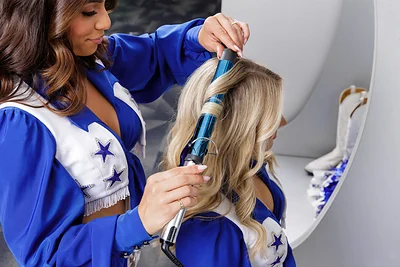
Sally Beauty is similarly deploying a targeted strategy to convert sports and entertainment fans into long-term customers. The retailer plans to leverage DCC-generated content, public appearances, and live product demonstrations to educate consumers on how to recreate the squad’s signature game-day hair and nail aesthetics. Additionally, the partnership serves as a vehicle to promote Sally Beauty’s rapidly expanding men’s hair-care product lines.
Strategic Realignments and Retailer Transformations
For legacy retailers like Sally Beauty, aligning with high-visibility pop culture icons is an essential tactic in modern consumer acquisition. Chris Kobus, chief marketing officer of Sally Beauty, noted that the collaboration directly supports the company’s ongoing corporate transformation. The initiative is explicitly designed to introduce the brand to modern consumers who may harbor outdated perceptions of the company.
Neil Saunders, managing director of GlobalData Retail, emphasizes the necessity of such moves in a competitive marketplace. "There is a lingering general perception that Sally is more of a functional retailer that majors in hair care," Saunders observed. "That’s no longer true, but to capture new shoppers, Sally must work at creating the view that it’s a place for inspiration and a destination for many beauty categories."
By tapping into the cultural cachet of the DCC, Sally Beauty aims to rebrand itself from a purely functional supply destination into an inspiring, multi-category lifestyle hub.
The Economic Landscape of NFL Fashion and Beauty Sponsorships
The commercial viability of the Dallas Cowboys organization as a marketing machine is well-documented, routinely leading the league in revenue generation and merchandise sales. However, the cheerleading squad offers corporate partners a distinct entry point that traditional player sponsorships cannot replicate.
Data compiled by sponsorship intelligence firm SponsorUnited illustrates the explosive growth of this specific market segment. Fashion and beauty sponsorship spending across the entire NFL rose by 16.9% year-over-year, reaching $58 million during the 2025–2026 season. Concurrently, the total volume of deals within the category increased by 11.7% to 105 active agreements.
Excluding lucrative venue naming-rights deals, the Dallas Cowboys led all NFL franchises in both fashion and beauty deal counts and total revenue, pulling in upwards of $8 million in category-specific sponsorship spending during the 2025 calendar year. To contextualize their digital footprint, the official social media channels of the Dallas Cowboys Cheerleaders boast more Instagram followers than the entire organizational follower count of 12 individual NFL teams.
"The Cowboys give brands enormous reach, but the Dallas Cowboys Cheerleaders give them something different: an authentic bridge from sports into fashion, beauty, entertainment, and lifestyle," explained Peter Carton, executive director of sport industry engagement and partnerships at Southern Methodist University (SMU).
Bob Heere, a professor specializing in sports management at the University of North Texas, echoes this sentiment, noting that the cheerleaders have historically functioned as the franchise’s primary liaison to female consumers and the broader lifestyle sectors. The emergence of streaming media has effectively widened that bridge to global proportions.
The Complex Reality of Individual Compensation and Representation
Despite the skyrocketing commercial value of the DCC brand, industry analysts and former squad members note that team-level financial windfalls do not automatically translate to direct compensation for individual performers.
"A team-level partnership can create more exposure and opportunities for the cheerleaders, but that doesn’t automatically mean an individual cheerleader receives compensation from that partnership," Megan McElaney explained.
McElaney pointed to the squad’s ongoing relationship with prestige cosmetics brand Charlotte Tilbury as a prime example of a multi-faceted partnership. While the collaboration benefits the entire organization by subsidizing and making accessible the expensive, high-end beauty routines required for game days—and occasionally employing individual cheerleaders for content creation—the economic realities vary widely. Furthermore, McElaney notes that not every member of the squad desires to build a public-facing personal brand or function as a digital influencer.
This dynamic presents unique management challenges as the Cowboys continue to segment their beauty and fashion business into distinct vertical categories, balancing marquee partnerships with luxury brands like Charlotte Tilbury alongside mass-market retailers like Sally Beauty. SMU’s Peter Carton suggests that such arrangements can successfully coexist provided that each corporate partner is granted clearly defined product categories and mutually exclusive activation rights.
Moving From Sponsorship to Immersive Commerce
As the landscape of sports marketing continues to evolve, industry stakeholders agree that the primary benchmark for success is shifting away from traditional metrics like logo visibility and impressions. The ultimate goal for modern brands entering the sports and entertainment ecosystem is direct consumer engagement.
"The real opportunity is moving from sponsorship to commerce," Carton stated. "The question is no longer simply how many people saw your logo; it’s how many consumers engaged with your brand, entered your retail ecosystem, or bought something because of the relationship."
For the women at the center of this burgeoning commercial ecosystem, however, the ultimate measure of progress extends beyond corporate balance sheets. As McElaney emphasizes, the true value of these partnerships must be evaluated by whether the athletes generating the cultural capital are treated as essential stakeholders rather than mere visual assets.
"The most valuable partnerships would be ones where the women themselves are meaningfully included, not just used as part of the visual identity of the brand," McElaney concluded. As the Dallas Cowboys Cheerleaders navigate their new era as global pop-culture icons, balancing corporate profitability with individual empowerment will remain the definitive test of their enduring legacy.
Related posts: