The Evolution of Curated Antique Jewelry Collecting and the Rise of the Modern Talismanic Aesthetic

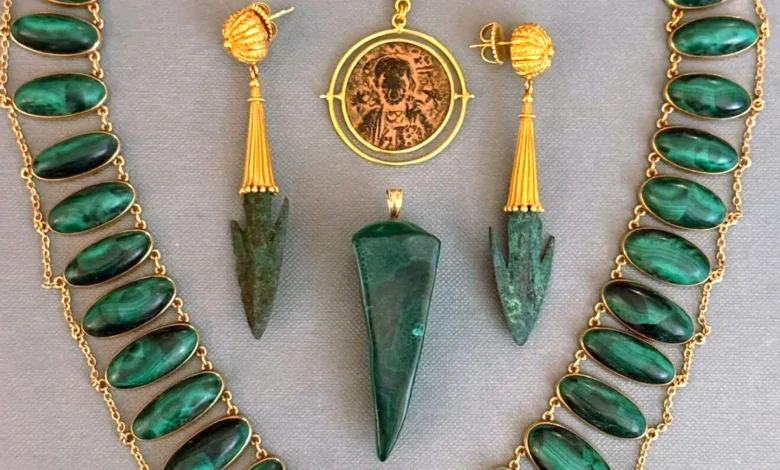
The landscape of antique jewelry collecting has undergone a significant transformation over the last decade, shifting from a niche hobby practiced in local estate sales to a highly curated, digitally driven marketplace. Central to this evolution is the work of collectors like Cyndi, known professionally as @TheFabNab. Her collection, which emphasizes the reimagining of historical components into contemporary wearable art, serves as a case study for the broader trend of "selective collecting"—a practice that prioritizes personal narrative, historical provenance, and talismanic significance over sheer volume or market trends.
A Chronology of the Antique Jewelry Renaissance
The interest in antique jewelry has surged since the early 2010s, fueled largely by the democratization of information through social media platforms. For collectors like Cyndi, the journey began approximately 13 years ago, transitioning from the assembly of semi-precious bead jewelry to the acquisition of rare precious metals and stones.

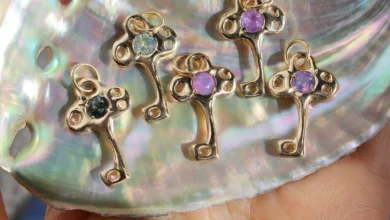
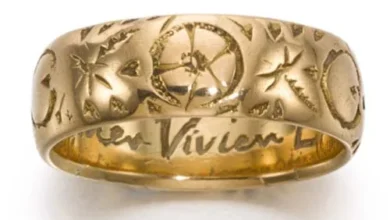
In the early 2010s, the market for antique stick pins—a staple of the Victorian and Edwardian eras—was significantly more accessible. These items, once mass-produced for the burgeoning middle class of the 19th century, became the foundation for a new wave of jewelry design. By 2015, as the scarcity of pristine, high-value antique jewelry increased, the practice of "conversion"—transforming brooches and pins into rings, pendants, or modern charms—gained industry-wide momentum. This period marked a transition where collectors moved from being passive observers of history to active curators, often serving as designers themselves to preserve the utility of historical components.
The Methodology of Selective Collecting
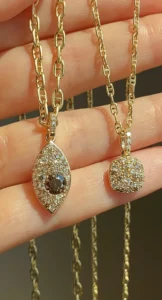
The professional standard for high-end antique jewelry collecting is defined by a deep engagement with specific design motifs. Cyndi’s collection exemplifies this by focusing on themes that offer both aesthetic appeal and historical resonance: celestial imagery, Egyptian revival motifs, and the symbolism of snakes and rubies.
From a historical perspective, these motifs are not arbitrary. Celestial jewelry, particularly the use of old mine-cut diamonds in darkened silver settings, saw a peak in popularity during the late 19th century as astronomers and the public alike were captivated by discoveries in the night sky. Similarly, the Egyptian Revival movement, triggered by the discovery of Tutankhamun’s tomb in 1922, established the scarab and the serpent as enduring symbols of protection and rebirth. By focusing on these specific eras, modern collectors provide a vital service: the preservation of artisanal techniques, such as micro-detailed engraving and stone-setting methods that are rarely replicated in contemporary mass-market manufacturing.

The Talismanic Shift and Market Implications
A defining characteristic of modern jewelry consumption is the shift toward "talismanic" pieces. Data from the luxury goods sector suggests that consumers are increasingly prioritizing items that hold personal, symbolic value over purely decorative assets. This trend reflects a broader psychological shift in consumer behavior, where jewelry is treated as a protective totem or a marker of personal milestones.
For many, the acquisition of a piece of jewelry is no longer merely a transaction; it is a commemorative act. Whether celebrating a professional achievement or marking a personal victory, the piece becomes a permanent physical reminder of a specific life event. This market behavior has created a sub-sector of the jewelry industry dedicated to "re-dreaming" historical components. By taking a Victorian ruby spike—historically associated with strength and fidelity—and re-setting it for contemporary wear, the collector creates a bridge between the 19th-century artisan and the 21st-century wearer. This process not only keeps the history alive but also ensures the longevity of the materials involved, aligning with modern sustainability goals in the fashion and luxury sectors.
Networking and the Digital Marketplace
The growth of the antique jewelry market is inseparable from the development of digital communities. Platforms like Instagram have replaced traditional trade journals as the primary venue for networking among dealers, collectors, and historians. This digital ecosystem has fostered a level of transparency and collaboration that was previously difficult to achieve in the fragmented, international antique trade.

The importance of these relationships cannot be overstated. The ability to source, authenticate, and value antique items often relies on the trust established between participants. The role of dealers, such as those operating out of London’s Portobello Road or the major trade shows in Las Vegas and Miami, has shifted. They are now as much educators as they are vendors. This communal approach to trade has professionalized the industry, with collectors often forming informal syndicates to share expertise and provenance data.
Economic Factors and Market Accessibility
While the demand for high-quality antique jewelry has grown, the supply of authentic, high-grade Victorian and Art Deco pieces remains finite. This scarcity has led to significant price appreciation. The "for a song" pricing that characterized the market a decade ago is no longer reflective of current realities. As competition for rare items increases, the value of those who can identify and repurpose damaged or incomplete antique pieces has risen.
The economic implication of this trend is the emergence of a tiered market. At the top, there is the investment-grade market for untouched, historical items. Below that, there is a robust and growing market for "converted" or "re-imagined" jewelry. This segment is particularly important for the industry’s health, as it allows for a wider demographic of collectors to enter the space. By providing high-quality, wearable pieces at a more accessible price point, creators are sustaining the interest in history among younger generations who might otherwise be priced out of the market.

Professional Outlook and Future Trends
The future of the antique jewelry market appears to be firmly rooted in the intersection of tradition and innovation. As the industry moves forward, the emphasis on authenticity and the personal narrative of each piece will likely become even more pronounced. The "Lucky Numbers and Talismans" approach, which focuses on the customization of historical components to meet the individual’s desire for personal luck or protection, is expected to expand.
Furthermore, as global trade shows and physical gatherings resume and thrive, the human connection element—the "jewelry gang" dynamic—will continue to drive the market. The exchange of knowledge, the mentorship of new collectors, and the collective appreciation of craftsmanship serve as the backbone of this industry.
Ultimately, the work of collectors like Cyndi provides a framework for understanding why antique jewelry remains relevant in a digital age. By curating pieces that serve as physical manifestations of strength, history, and personal growth, collectors are doing more than accumulating assets; they are curating a heritage. This professional commitment to the preservation of history, combined with a willingness to adapt that history for the modern world, ensures that the art of jewelry collecting will remain a vital component of the luxury and historical preservation sectors for years to come. The industry’s ability to turn the "old" into the "fresh" is not merely a design trend; it is a sophisticated method of historical stewardship that honors the past while empowering the wearer in the present.
Related posts: