The Evolution, Craftsmanship, and Enduring Cultural Footprint of the Cable-Knit Jumper in Modern Menswear

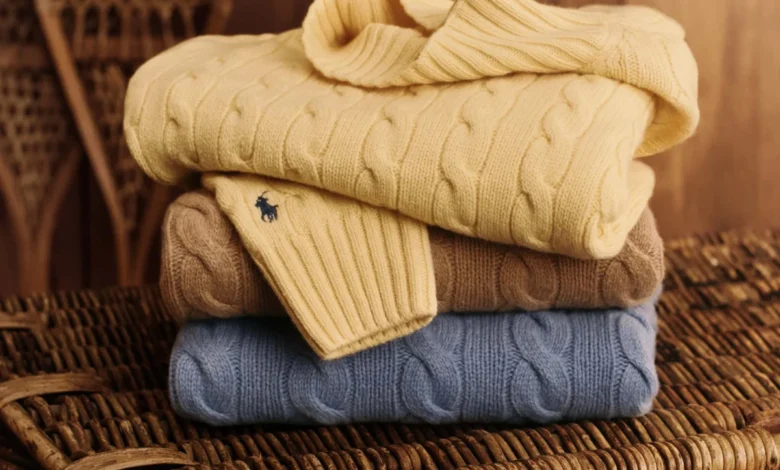
The cable-knit jumper occupies a unique position in global sartorial history, bridging the gap between utilitarian survival wear and high-fashion ubiquity. Originating from the demanding requirements of Irish fishermen battling the elements on the tempestuous Aran Islands, the garment has evolved over more than a century. Today, it stands not only as a functional cold-weather defense but as a pillar of preppy refinement, casual elegance, and enduring luxury fashion, largely spearheaded by heritage houses such as Ralph Lauren.
Understanding the longevity of the cable-knit requires examining its trajectory from coastal craftsmanship to international runways, alongside a practical framework for incorporating this versatile texture into a contemporary wardrobe.
From the Aran Islands to Global Recognition: A Historical Chronology
The origins of the cable-knit sweater are deeply rooted in the maritime culture of the west coast of Ireland. During the late 19th and early 20th centuries, women on the Aran Islands hand-knitted these heavy sweaters using unscoured sheep’s wool. The natural lanolin present in the yarn provided vital water-repellent properties, shielding fishermen from freezing Atlantic spray and bitter winds. Each intricate stitch—from the zigzag lifeline to the diamond-shaped mesh symbolizing fishing nets—carried cultural significance, occasionally serving to identify family lineage in the tragic event of a fisherman being lost at sea.
By the mid-20th century, the appeal of the cable knit transcended its rugged maritime origins. Mid-century cultural icons cemented its status as a symbol of effortless masculinity and timeless style. Figures such as Steve McQueen, Elvis Presley, and John F. Kennedy frequently wore heavy-gauge knits, pairing them with casual tailoring or relaxed leisurewear. Simultaneously, the jumper found a secondary home on elite sporting grounds, notably cricket pitches and university campuses, where its collegiate associations took root.
The definitive modern chapter of the cable knit began in 1973 when American designer Ralph Lauren introduced the unisex Polo cable-knit. By injecting the garment with his signature preppy aesthetic, Lauren transformed a rustic working-class staple into an emblem of American leisure and aspirational lifestyle, popularizing it among vacationers in the Hamptons and urban professionals alike. Over the ensuing decades, the design has transitioned from a seasonal novelty into a perennial cornerstone of autumn and winter collections worldwide.
Decoding Fabrications: Cashmere, Wool, and Cotton
The structural integrity and tactile appeal of a cable knit are defined heavily by its fiber composition. Modern luxury manufacturing typically utilizes three primary fibers, each serving distinct functional and climatic purposes.
Cashmere sits at the pinnacle of knitwear luxury. Sourced from the fine undercoat of cashmere goats, the fibers yield an exceptionally lightweight yarn characterized by a remarkably soft nap. A pure cashmere cable knit offers supreme warmth without the heavy bulk associated with traditional wool, making it an ideal candidate for layering beneath tailored jackets or wearing directly against the skin. While representing a higher initial investment, high-grade cashmere boasts exceptional durability when properly maintained, often lasting decades.
Wool and wool-cashmere blends offer a middle ground, providing greater structural rigidity and enhanced wind resistance. These blends retain the traditional heft of historical garments while softening the scratchiness commonly associated with raw sheep’s wool.
Cotton variations, meanwhile, bridge the seasonal gap, coming to the fore during the transitional spring and summer months. While cotton lacks the insulating properties of wool or cashmere, a cotton cable knit introduces necessary texture to lightweight seasonal outfits, pairing effortlessly with denim, chinos, or shorts.
Fit and Proportions: Tailoring the Silhouette
Selecting a cable knit requires careful consideration of fit, as the dimensional nature of the yarn inherently adds visual weight to the wearer’s upper body.
A slim or regular fit serves as the most versatile option for professional and smart-casual environments. This silhouette sits closely to the body, allowing the garment to slip seamlessly beneath a structured blazer, Harrington jacket, or overcoat without causing unsightly bunching. When tucked into tailored trousers or paired with crisp button-down shirts, a well-fitted cable knit projects a polished, intentional aesthetic.
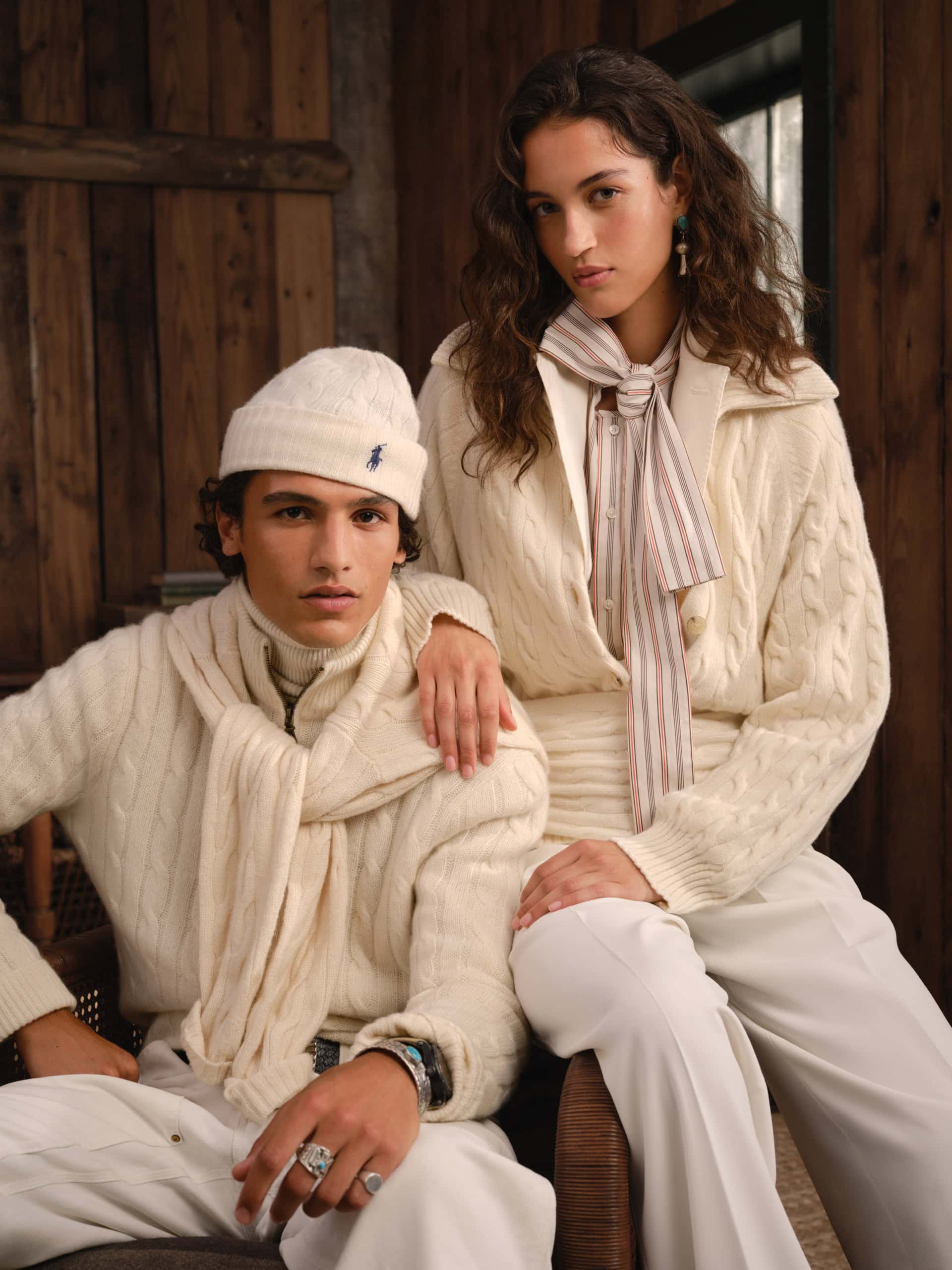
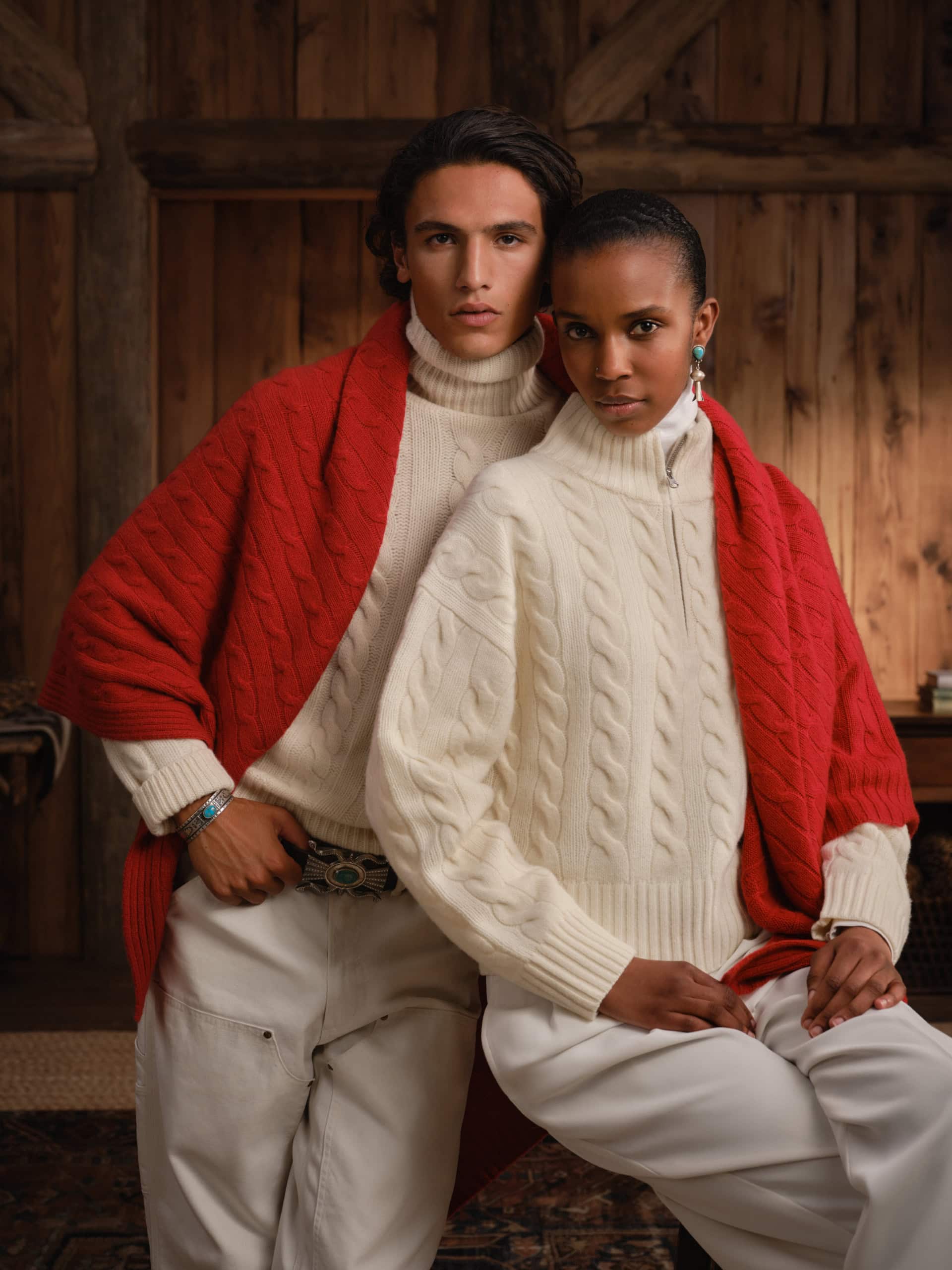
Conversely, an oversized silhouette offers a contemporary, relaxed alternative. Embraced by modern streetwear and contemporary menswear enthusiasts alike, a roomier cut drapes naturally over the frame, functioning almost as lightweight outerwear. When styling an oversized cable knit, balancing proportions is critical; pairing the voluminous upper half with straight-leg or wide-leg trousers creates a cohesive, modern silhouette.
Strategic Color Theory: The Versatility of Neutrals and Beyond
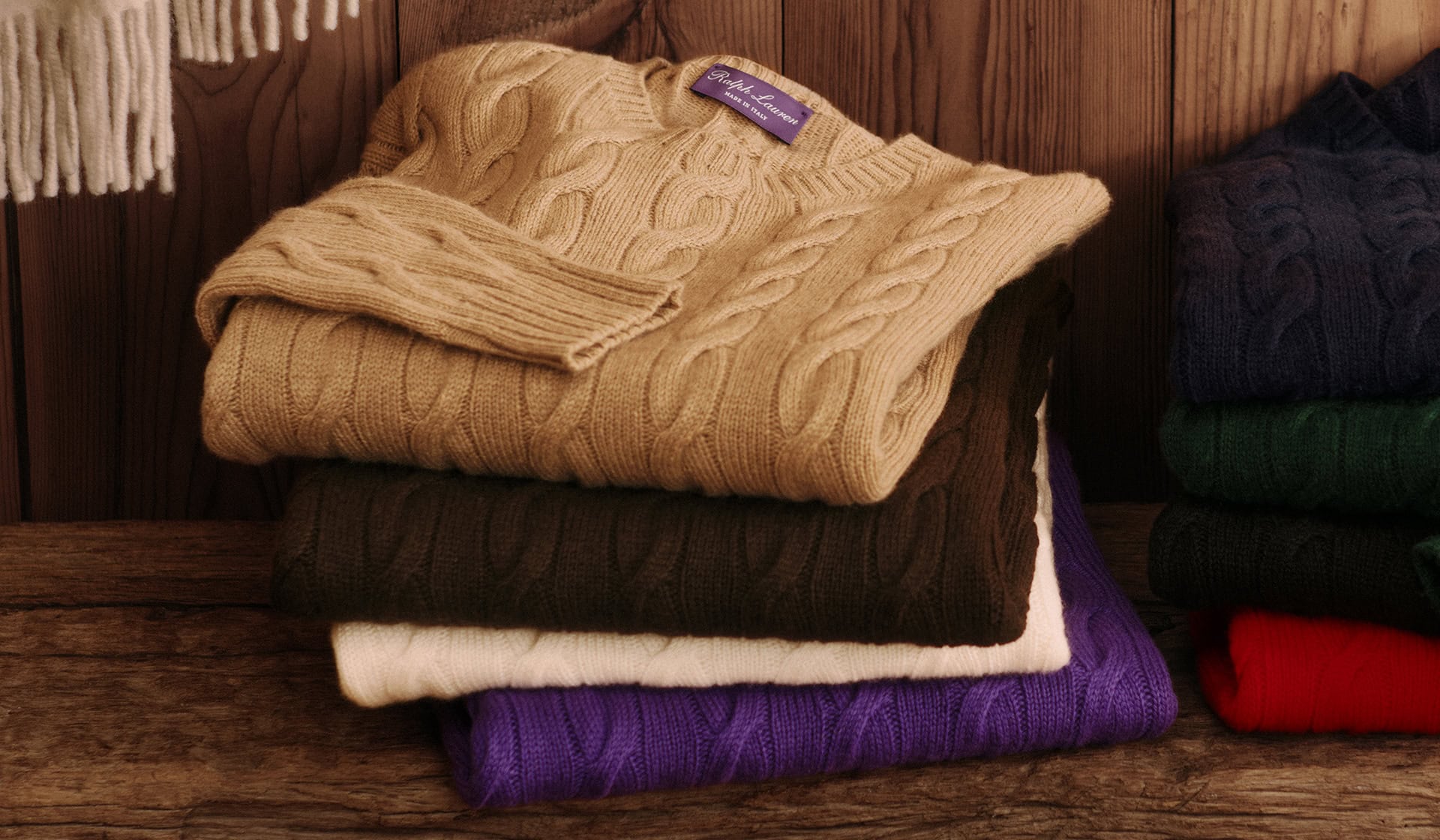
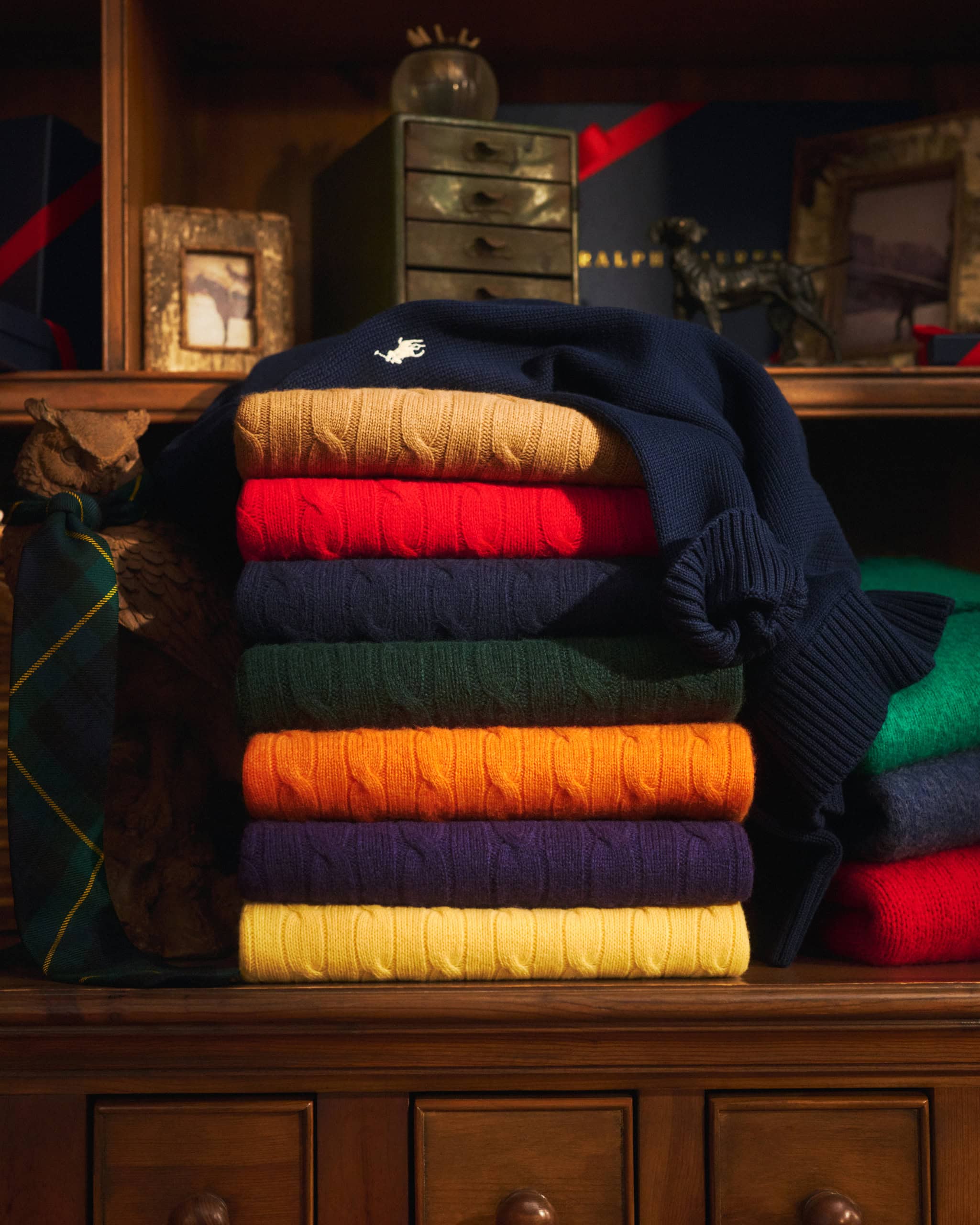
While modern collections feature an expansive chromatic spectrum—ranging from autumnal reds and forest greens to vibrant pinks and rich purples—expert stylists consistently recommend establishing a foundation with neutral tones.
Cream and tan represent the absolute baseline of a versatile knitwear collection. The complex topography of cable-knit stitching creates natural shadows and highlights; lighter shades accentuate these structural details, providing depth and visual interest that flat-knit sweaters lack. Cream offers stark, classic contrast against dark denim or navy tailoring, while tan serves as an earthy, adaptable backdrop for bolder wardrobe accents.
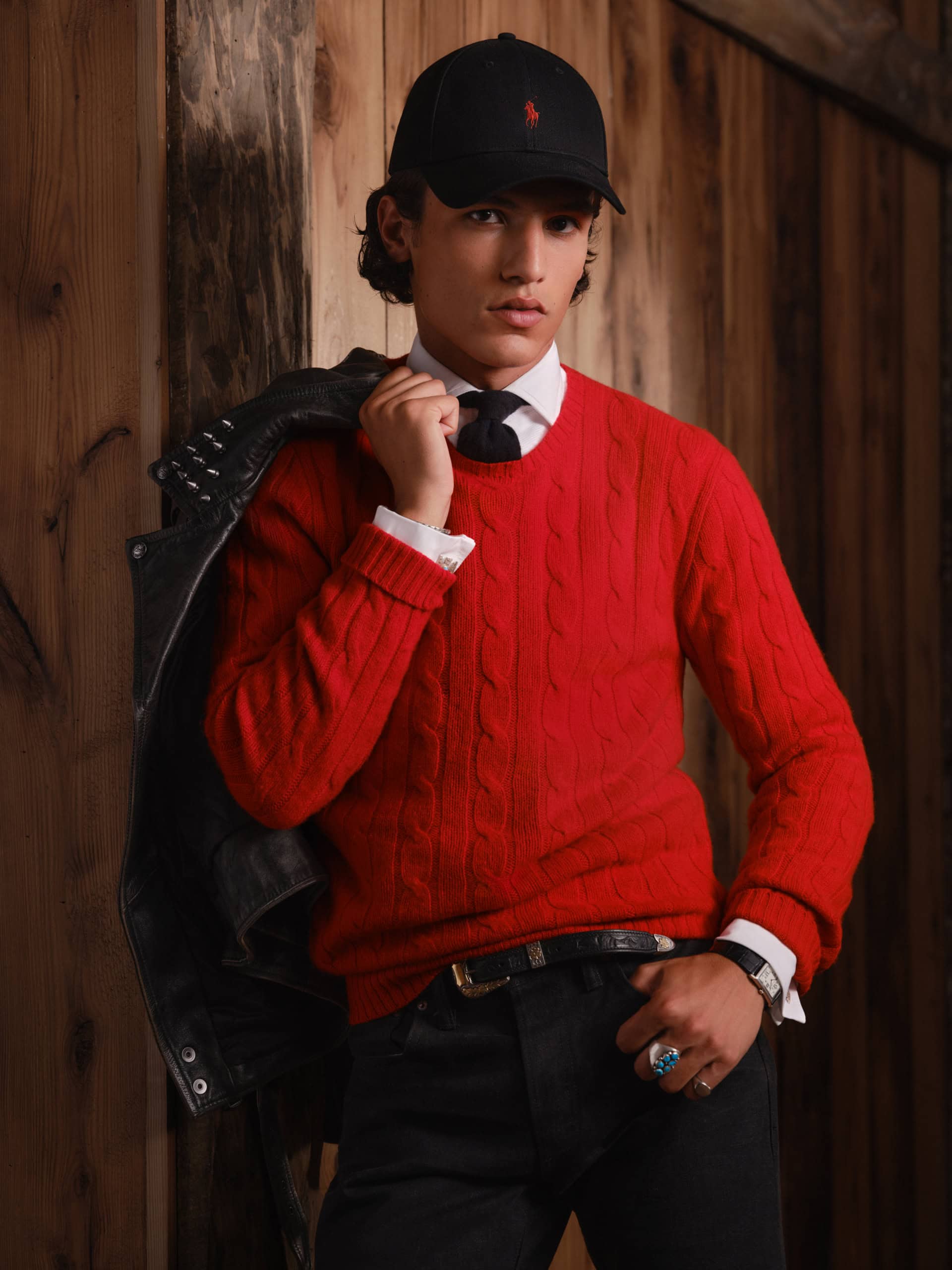
For those looking to incorporate color, muted jewel tones and faded hues provide character without overwhelming an outfit. A faded cranberry or forest green cable knit can soften the formality of a grey flannel suit, whereas navy blue remains an infallible, universally flattering choice for virtually any skin tone or occasion.
Contextual Styling: From Weekend Leisure to Smart Workwear
The true value of the cable knit lies in its adaptability across diverse social and professional settings.
For weekend casual wear, the garment provides an effortless solution to transitional weather. A cream crew-neck cable knit paired with mid-wash, straight-leg jeans and clean leather trainers or suede Chelsea boots creates an instantly put-together look with minimal effort. Layering a crisp white t-shirt underneath adds comfort, while a striped shirt with a popped collar introduces subtle pattern play. When temperatures plunge into genuine winter conditions, the addition of a matching cable-knit scarf and beanie—carefully curated to avoid excessive bulk—completes the ensemble.
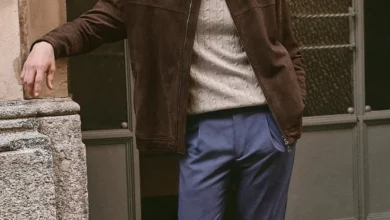
In professional environments adhering to a smart-casual dress code, the cable knit bridges the gap between formality and comfort. A slim-gauge cashmere crew neck worn over a pale blue Oxford cotton shirt, with the collar tips neatly exposed, establishes a sophisticated preppy baseline when paired with tailored wool trousers and leather loafers. Alternatively, a polo-collar cable knit or a quarter-zip variant provides architectural structure to the neckline, sliding easily under a soft navy blazer.
For extreme cold, heavy Aran knitwear serves as an outer layer capable of replacing a traditional jacket on milder winter days. Layered over a heavyweight flannel shirt and paired with raw selvedge denim and robust lace-up boots, the Aran sweater honors its working-class heritage while remaining thoroughly modern. When paired with outerwear, pairing the chunky texture of a cable knit with the smooth, technical surface of a water-repellent down jacket or a classic camel overcoat creates a sophisticated contrast in textures.
Economic and Cultural Implications in Contemporary Retail
The enduring popularity of the cable-knit jumper offers valuable insights into shifting consumer behaviors within the fashion industry. Amid economic uncertainty and a growing cultural fatigue toward fast fashion’s rapid trend cycles, consumers increasingly prioritize durable, heritage-inspired garments designed for longevity.
Retail data indicates sustained consumer demand for investment pieces that transcend seasonal trends. Items crafted from natural fibers like cashmere and virgin wool command resilient price points, as buyers view them as long-term wardrobe assets rather than disposable purchases. Furthermore, the unisex appeal of the cable knit—historically borrowed across partnerships and generations—expands its market viability, aligning with broader industry movements toward gender-fluid retail spaces.
As heritage brands continue to innovate through sustainable sourcing, recycled cashmere blends, and expanded homeware applications such as cable-knit throws and blankets, the design proves its ability to adapt to modern domestic spaces. Ultimately, whether worn in a coastal Irish village a century ago, on an Ivy League campus in the 1970s, or during a modern urban commute, the cable-knit jumper remains a masterclass in functional design, proving that true style is rarely invented anew—it is simply refined across generations.